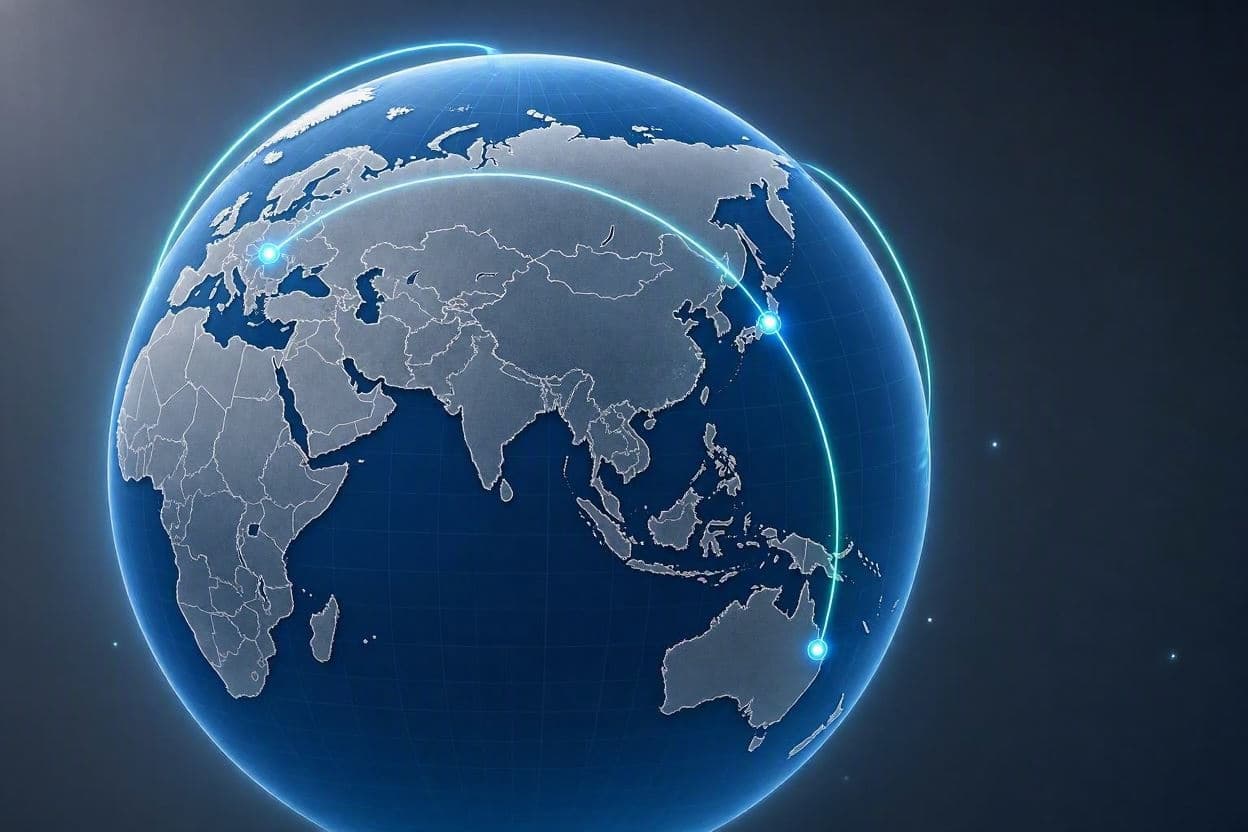
The sky above us is becoming increasingly crowded, not with clouds, but with the silent hum of connectivity. As SpaceX’s Starlink constellation expands its reach, nations around the world are preparing to join the network, recognizing the transformative potential of satellite internet. Norway, India, and New Zealand are among the latest countries targeting launches and regulatory approvals, signaling a global shift toward universal broadband access. This expansion is not just about technology; it is about bridging divides and empowering communities.
The arrival of Starlink in these diverse regions highlights the varying needs and challenges of connecting remote and underserved populations. From the fjords of Norway to the rural villages of India and the isolated islands of New Zealand, the promise of high-speed internet offers opportunities for education, healthcare, and economic growth. It is a step toward a more connected world, where geography no longer dictates access to information.
In Norway, the rugged terrain and sparse population make traditional infrastructure expensive and difficult to maintain. Starlink offers a viable alternative, providing reliable internet to remote communities and industries such as fishing and tourism. The Norwegian government has been supportive of the initiative, recognizing its potential to enhance digital inclusion and support regional development. Regulatory approvals are underway, paving the way for service initiation.
India, with its vast population and diverse geography, presents a unique challenge and opportunity. The government has recently updated its satellite communication policies to allow foreign operators like Starlink to provide services. This move aims to boost digital literacy and connect millions of people in rural areas who currently lack reliable internet access. The partnership could play a significant role in India’s digital transformation agenda.
New Zealand, with its many remote islands and rural areas, also stands to benefit from satellite internet. The country has been proactive in engaging with SpaceX, seeking to ensure that its citizens have access to modern connectivity. The launch of services in New Zealand is expected to improve communication for emergency services, agriculture, and tourism, sectors that are vital to the national economy.
The expansion of Starlink is part of a broader trend in the space industry, where private companies are playing an increasingly important role in providing global services. This shift has sparked debates about regulation, competition, and the sustainability of low-Earth orbit. However, the immediate benefits of improved connectivity are hard to ignore, especially for those who have been left behind by traditional infrastructure.
Critics raise concerns about space debris and the impact on astronomical observations. These issues are being addressed through international cooperation and technical solutions, such as satellite deorbiting mechanisms and darkening coatings. Balancing innovation with responsibility is key to ensuring the long-term sustainability of space activities.
For the countries involved, the adoption of Starlink is a strategic decision. It enhances their digital sovereignty and reduces dependence on limited terrestrial options. It also positions them as forward-thinking nations that embrace technological advancement. The economic and social benefits are expected to outweigh the costs, making it a worthwhile investment in the future.
As launches continue and services go live, the impact will be measured in improved lives and opportunities. Students will have access to online resources, farmers will receive real-time market data, and families will stay connected across distances. The technology is a tool, but its value lies in how it is used to empower people.
The entry of Norway, India, and New Zealand into the Starlink ecosystem marks a significant milestone in global connectivity. It reflects a growing recognition that internet access is a fundamental need in the modern world. As these nations move forward, they join a global community that is increasingly connected, informed, and empowered by the technologies that span the skies.
AI Image Disclaimer: Please note that any visual accompaniments to this article are AI-generated interpretations designed to evoke the theme of global connectivity, not specific real-world launch events.
Sources:
• Reuters
• The Verge
• SpaceNews
• BBC Technology
Published by Banx Network. This article is part of the Banx decentralized media programme, powered by the BXE token on the XRP Ledger.