Why Antarctica added billions of tons of ice recently.
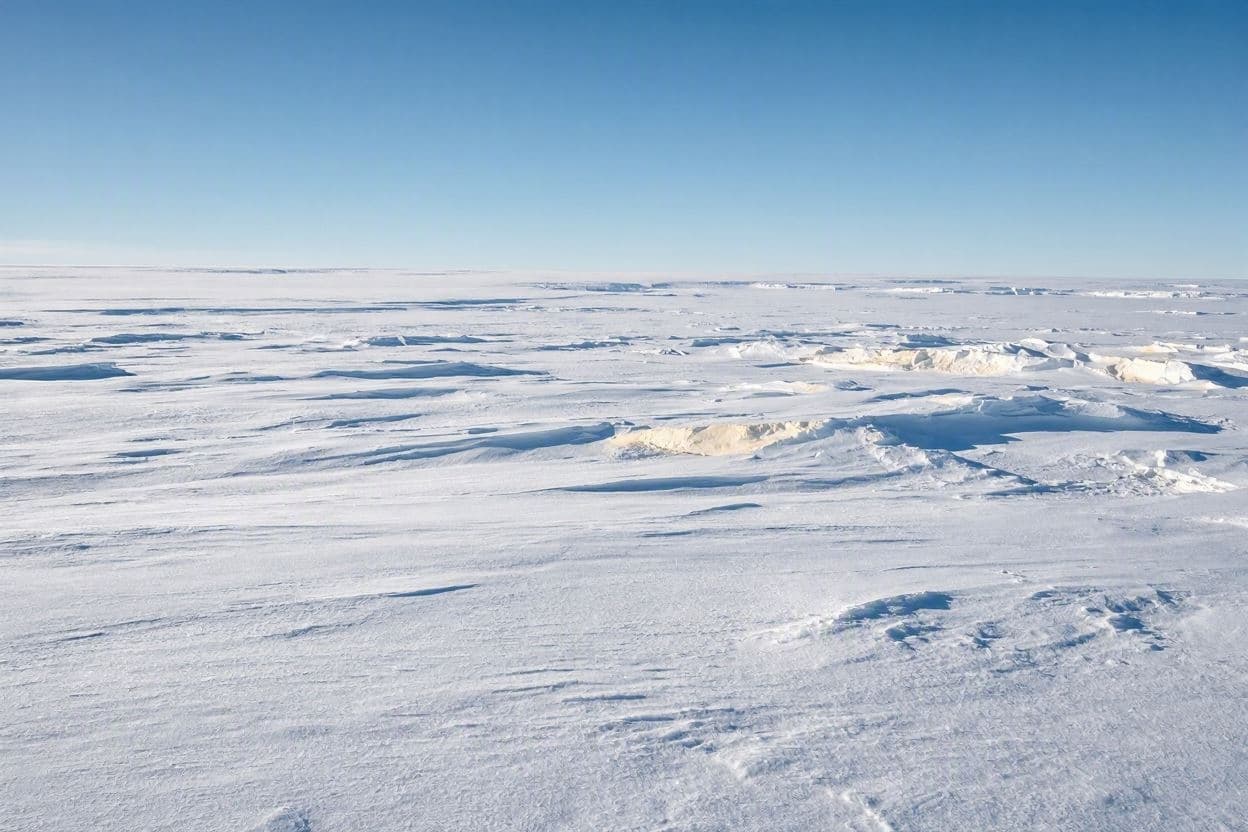
Antarctica gained 695 billion tons of ice due to increased snowfall in East Antarctica, a complex climatic response that offsets some losses but does not reverse global ice decline trends.

Antarctica gained 695 billion tons of ice due to increased snowfall in East Antarctica, a complex climatic response that offsets some losses but does not reverse global ice decline trends.

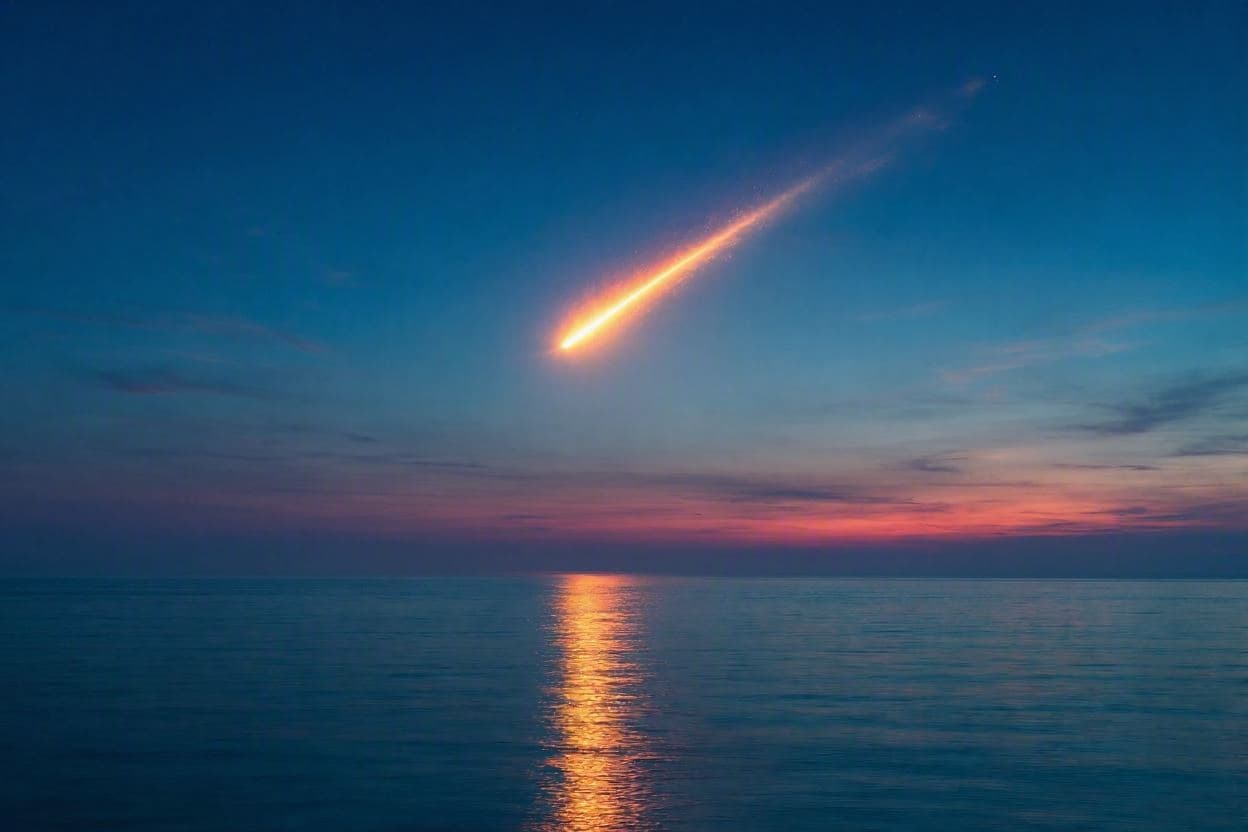
A small asteroid impacted the ocean near Australia today, creating a fireball and sonic boom. No damage was reported, highlighting effective monitoring and the frequency of minor space events.

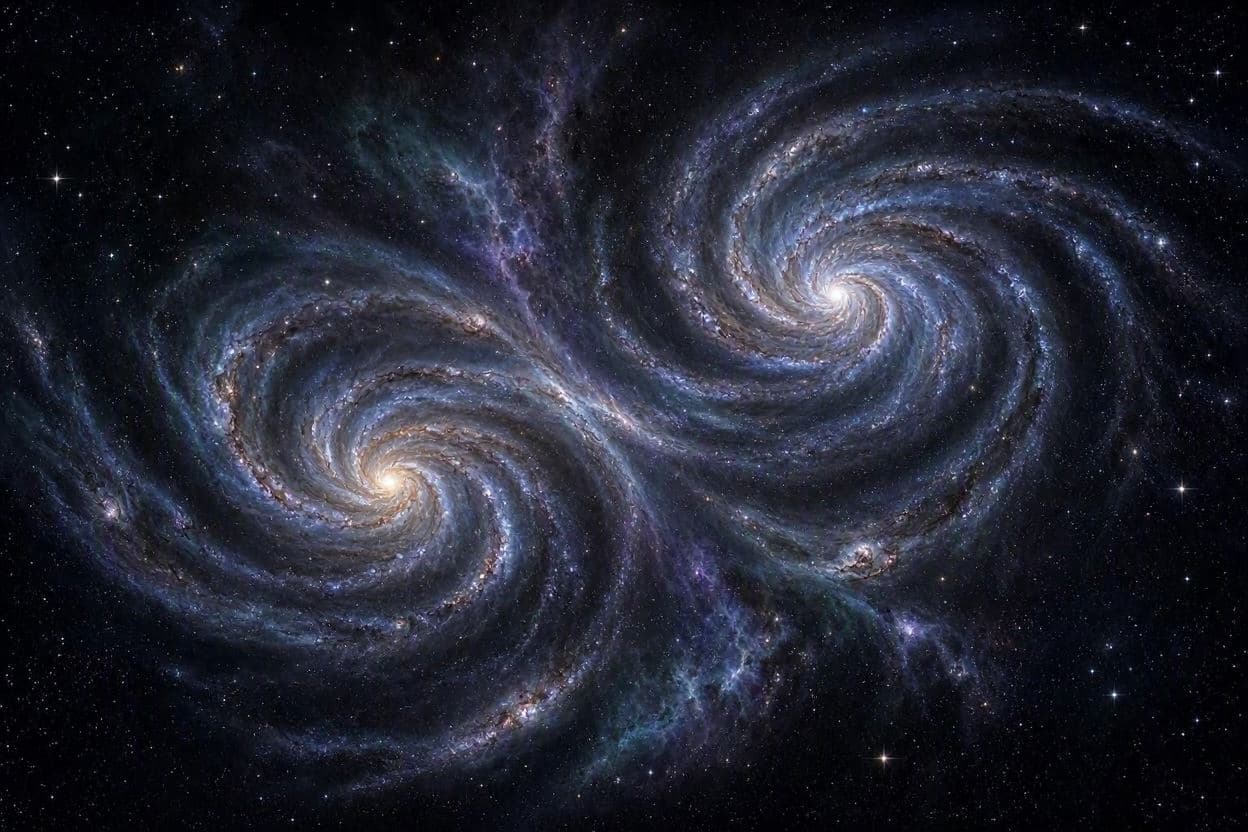
A 2025 study using Hubble and Gaia data suggests only a 50% chance of the Milky Way and Andromeda merging within 10 billion years, challenging previous certainty about the cosmic collision.

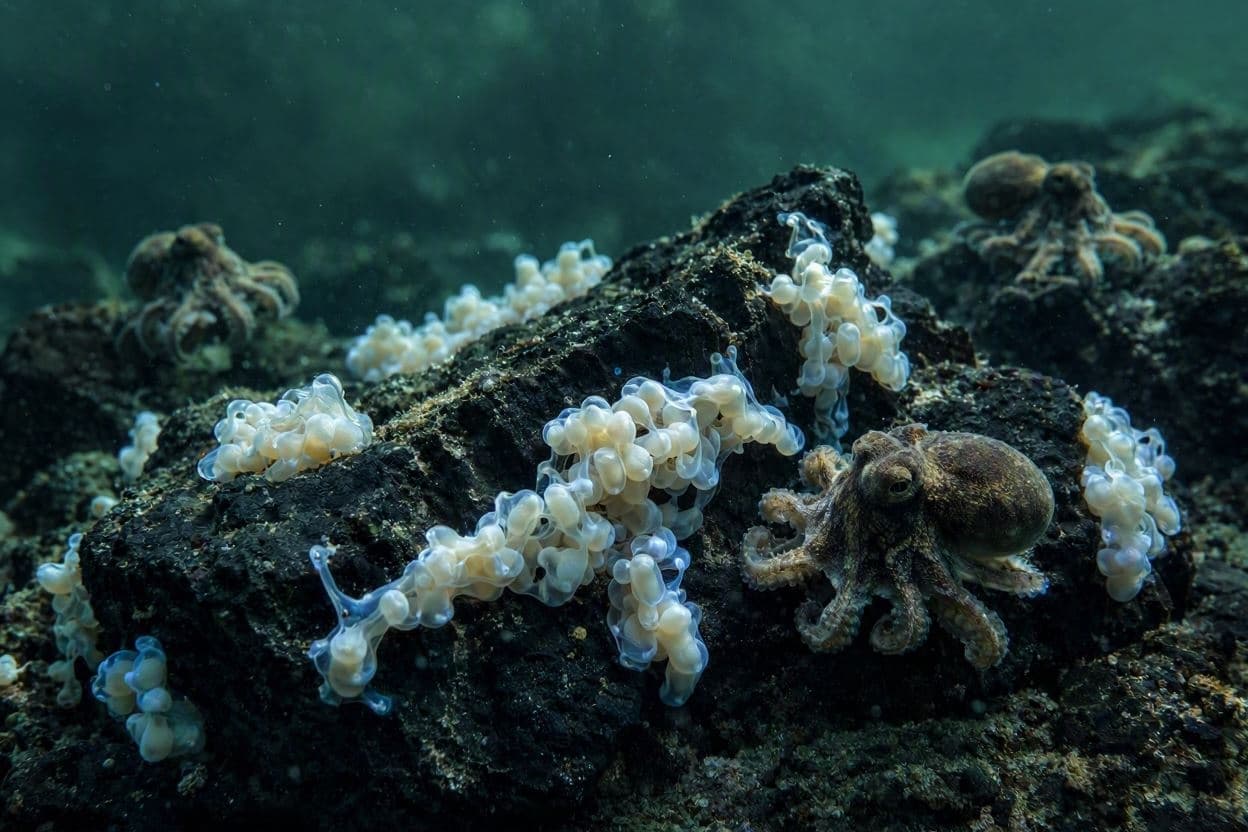
Scientists found 20,000 octopus nests off California’s coast, forming the planet’s largest known nursery. This deep-sea discovery highlights marine biodiversity and the need for conservation of hidden underwater ecosystems.

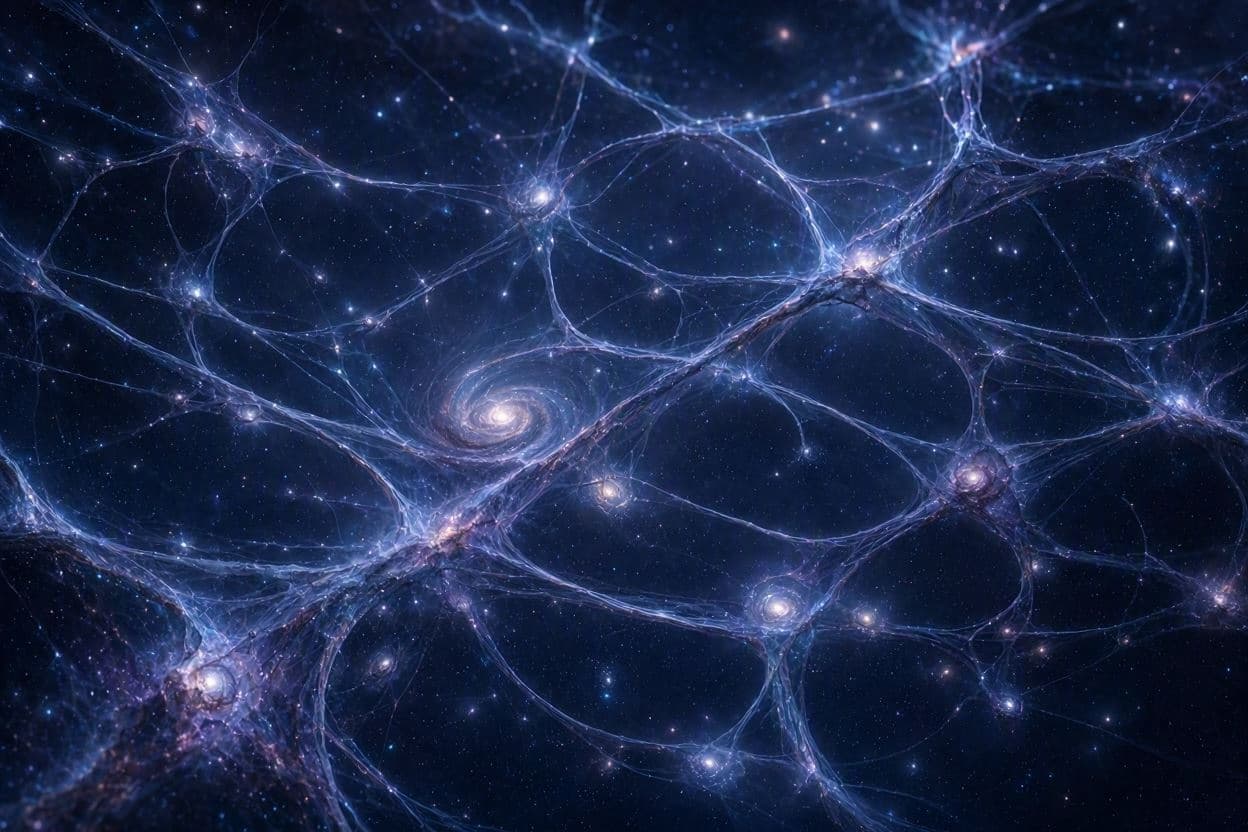
Astronomers released the largest interactive 3D map of space, allowing public exploration of cosmic structures. This tool democratizes data, blending scientific rigor with accessible visualization to inspire global curiosity and understanding.

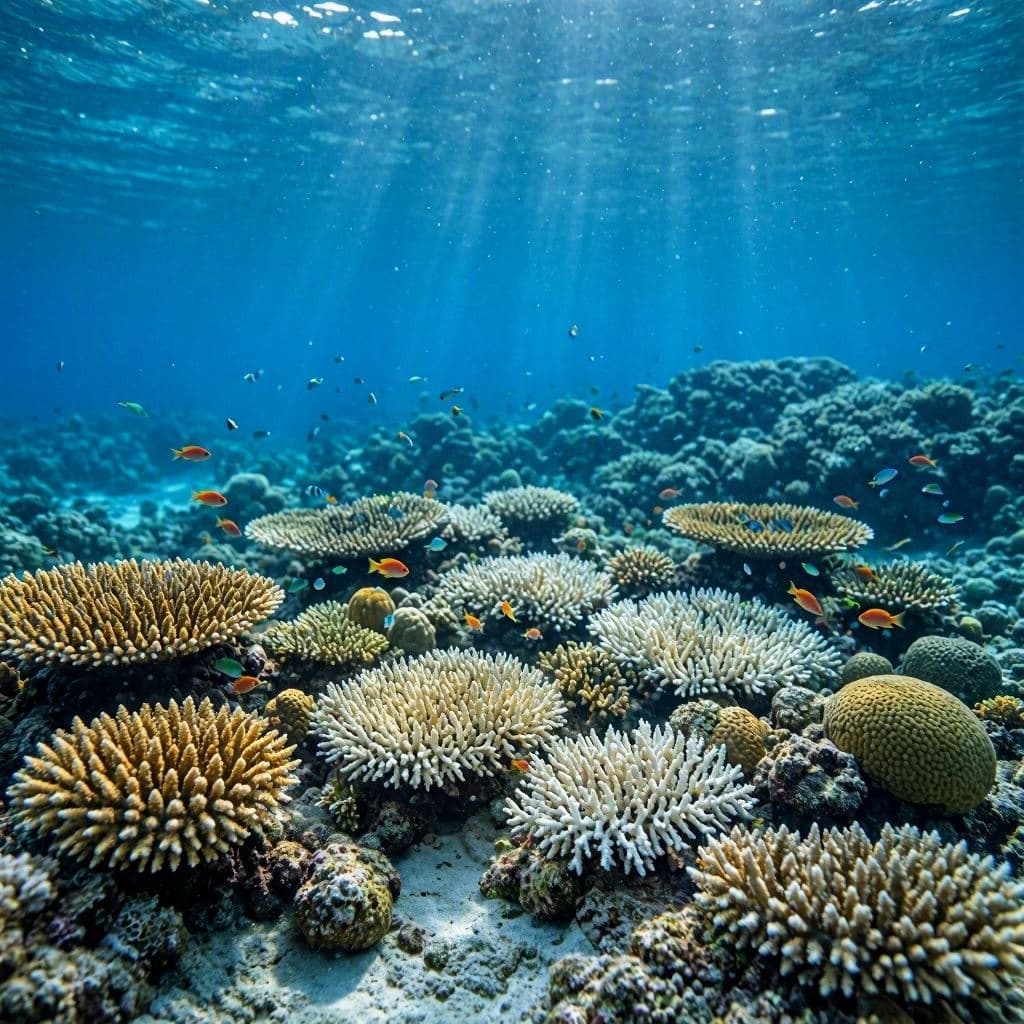
Corals off South Korea’s coast are slumping due to rising temperatures, alarming divers and scientists who link the decline to climate change and urge conservation efforts.

BMKG continues to monitor Mount Anak Krakatau’s increased activity, advising caution for residents and tourists due to ash clouds and potential tsunami risks.

Brisbane experienced its hottest September day in years, part of a broader east coast heatwave, highlighting the impacts of climate change and unseasonable weather.

Brisbane experienced its hottest September day since 1943, with temperatures soaring above 35°C, highlighting ongoing climate trends and heat risks.

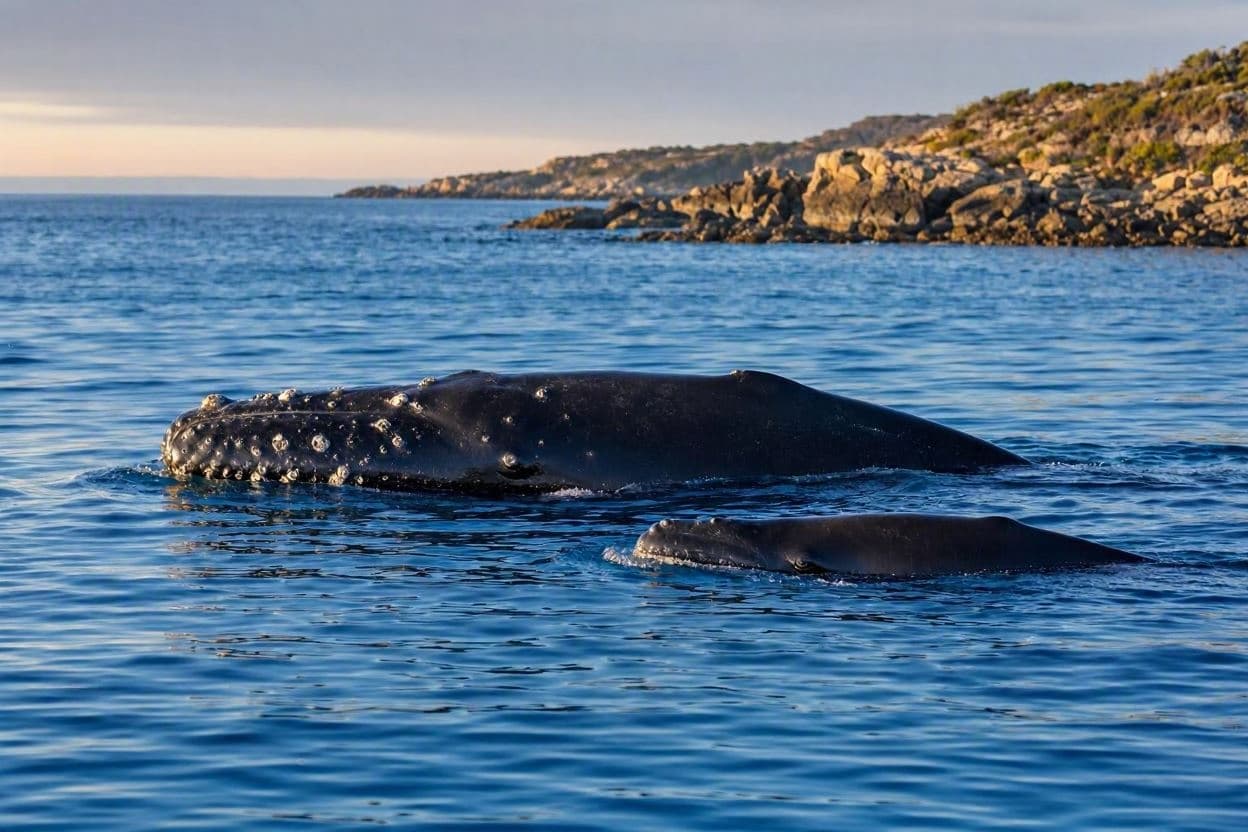
A 50-year census shows southern right whales off Australia are shifting breeding grounds to cooler southern waters, likely due to climate change impacts.

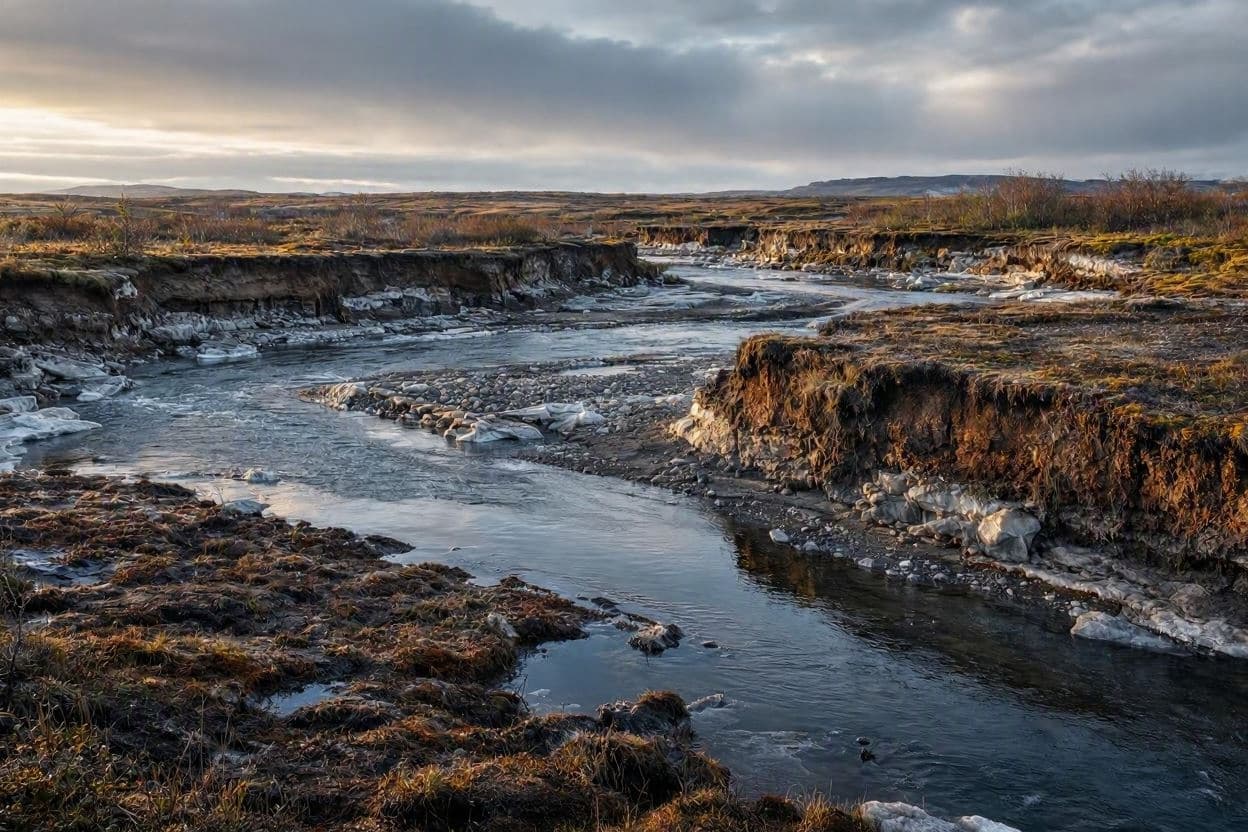
Arctic rivers are eroding their banks at unexpectedly high rates due to thawing permafrost and increased water flow, challenging scientific models and impacting local ecosystems.

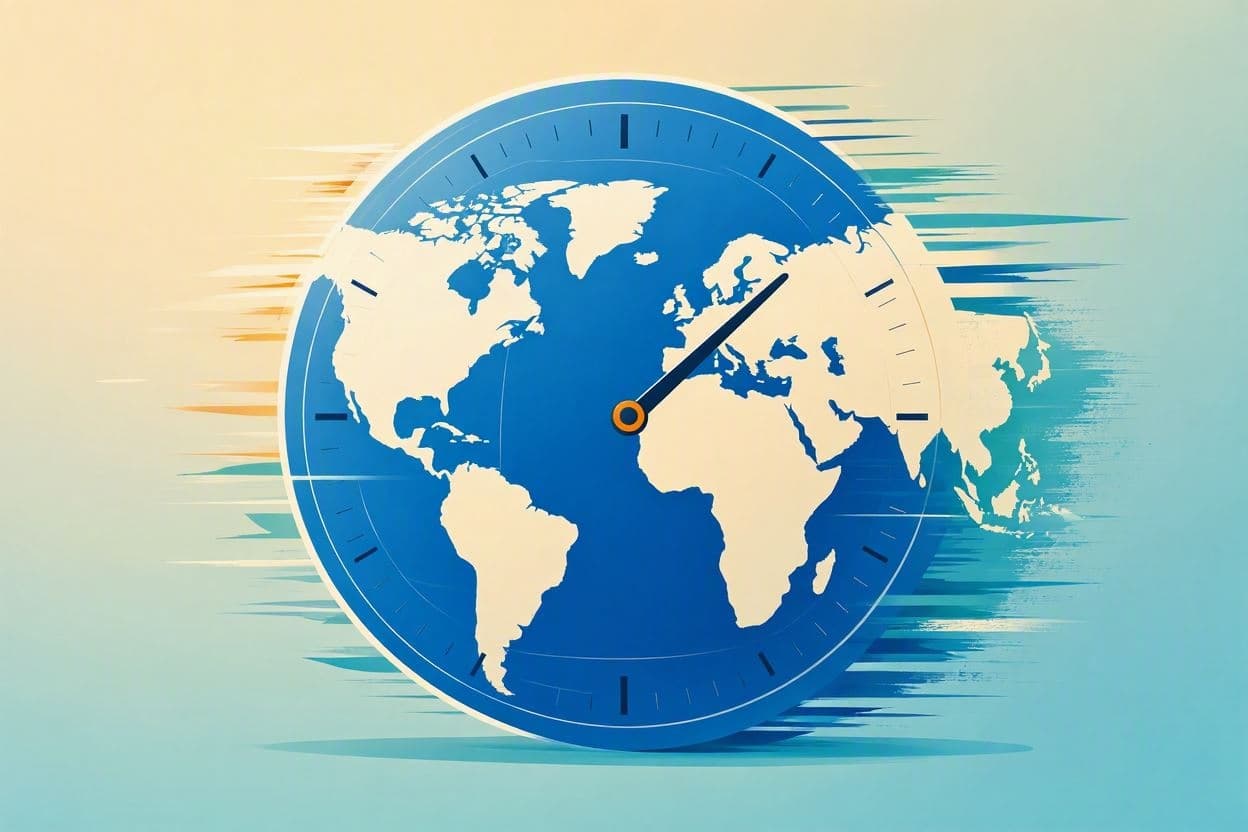
The Earth is spinning faster, leading to shorter days and raising questions about time measurement, including the potential need for a negative leap second to synchronize atomic clocks.

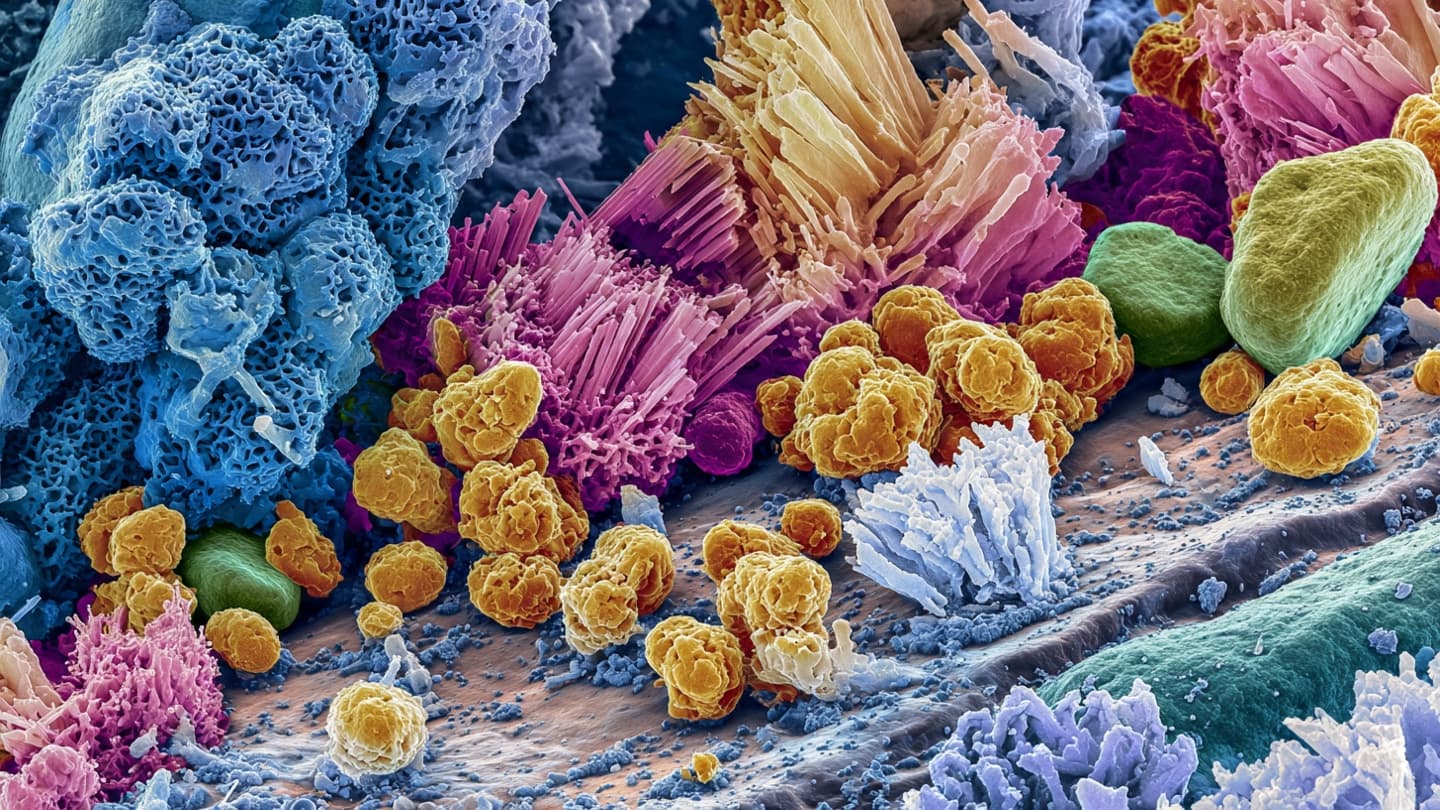
Microbes discovered in Antarctica are unique to the continent, having evolved in isolation to survive extreme conditions, offering insights into biodiversity and astrobiology.

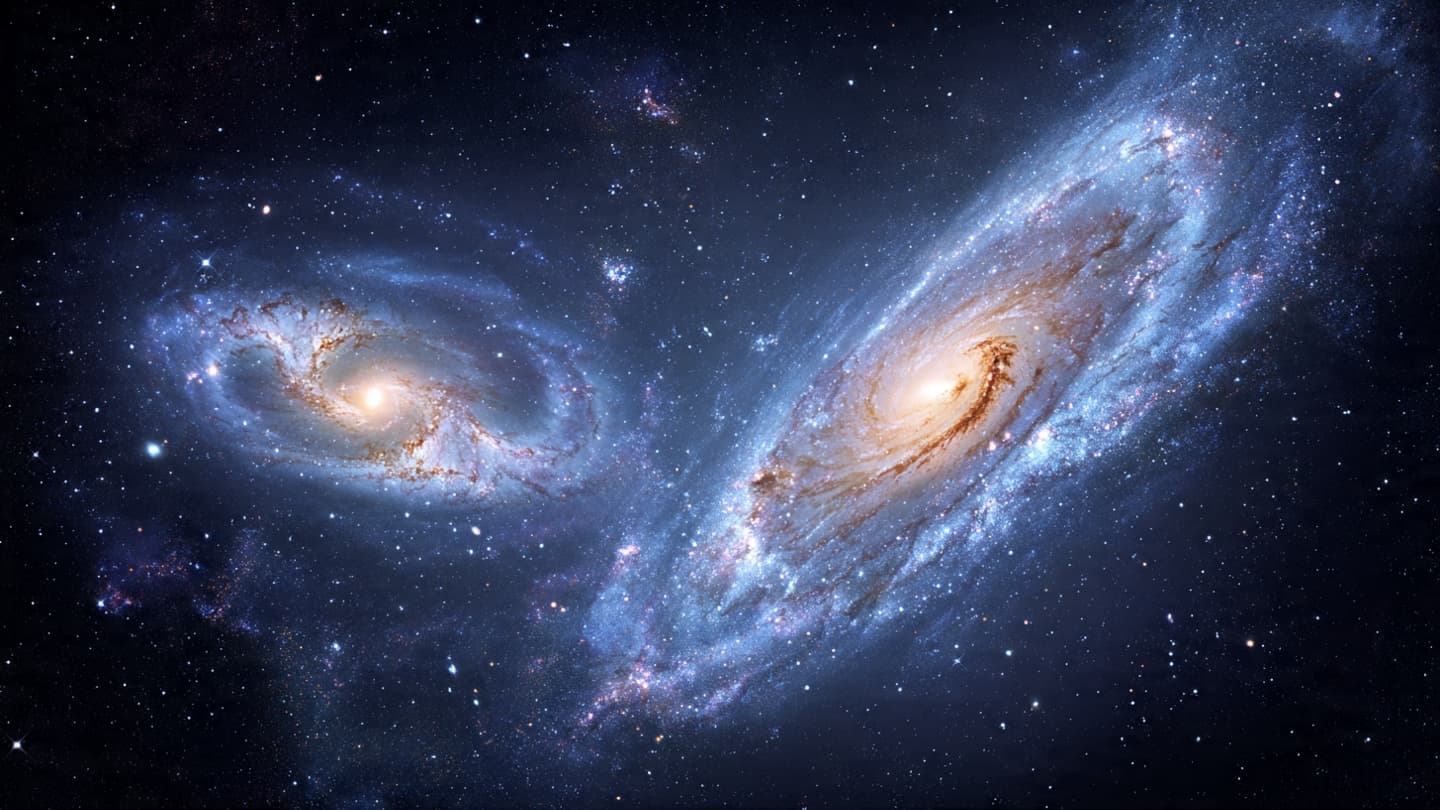
High school students named a pair of interacting galaxies captured by the Gemini Telescope, highlighting the role of public engagement in astronomy and celebrating a 200-million-light-year distant event.

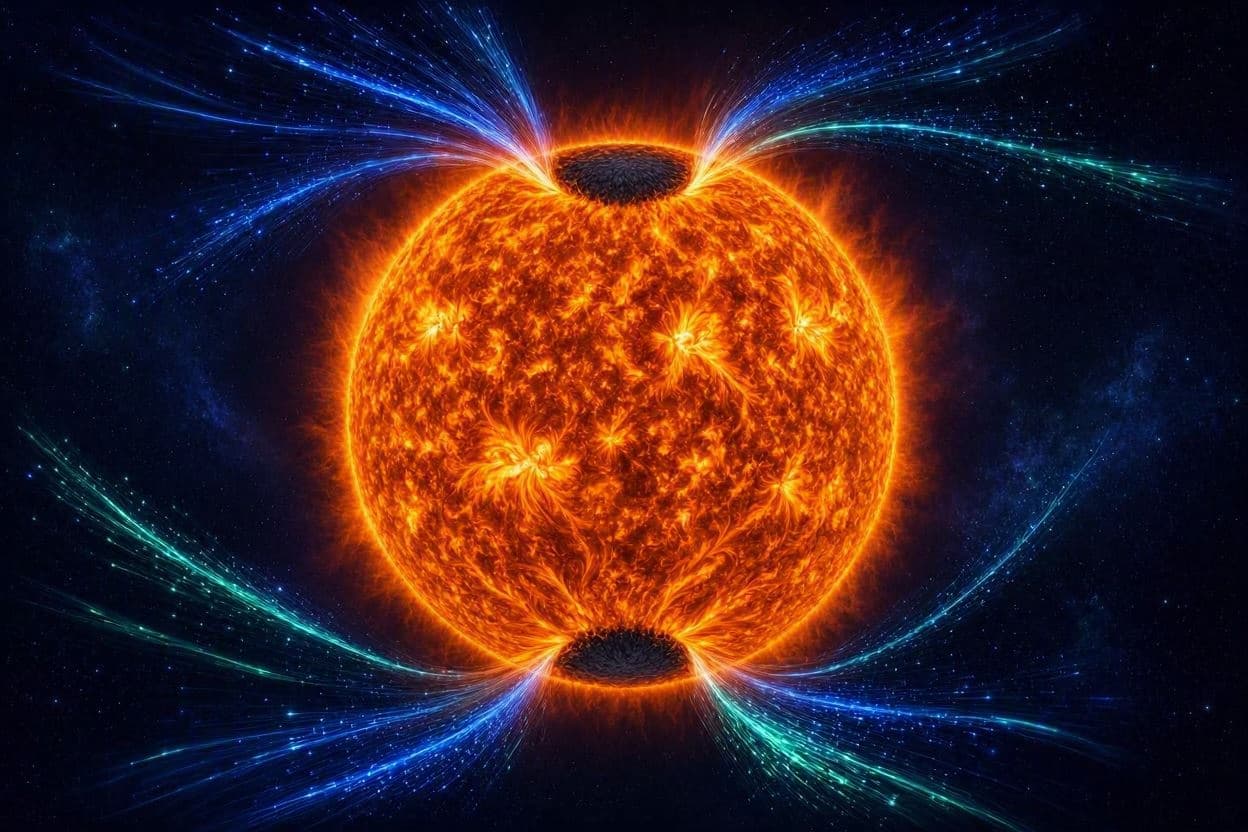
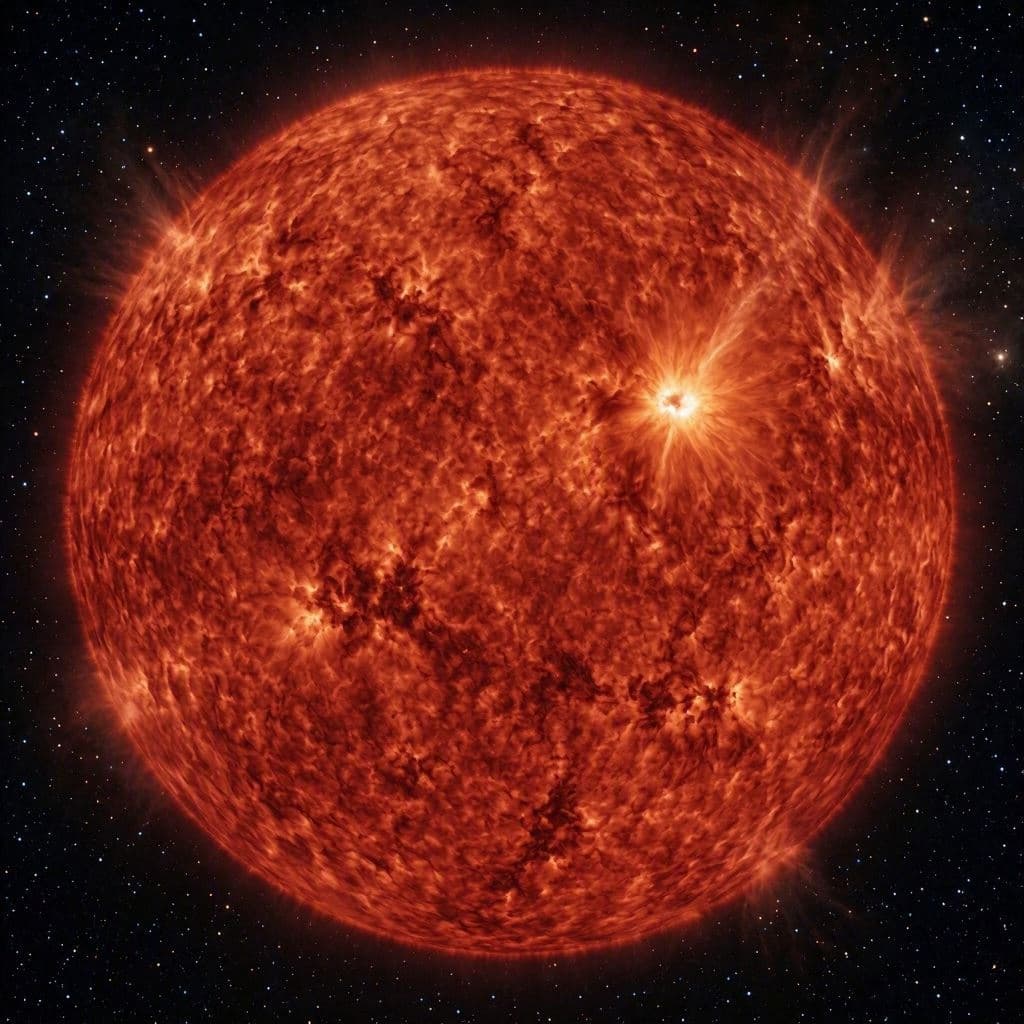
The origins of the fast solar wind, which blasts from the Sun at hundreds of miles per second, remain a mystery, though coronal holes and magnetic reconnection are leading theories.

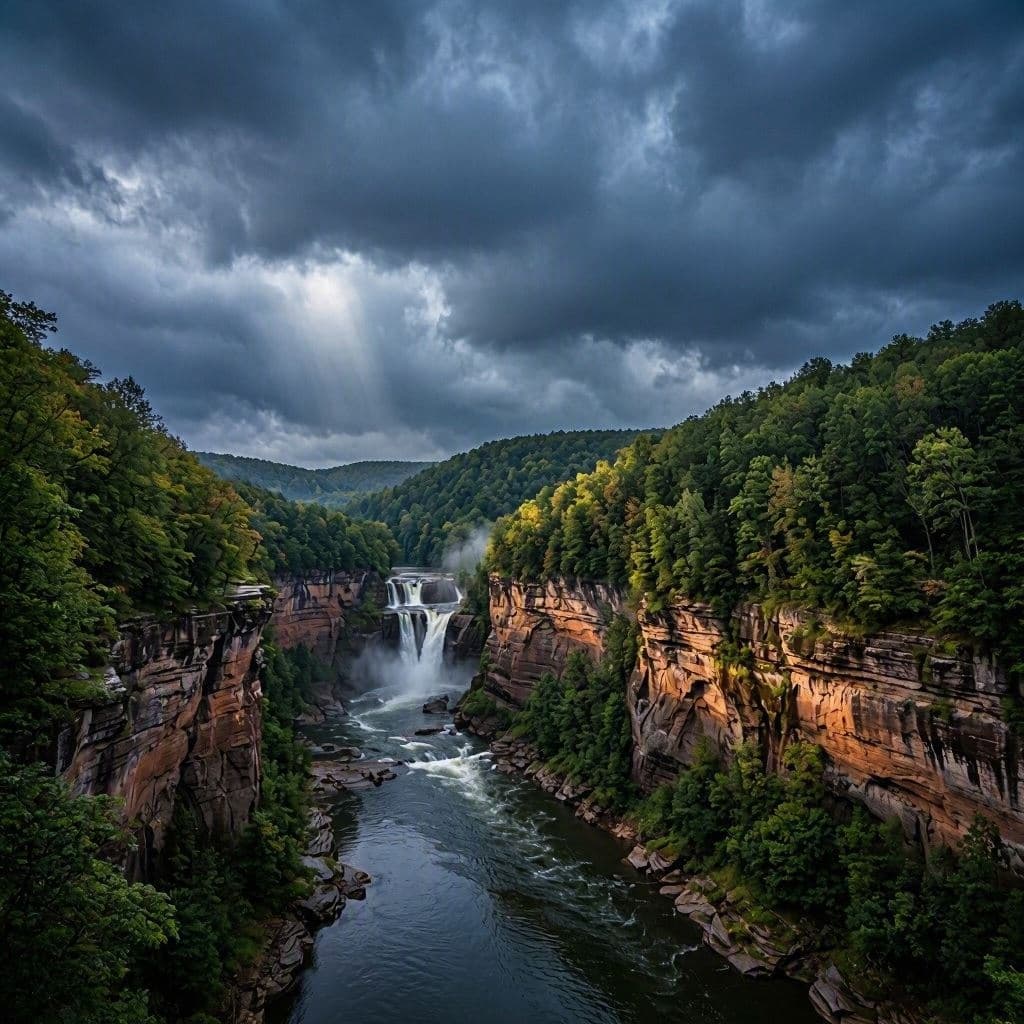
Two tornadoes hit Letchworth State Park, prompting National Weather Service crews to conduct damage surveys and explain the scientific methods used to confirm tornado occurrences.

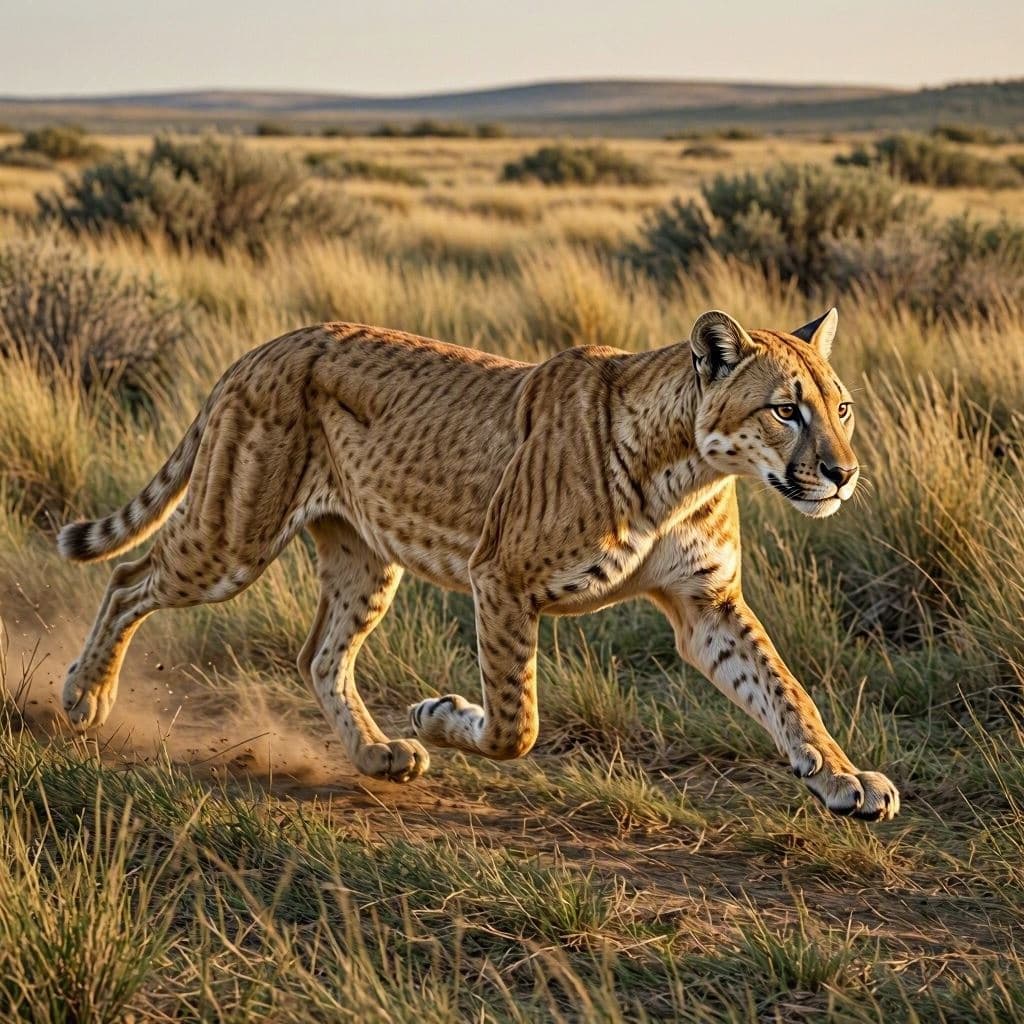
New DNA evidence shows that the extinct "American cheetah" was not related to modern cheetahs but was instead a cougar-like cat, illustrating the power of convergent evolution.

Betelgeuse’s northeast hotspot has remained fixed from 2015 to 2023, contradicting models that predict rapid movement of convective structures, prompting new astrophysical research.

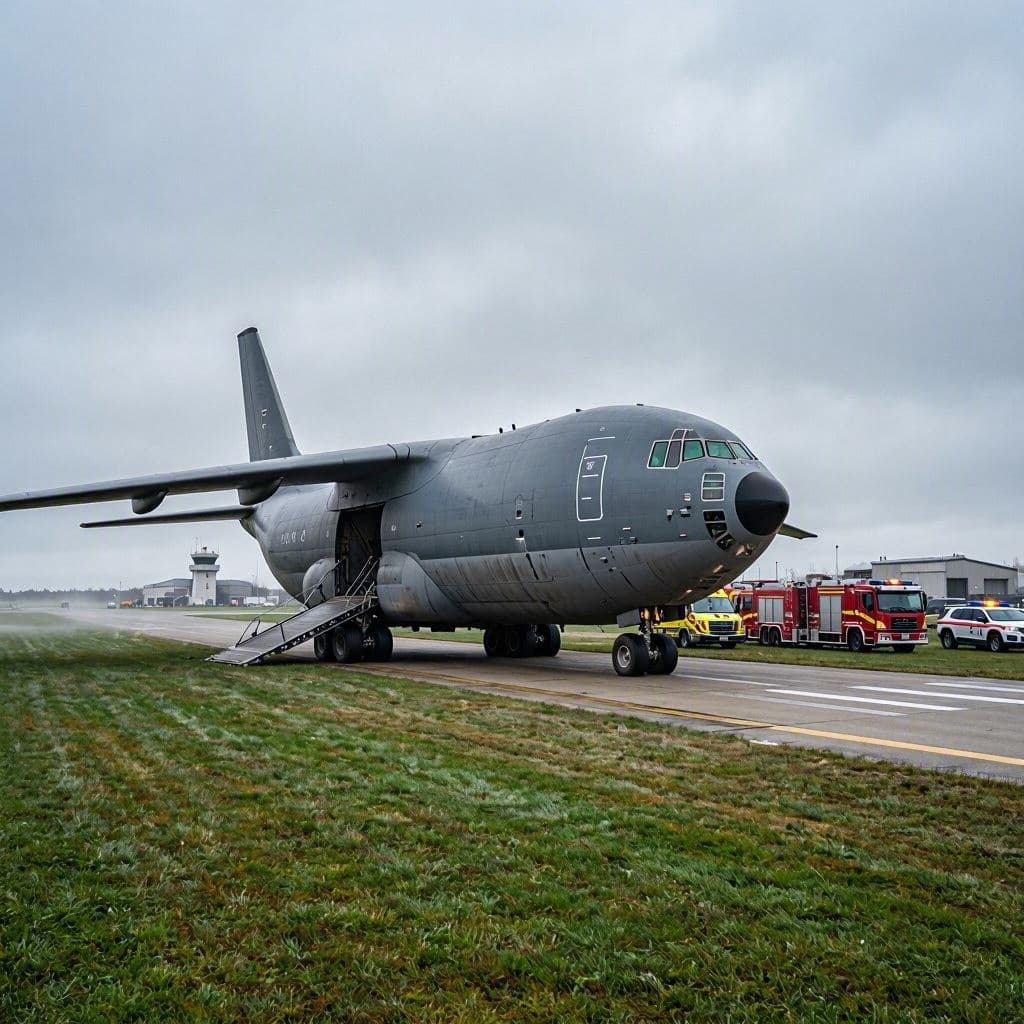
A Prime Air Boeing 767 cargo aircraft overran the runway at Miami International Airport, striking ground vehicles but causing no serious injuries, prompting an NTSB investigation.

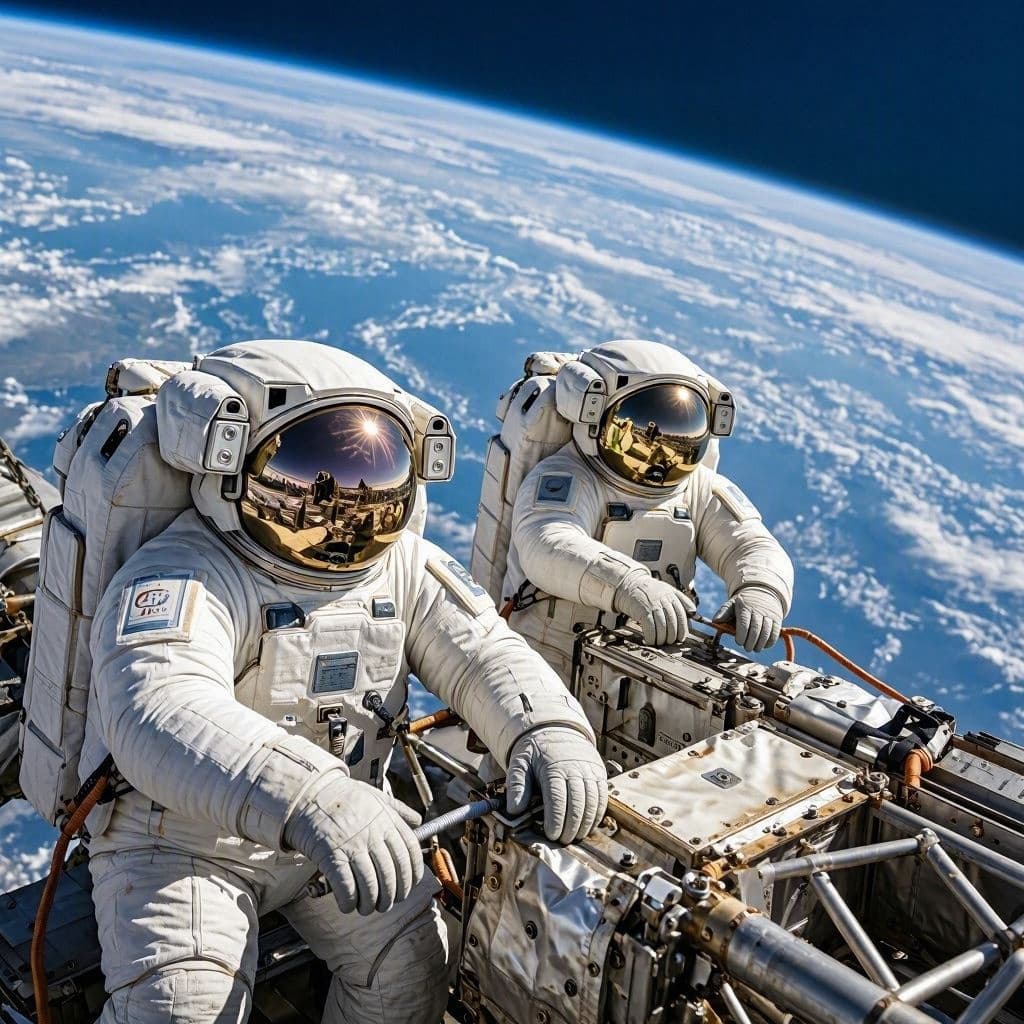
The ISS crew completed their fourth spacewalk in a month, performing critical maintenance and upgrades to ensure the station’s continued operation and readiness for future missions.

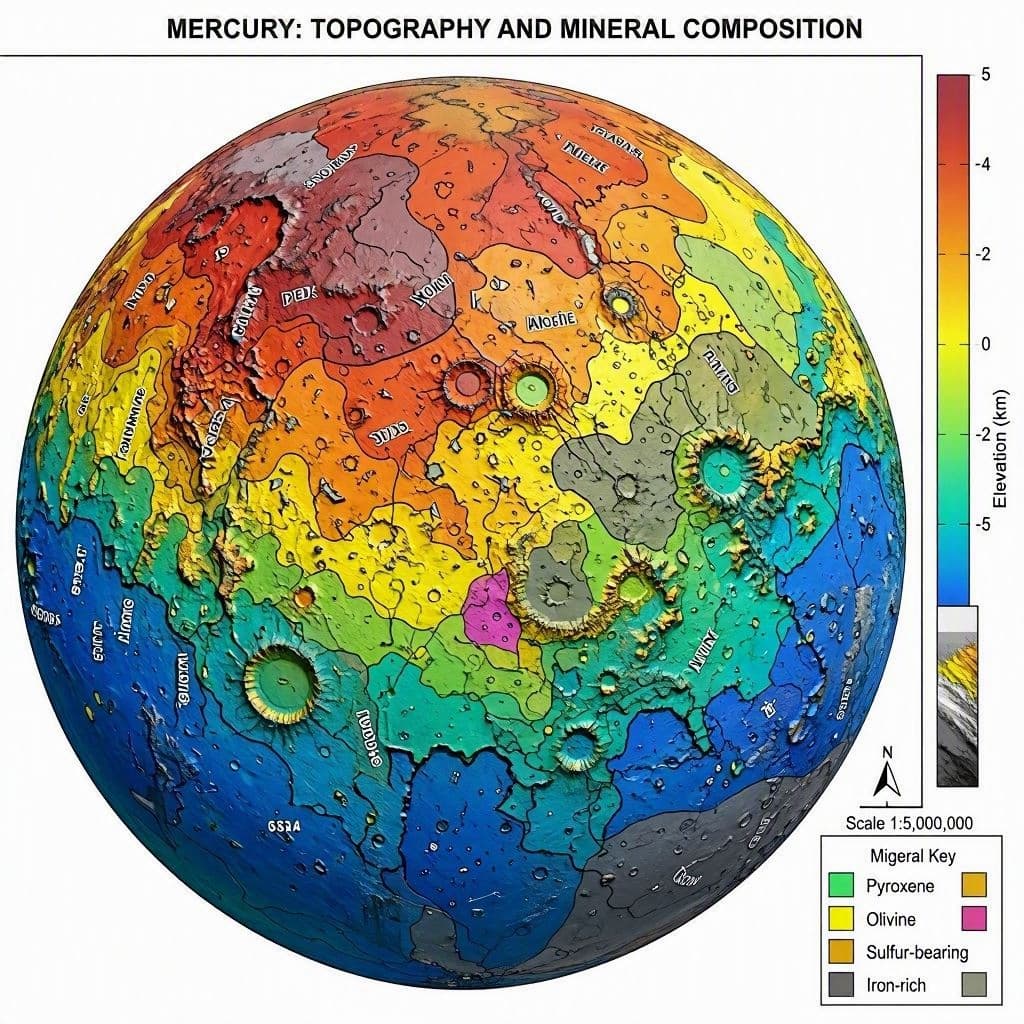
A new study reveals that Mercury’s surface is chemically diverse and retains volatile elements, challenging previous assumptions about the planet’s formation and geological history.

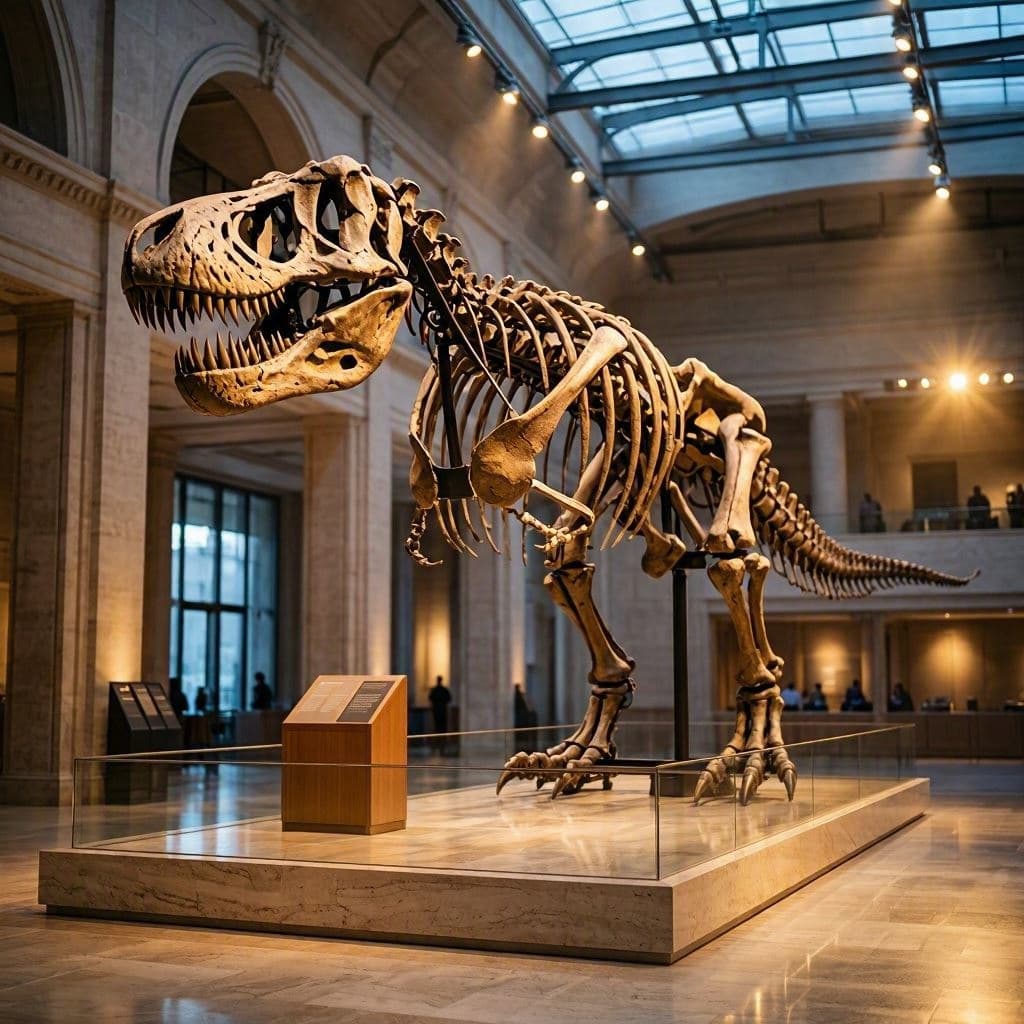
A new study reveals that Sue, the largest T. rex, likely suffered from severe infections and trauma before death, providing new insights into the health and mortality of ancient predators.

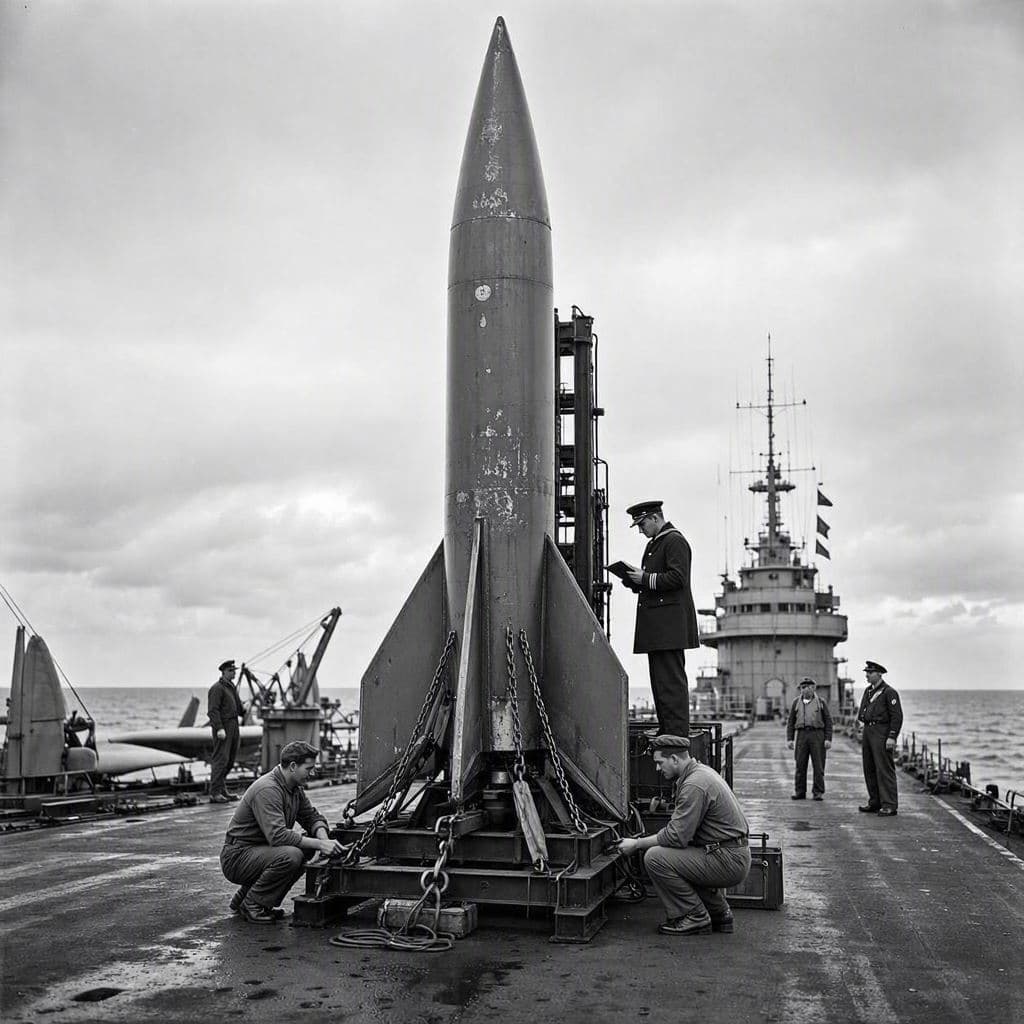
On September 6, 1947, the US Navy launched the first V-2 rocket from a ship at sea, marking a historic test that advanced ballistic missile technology and naval capabilities.

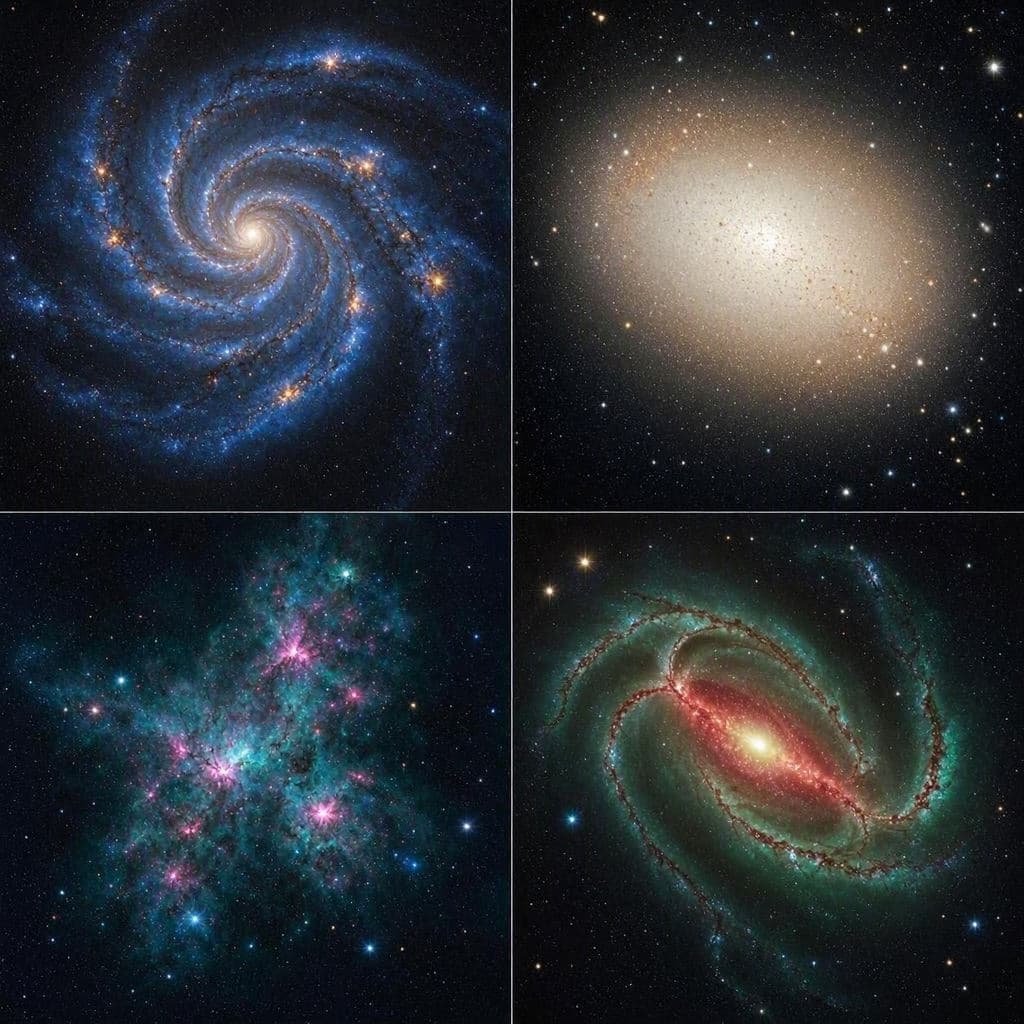
Astronomers have released a gallery of 16 "Cosmic Gems," showcasing the diverse shapes and structures of galaxies to highlight the variety of forms found in the universe.