High above the treeline, where the air is thin and the silence is profound, Mount Everest stands as a monument to human endurance and ambition. Yet, beneath the awe-inspiring peaks lies a growing concern that touches upon the delicate balance of this frozen world. Recent studies have highlighted an unexpected contributor to the melting of the Khumbu Glacier: human urine. As thousands of climbers ascend each year, their biological footprint adds thermal energy to the ice, accelerating melt in ways that were previously underestimated. This revelation invites a reflective look at the cost of exploration.
The research indicates that the heat generated by urine, when deposited directly onto the snow and ice, contributes significantly to local melting. Estimates suggest that hundreds of tons of ice are lost each season due to this factor alone. While it may seem minor in the grand scheme of global warming, the cumulative effect in concentrated areas like Base Camp is notable. The warmth of the human body, transferred through waste, creates micro-environments where ice turns to water more rapidly than it would otherwise.
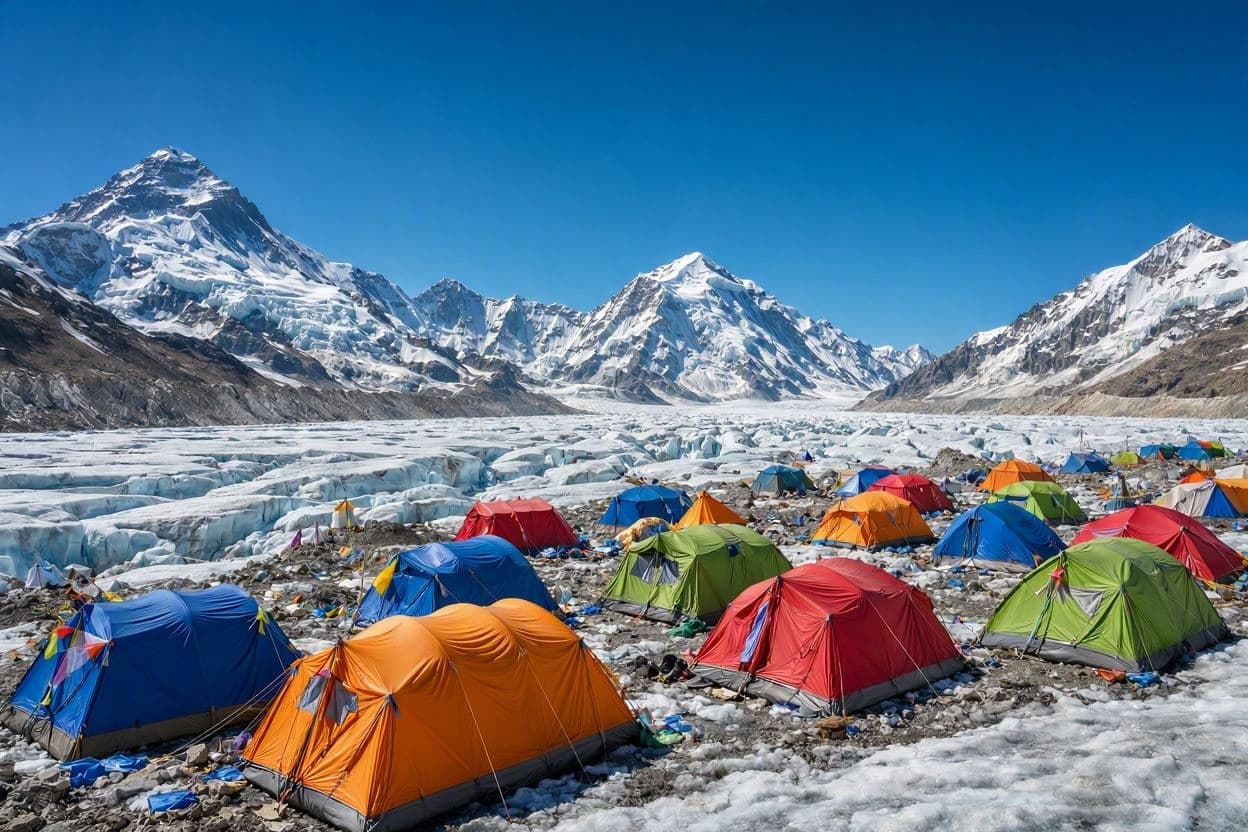
Base Camp has become a hub of activity, hosting hundreds of climbers and support staff during the climbing season. With limited facilities for waste management, much of the human waste ends up on the glacier itself. The lack of proper sanitation infrastructure exacerbates the problem, leading to both environmental degradation and health risks. The study underscores the need for improved waste disposal systems to mitigate these impacts.
Beyond urine, other factors such as black carbon from cooking fuels and general foot traffic also contribute to the melting process. Dark particles absorb more sunlight, increasing the temperature of the snow surface. When combined with the thermal input from human waste, the result is a accelerated rate of ice loss. Scientists warn that without intervention, the structural integrity of the glacier could be compromised, affecting both the climbing route and the local water supply.
The implications extend beyond the immediate environment. The Khumbu Glacier is a vital source of water for downstream communities. Changes in its mass and stability can have far-reaching consequences for agriculture and drinking water availability. Protecting this resource requires a collective effort from climbers, expedition operators, and regulatory bodies. Sustainable practices must be adopted to ensure that the mountain remains viable for future generations.
Efforts are underway to address these challenges, including the installation of better waste management facilities and education campaigns for climbers. Some expeditions now require participants to carry out their waste, reducing the burden on the glacier. These initiatives represent a step toward responsible tourism, balancing the desire to conquer the peak with the duty to preserve it. The mounting evidence serves as a catalyst for change in how high-altitude expeditions are managed.
As the climbing community reflects on these findings, there is a growing recognition of the need for stewardship. The mountain is not just a challenge to be overcome but a fragile ecosystem to be respected. By acknowledging the impact of human presence, climbers can take meaningful actions to reduce their footprint. The journey to the summit is as much about personal achievement as it is about preserving the natural wonder that makes it possible.
The study on urine-induced melting at Everest highlights the urgent need for sustainable waste management practices in high-altitude environments, urging climbers and organizers to prioritize ecological preservation alongside athletic achievement.
AI Image Disclaimer: The images referenced in this piece are AI-created visualizations meant to evoke the setting, not direct documentation of the scientific data.
Sources: The New York Times The Seattle Times Herald Corp SBS News
Published by Banx Network. This article is part of the Banx decentralized media programme, powered by the BXE token on the XRP Ledger.