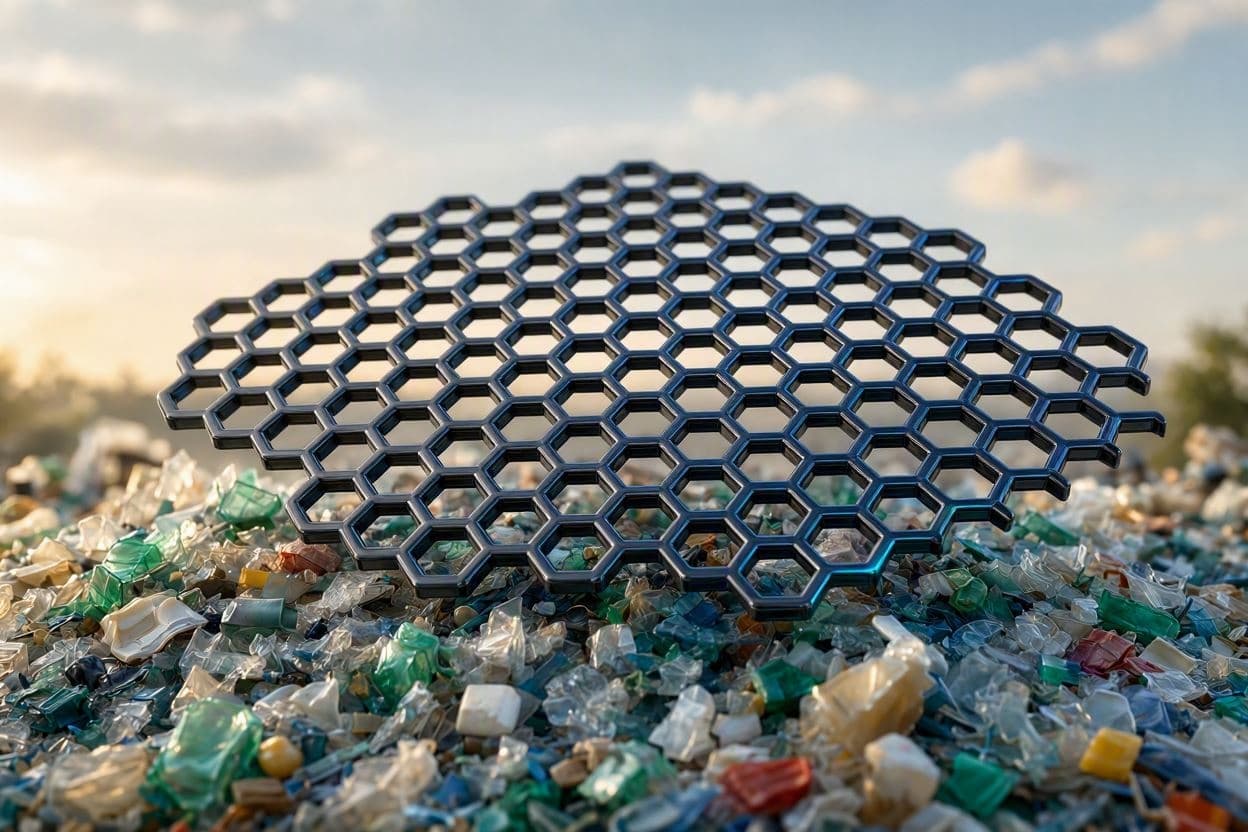
Graphene, a single layer of carbon atoms arranged in a hexagonal lattice, has long been hailed as a miracle material. Its strength, conductivity, and flexibility promise revolutions in electronics, energy, and materials science. Yet, producing it has traditionally required high temperatures and significant energy, limiting its sustainability. Now, a breakthrough in low-temperature graphene growth offers a new path, one that aligns with the principles of resource recycling and environmental care. This advancement invites reflection on how innovation can harmonize technological progress with ecological responsibility.
The new method allows graphene to be synthesized at much lower temperatures than conventional techniques. This reduction in thermal energy demand makes the process more compatible with sensitive substrates, such as plastics and flexible electronics, which cannot withstand extreme heat. It opens up new applications for graphene in everyday devices, making it more versatile and accessible.
Crucially, the low-temperature process facilitates the use of recycled carbon sources. Instead of relying on pure, virgin graphite, researchers can utilize carbon derived from waste materials, such as plastic pyrolysis oil or biomass. This integration of recycling into the production chain transforms waste into a valuable resource, closing the loop in the material lifecycle. It is a step toward a circular economy for advanced materials.
The environmental benefits are significant. Lower energy consumption reduces the carbon footprint of graphene production, addressing one of the main criticisms of nanomaterial manufacturing. By making the process greener, it becomes more sustainable and scalable. This alignment with climate goals enhances the appeal of graphene for industries seeking to reduce their environmental impact.
For the electronics industry, this development means cheaper and more sustainable components. Flexible screens, wearable sensors, and efficient batteries can now be produced with less energy and fewer raw materials. It democratizes access to high-performance materials, fostering innovation in consumer goods and industrial applications. The barrier to entry is lowered, encouraging broader adoption.
Researchers emphasize that quality is not compromised by the lower temperature. The resulting graphene maintains its exceptional properties, ensuring that performance remains high. This balance between efficiency and efficacy is key to the method’s success. It proves that sustainability does not require sacrifice, but rather smart engineering.
The technique also supports the development of green technologies. Graphene is essential for next-generation solar cells and supercapacitors, which are critical for renewable energy storage. By making graphene production itself more sustainable, the entire value chain of clean technology becomes more robust. It reinforces the foundation of a low-carbon future.
As the method moves from the lab to industry, collaboration between chemists, engineers, and recyclers will be vital. Scaling up requires optimizing the supply of recycled carbon and integrating the process into existing manufacturing lines. It is a collective effort to redefine how we create and use materials.
This breakthrough serves as a reminder that technology can be both powerful and gentle. By lowering the temperature, we raise the potential for a sustainable future. It is a small change in process with a large impact on principle.
Low-temperature graphene growth enables the use of recycled carbon sources, paving the way for sustainable resource recycling in advanced material production. This innovation reduces energy consumption and supports the development of eco-friendly electronics and green technologies.
AI Image Disclaimer: The visual elements accompanying this article are AI-generated interpretations designed to symbolize graphene structure, recycling, and sustainable technology, using abstract and modern imagery.
Sources: Advanced Materials Journal MIT Technology Review Green Chemistry Publications
Published by Banx Network. This article is part of the Banx decentralized media programme, powered by the BXE token on the XRP Ledger.