Museums are often viewed as timeless repositories of history, places where the past is preserved for future generations to explore and learn. They stand as pillars of education and curiosity, inviting visitors to marvel at the natural world and scientific discovery. However, even institutions with deep roots face the changing tides of economic reality and institutional strategy. The announcement that the Academy of Natural Sciences of Drexel University will close its public museum doors on September 30 marks the end of an era, prompting reflection on the evolving role of such establishments in modern society.
The decision to close the museum stems from a combination of financial pressures and a strategic shift in focus for the Academy. While the public-facing exhibits will cease operations, the institution’s core mission of scientific research and collection preservation will continue. This distinction is crucial, as it highlights the difference between public engagement and the underlying academic work that supports it. The closure is not a dissolution of the Academy but a restructuring of its resources.
For decades, the museum has served as a beloved educational resource for students, families, and tourists. Its dioramas and specimens have sparked countless imaginations, fostering a love for science and nature. The impending closure brings a sense of loss for many in the Philadelphia community, who have cherished the museum as a cultural landmark. It is a reminder of how deeply institutions can embed themselves in the local identity.
Financial sustainability has become a significant challenge for many mid-sized museums, particularly those affiliated with universities. Rising operational costs, coupled with fluctuating attendance and funding models, have forced difficult decisions. The Academy’s choice reflects a broader trend where institutions must prioritize their core competencies, often at the expense of public accessibility. This reality invites a conversation about how society values and supports scientific education.
Despite the closure, the Academy’s vast collections will remain intact and accessible to researchers. These specimens hold invaluable data for studying biodiversity, climate change, and evolutionary biology. By focusing on research, the Academy aims to contribute to global scientific knowledge, ensuring that its legacy continues in a different form. The transition is a pivot from public display to academic contribution.
Community leaders and educators are exploring ways to preserve the educational impact of the museum. Partnerships with other local institutions may help keep the spirit of inquiry alive, offering alternative venues for hands-on learning. The closure encourages innovation in how science is communicated to the public, potentially leading to new models of engagement that are more sustainable in the long term.
The final weeks before September 30 offer an opportunity for the public to revisit the museum, saying goodbye to familiar exhibits and celebrating its contributions. These visits are acts of remembrance, acknowledging the role the museum played in shaping scientific interest in the region. It is a time for gratitude and reflection on the memories created within its walls.
As the date approaches, the Academy remains committed to a smooth transition, ensuring that staff are supported and collections are properly maintained. The closure is handled with care and respect for the institution’s history and its stakeholders. It is a difficult but necessary step in adapting to the contemporary landscape of higher education and museum management.
The closure of the Academy of Natural Sciences museum on September 30 marks a significant change for the Philadelphia community. While the public exhibits will end, the Academy’s commitment to scientific research and preservation continues. This transition highlights the challenges facing cultural institutions and the need for adaptive strategies in education and outreach.
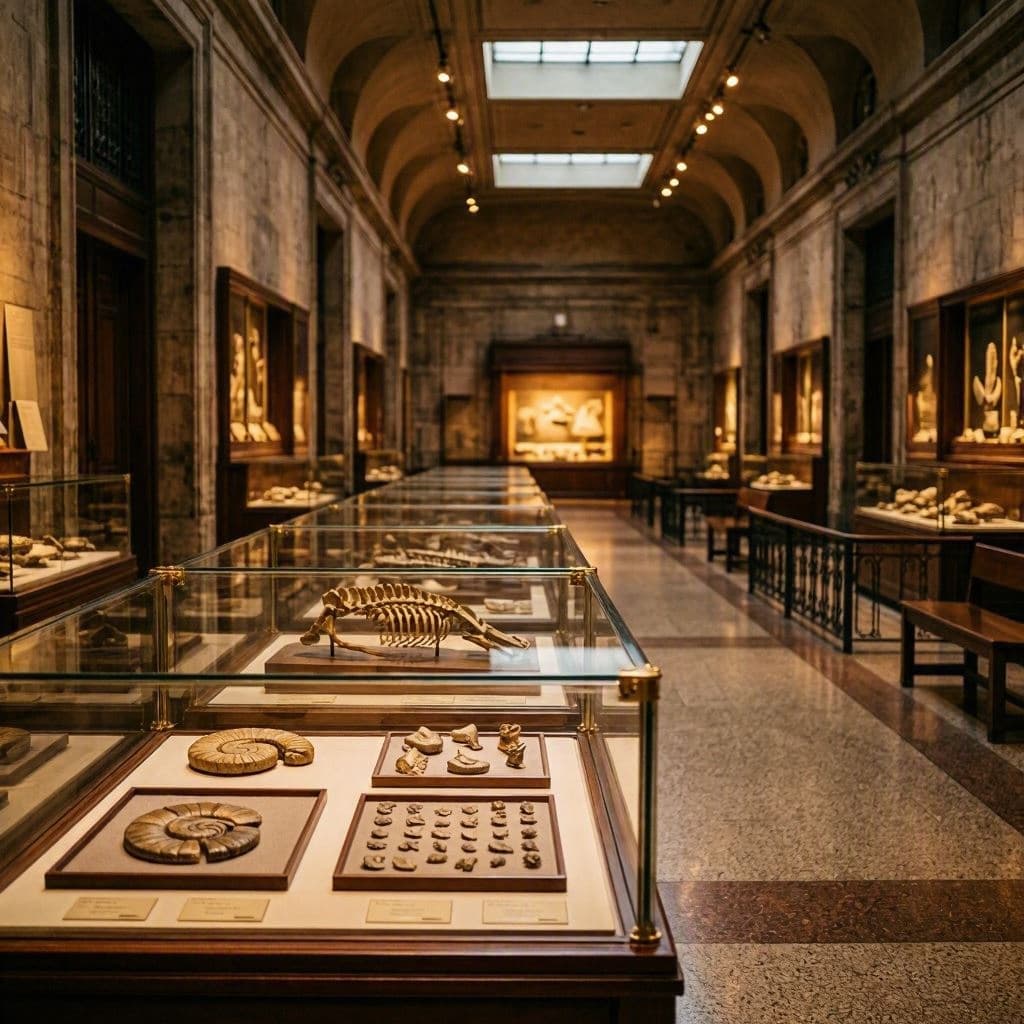
AI Image Disclaimer: The images associated with this article are AI-generated visualizations intended to evoke the atmosphere of a natural history museum, using respectful and nostalgic imagery.
Sources: The Philadelphia Inquirer Drexel University News Billy Penn
Published by Banx Network. This article is part of the Banx decentralized media programme, powered by the BXE token on the XRP Ledger.