A Light from the Beginning: NASA Detects a Supernova Born Near the Dawn of Time
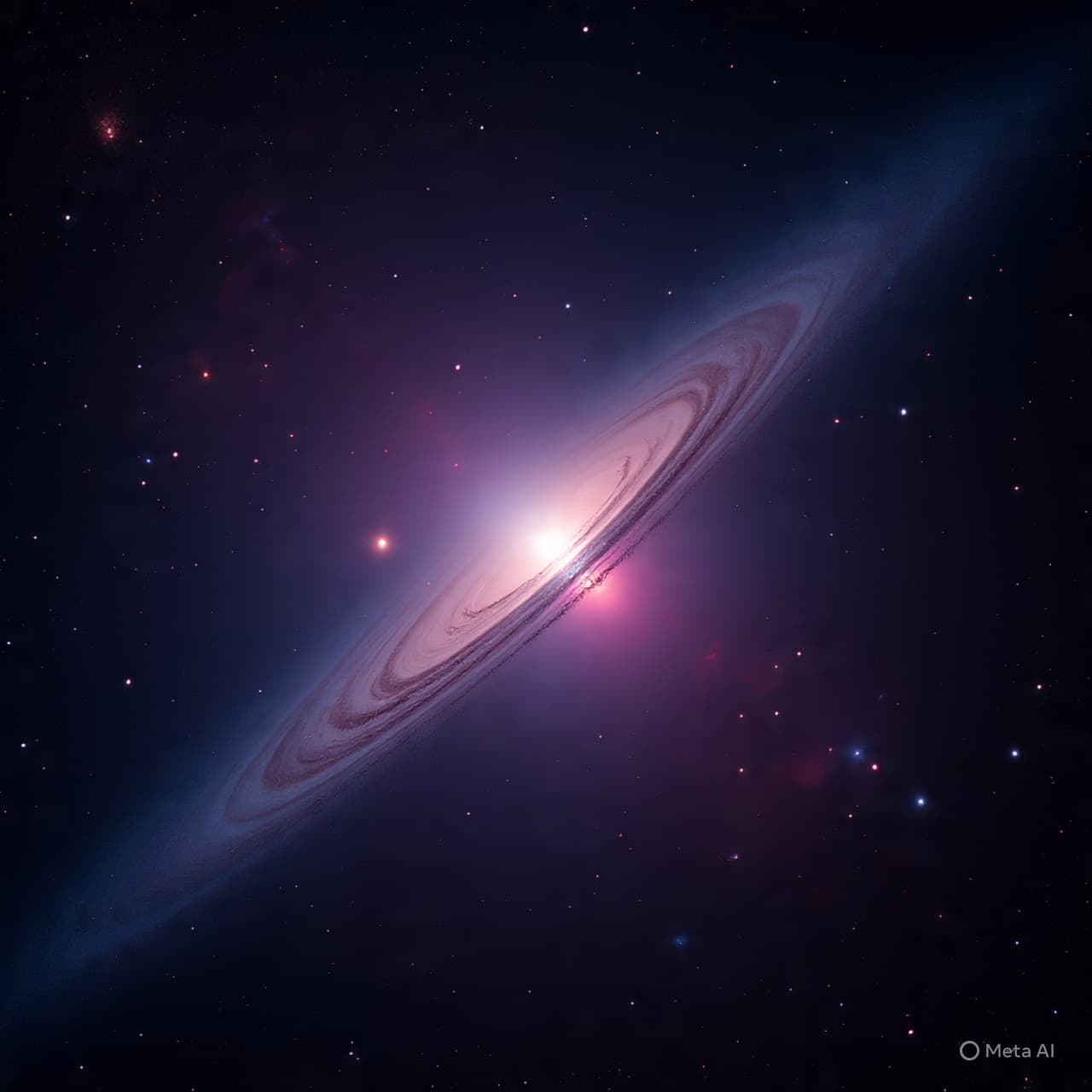
NASA has detected one of the most distant supernovae ever observed, offering rare insight into the universe’s earliest stars and the origins of cosmic structure.

NASA has detected one of the most distant supernovae ever observed, offering rare insight into the universe’s earliest stars and the origins of cosmic structure.

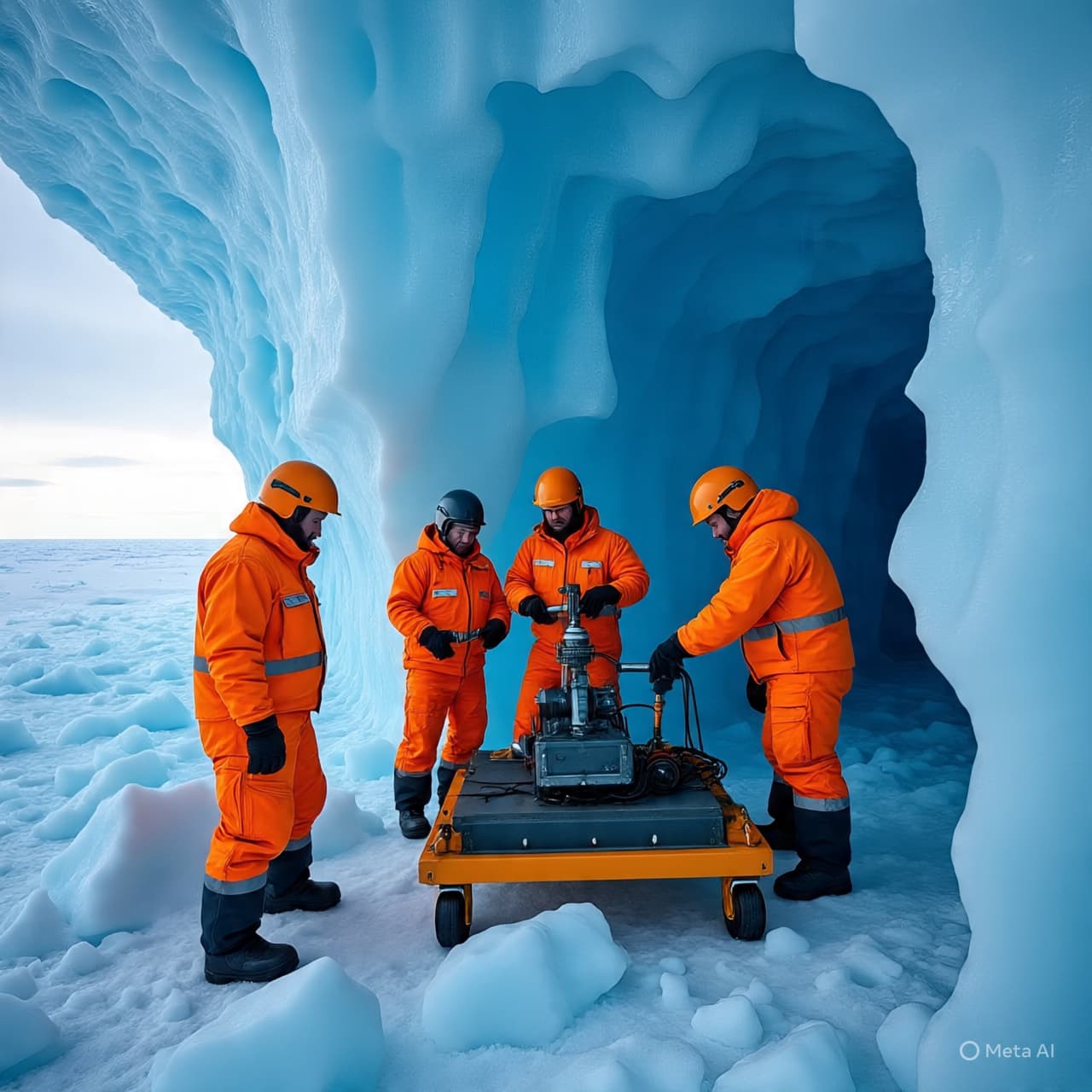
A groundbreaking Antarctic expedition uncovered signs of warming and hidden change beneath the ice, raising new concerns about the stability of Earth’s most fragile continent.

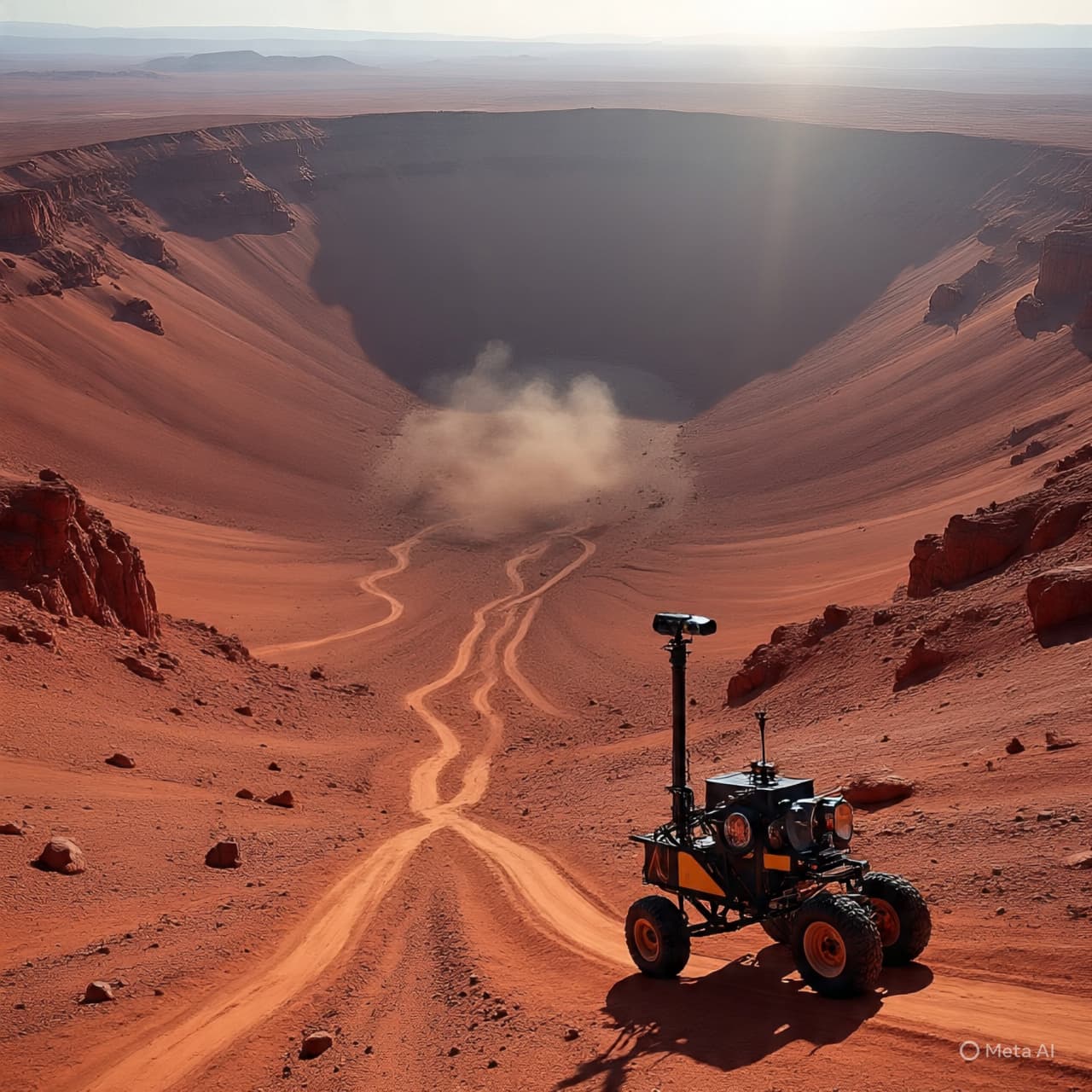
In 2025, Mars exploration yielded its best evidence yet — rocks with potential biosignatures suggesting ancient habitable conditions — but none definitively prove past life.

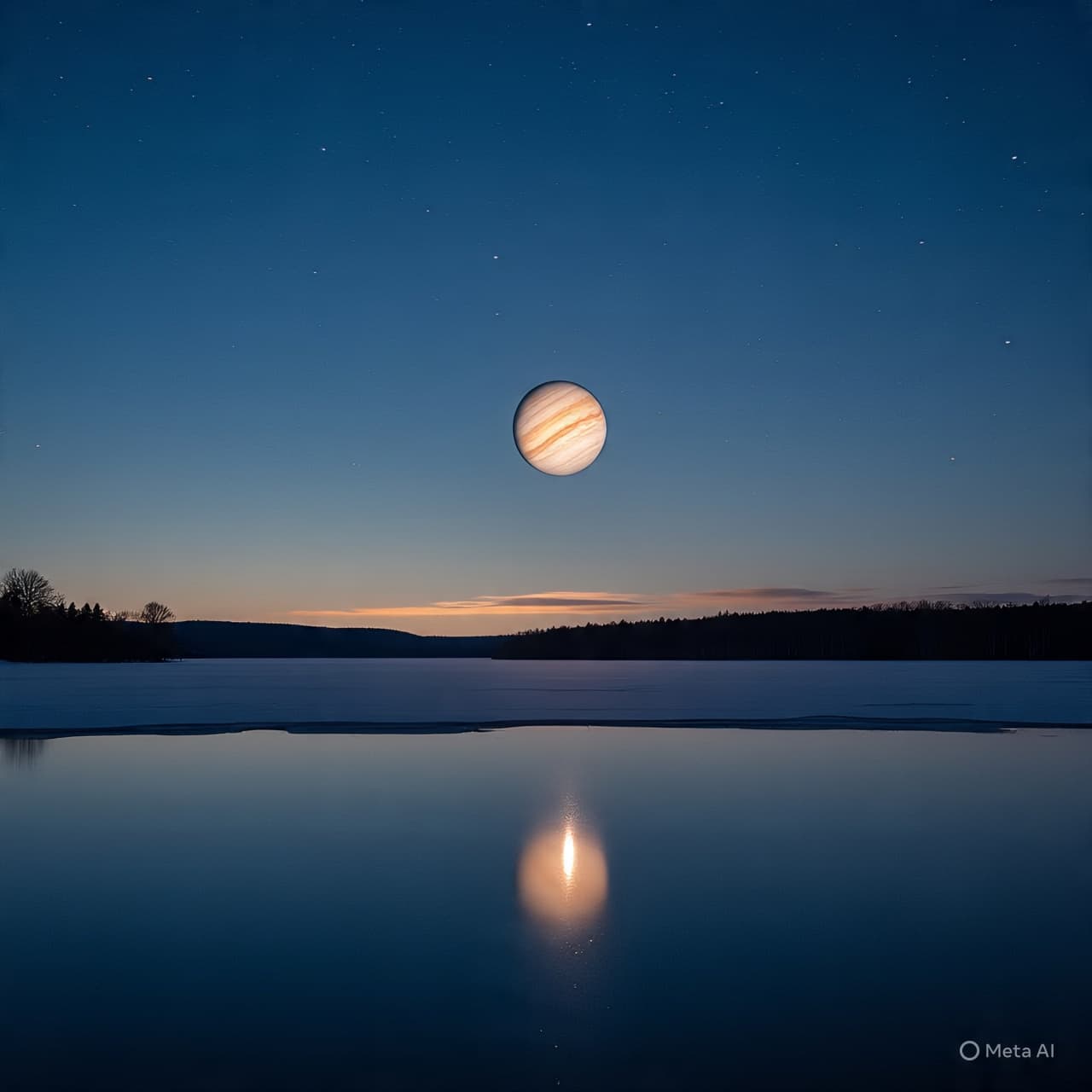
Late December skies offer calm stargazing, with bright planets, a fading Moon, and long winter nights setting the stage for quiet celestial beauty.

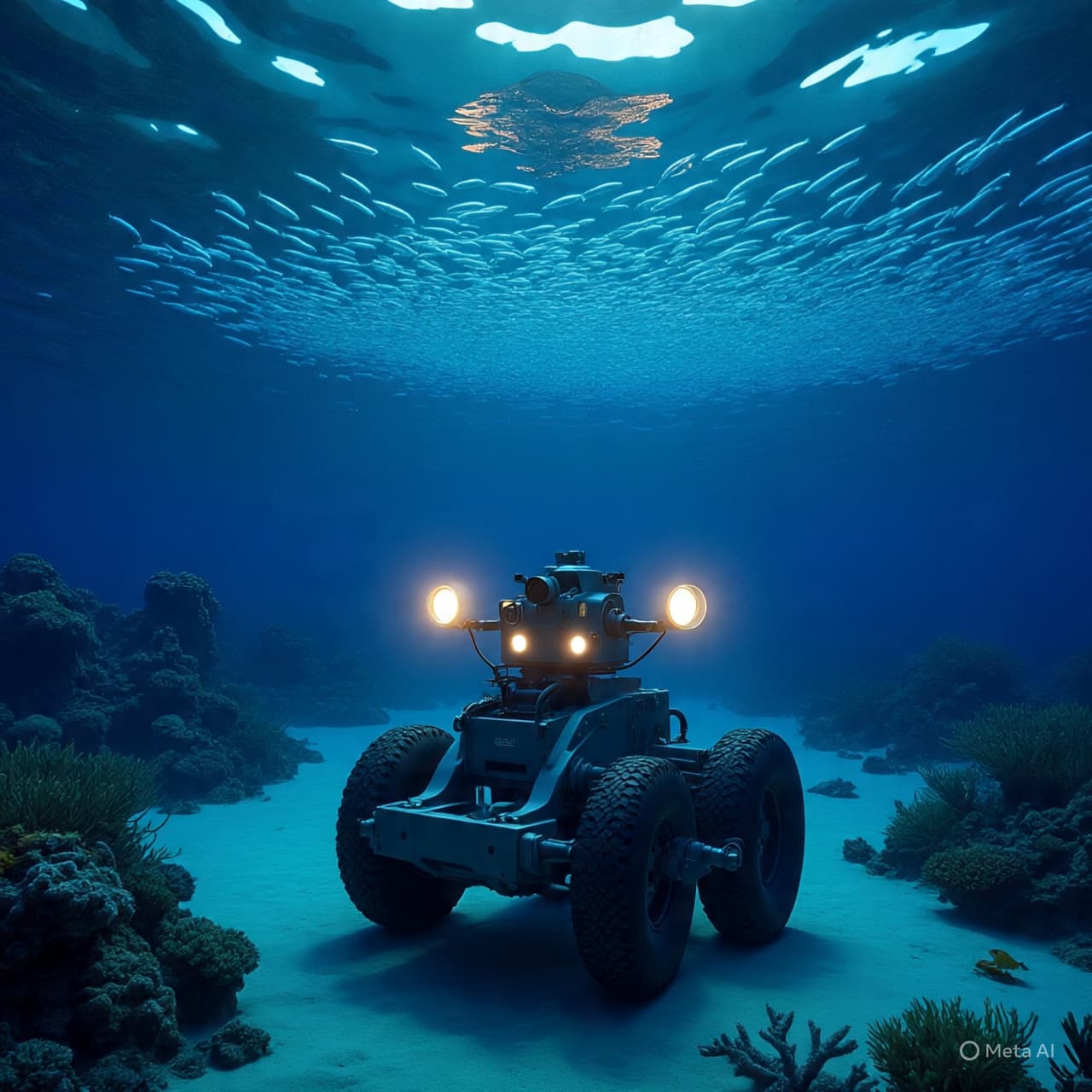
An autonomous submarine mapped surprising under-ice features in Antarctica’s Dotson Ice Shelf, then lost contact. Scientists consider its data and absence while preparing its successor.

Improved cloud chamber designs make subatomic particles easier to see, boosting clarity and accessibility while helping students directly observe fundamental physics in action.

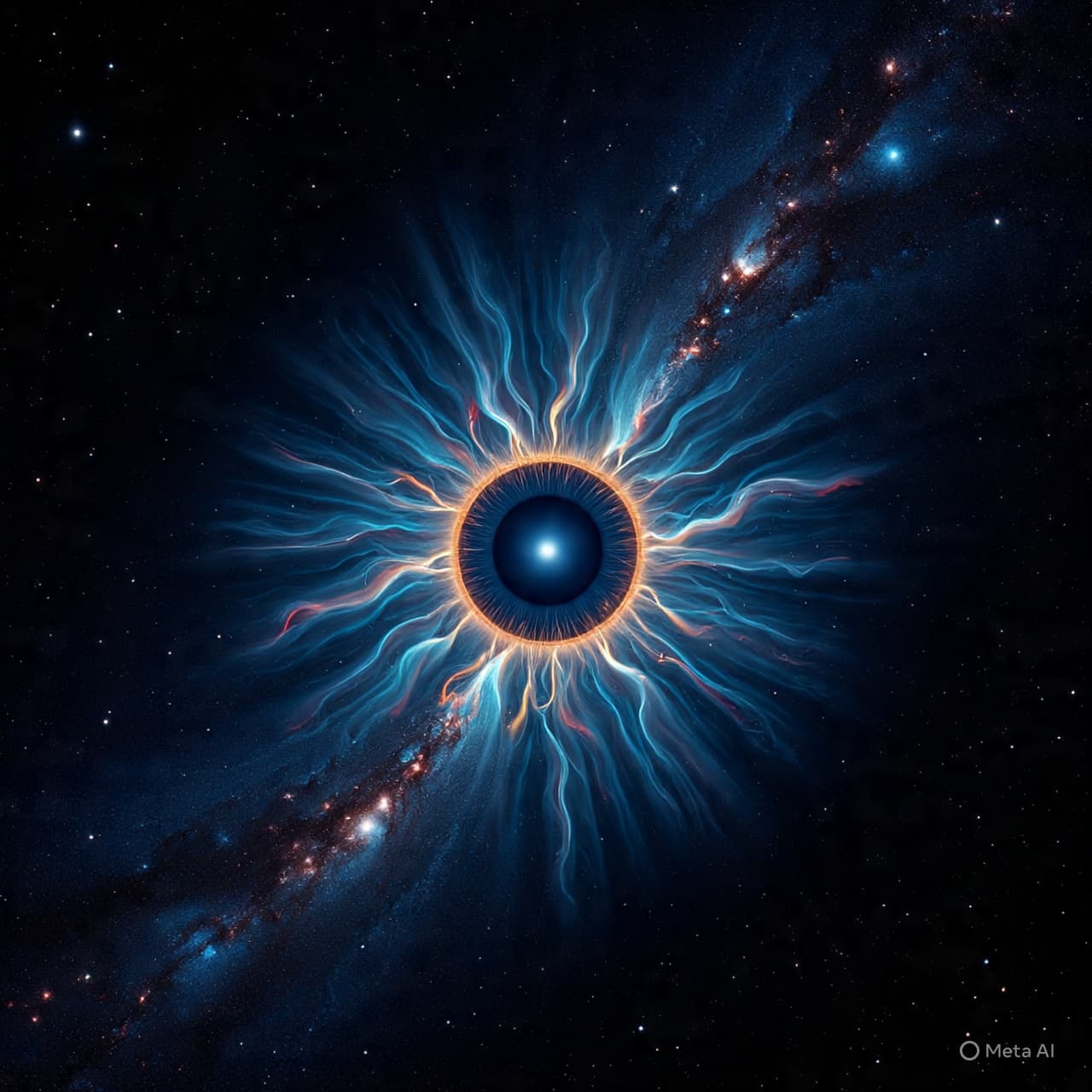
Scientists observed an unprecedented event around a nearby star known as the “Eye of Sauron,” challenging assumptions about stellar behavior just 25 light-years from Earth.

Scientists say mysterious blue flashes in space come from stars being torn apart by black holes, offering rare insight into extreme gravity and the physics of cosmic destruction.

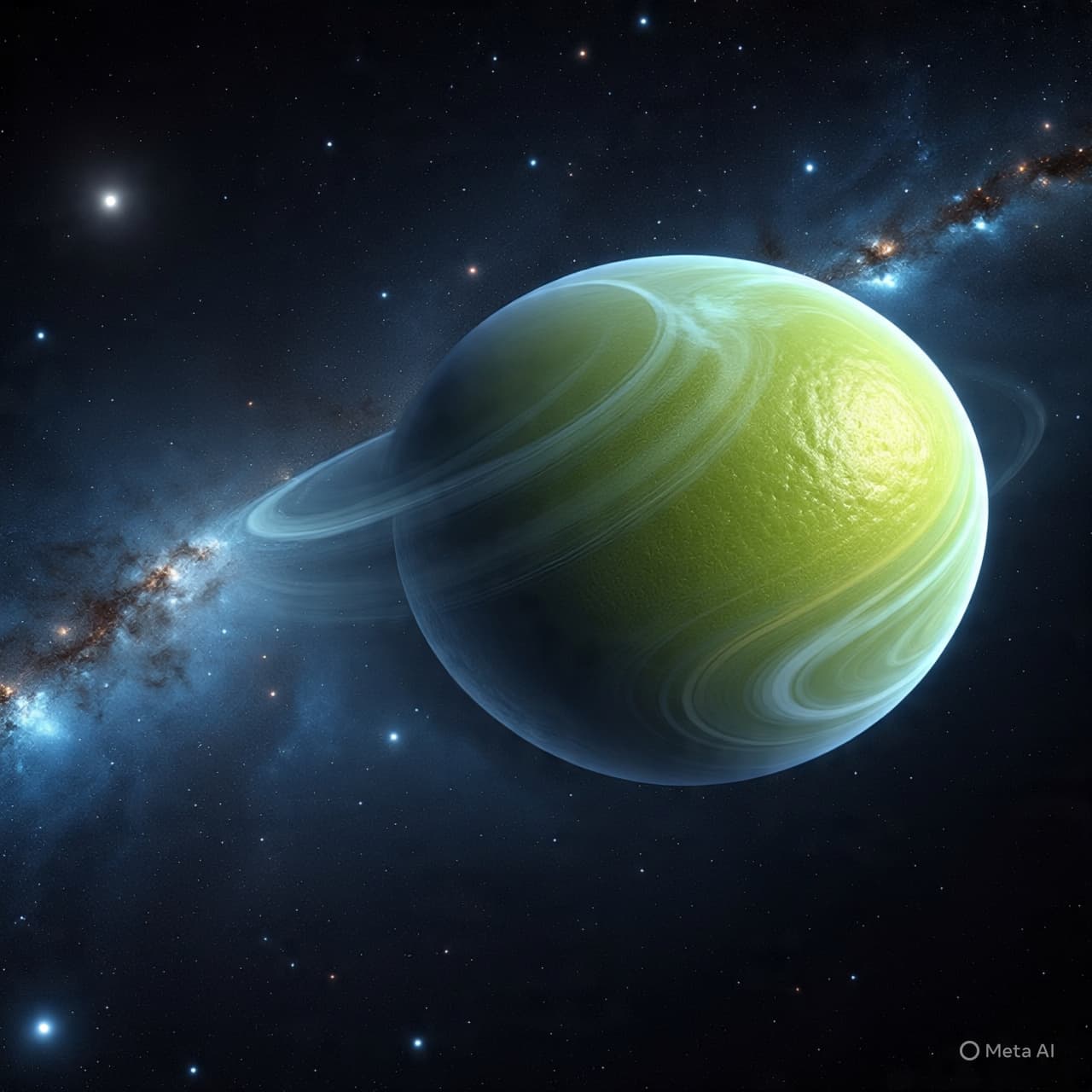
James Webb found a lemon-shaped exoplanet with soot clouds and possible diamond rain, orbiting a pulsar and challenging known atmospheric and planetary formation theories.

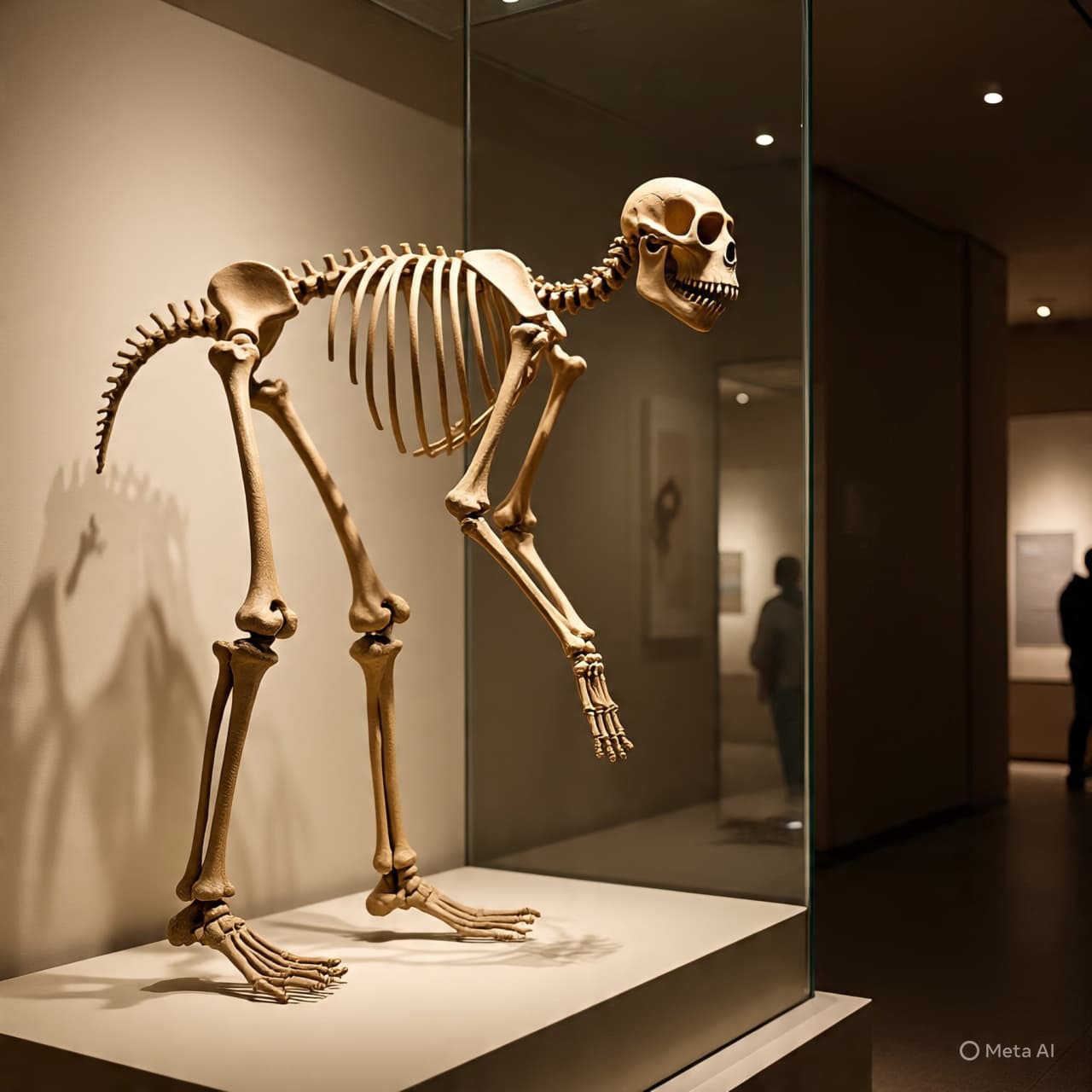
New scientific analysis suggests Lucy’s species may not be a direct human ancestor, prompting debate over how complex and branching human evolution truly was.

Scientists warn Antarctica is undergoing abrupt, interconnected climate changes from ice loss to ecosystem shifts with potentially irreversible global impacts unless urgent action is taken.

Scarcity, climate change, and outdated agreements have turned the Colorado River into a political battleground, exposing the limits of cooperation in an era of declining water.

India plans a district-wise framework to demarcate mining areas in the Aravalli Range, aiming to curb illegal extraction while balancing development and environmental protection.

Scientists mapped over 140,000 DNA loops in human cells, unveiling 3D genome folding that influences gene regulation and sets the stage for predicting effects of genetic variation.

Scientists say they have identified 20 new species deep in the Pacific Ocean, highlighting the richness and fragility of ecosystems far below the surface.

Scientists exploring the Pacific’s mesopelagic “twilight zone” have found at least 20 new species, revealing rich, unseen life forms in deep coral reef habitats.

Archaeologists in Buckingham have uncovered at least 73 skeletons at a medieval burial ground believed to be an execution site, with many skeletons found bound and showing signs of hardship.

A new study finds Patagonian pumas that began feeding on penguins are now showing unexpected behavioral changes, highlighting how predator adaptation can reshape ecosystems.

Genetic analysis of 3,700-year-old remains in Italy has revealed the oldest known evidence of a father-daughter incest relationship in the archaeological record.

Microscopic parasites found at Hadrian’s Wall reveal that Roman soldiers frequently suffered from diarrhea and stomach illnesses while stationed on the empire’s northern frontier.

Some Pompeii victims wore wool cloaks during the eruption, puzzling archaeologists and fueling debate over weather, timing, and survival choices in the city’s final hours.

A 1,300-year-old medallion decorated with menorahs was found near Jerusalem’s Temple Mount, offering new insight into Jewish life during a period of transition.

Archaeologists have found evidence that Nubians tattooed toddlers 1,400 years ago, raising new questions about identity, belief, and childhood in the ancient Nile region.

Scientists have traced the origins of a spider-like formation on a moon of Jupiter, revealing it as a product of extreme volcanism rather than anything living.