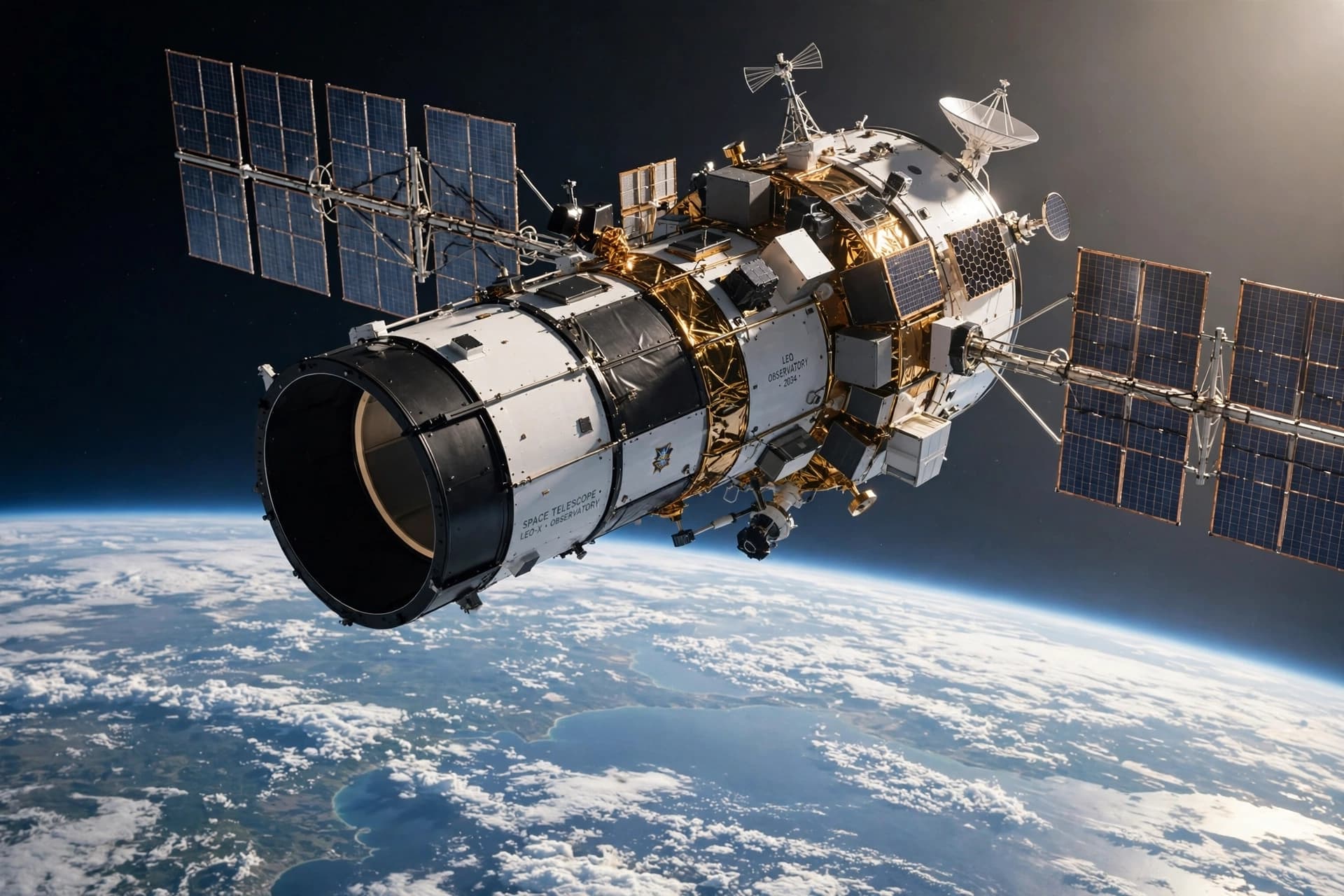
Not long ago, astronomers trained the James Webb Space Telescope toward a star system 750 light-years away, not quite expecting to find a world that seems to rewrite the rules of planetary chemistry. In the quiet depths of space, where light and time seem to blur into the background, this distant planet offered a surprise so strange that scientists’ first response was simply, “What the heck is this?”
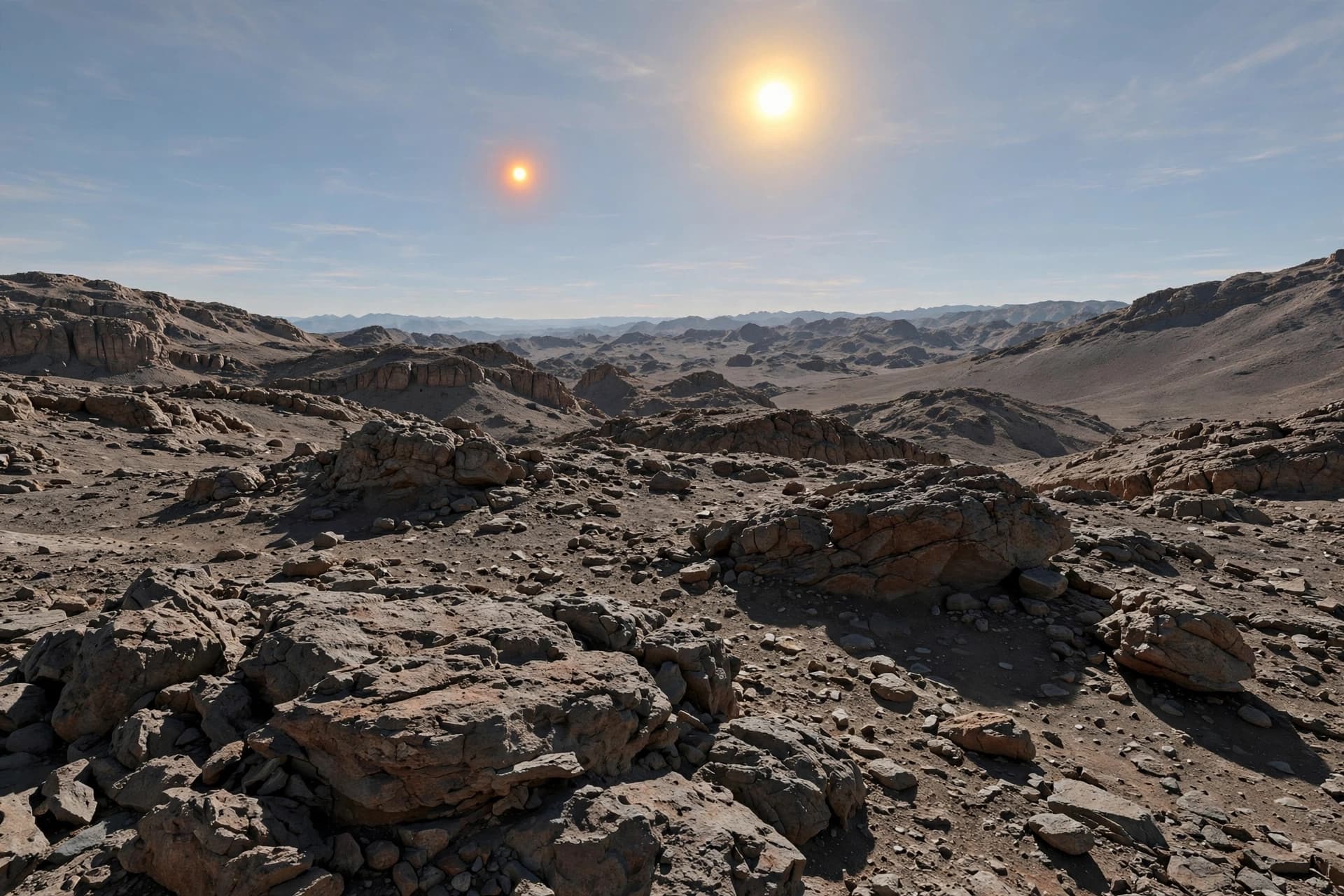
This exoplanet, known by the poetic designation PSR J2322-2650b, orbits not a sunlike star but a pulsar the extraordinarily dense, rapidly spinning core left behind after a star’s explosive death. The planet’s environment is unlike anything in our own solar neighborhood: squeezed by tidal forces into a shape reminiscent of a lemon, it endures searing temperatures on its dayside and lesser but still extreme heat on its nightside.
Webb’s observations revealed an atmosphere dominated by helium and carbon molecules especially forms of carbon that, under such intense conditions, can condense into soot near the upper layers and possibly crystallize into diamonds deeper within. Such chemistry is unheard of in planetary atmospheres familiar from Earth or even from other exoplanets studied so far, which more commonly show water vapor, methane, or carbon dioxide.
In the poetic turns of physics and chemistry on this alien world, carbon appears everywhere, yet oxygen and nitrogen the backbone of life’s familiar air are conspicuously absent. As the planet races around its pulsar in a tight seven-to-eight-hour orbit, its composition muddles scientists’ classification schemes and formation theories, leaving many questions unanswered.
Just as a river reshapes the valleys it crosses, so too has this discovery reshaped the landscape of what astronomers consider possible in the universe. The idea that atmospheric carbon could condense into diamond rain or that a world orbiting a dead star could hold such mysteries stretches our imagination beyond the familiar.
Yet, despite its eccentricities, PSR J2322-2650b gently reminds us that discovery at its best is less about closure and more about opening new questions. Each dataset from Webb does not merely add to a ledger of facts; it invites us to sit with wonder and recalibrate what we think we know about planets, atmospheres, and the grand diversity of worlds beyond our own.
AI Image Disclaimer (Rotated Wording) “Visuals are created with AI tools and are not real photographs.”
sources found on this topic:
Live Science (space news site) — covers the James Webb discovery. NASA Science (official NASA reporting) — confirms Webb observation and scientific context. Astronomy Magazine (specialized astronomical publication) — discusses the strange exoplanet. The Debrief (science news analysis) — reports on the unusually composed atmosphere. ZME Science (science news site) — highlights carbon/diamond-related atmospheric traits.
Published by Banx Network. This article is part of the Banx decentralized media programme, powered by the BXE token on the XRP Ledger.