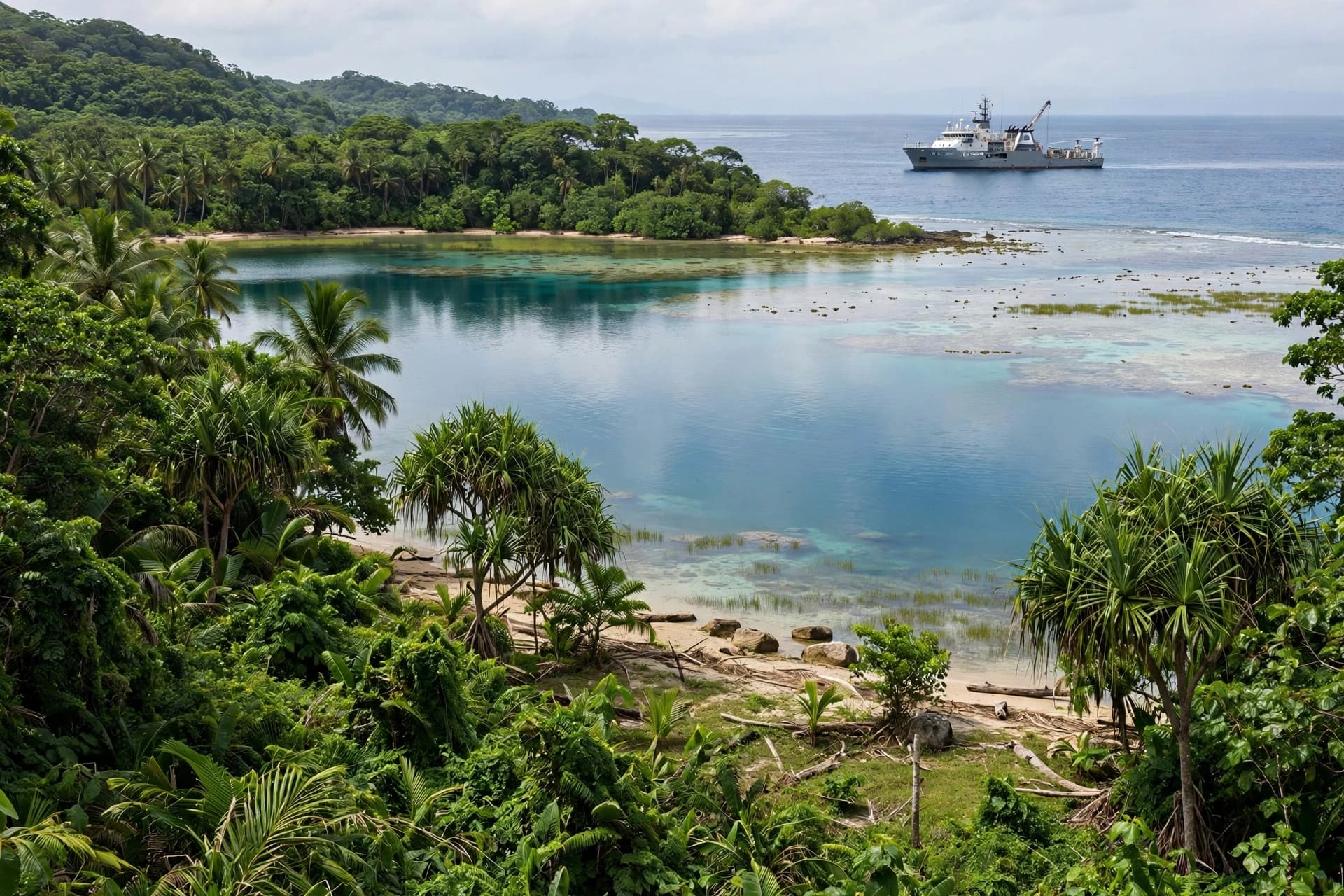
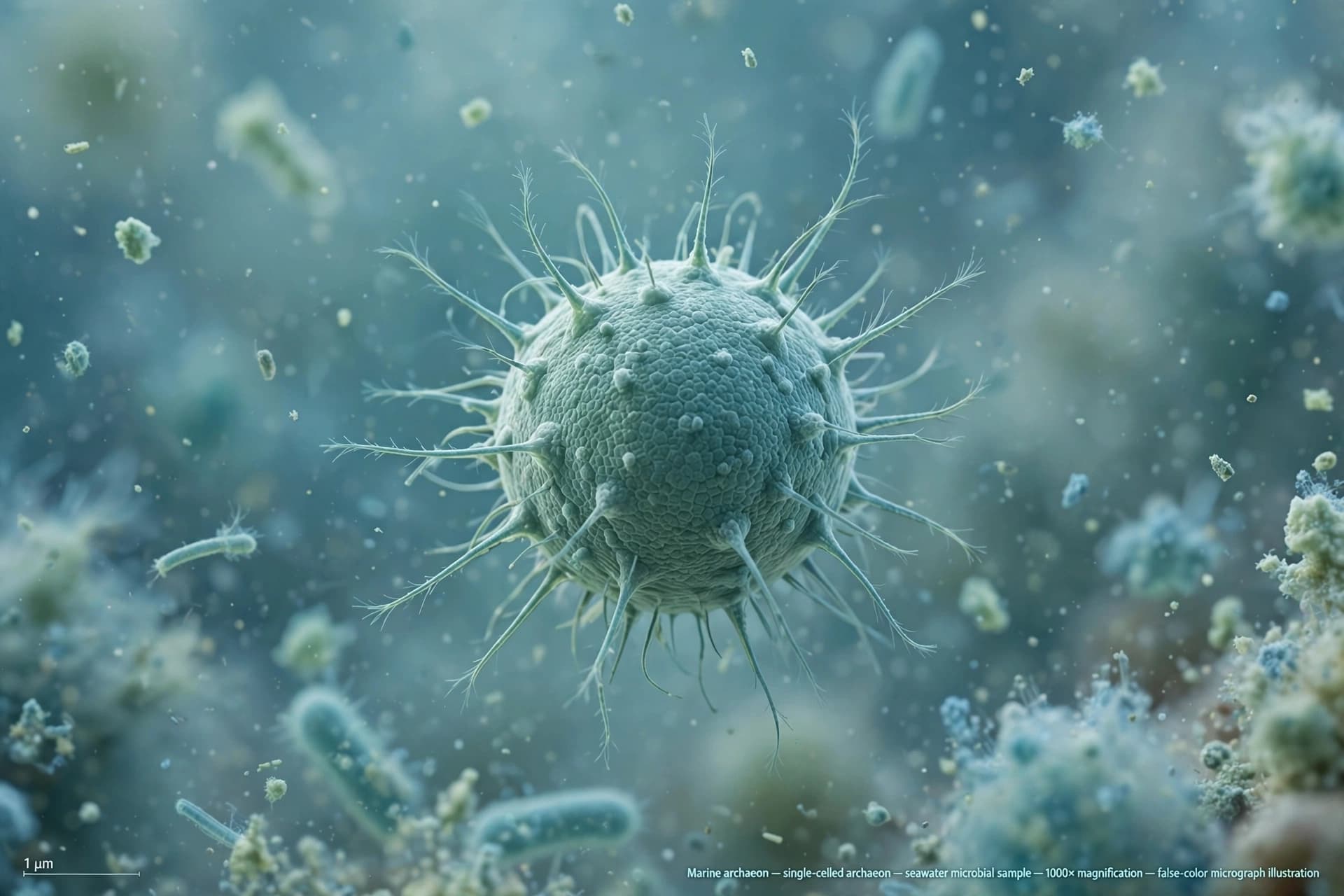
Far below the reach of sunlight, where pressure reshapes matter and silence feels permanent, life continues in forms rarely seen and scarcely imagined. The deep Pacific Ocean, long treated as a blank space on human maps, has once again offered a reminder that absence of visibility does not mean absence of life. Scientists now say that exploration of these depths has revealed a quiet expansion of the known world.
Researchers announced the discovery of 20 previously unknown species living deep in the Pacific Ocean, identified during recent expeditions using remotely operated vehicles and deep-sea submersibles. The species include a range of marine life adapted to extreme darkness, cold temperatures, and immense pressure. According to scientists involved, many of the organisms display physical traits unlike those found in shallower waters.
The discoveries were made thousands of meters below the surface, in regions that remain among the least explored on Earth. Advances in deep-sea technology allowed researchers to observe, sample, and document fragile organisms without destroying their habitats. High-resolution imaging and robotic tools played a central role in confirming the species as new to science.
Scientists noted that many of the newly identified species appear highly specialized, reflecting long evolutionary isolation. Some exhibit translucent bodies, unusual limb structures, or feeding mechanisms adapted to scarce resources. These features offer insight into how life persists under conditions once thought nearly uninhabitable.
Beyond their biological novelty, the findings carry broader implications. Researchers emphasized that deep-sea ecosystems remain poorly understood, even as interest in seabed mining and resource extraction grows. Each new discovery reinforces concerns that human activity could disrupt environments before they are fully documented.
The discoveries also contribute to ongoing efforts to map biodiversity in the deep ocean. Scientists argue that understanding species distribution and ecological relationships is essential for informed conservation decisions. In this sense, exploration becomes not only a scientific pursuit, but a form of environmental record-keeping.
Despite the excitement surrounding the findings, researchers have been careful to frame their conclusions modestly. The identification process is ongoing, with further genetic analysis and peer review still underway. What has emerged so far, they say, is not a complete picture, but a glimpse into a biological frontier that remains largely intact.
As exploration continues, the deep Pacific stands as a reminder of how much of the planet remains unknown. The newly discovered species do not alter daily life at the surface, yet they quietly expand humanity’s understanding of Earth’s complexity. In the measured language of science, the discovery adds detail rather than drama, filling in small but meaningful spaces on the map of life.
Published by Banx Network. This article is part of the Banx decentralized media programme, powered by the BXE token on the XRP Ledger.