
Key Highlights
- Timeframe:December 26 to January 4 offers prime stargazing opportunities.
- Celestial Bodies:Jupiter, Saturn, and Mars are prominent in the night sky.
- Observational Tips:Ideal conditions for viewing faint stars and deep-sky objects.
As the year turns its final pages, the night sky settles into a quieter rhythm. The spectacle of major meteor showers and dramatic eclipses gives way to subtler pleasures—gentler alignments, steady planetary presences, and long winter nights that invite unhurried observation. From December 26 through January 4, the heavens offer a calm but rewarding stretch for skywatchers willing to look closely.
The Moon plays the leading role this week, transitioning from its post-holiday phases toward a new cycle. Early evenings open with a waning Moon that rises later each night, gradually giving darker skies to observers. This creates favorable conditions for viewing faint stars and deep-sky objects as the week progresses. By the time the Moon reaches its new phase, the sky becomes especially cooperative, offering long stretches of darkness ideal for stargazing.
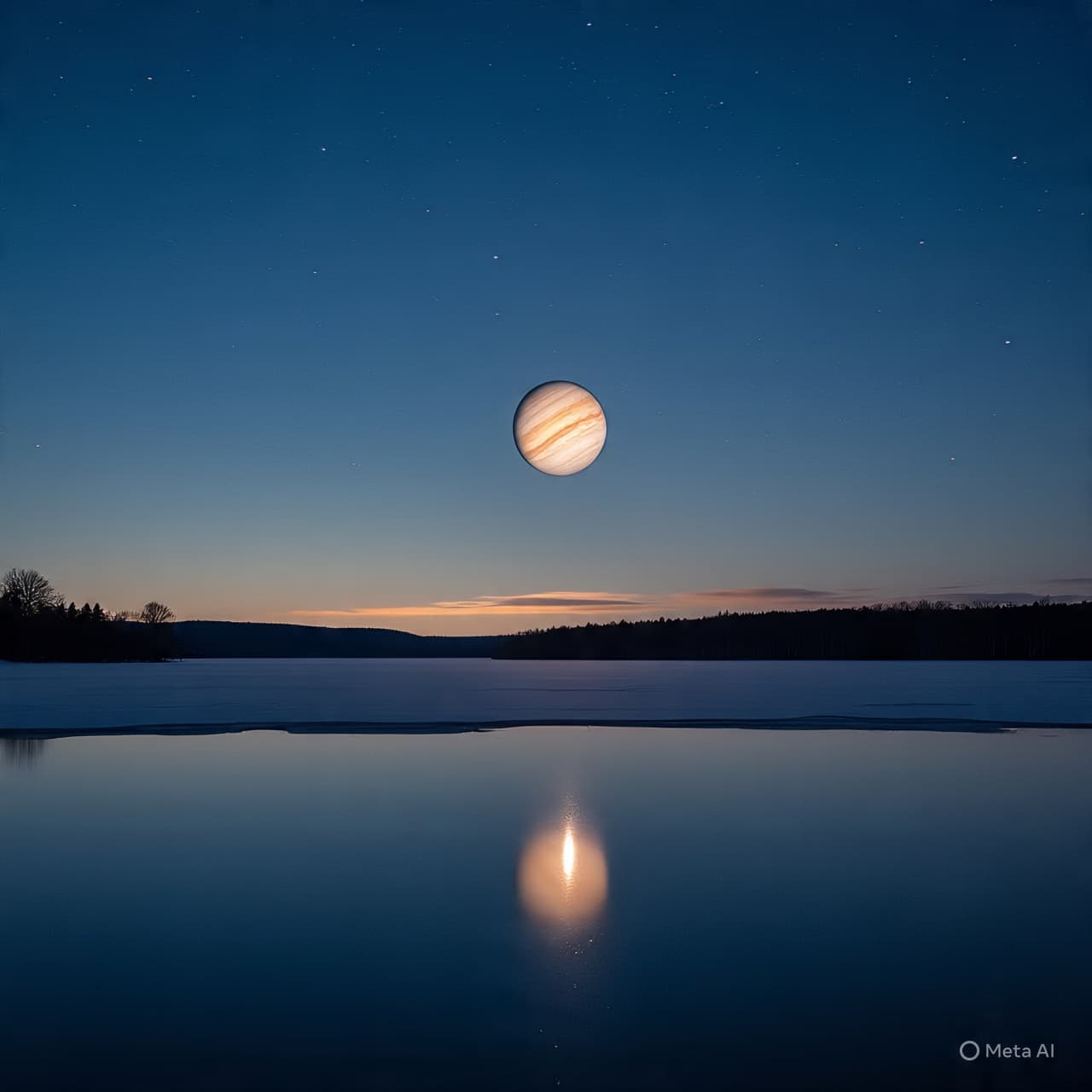
Jupiter continues to dominate the evening sky, shining brilliantly high in the south after sunset. Its steady presence makes it easy to spot even from light-polluted areas. With modest binoculars or a small telescope, its four largest moons remain visible, performing their slow, clockwork dance around the giant planet. For many observers, these shifting points of light remain one of the most satisfying sights in amateur astronomy.
Saturn follows not far behind, lower in the sky and growing closer to the horizon as the nights pass. Though its rings are beginning to present a slimmer profile, the planet remains a rewarding target, especially shortly after dusk. Catching it earlier in the evening is key, before it sinks into the haze of the horizon.
Mars, meanwhile, grows brighter as it continues its steady approach toward opposition in the months ahead. Its distinctive reddish glow makes it easy to pick out among surrounding stars, and patient observers may notice subtle changes in brightness from night to night.
For those willing to venture out before dawn, the predawn sky offers a quieter spectacle. The Milky Way arches faintly overhead, and winter constellations—Orion, Taurus, and Gemini—dominate the southern sky. It’s a season that rewards stillness rather than spectacle, offering a reminder that astronomy is as much about patience as it is about drama.
As the calendar turns, the sky reflects the same sense of transition. Nothing explodes or flares dramatically, yet everything slowly shifts. It is a fitting celestial backdrop for the end of one year and the beginning of another—steady, timeless, and quietly beautiful.
Published by Banx Network. This article is part of the Banx decentralized media programme, powered by the BXE token on the XRP Ledger.



