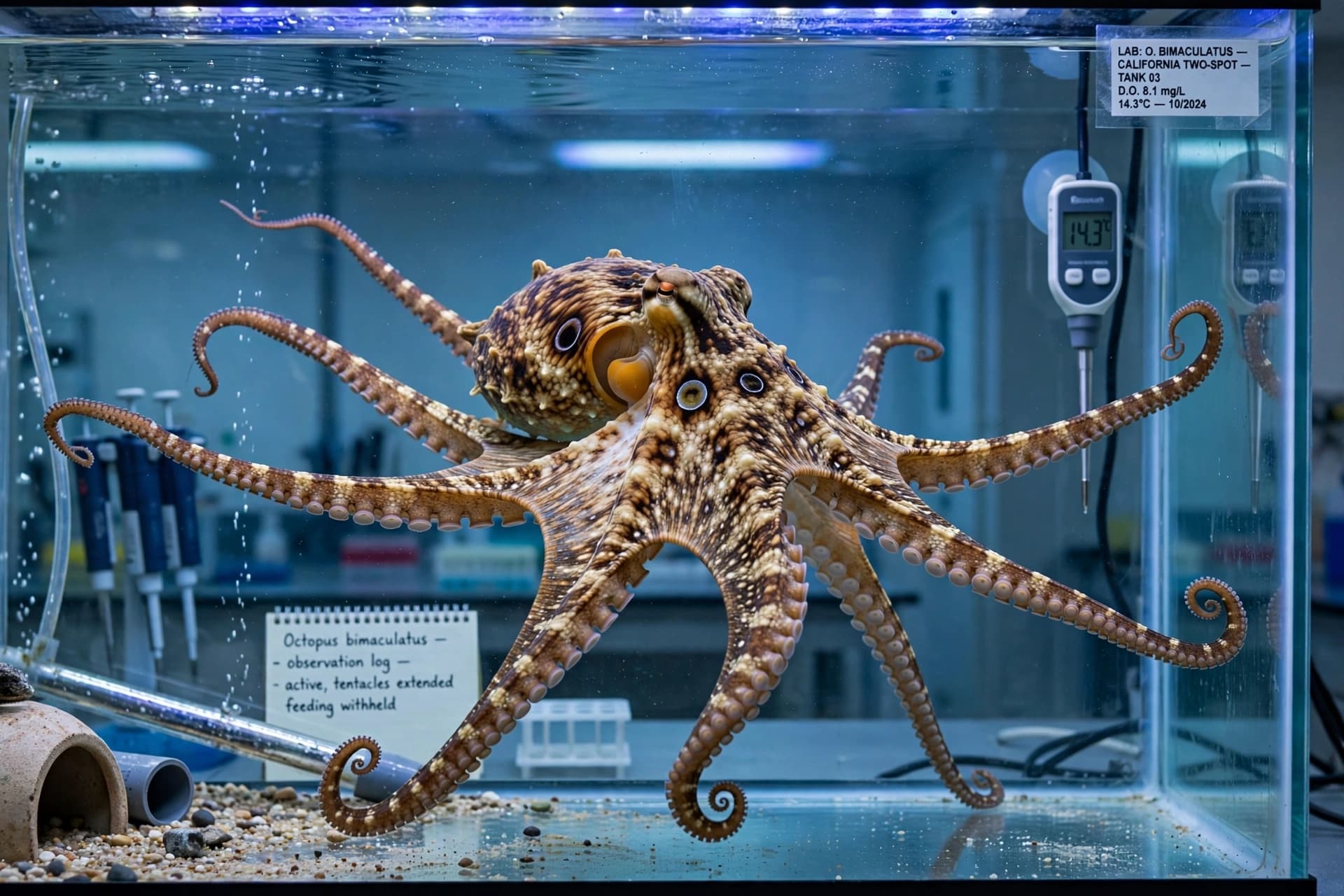
In the great hush of the Pacific Ocean’s deeper reaches, where sunlight thins to a memory and pressure rises like a quiet hymn, a team of scientists listened to the muted rhythm of life. It is here, in a zone between light and dark, that the ocean guards mysteries like pearls in a shell — unhurried, silent, unfolding only to those who descend with patient curiosity. The recent finding of at least twenty previously unknown species feels, to some, less like a headline and more like a quiet invitation — to marvel, gently, at the richness that dwells beyond our everyday sight.
In November, researchers deployed an array of autonomous reef monitoring structures — ARMS, as they are called — into the Pacific’s “twilight zone,” hundreds of feet beneath the surface. These devices, placed between 180 and 330 feet deep, are designed to sit quietly and wait, like listening posts in the deep. When scientists retrieved them after weeks at sea, they brought up thousands of specimens, including creatures never before documented. The tally included organisms that live in places where light barely penetrates and where life has adapted to pressure and shadow.
The discoveries are more than a list of names to be added to scientific catalogues. Many of these organisms carry their own stories of adaptation — a hermit crab found living in a clam shell, for example, or sponges that cling to surfaces with the devotion of barnacles to ship hulls. These strange and wonderful beings speak to the ingenuity of evolution in a world very different from ours, where conditions test the edges of possibility and creativity thrives in forms that seem to defy expectation.
Scientists emphasize that this is just the beginning of understanding what lives in these hidden waters. Genetic testing, which helps confirm whether a specimen truly represents a new species, may reveal that even more kinds of life await formal description. The group involved is planning further expeditions across other parts of the Pacific, retracing the dance between technology and wonder that makes such discoveries possible.
Yet perhaps the most poetic element of these findings is not purely scientific. It is the reminder that our planet still holds corners veiled in mystery, where nature writes narratives without human spectators. In an era when much of Earth feels mapped and named, these deep water revelations whisper of realms still unknown. They encourage a kind of humility and wonder that does not shout but lingers, like the gentle beat of some underwater emblem of life itself.
As these new species are studied and catalogued, they bring both questions and quiet reassurance: life in all its forms persists, adapts, and waits for those willing to look beyond familiar tides. This story does not demand urgency or alarm; rather it invites us to appreciate the patience of nature and the enduring beauty of discovery beneath the waves.
AI Image Disclaimer “Visuals are created with AI tools and are not real photographs.”
Sources NPR / KPBS Public Media WUSF OPB WGLT WLRN
Published by Banx Network. This article is part of the Banx decentralized media programme, powered by the BXE token on the XRP Ledger.