In the microscopic world of soil bacteria, a tiny molecular machine has been discovered that may offer a dual solution to two of modern society’s most persistent environmental challenges. Researchers at the University of Konstanz in Germany have identified a novel enzyme, whimsically nicknamed the "Pac-Man" enzyme due to its wide-open active site, capable of degrading both certain bioplastics and antibiotics. This finding bridges the gap between waste management and pharmaceutical pollution, offering a glimpse into a more sustainable future.
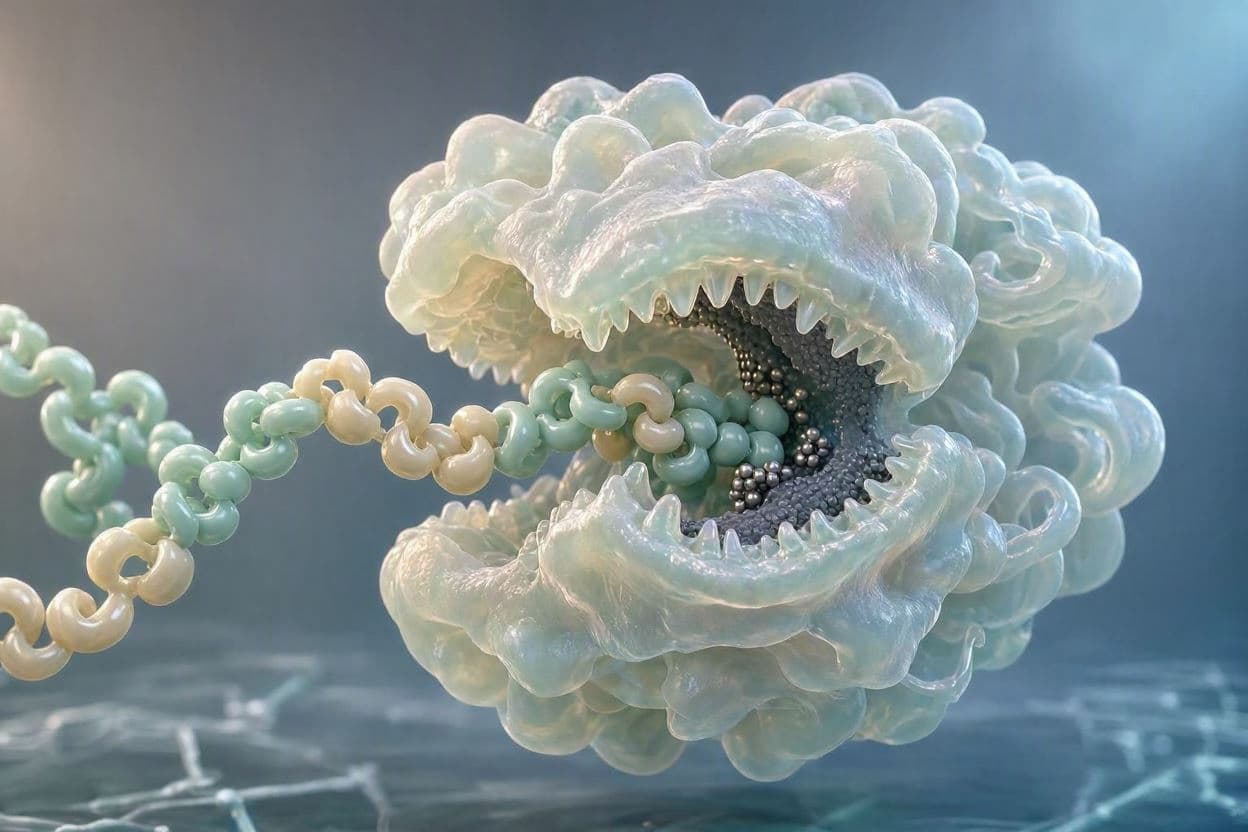
The enzyme was found in a common soil bacterium and exhibits a unique structural feature: a broad, open cleft that allows it to bind to and break down large, complex molecules. Unlike many enzymes that are highly specific to a single substrate, this "Pac-Man" variant demonstrates a remarkable versatility. It can efficiently hydrolyze polyester-based bioplastics, which are often marketed as eco-friendly alternatives to conventional plastics, as well as beta-lactam antibiotics like penicillin.
The ability to degrade bioplastics is particularly significant because these materials do not always decompose as readily as advertised in natural environments. While they are designed to be biodegradable, industrial composting facilities are often required for effective breakdown. The discovery of an enzyme that can accelerate this process in broader conditions suggests a potential biological tool for managing plastic waste more effectively, reducing the accumulation of microplastics in ecosystems.
Equally important is the enzyme’s capacity to break down antibiotics. Pharmaceutical residues in water systems contribute to the growing crisis of antibiotic resistance, a major global health threat. By neutralizing these compounds before they enter wider ecological cycles, such enzymes could play a crucial role in wastewater treatment processes. This dual functionality makes the discovery not just a scientific curiosity but a practical asset for environmental engineering.
The research team used advanced structural modeling to understand how the enzyme interacts with its substrates. The "Pac-Man" shape allows it to engulf and cleave the chemical bonds in both polyesters and beta-lactam rings. This mechanistic insight provides a blueprint for potentially engineering even more efficient variants in the future, tailored for specific industrial or environmental applications. It is a testament to the power of basic biological research to yield unexpected solutions.
While the enzyme is currently effective in laboratory settings, scaling up its application for real-world use will require further development. Challenges such as stability, cost-effective production, and integration into existing waste management infrastructure must be addressed. However, the proof of concept is strong, and the scientific community is optimistic about the potential for bio-based solutions to complex pollution problems.
This discovery highlights the untapped potential of microbial diversity. Soil bacteria, often overlooked, harbor a vast array of biochemical tools evolved over millions of years to survive and thrive. By studying these natural processes, scientists can harness nature’s own mechanisms to clean up the messes created by human activity. The "Pac-Man" enzyme is a small but significant step toward a cleaner, healthier planet.
AI Image Disclaimer: The visual elements in this article are AI-generated illustrations designed to represent molecular structures and environmental concepts.
Sources: Phys.org, University of Konstanz, ISME Journal
Published by Banx Network. This article is part of the Banx decentralized media programme, powered by the BXE token on the XRP Ledger.