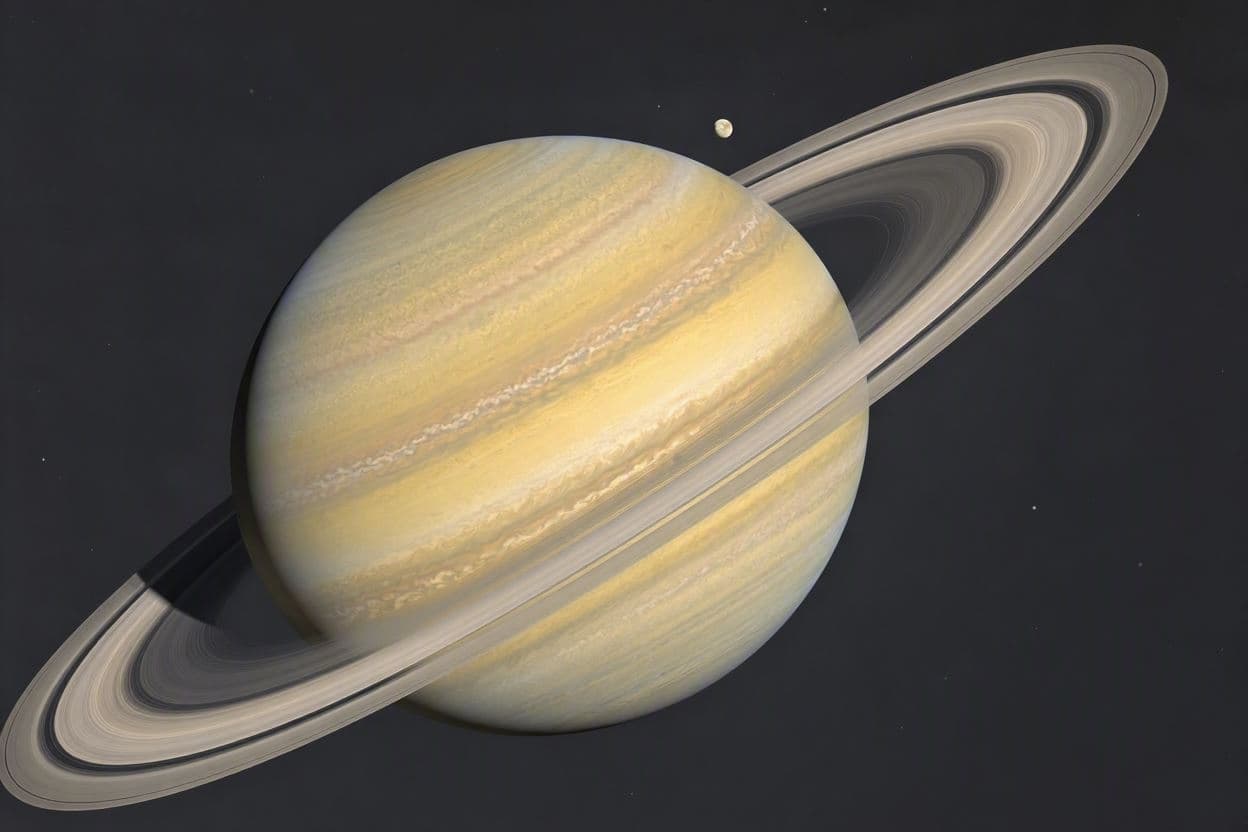
As the Earth turns beneath the starry canopy, celestial events offer moments of quiet wonder for those who look up. On Saturday, September 12, skywatchers with telescopes will have the opportunity to witness a delicate dance between Saturn and its moon, Dione. This icy moon will skim across the planet’s north pole, casting a tiny shadow on the cloud tops and providing a striking visual spectacle for amateur astronomers and seasoned observers alike.
Dione, the fourth-largest moon of Saturn, is a world of ice and rock with a diameter of about 698 miles. Its orbit brings it regularly in front of and behind the giant planet, but certain alignments offer particularly interesting views. On this date, Dione’s path takes it near the northern polar region, a area that has been of great interest since the Cassini mission revealed its unique hexagonal storm structure. Observing the moon against this backdrop provides a sense of scale and depth to the Saturnian system.
For those using telescopes, the event will be visible in the early morning hours, depending on the observer’s location. In the Eastern Time Zone, the transit begins around 2:55 A.M. EDT. The moon will appear as a small, bright dot moving slowly against the backdrop of the planet’s rings and clouds. With sufficient magnification, it may be possible to see the faint shadow of Dione projected onto Saturn’s atmosphere, a subtle detail that rewards patience and careful observation.
Saturn itself is currently approaching opposition, making it brighter and larger in the sky than at other times of the year. The rings are tilted at a favorable angle, allowing for a clear view of their intricate structure. This combination of planetary brightness and lunar transit makes September 12 an excellent night for planetary observation. Even small telescopes can reveal the beauty of the ringed planet and its accompanying moons.
The phenomenon of moon transits and shadow crossings is a regular occurrence in the Saturnian system, but each one is unique due to the changing positions of the planets and moons. These events provide valuable data for astronomers studying the orbits and physical properties of Saturn’s satellites. For the public, they serve as a reminder of the dynamic and predictable nature of our solar system.
Observing such events requires clear skies and a steady hand. Finding a location away from city lights will enhance the viewing experience, allowing the faint details of Saturn’s atmosphere to become more visible. Binoculars can reveal the planet and its rings, but a telescope is necessary to see Dione and its shadow clearly. Patience is key, as the transit unfolds slowly over the course of an hour or more.
As the night progresses, Saturn will climb higher in the sky, offering better viewing conditions. The sight of Dione skimming the pole is a fleeting moment in the grand timeline of the cosmos, but it connects us to the ongoing movements of our celestial neighbors. By taking the time to look up, we participate in a timeless tradition of wonder and discovery, finding joy in the simple beauty of the night sky.
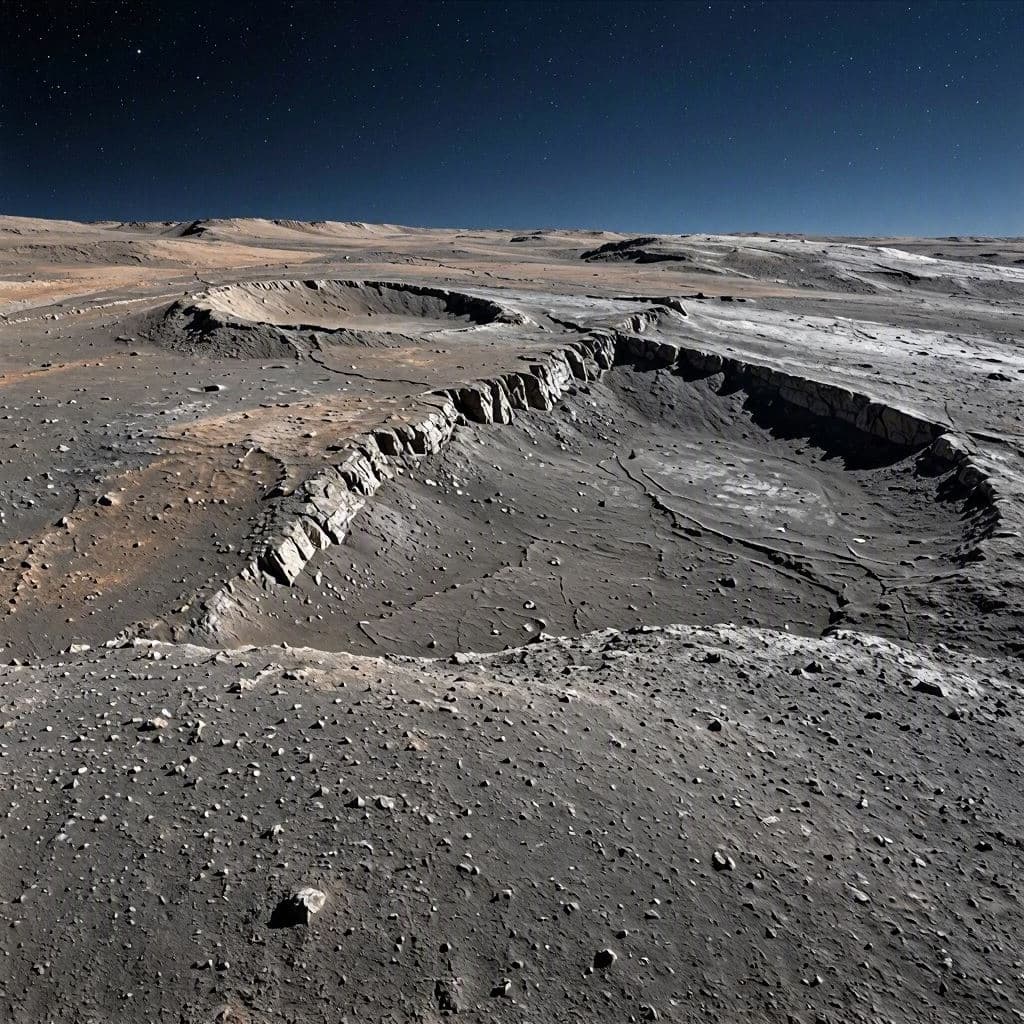
AI Image Disclaimer: The visual content in this article is AI-generated to depict the astronomical event and the appearance of Saturn and its moons.
Sources: Astronomy.com, Sky & Telescope, NASA
Published by Banx Network. This article is part of the Banx decentralized media programme, powered by the BXE token on the XRP Ledger.