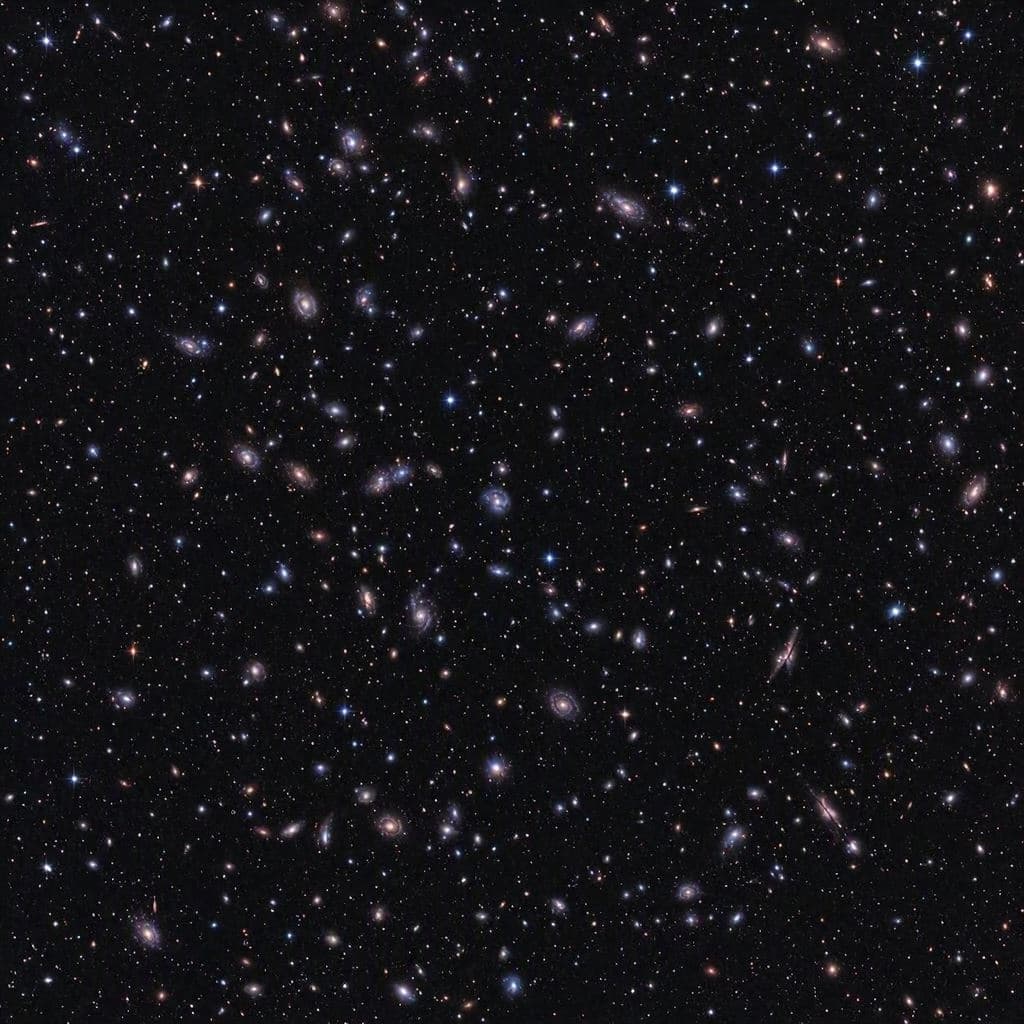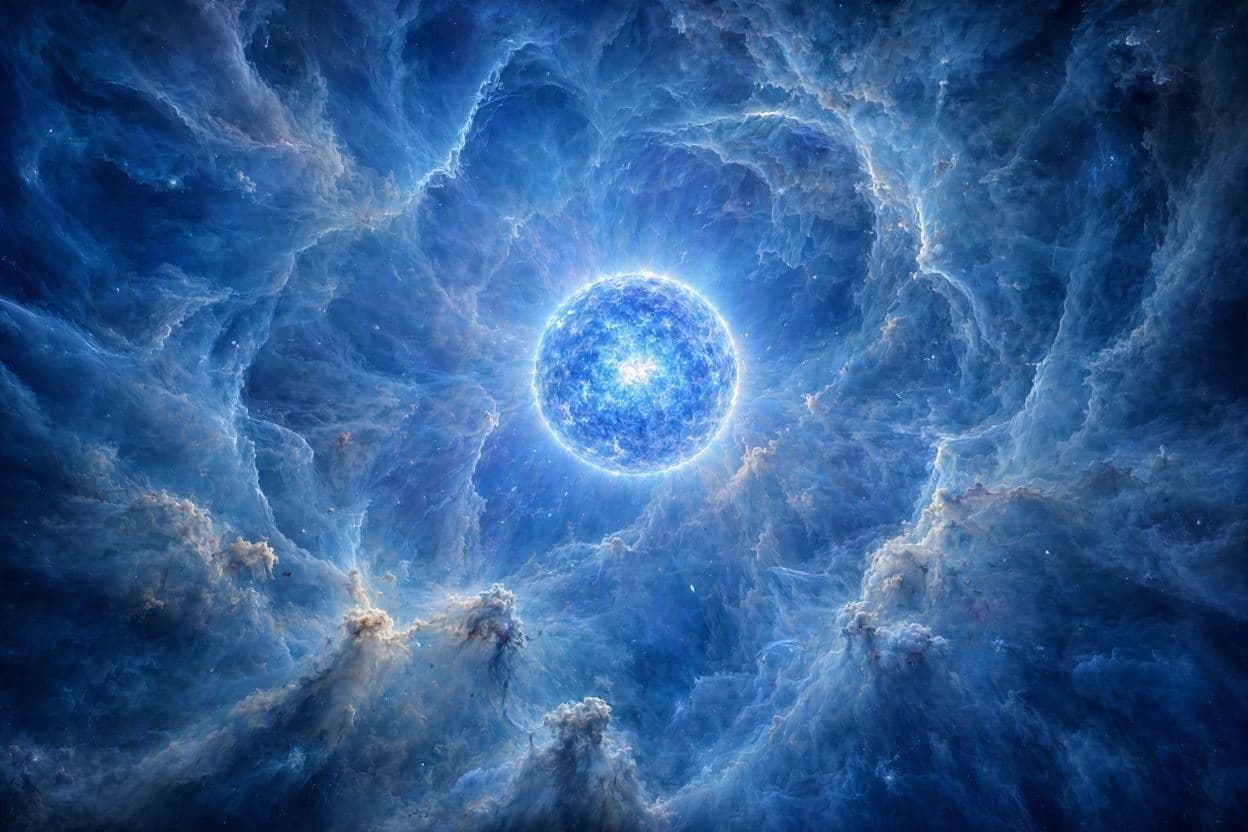
In the darkest epochs of the universe, before galaxies had fully formed, the first stars ignited like sparks in a void. These primordial beacons, known as Population III stars, were likely massive, hot, and short-lived, setting the stage for all subsequent cosmic evolution. Recent theoretical models and observations are now pushing the boundaries of just how large these initial starbursts could have been, suggesting sizes that dwarf even the most massive stars we see today.
Starbursts refer to periods of intense star formation, but in the early universe, the conditions were unique. With no heavy elements to cool the gas clouds efficiently, gravity pulled together enormous amounts of hydrogen and helium. This lack of "metallicity" meant that the resulting stars could grow to hundreds, or perhaps even thousands, of solar masses before radiation pressure blew them apart. Such supermassive stars would have burned brightly and died explosively, seeding the cosmos with the first heavy elements.
The question of upper limits is central to understanding cosmic reionization, the process by which the first stars cleared the fog of neutral hydrogen that filled the early universe. If these stars were indeed as massive as predicted, their ultraviolet radiation would have been powerful enough to ionize vast regions of space quickly. This would have accelerated the timeline for galaxy formation and the emergence of the structured universe we observe today.
Observational evidence for these giants is elusive, as they lived and died billions of years ago. However, next-generation telescopes like the James Webb Space Telescope are beginning to detect the faint glow of early galaxies that may harbor the remnants of these starbursts. By analyzing the light spectra, astronomers can infer the presence of massive stars and the rate at which they formed, testing the limits of theoretical models.
Computer simulations play a crucial role in this exploration. By modeling the physics of gas collapse and star formation in the early universe, researchers can predict the maximum mass a star could achieve under specific conditions. These simulations suggest that while there is a limit imposed by radiation feedback, the threshold is much higher than in the modern universe. It is a delicate balance between gravity’s pull and light’s push.
The implications for black hole formation are also profound. When these supermassive stars exploded, they may have left behind seeds for the supermassive black holes found at the centers of galaxies today. Understanding the size of the first starbursts helps explain how these black holes grew so large so quickly, solving one of the enduring mysteries of astrophysics.
As we peer further back in time, the story of the first stars becomes clearer. They were not just lights in the dark but architects of the cosmos, shaping the chemical and structural landscape of the universe. Their legacy is written in every atom of our bodies and every galaxy in the sky, a testament to the power of beginnings.
AI Image Disclaimer: The visual content in this article is AI-generated to depict theoretical concepts of early star formation and cosmic history.
Sources: Space.com, Astrophysical Journal, ESA
Published by Banx Network. This article is part of the Banx decentralized media programme, powered by the BXE token on the XRP Ledger.