Seeds, Signals, and Survival: Rethinking the Future of Global Harvests
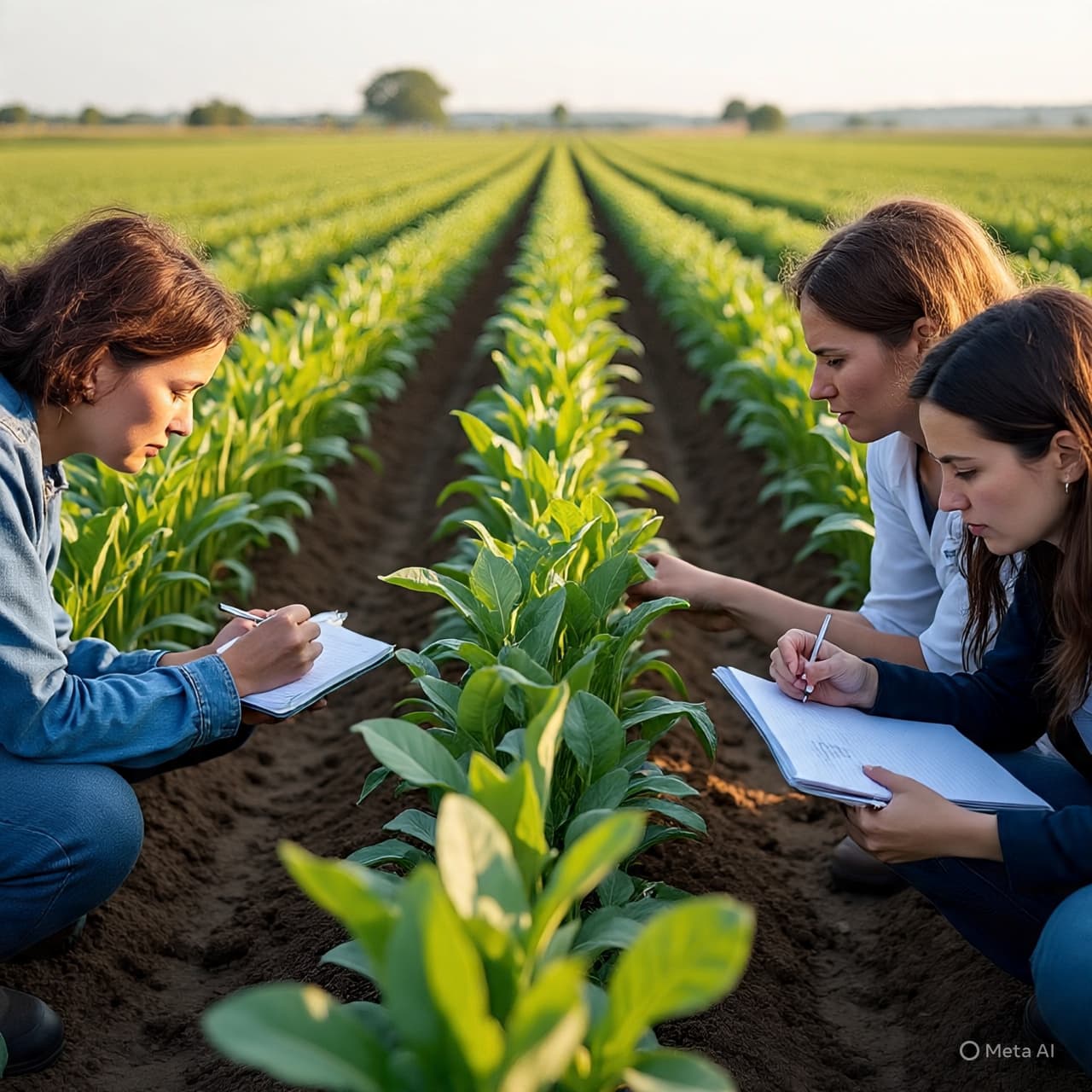
Plant hormone therapy may strengthen crops against climate stress, offering a promising scientific tool to support global food security alongside sustainable farming practices.

Plant hormone therapy may strengthen crops against climate stress, offering a promising scientific tool to support global food security alongside sustainable farming practices.

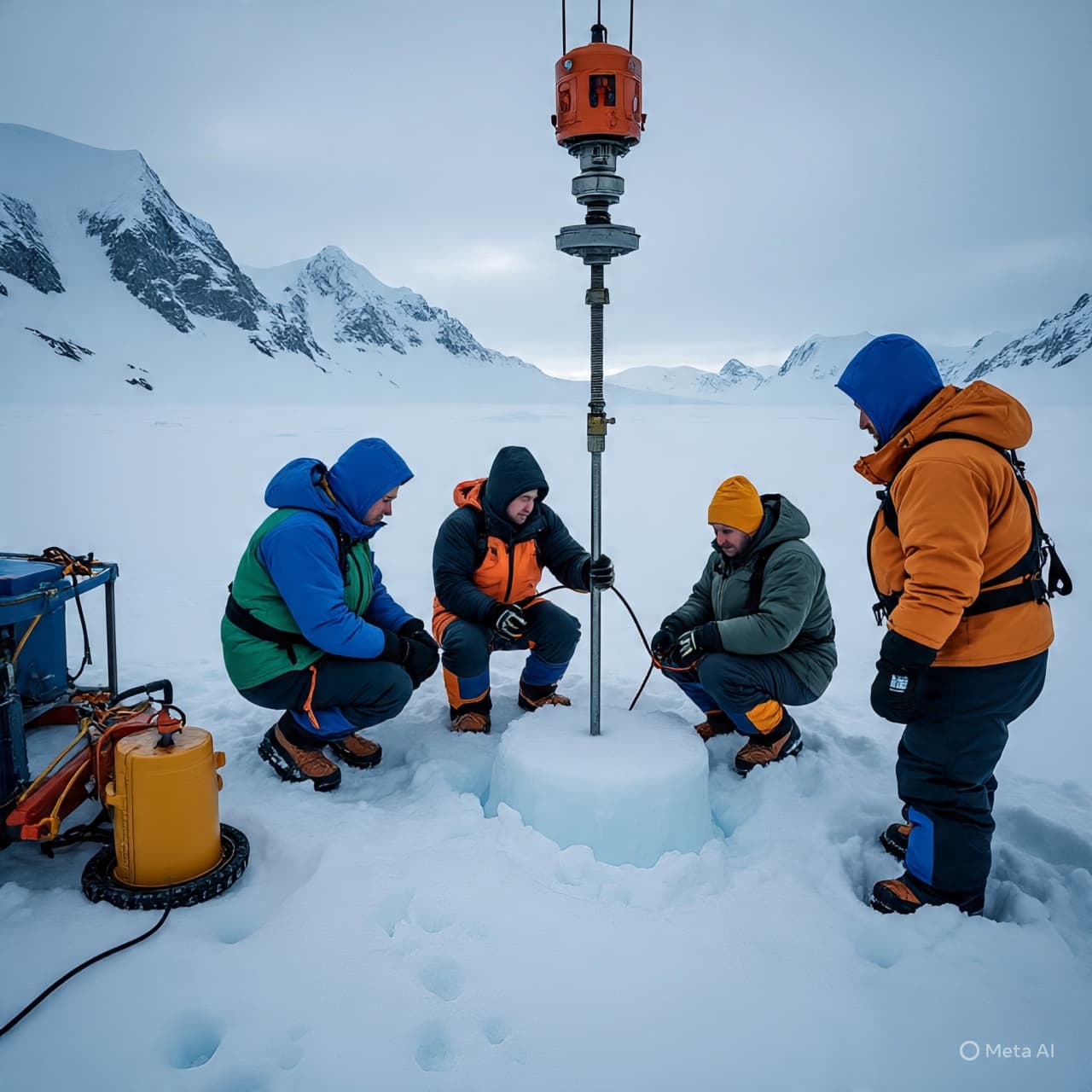
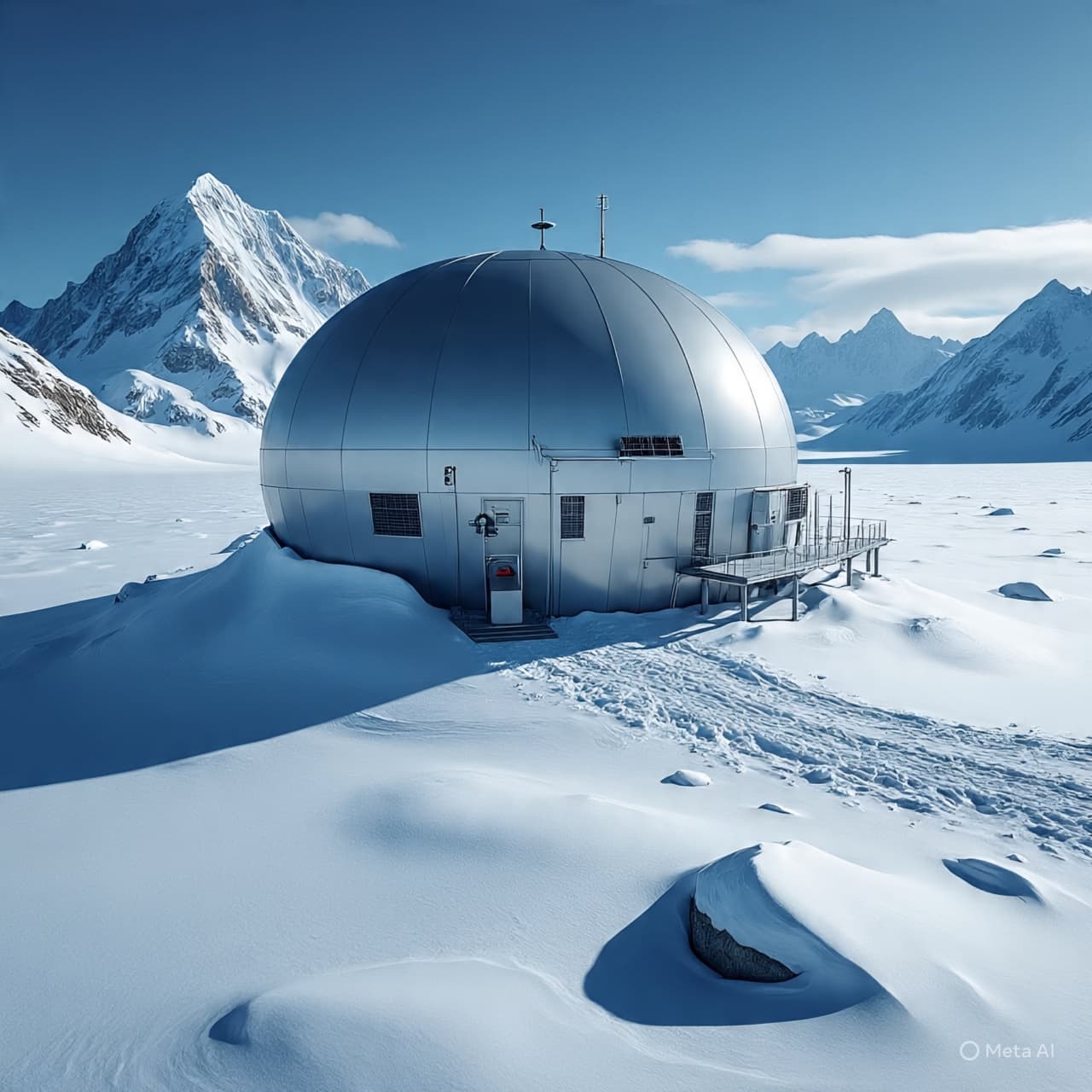
Scientists have recovered the deepest Antarctic sediment core ever collected, revealing 23 million years of geological and climate history.

The Moon will pass close to the Pleiades star cluster tonight in a visible conjunction. Look west after sunset to see the Moon beside the “Seven Sisters.” No telescope is needed, though binoculars enhance the view.

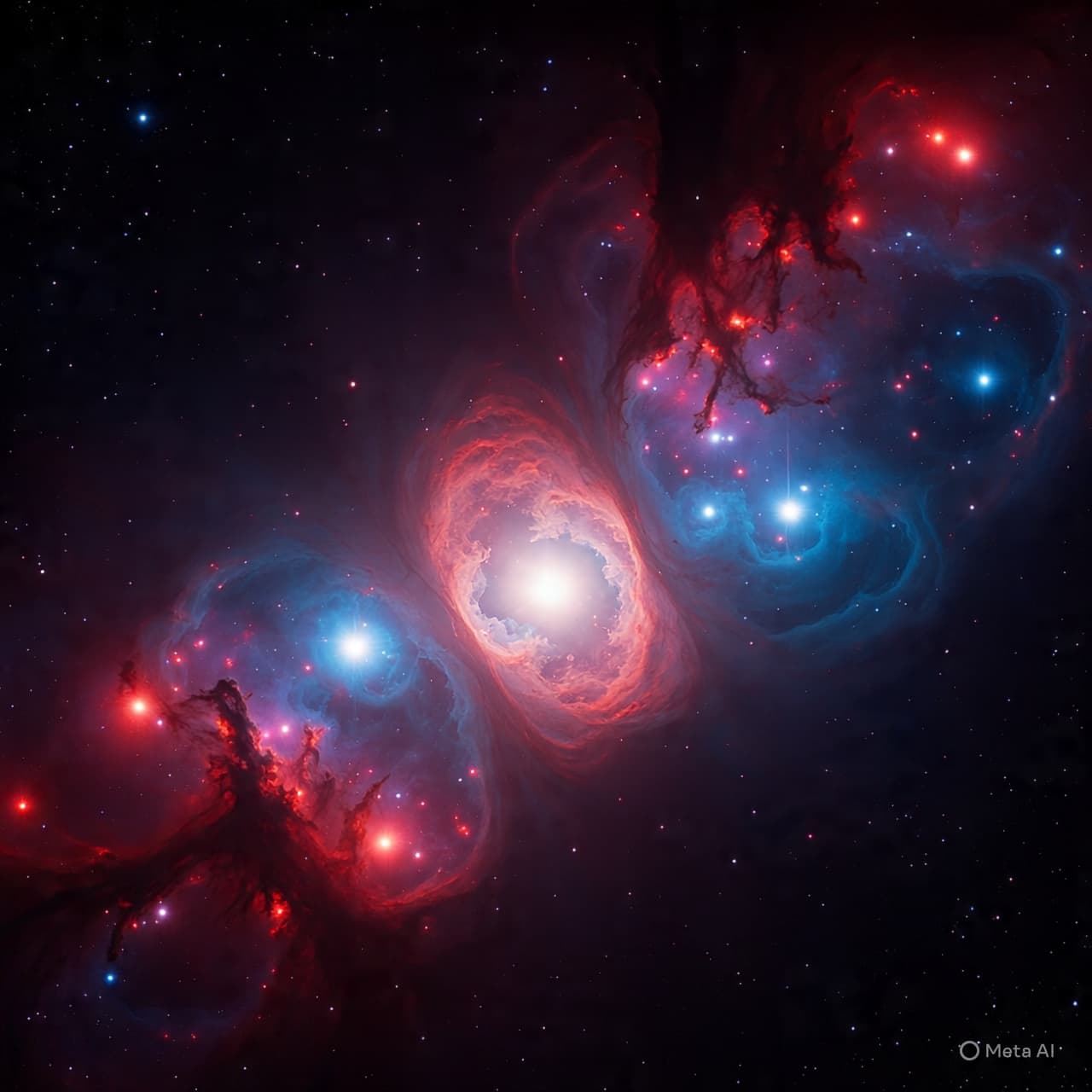
Infrared and radio observations reveal the Tarantula Nebula in the Large Magellanic Cloud as one of the most active star-forming regions near the Milky Way, offering insight into cosmic evolution

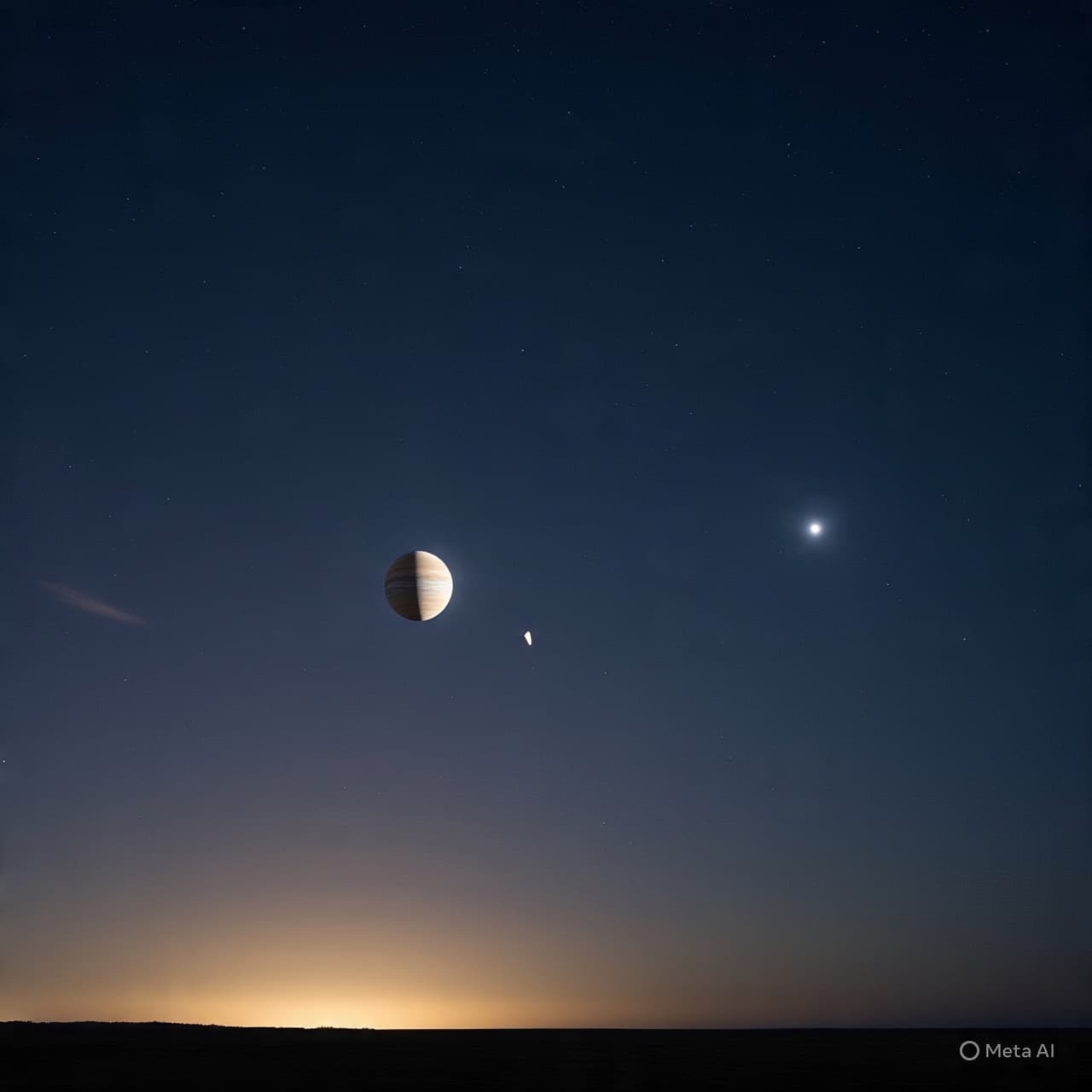
Six planets — Mercury, Venus, Mars, Jupiter, Saturn, and Uranus — will be visible in the evening sky at the end of February. Look west after sunset for the best view.

New Zealand will have prime viewing of a total lunar eclipse, where the Moon turns red during totality. The event is safe to watch and visible nationwide, weather permitting.

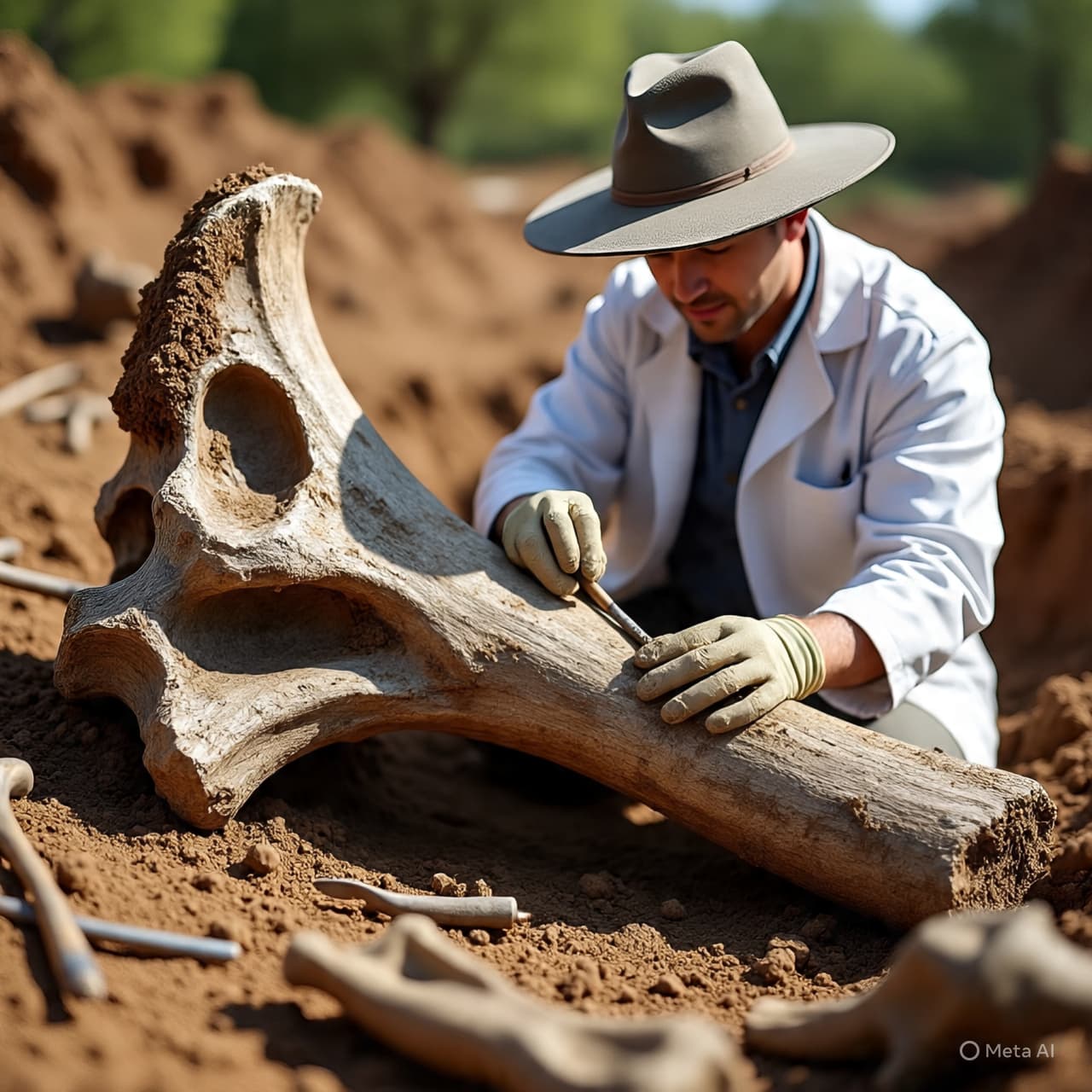
A paleontologist in Missouri uncovered a mammoth bone dating back to the Ice Age, offering new insight into prehistoric life and ancient ecosystems in the American Midwest.

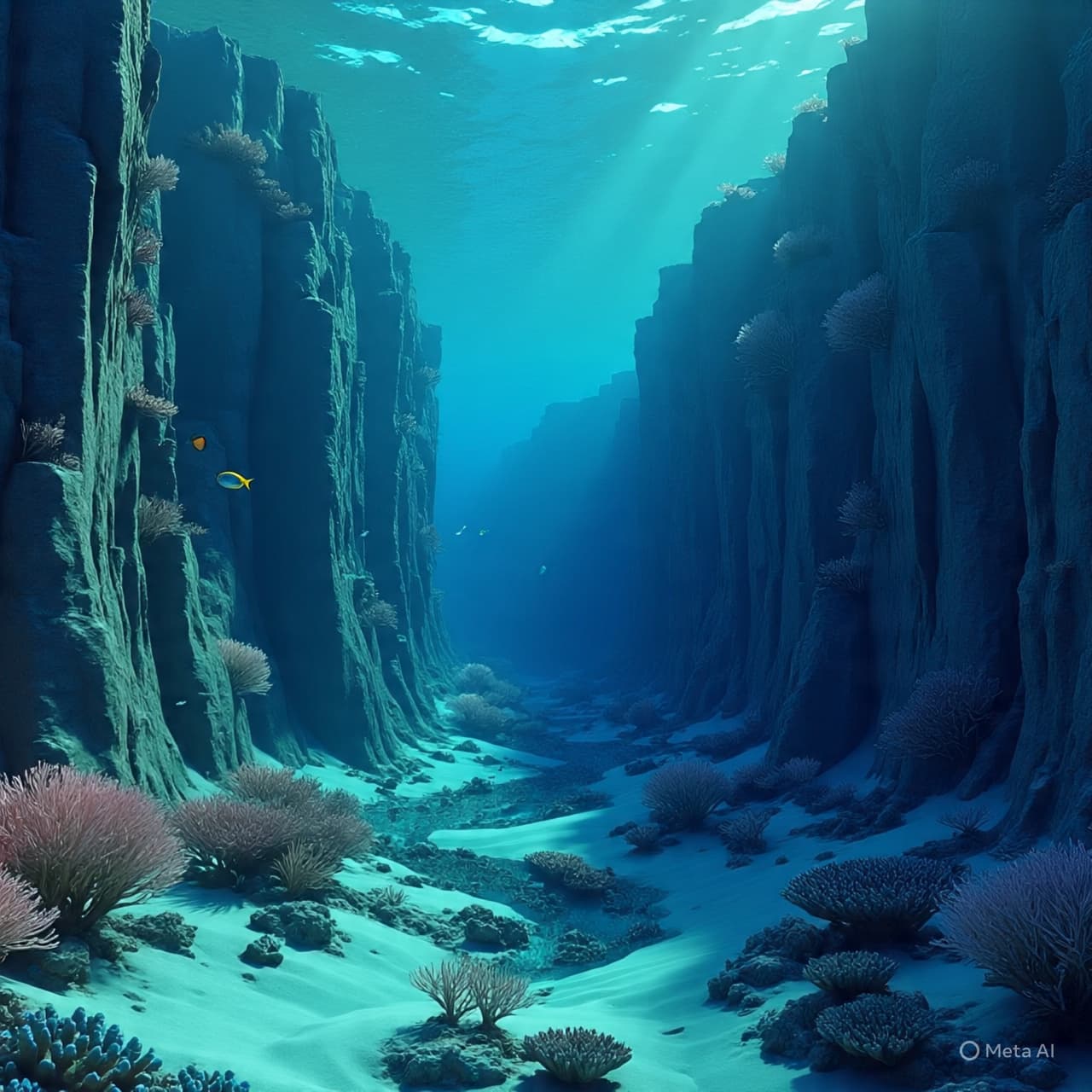
Scientists have identified a 500-kilometer submarine canyon beneath the Atlantic, likely shaped by deep mantle activity and tectonic forces over millions of years.

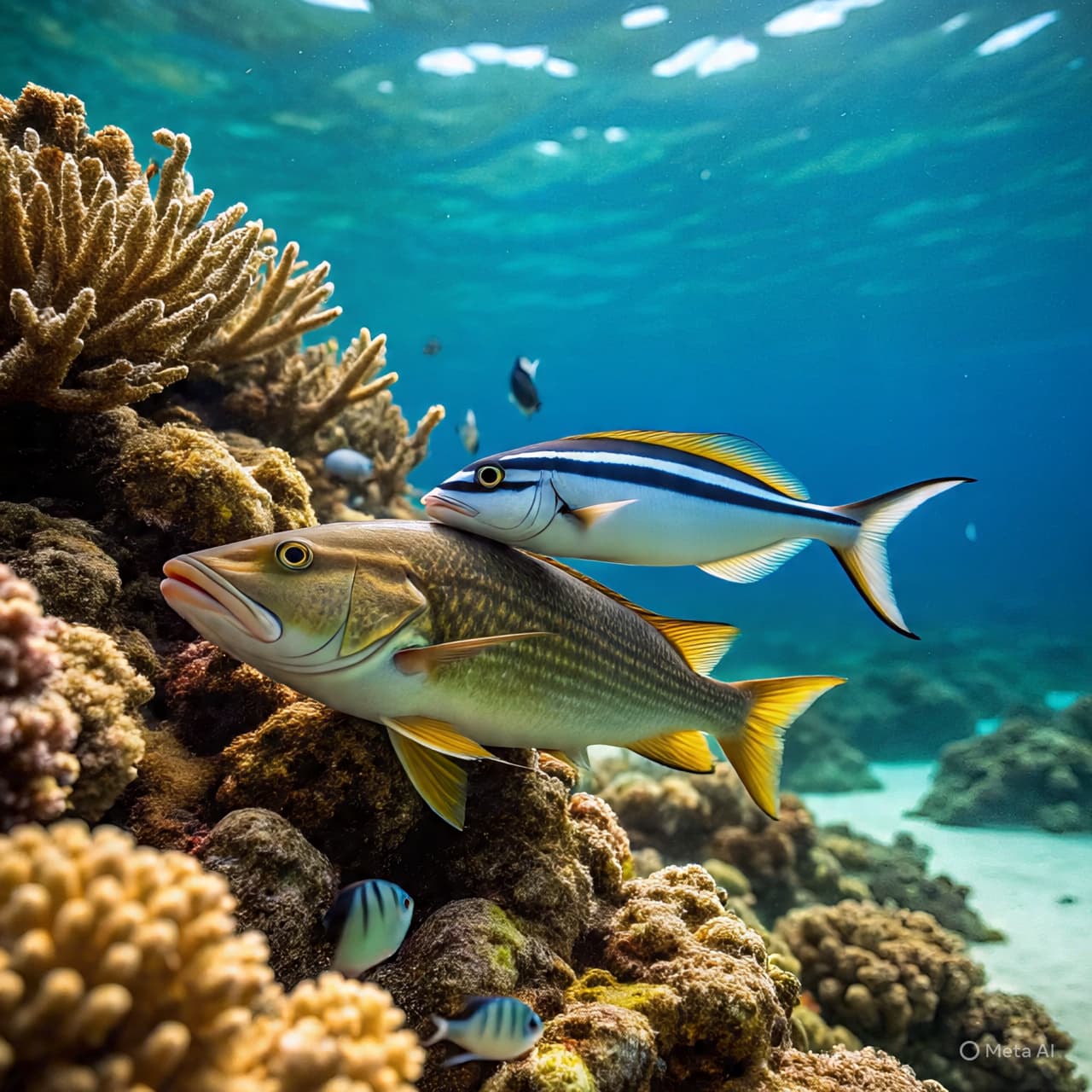
Studies suggest cleaner fish display complex cognition and possible self-recognition, challenging long-held beliefs that self-awareness is limited to mammals.

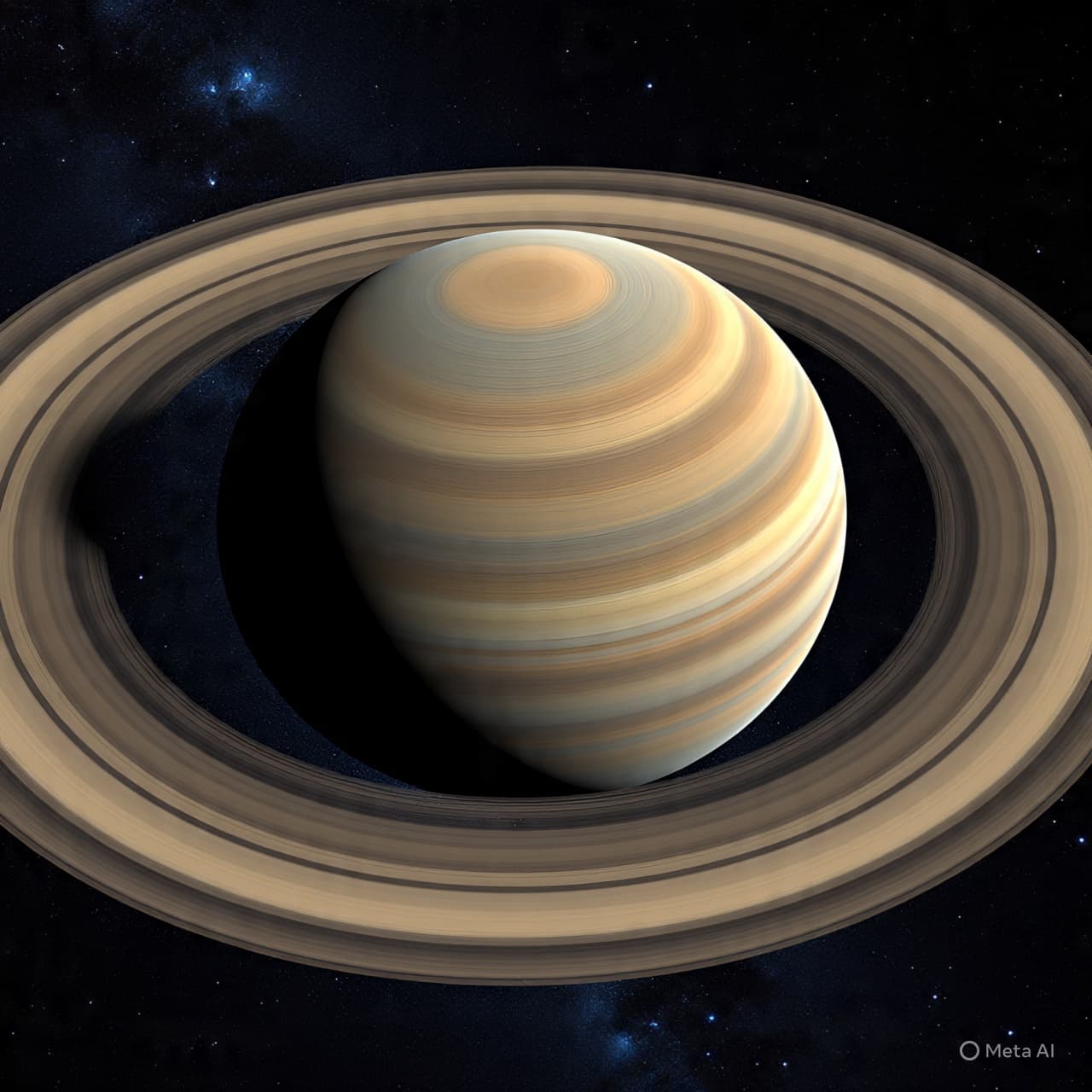
Astronomers using Cassini data say they have refined Saturn’s rotation rate and gained new insight into the age and origin of its iconic rings.

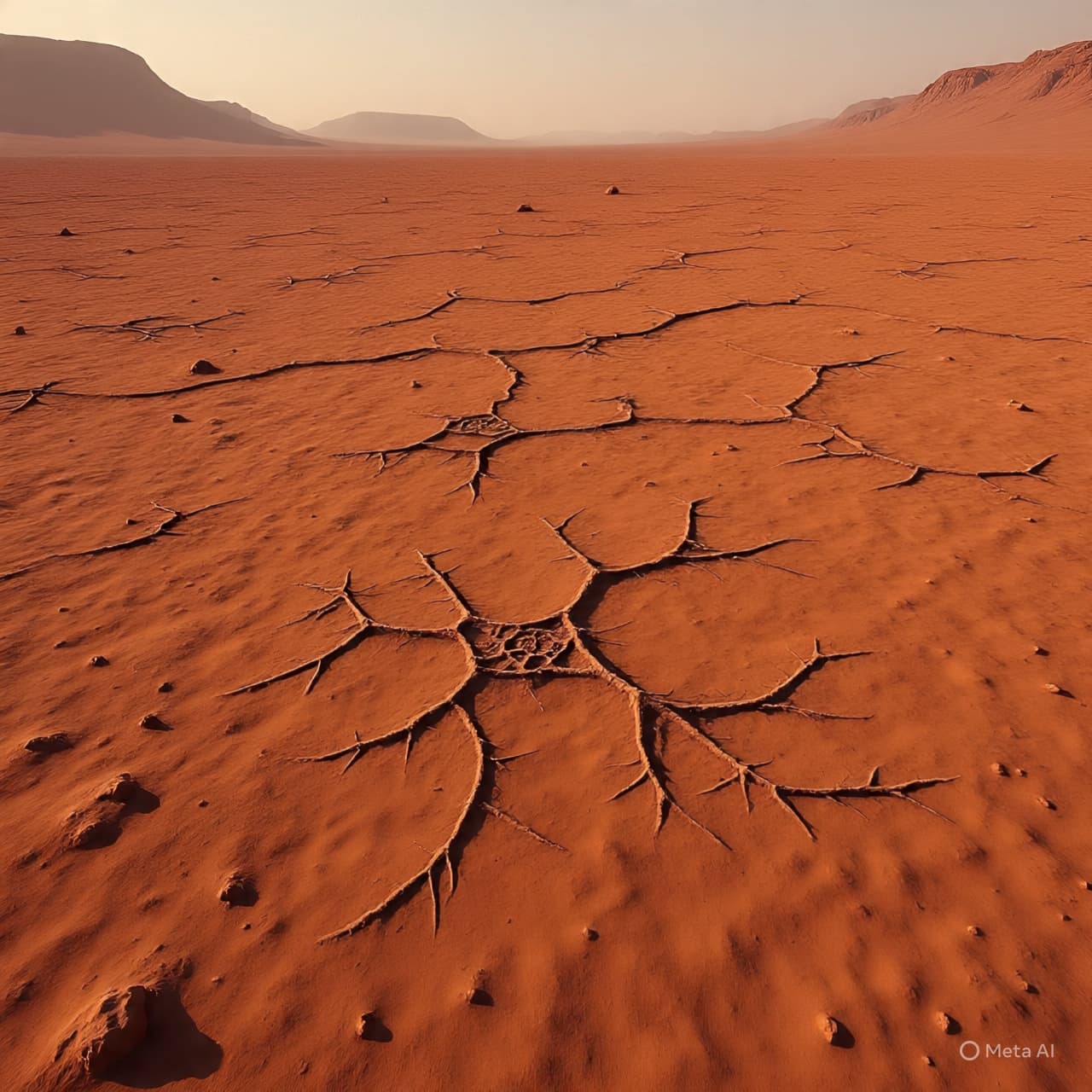
NASA’s Curiosity Rover captured detailed images of spider-like formations on Mars, created by seasonal carbon dioxide frost processes, not biological life.

Scientists say there is no single “good dad gene.” Fatherhood is shaped by multiple genes, hormones, brain changes, and environment working together.

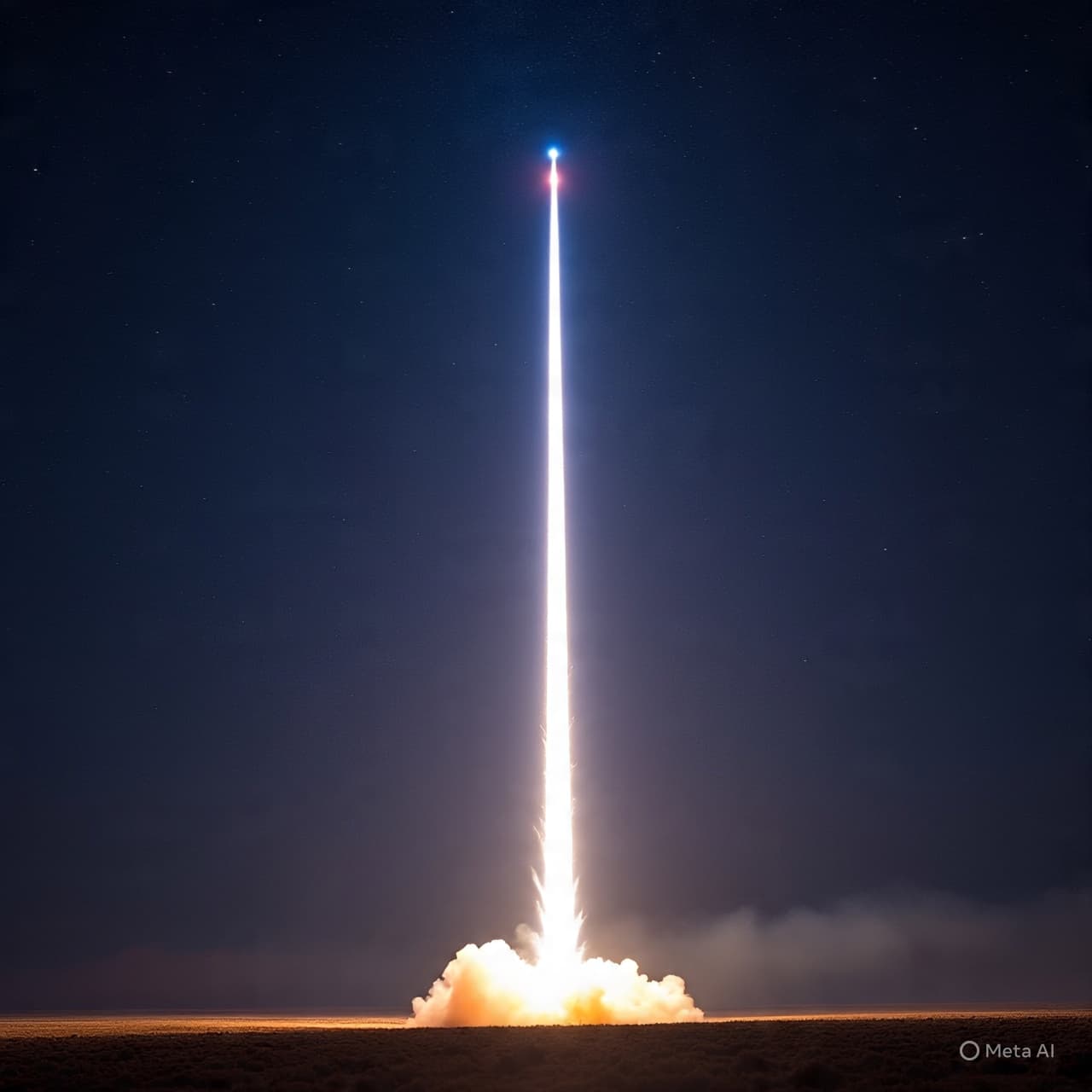
Scientists traced an unusual lithium plume in Earth’s upper atmosphere to the reentry of a SpaceX Falcon 9 rocket stage, highlighting growing interest in spaceflight’s atmospheric impact.

New data suggests cautious hope for south-east Queensland’s koala population, but conservation advocates warn that lasting recovery depends on stronger habitat protection and oversight.

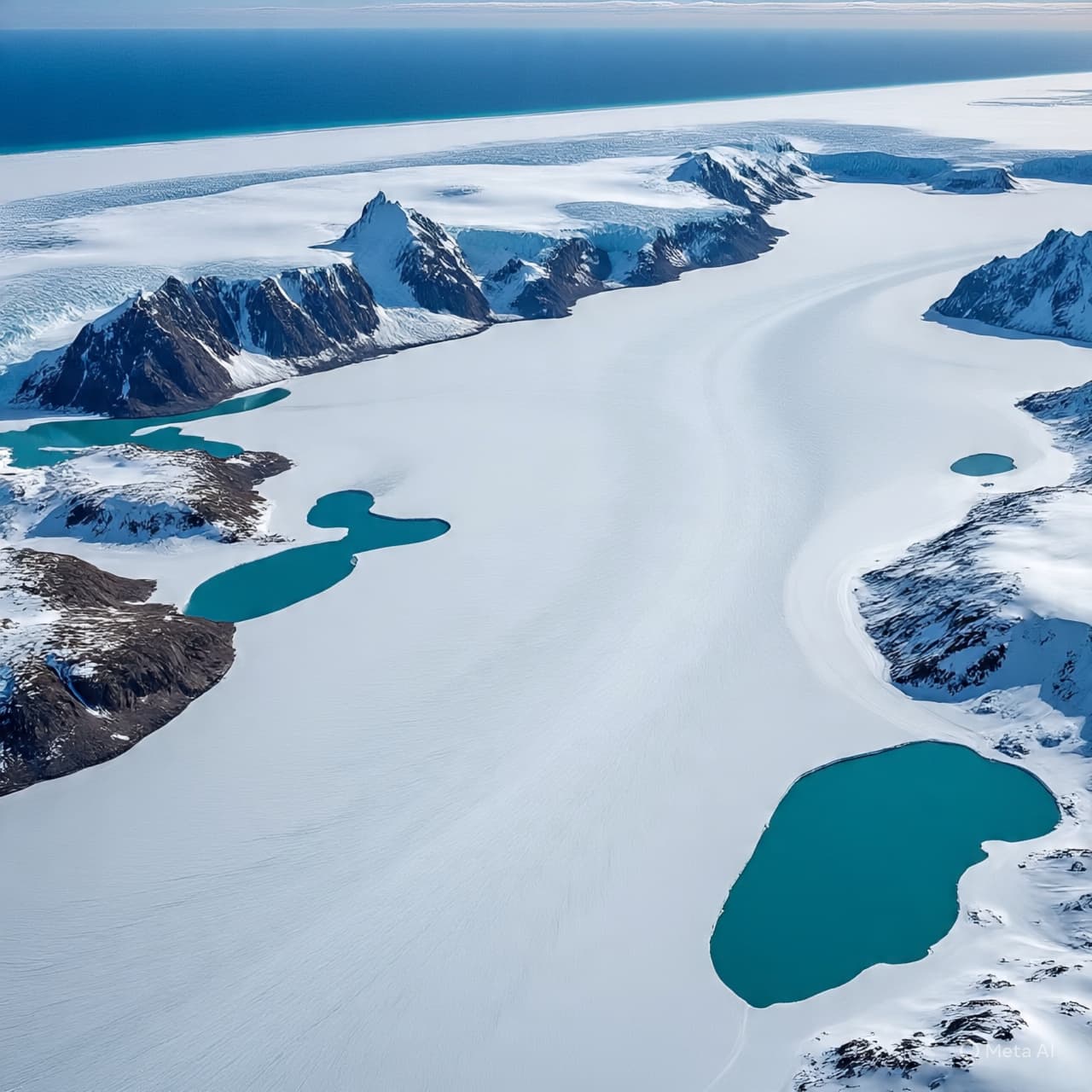
Studies show Greenland’s most extreme ice melt events are intensifying due to rising Arctic temperatures, contributing to accelerating global sea-level rise.

A new study finds that horse whinnies contain a high-frequency whistling element, helping the call travel long distances and possibly aiding recognition among herd members.

Research suggests expert birdwatching sharpens attention, memory, and pattern recognition, potentially supporting cognitive resilience through sustained mental engagement.

Satellite imagery reveals dramatic ocean swirls around Jeju Island, formed by interacting currents. Scientists say the eddies reflect shifting temperatures, marine life movement, and regional climate dynamics.

Satellite data shows Antarctica’s long-observed gravity anomaly is strengthening, reflecting ice mass loss and geological adjustments beneath the continent.

Neutrinos detected deep in Antarctic ice are helping scientists study distant cosmic events and fundamental physics, offering insight into how the universe works.

Six planets — Mercury, Venus, Mars, Jupiter, Saturn, and Uranus — will appear together in the evening sky at February’s end, forming a rare and visible planetary lineup.

A museum fossil once thought to represent one predator has been reexamined and found to contain two distinct ancient species, reshaping views of a prehistoric ecosystem.

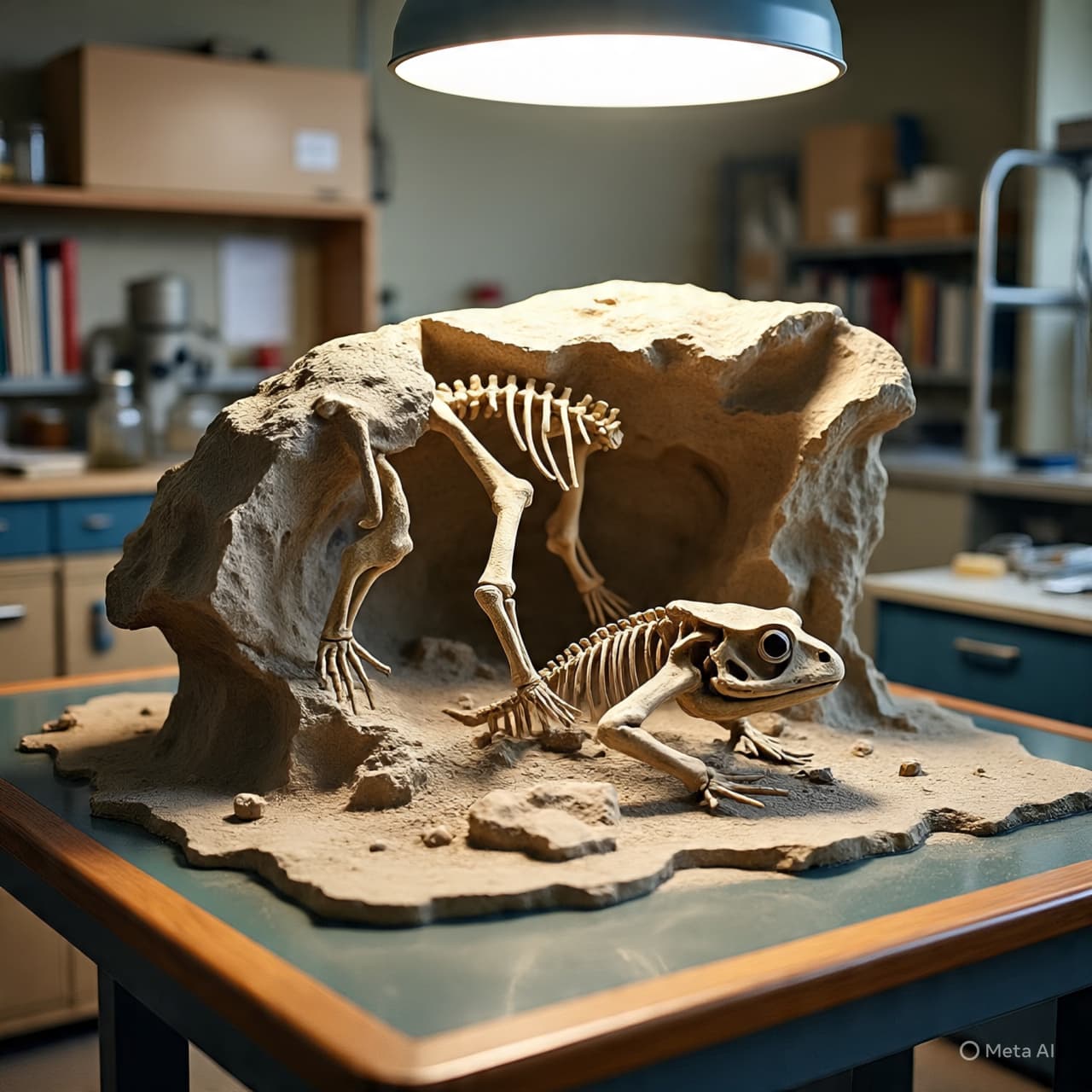
A 50-year-old misplaced Australian fossil of a crocodile-like Triassic amphibian has been rediscovered, offering new insights into early post-extinction ecosystems.

Fossils from Australia show 250-million-year-old “sea-salamanders” were globally distributed across Pangaea, revealing interconnected Triassic ecosystems.