Beyond the Last Coral Light, The Coral Sea Opens Its Hidden Ledger of Species
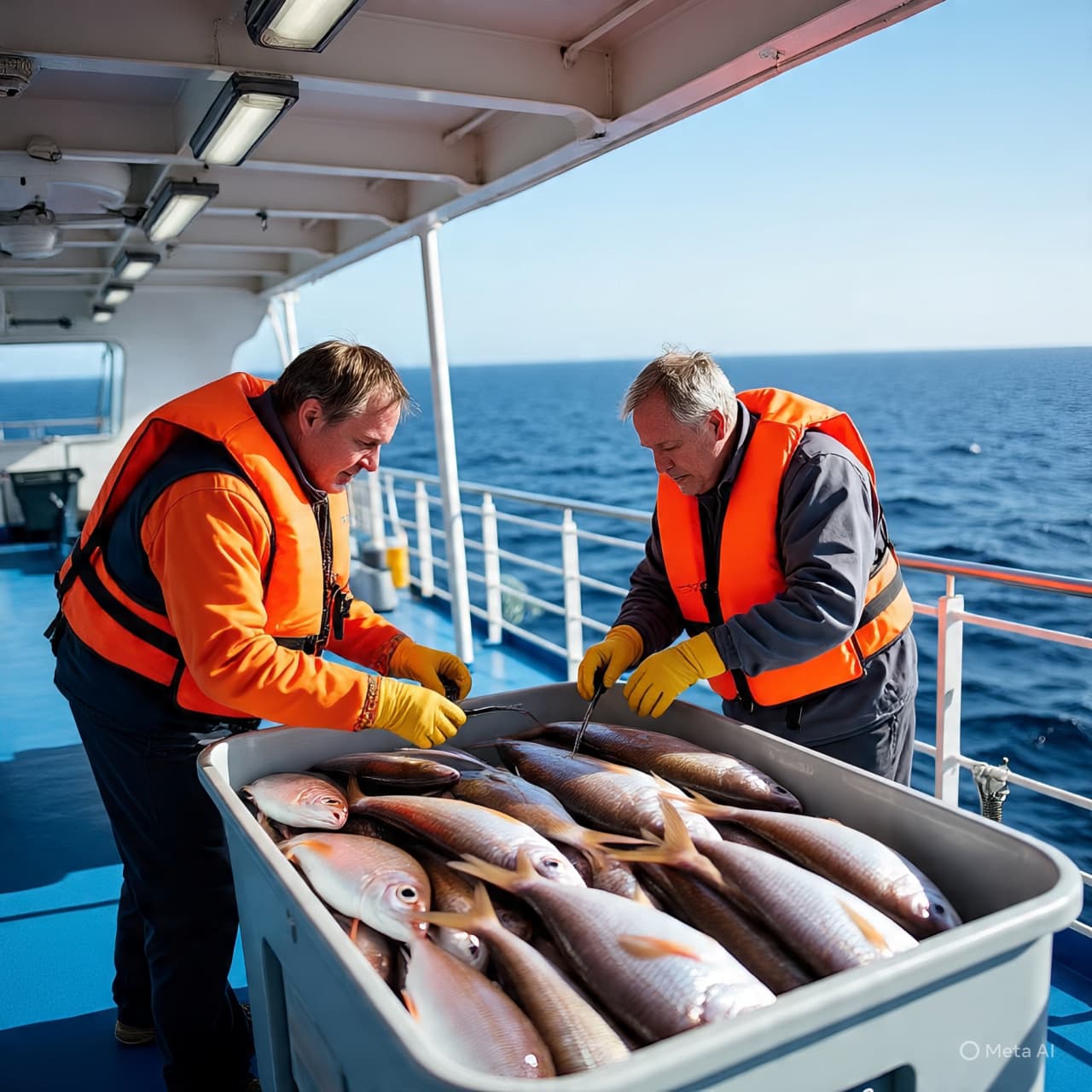
A CSIRO Coral Sea expedition has identified 110 new marine species, with the total expected to exceed 200 as deeper taxonomic and genetic analysis continues.

A CSIRO Coral Sea expedition has identified 110 new marine species, with the total expected to exceed 200 as deeper taxonomic and genetic analysis continues.

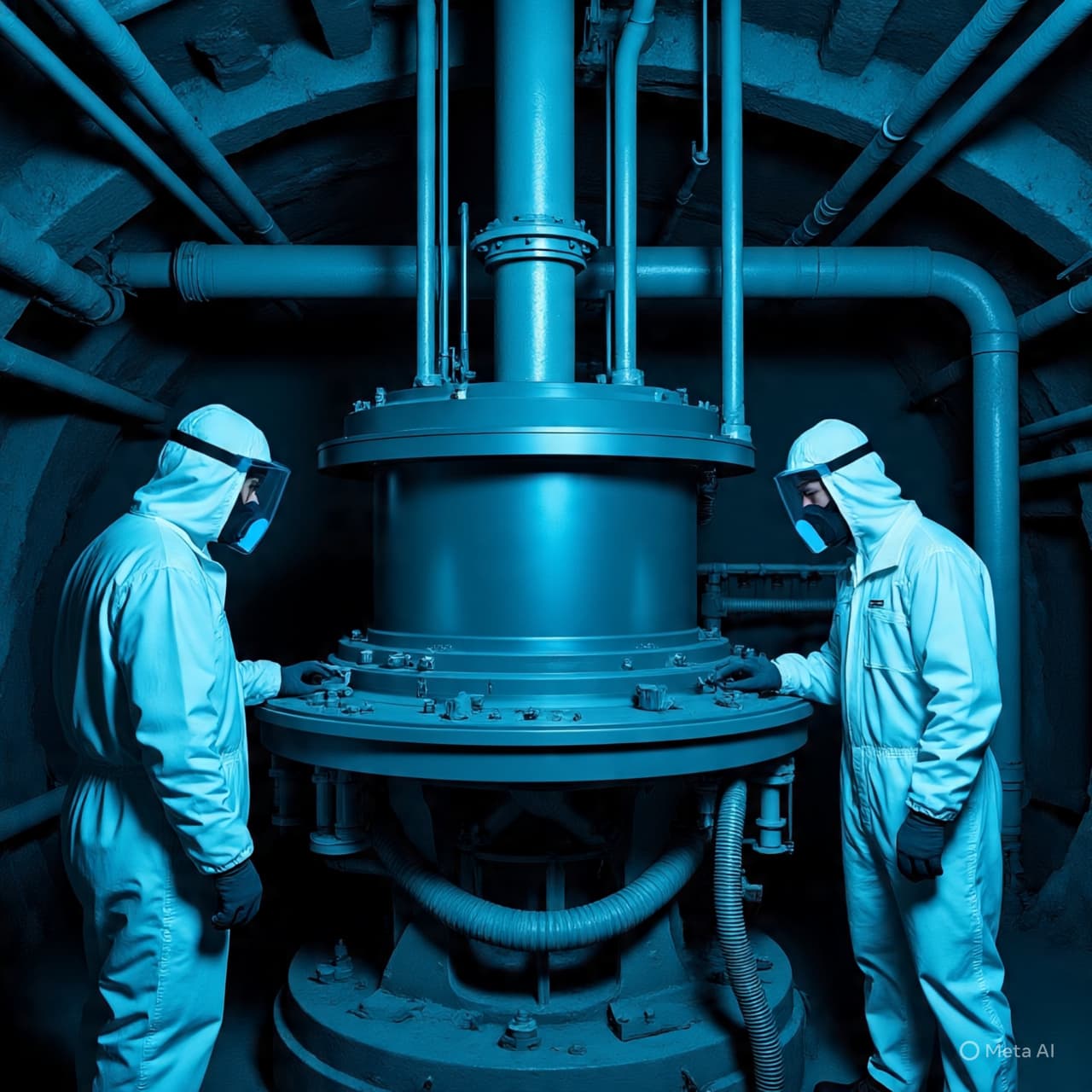
A dark matter laboratory has opened 1 km beneath Victoria in a former gold mine, launching Australia’s first major deep-underground search for the universe’s missing matter.

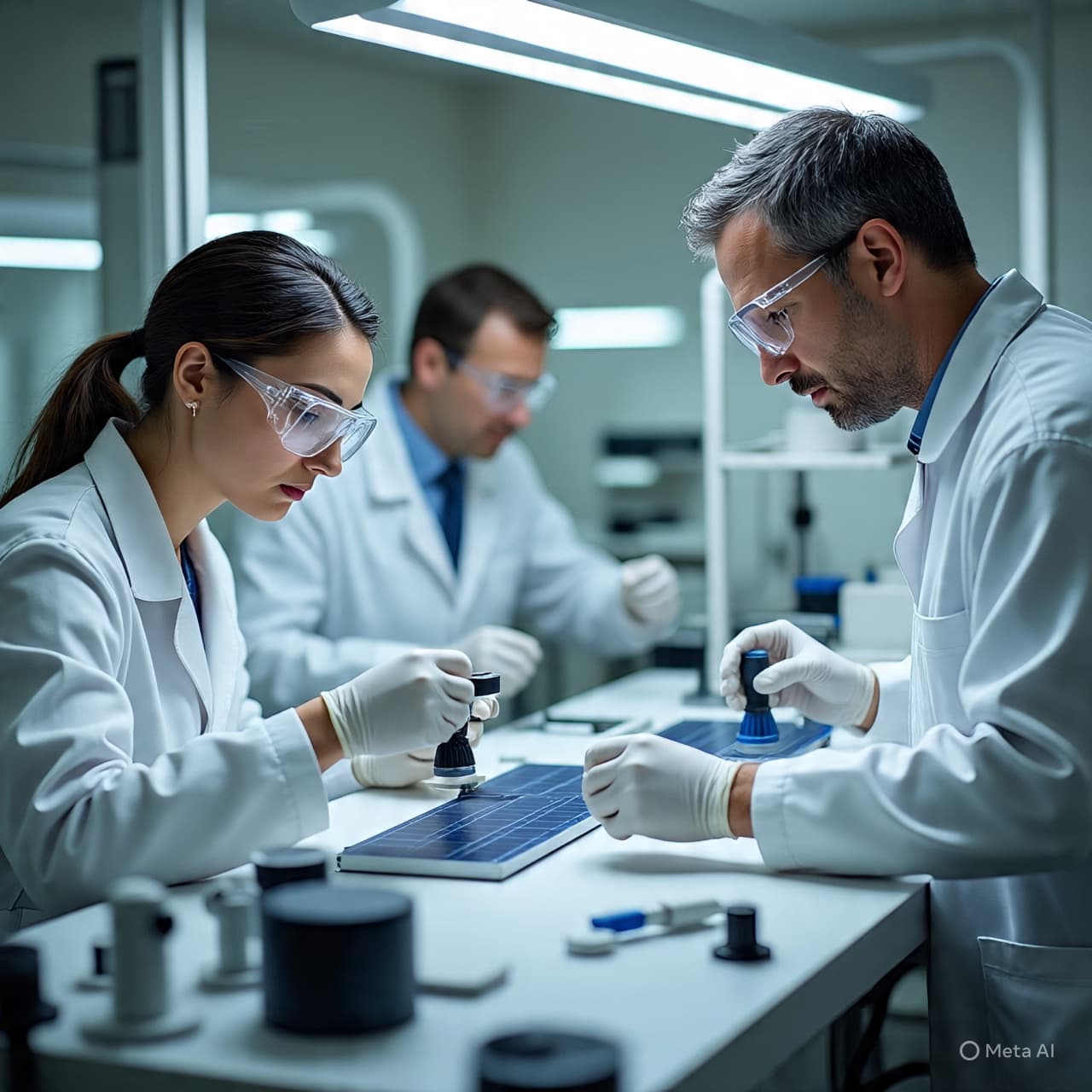
ANU physicists have achieved record-breaking silicon solar cell efficiency, advancing Australia’s push toward higher-output, lower-cost renewable energy systems.

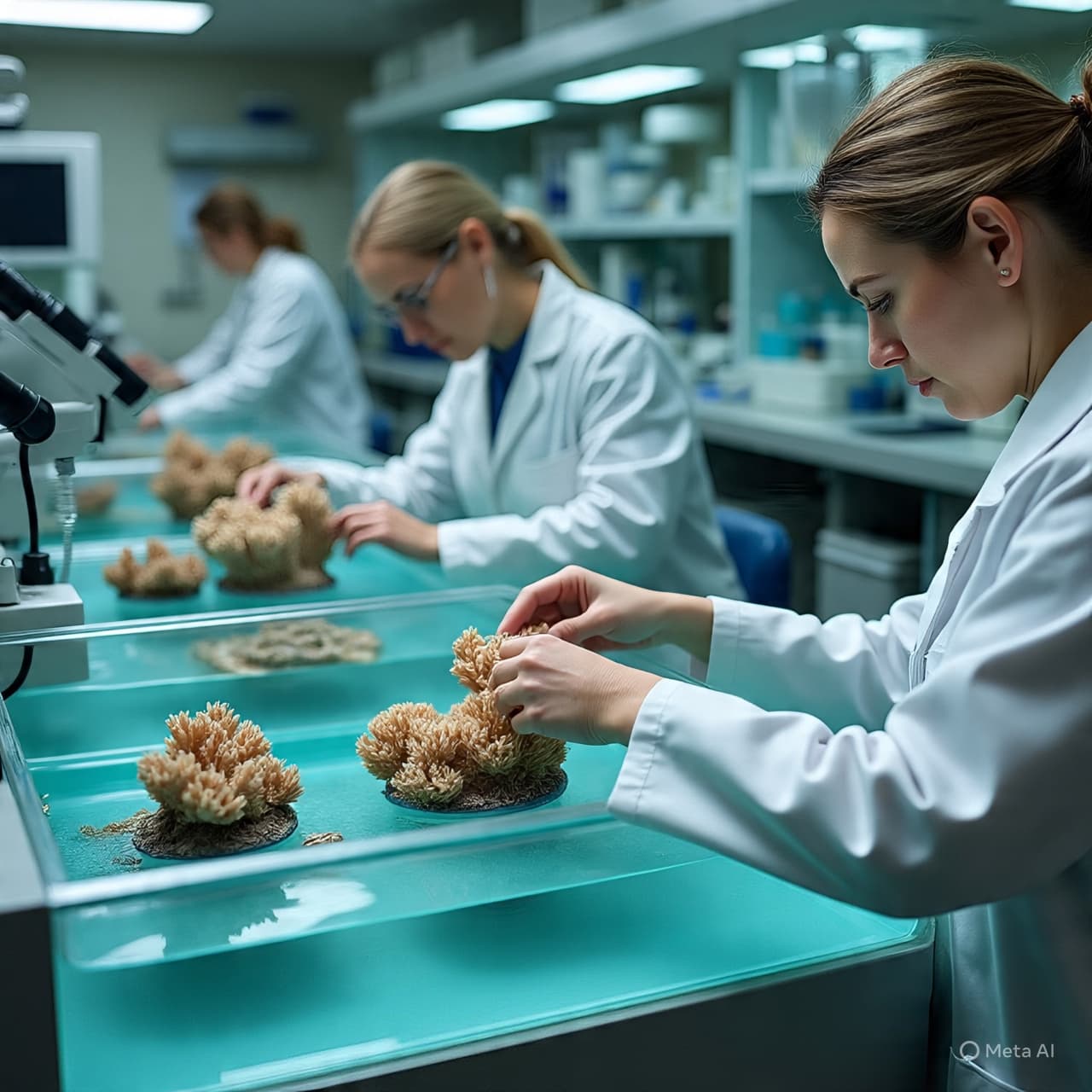
Perth scientists have developed bio-engineered corals with stronger heat resistance, offering new hope for reef survival under rising ocean temperatures.

University of Sydney researchers have developed an AI system that predicts local flash floods hours in advance, improving suburb-level warnings and urban emergency response.

A rare deepwater catshark discovered during a Coral Sea reef survey has been confirmed as an entirely new species, highlighting the ocean’s still-unmapped biodiversity.

Monash scientists have created a carbon-negative cement that captures more CO₂ than it emits, offering a new pathway for sustainable urban construction.

A Melbourne medtech startup has introduced a needle-free insulin delivery system that could reduce pain, improve adherence, and reshape daily diabetes care.

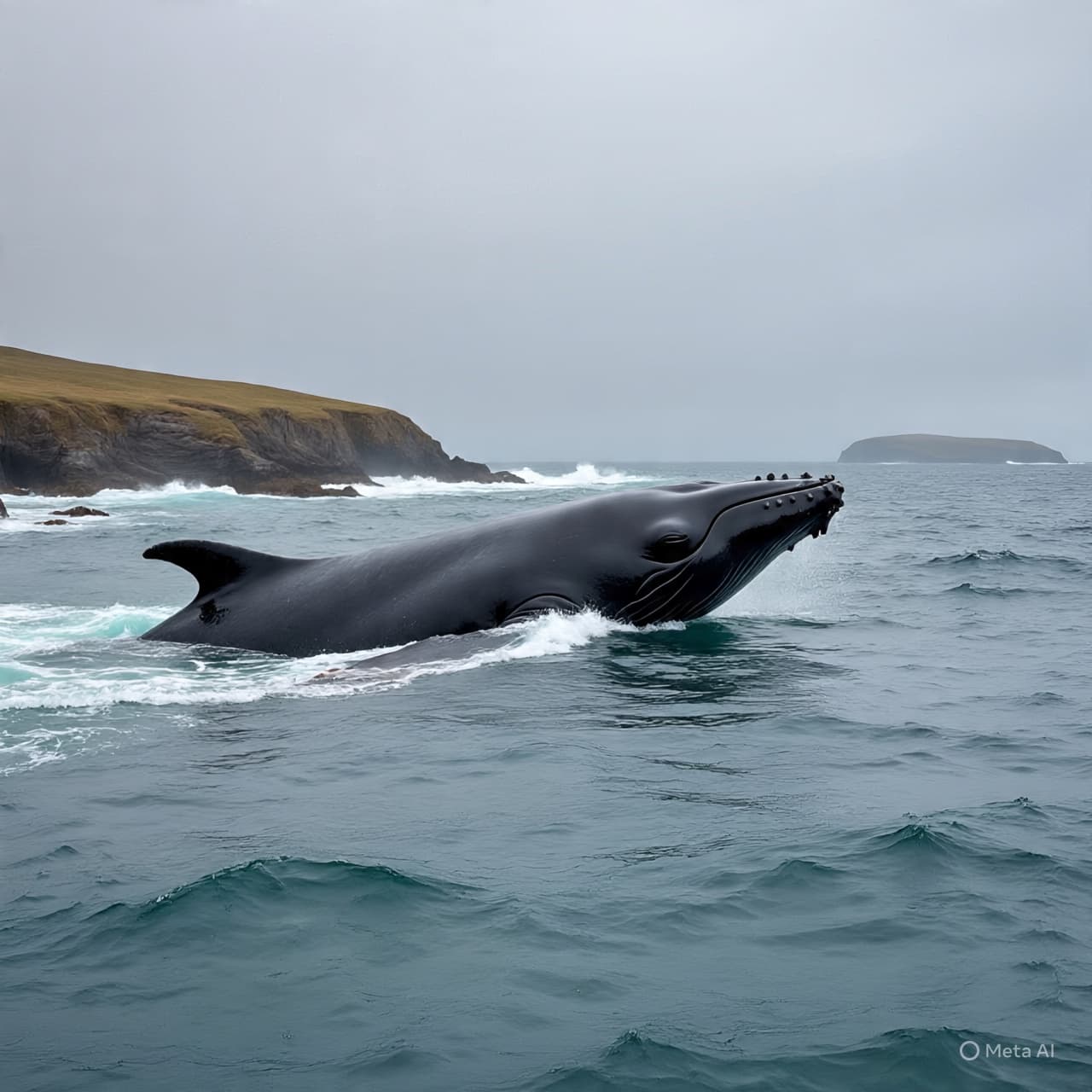
Southern right whales are showing strong recovery signs near Tasmania, with increasing returns to winter nursery waters linked to decades of protection and monitoring.

CSIRO has developed a new enzyme system that rapidly breaks down industrial plastic waste in landfill-like conditions, supporting faster recycling and circular recovery.

Queensland scientists have identified promising antibiotic compounds in native rainforest fungi, offering new molecular leads in the fight against drug-resistant bacteria.

Brisbane researchers report a room-temperature qubit stabilization breakthrough, potentially reducing cooling demands and accelerating scalable quantum computing.

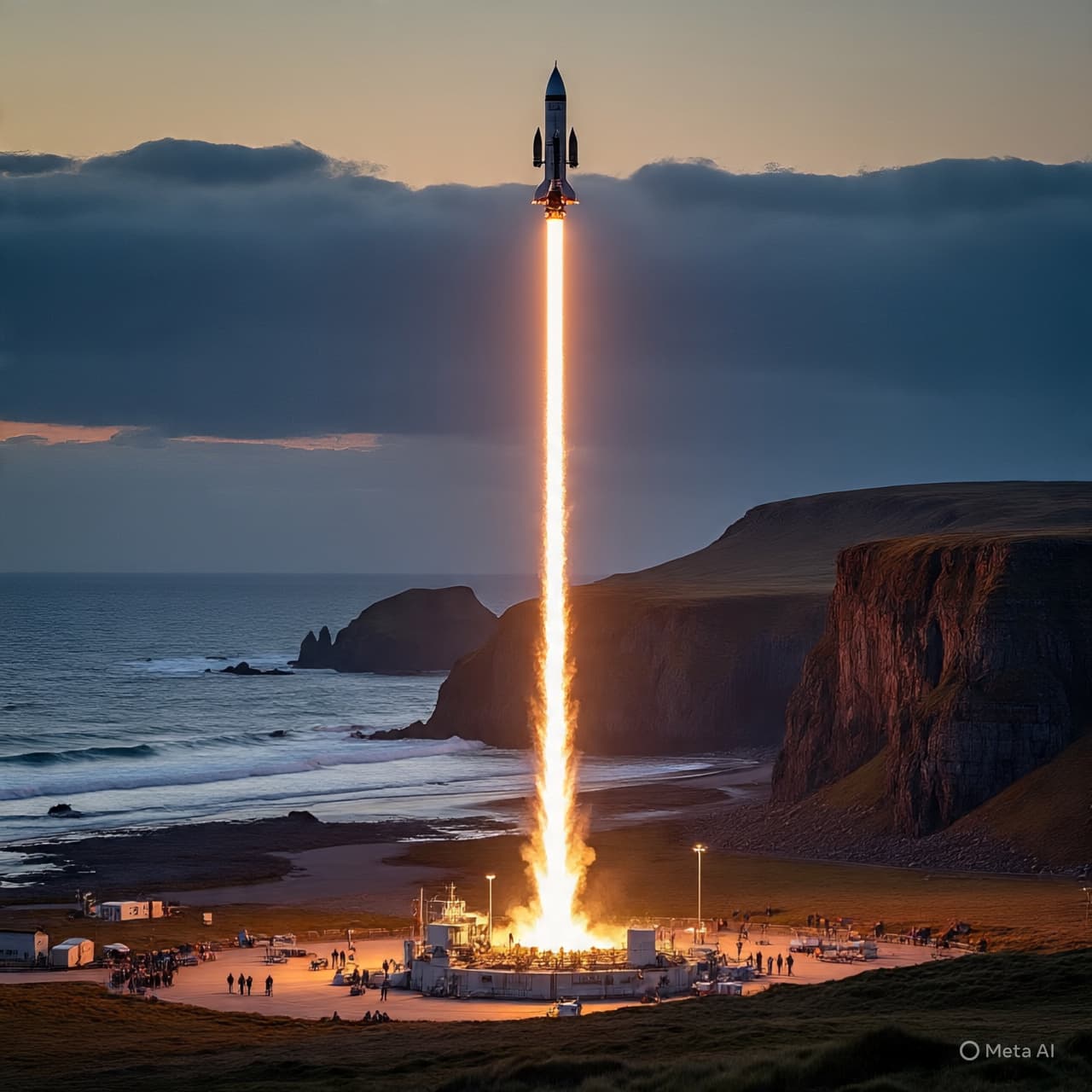
A Scottish spaceport has successfully launched its first climate-monitoring micro-satellites, boosting Earth observation capabilities for weather, oceans, and long-term climate science.

Aberdeen researchers report a new enzyme that breaks down persistent industrial pollutants, offering a lower-energy path toward cleaner wastewater and bioremediation.

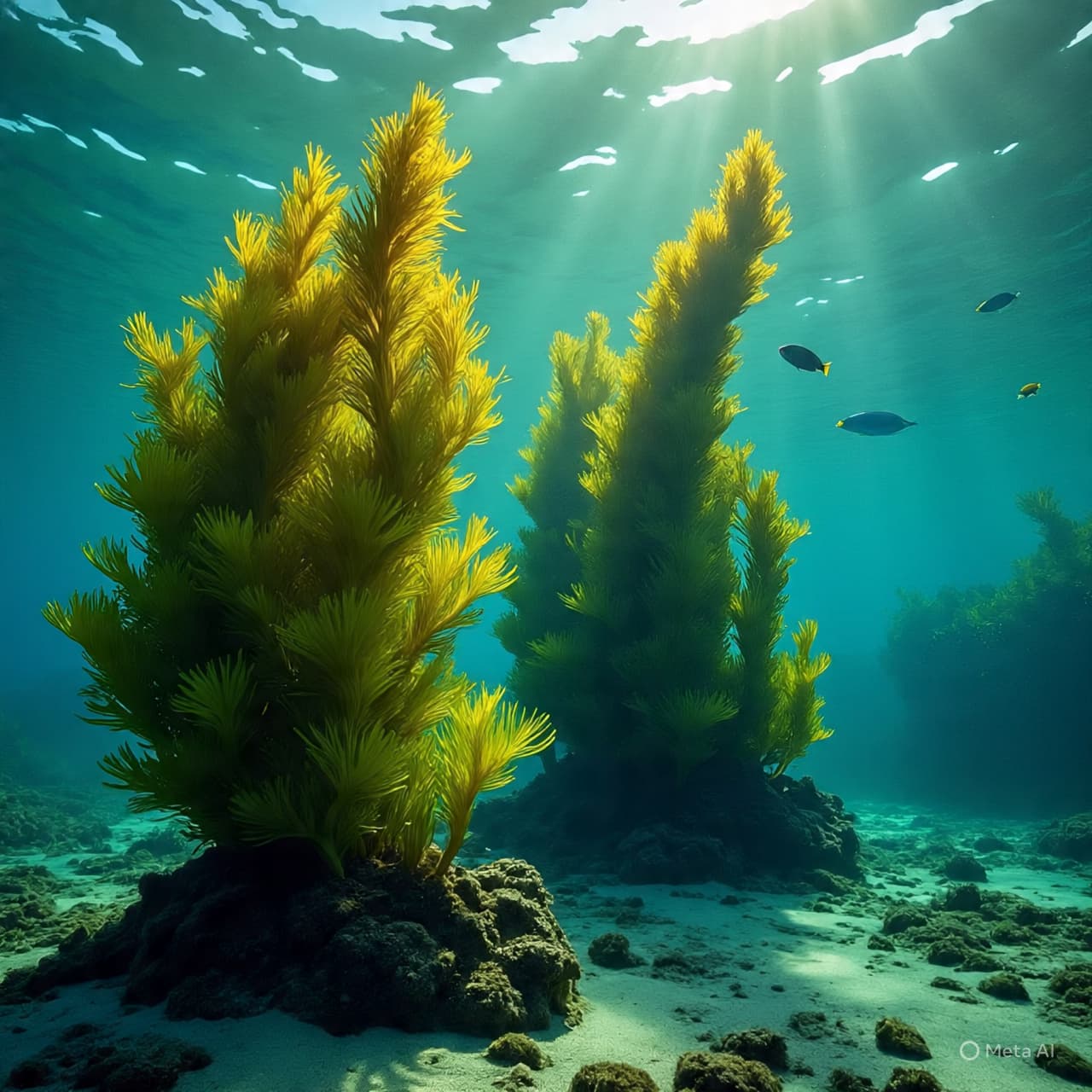
Marine researchers in Scotland report major recovery of kelp forests in northern waters, restoring biodiversity, coastal resilience, and valuable blue carbon habitat.

St Andrews-linked physicists propose that spacetime may behave like a quasicrystal—ordered yet never repeating—offering a new path toward quantum gravity.

University of Edinburgh scientists developed a bionic eye system that improves peripheral vision, potentially making artificial sight more natural for navigation and daily awareness.

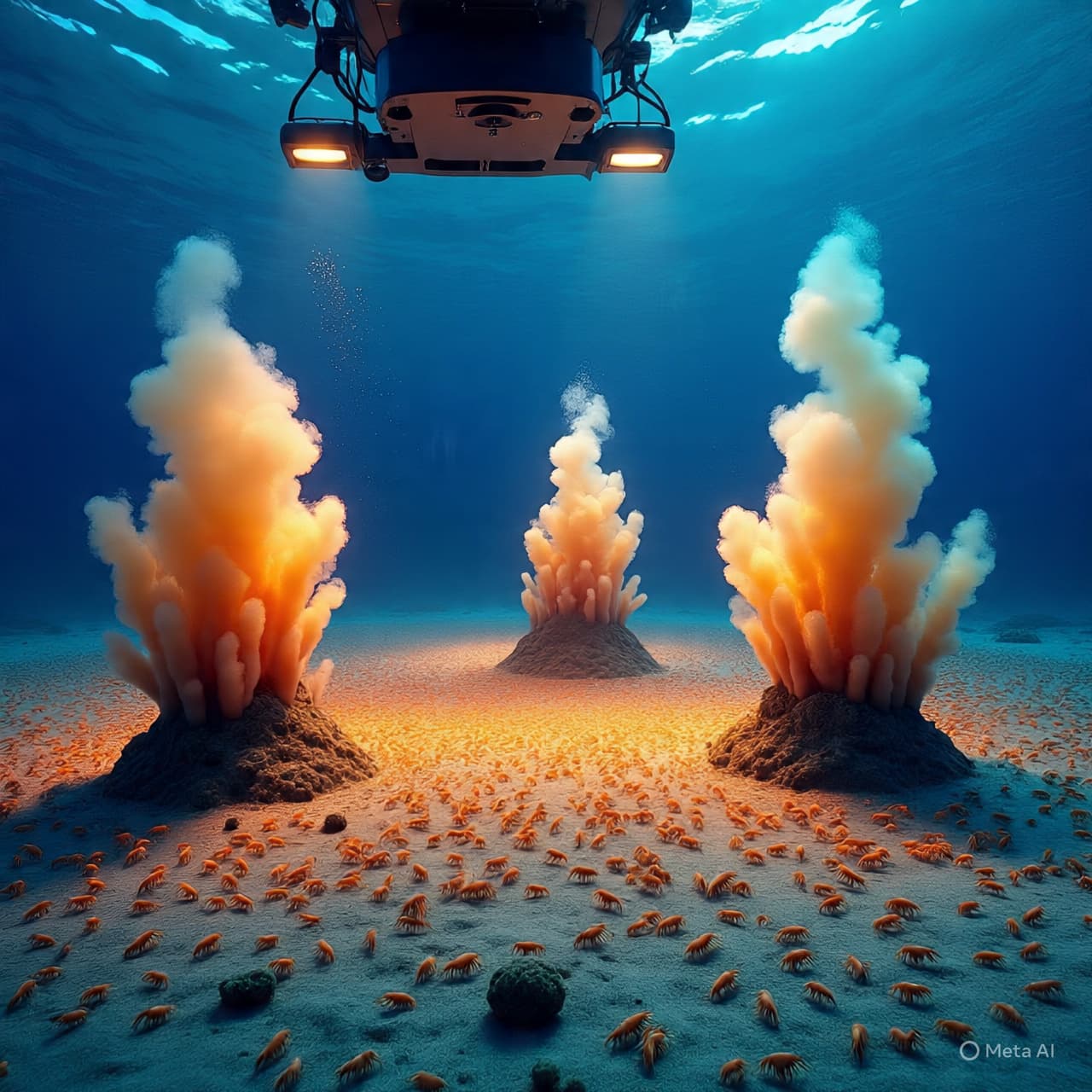
Norwegian marine scientists have discovered a massive hydrothermal vent field in the North Atlantic, revealing new deep-sea ecosystems and active geological processes.

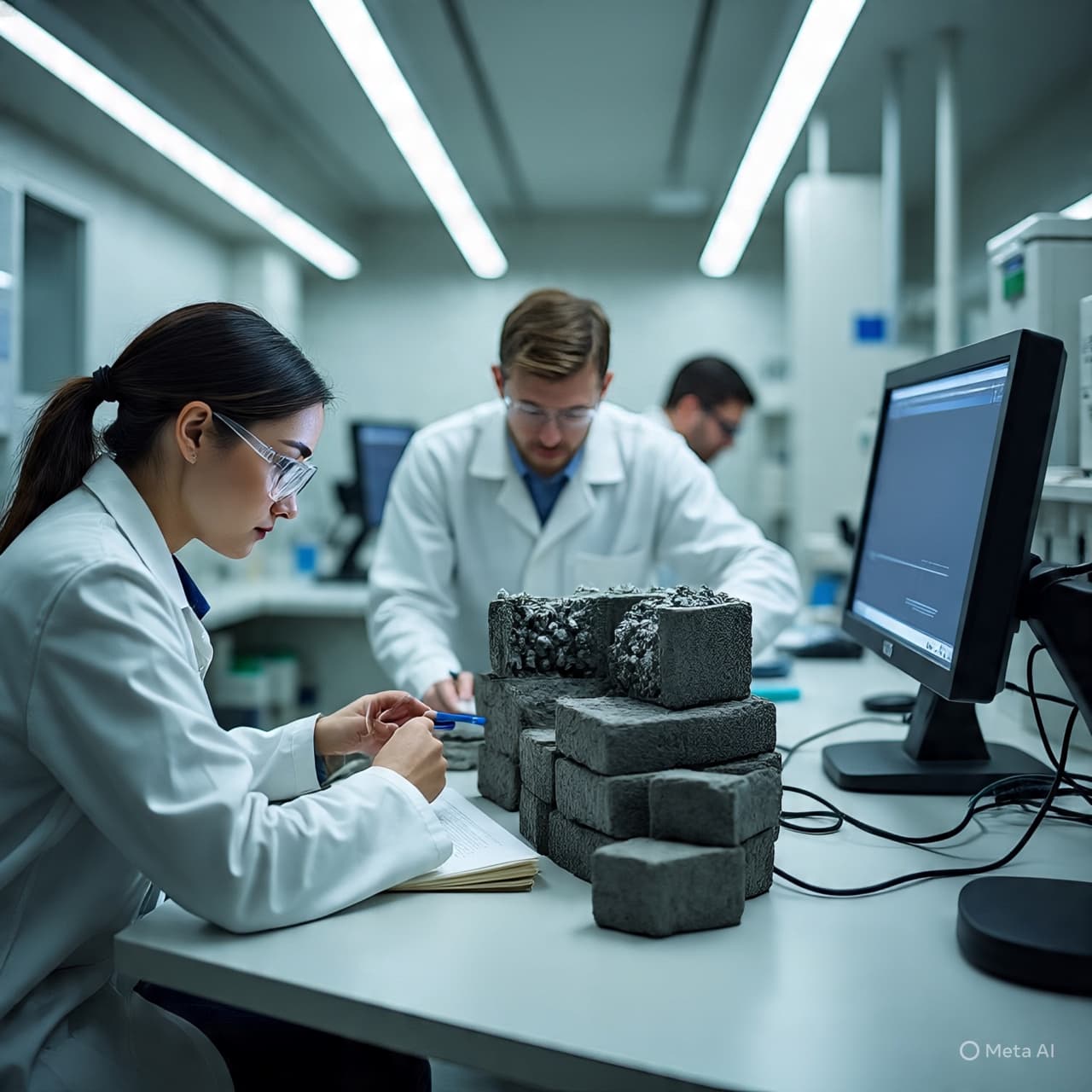
University of Oslo researchers developed carbon-capture bricks that lock CO₂ into building materials, offering a low-emission path for sustainable urban construction.

Norway’s new satellite mission has begun mapping Arctic methane leaks, giving scientists a clearer orbital view of emissions from thawing permafrost, wetlands, and polar seabeds

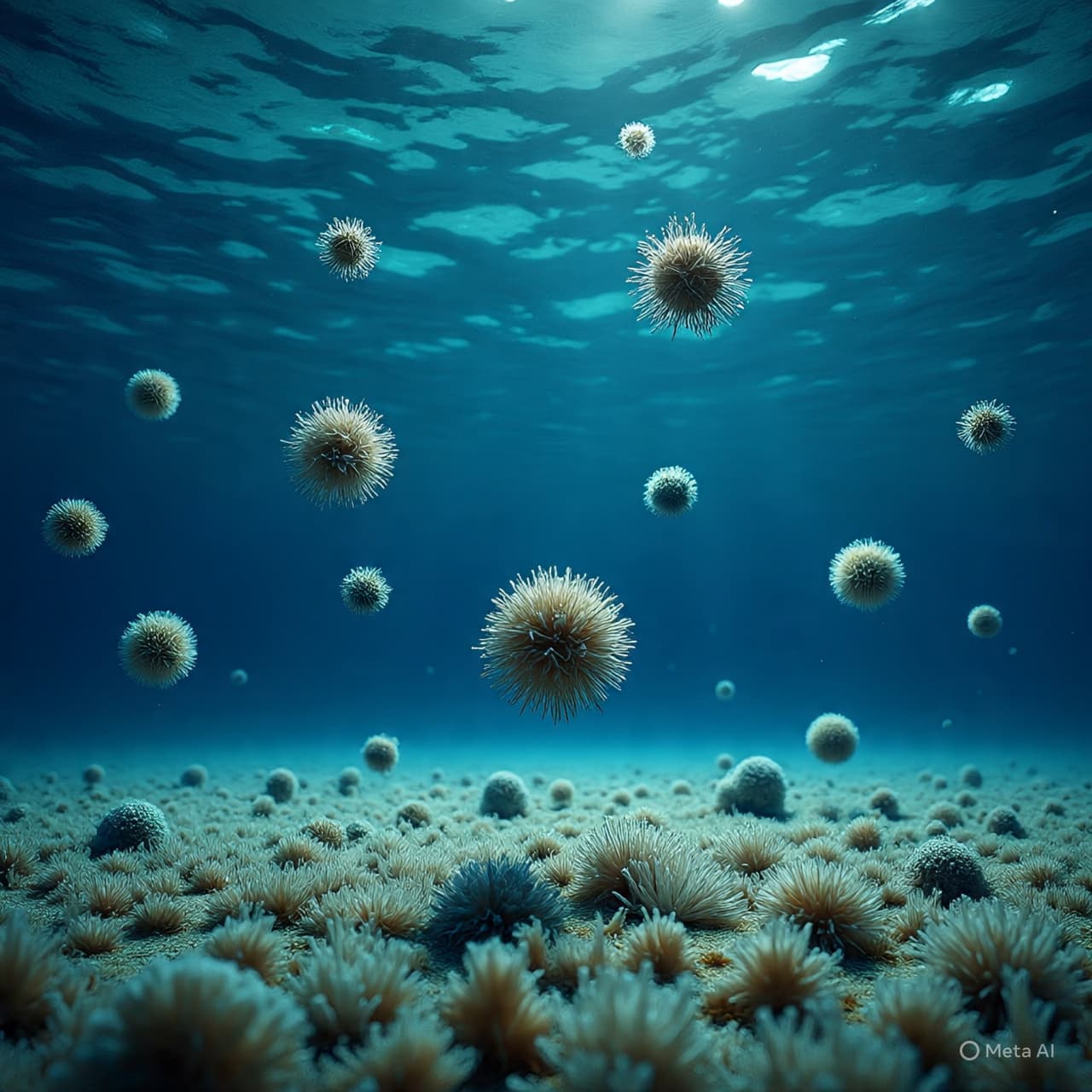
Bergen researchers found deep-sea microbes can consume microplastics on the ocean floor, revealing how human waste is entering even the oldest microbial cycles of the abyss.

A Norwegian tech-led autonomous electric cargo ship signals a new era of zero-emission maritime freight, replacing thousands of diesel truck journeys each year.

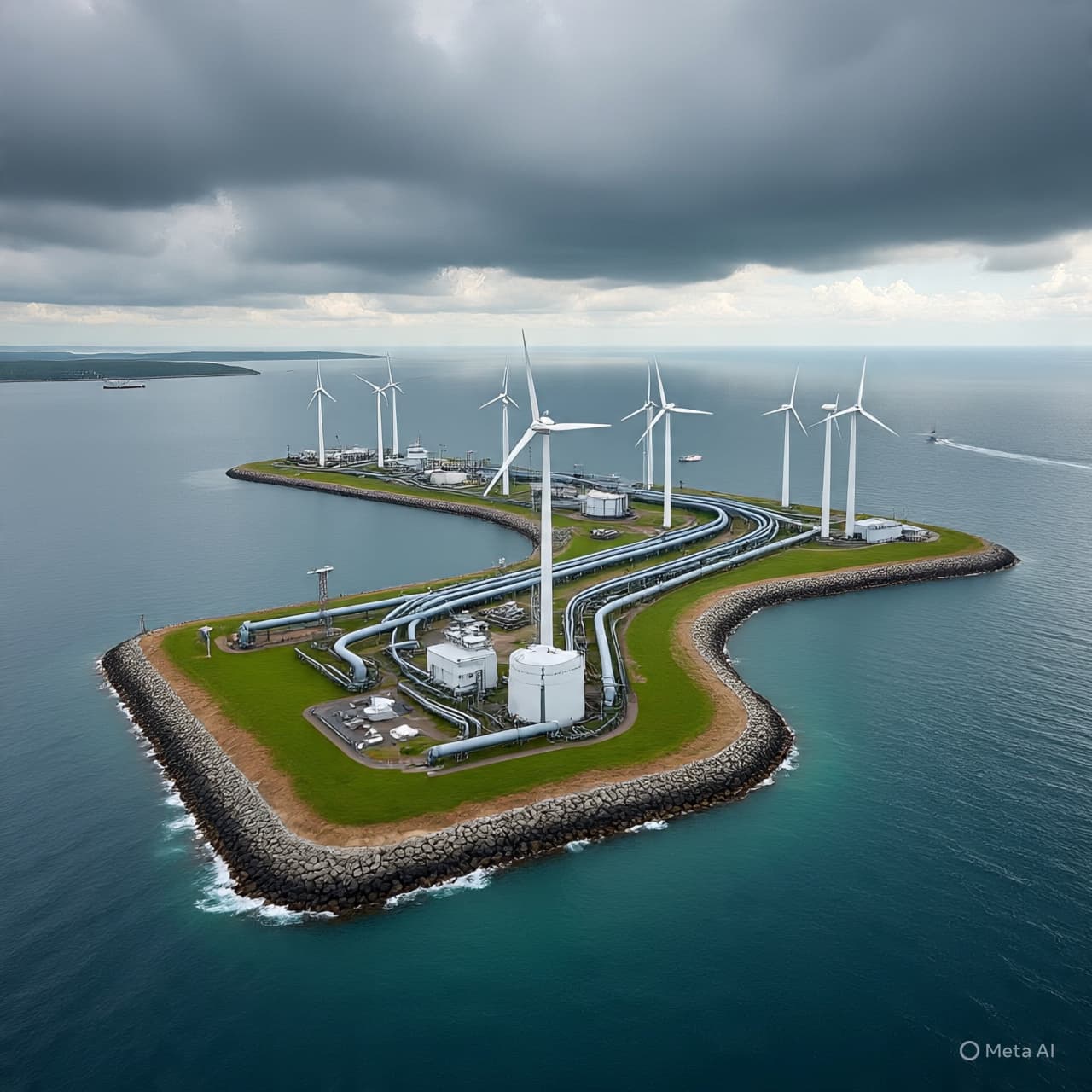
Denmark launches the world’s first offshore artificial island focused on green hydrogen, turning North Sea wind into exportable clean fuel.

A Danish quantum lab reports improved logical-qubit stability during active error correction, marking a significant step toward fault-tolerant quantum computing.