
Key Highlights
- Discovery:Queensland researchers find antimicrobial compounds in native fungi.
- Significance:These compounds may lead to new antibiotics against resistant bacteria.
- Conservation:The research underscores the importance of preserving rainforest biodiversity.
[Scientific Breakthrough in Queensland]
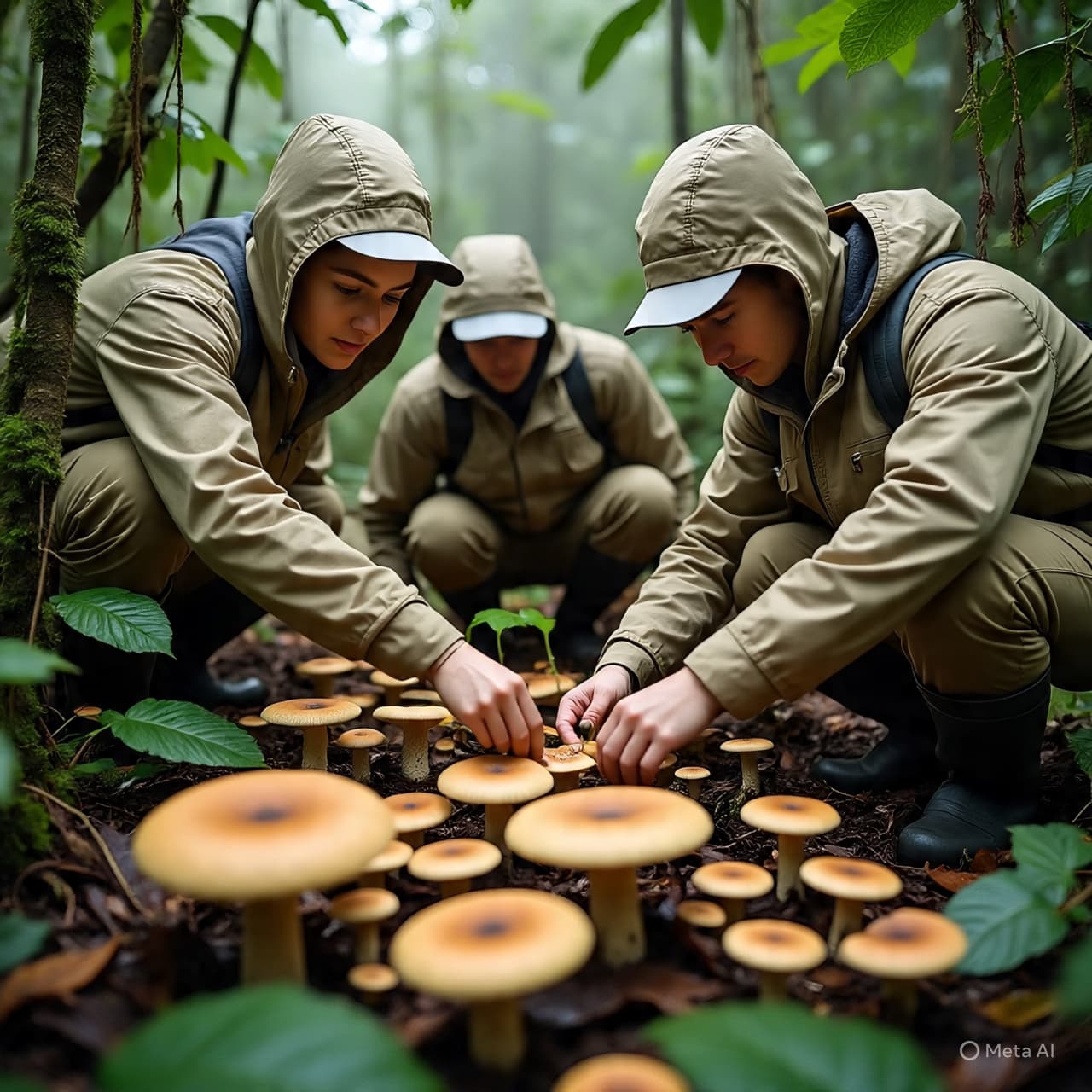
In the lush rainforests of Queensland, Australia, researchers have made a groundbreaking discovery that could reshape the future of medicine. By examining the forest floor, they have identified native fungi that produce compounds with potential antimicrobial properties. These findings suggest that the rich biodiversity of the rainforest may hold the key to developing new antibiotics, particularly in the face of rising antimicrobial resistance.
The rainforest environment is a complex ecosystem where various species compete for survival. Fungi, in particular, have evolved over millions of years to develop chemical defenses against bacterial competitors. Recent studies conducted by scientists in Queensland have isolated several compounds from these fungi that demonstrate promising activity against antibiotic-resistant strains of bacteria. This discovery is particularly significant given the ongoing crisis of antibiotic resistance, which has left healthcare providers with fewer effective treatment options.
[The Urgency of Antibiotic Resistance]
The urgency of this research cannot be overstated. Modern medicine has been grappling with the challenge of antibiotic resistance, where bacteria evolve rapidly, outpacing the development of new drugs. The compounds derived from Queensland's fungi represent a potential solution, offering a new avenue for antibiotic discovery. Unlike synthetic drugs, these natural compounds are shaped by ecological pressures, making them unique and potentially more effective against resistant pathogens.
Queensland has a long history of successful antimicrobial screening programs, which have positioned the region as a leader in natural-product drug discovery. The researchers are now moving forward with deeper screening of the identified fungal compounds, focusing on toxicity analysis and structural optimization. This process will help determine whether these compounds can be developed into viable clinical antibiotic candidates.
[The Path from Forest to Laboratory]
The journey from the rainforest to the laboratory is a fascinating one. In their natural habitat, fungi play a crucial role in breaking down organic matter, returning nutrients to the ecosystem. In the lab, these same fungi may help combat the persistence of dangerous pathogens. The compounds identified in this research are still in the early stages of discovery, but they open up new chemical pathways for medicinal chemists to explore.
Queensland's rainforests are often referred to as biological libraries, filled with untapped resources waiting to be discovered. The question now is whether the next generation of antibiotics is already hidden beneath the dense foliage, waiting to be recognized and harnessed for medical use. As researchers continue their work, the importance of conserving these biodiverse ecosystems becomes increasingly clear, not only for their ecological value but also for their potential contributions to human health.
[Future Directions]
As the research progresses, scientists are optimistic about the potential of these fungal compounds to lead to new treatments for infections that currently pose significant challenges to public health. The findings from Queensland not only highlight the importance of biodiversity in drug discovery but also emphasize the need for continued investment in the conservation of rainforest ecosystems. The future of antibiotics may very well depend on the secrets held within these ancient forests.
Published by Banx Network. This article is part of the Banx decentralized media programme, powered by the BXE token on the XRP Ledger.



