The Silver Needle Piercing the Veil, Where the Mahia Peninsula Touches the Deep Stars
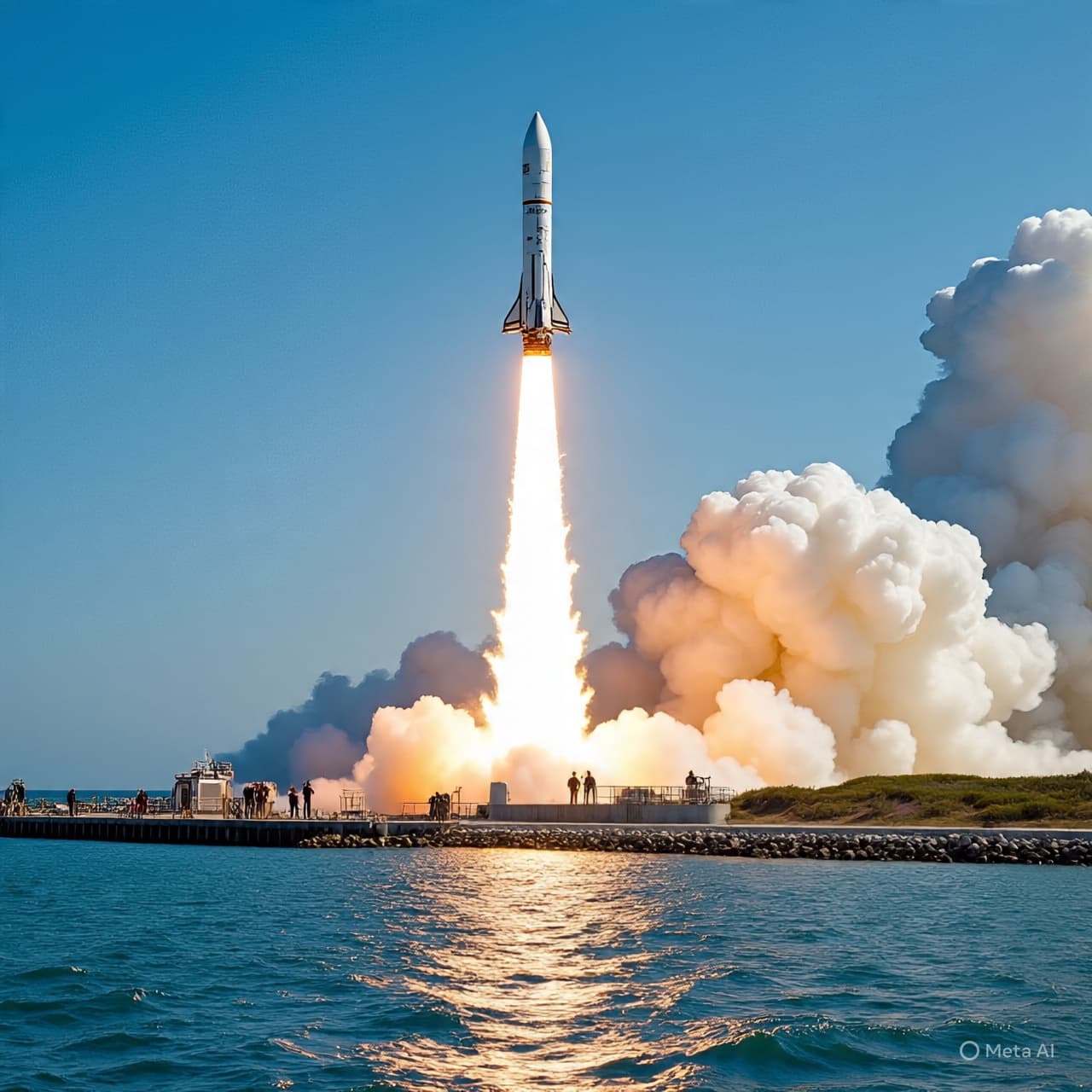
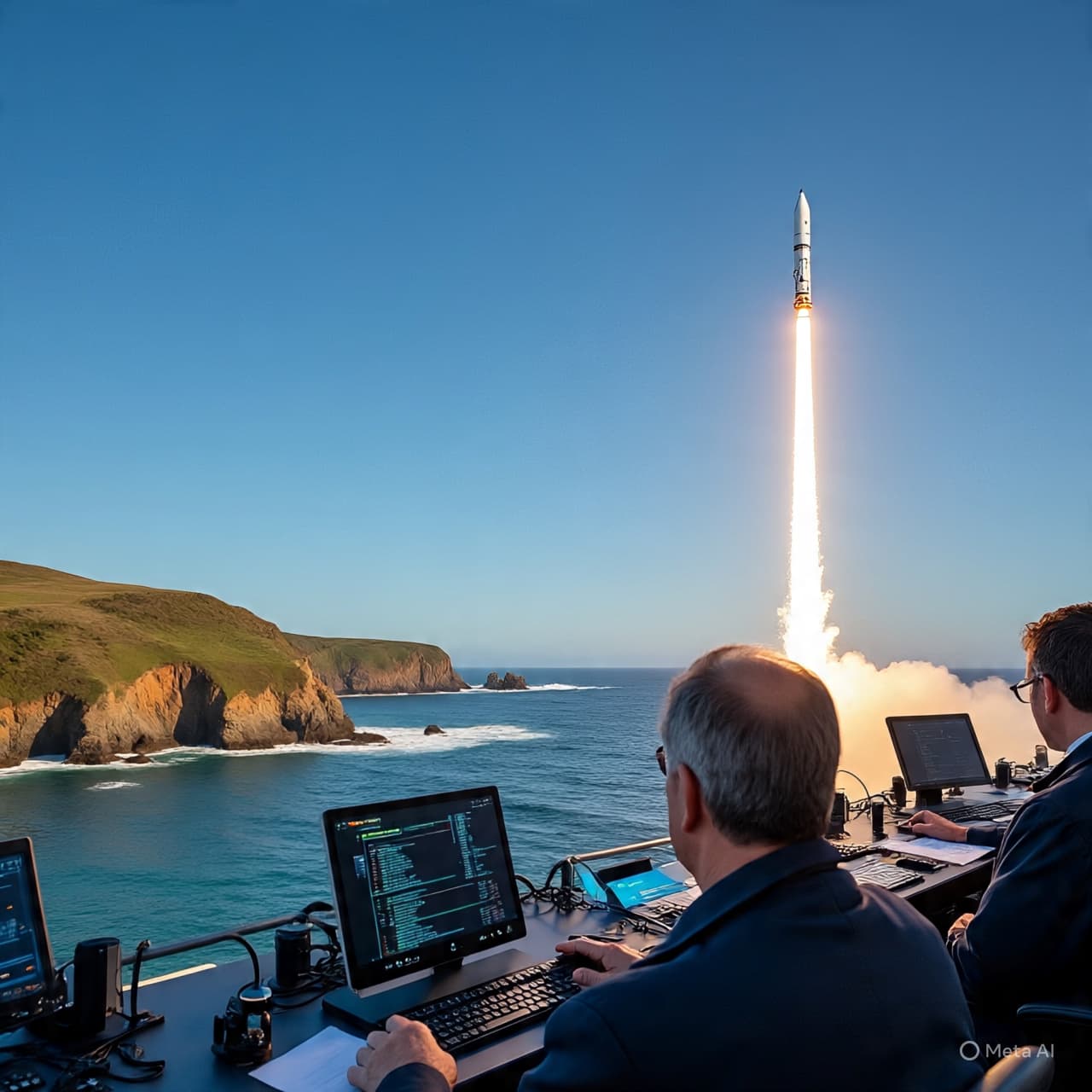
New Zealand’s space industry reaches new heights with a successful commercial launch from Mahia, solidifying its role as a premier global gateway to orbi

New Zealand’s space industry reaches new heights with a successful commercial launch from Mahia, solidifying its role as a premier global gateway to orbi

University of Otago researchers pioneer a rapid digital tool to track coastal erosion, offering a new horizon of clarity for protecting New Zealand’s shorelines.

Scientists discovered a cosmic-ray cavity between Earth and the Moon, revealing that space in this region is shaped by magnetic fields and particle interactions rather than being uniform.

Scientists can now observe nanoscale chemical reactions in real time, revealing how solar energy converts into fuel and enabling more efficient renewable energy technologies.

New observations reveal pulsars emitting radio signals beyond their expected magnetic limits, challenging existing models of neutron star behavior and expanding understanding of extreme physics.

An editorial look at Israel’s 2026 cybersecurity framework for its power grid, reflecting on the necessity of digital defense in an interconnected world.

A reflection on the 2026 Malaysia Technology Excellence Awards, celebrating the pioneers and innovators driving the nation's digital transformation

A reflection on Singapore’s massive investment in AI literacy, exploring the bridge between human intellect and the rising power of artificial intelligence.

An editorial look at the financial and social complexities of funding Singapore’s massive climate adaptation and coastal defense projects.

The Argentine microsatellite ATENEA, launched as part of NASA's Artemis II mission, successfully established communication from a record distance of 70,000 kilometers from Earth, marking a significant achievement for Argentina's space efforts.

New Zealand researchers use AI underwater drones to map methane seeps, improving understanding of ocean emissions and climate impact.

NASA’s Artemis II astronauts captured stunning new images of Earth from deep space, offering a rare perspective as humans return to lunar missions after decades.

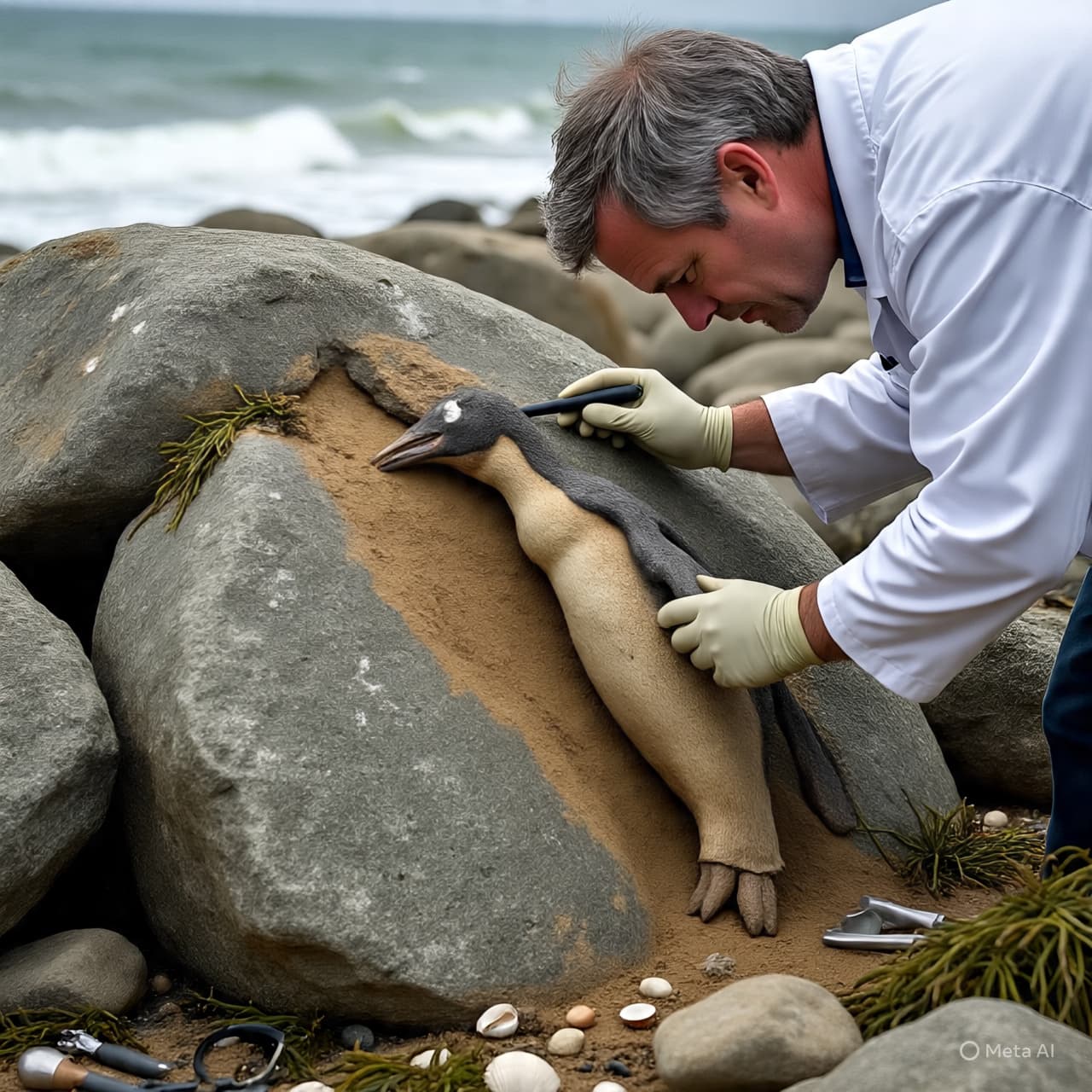
Paleontologists have uncovered fossils of a giant prehistoric penguin species in Otago, revealing remarkable size and deepening understanding of penguin evolution.

Massey University develops plant-based protein that closely mimics dairy texture, offering creamy, versatile alternatives for sustainable food production.

Glaciologists have recorded localized ice gains in specific Southern Alps sectors, revealing how topography and storm patterns can briefly offset melt in isolated glacier zones.

A Wellington tech lab reports a hydrogen storage-density breakthrough that could make fuel-cell transport and grid storage more compact, efficient, and commercially viable.

A rare sungrazer comet, C/2026 A1 (MAPS), reaches its closest approach to the Sun on April 4, 2026, raising uncertainty over whether it will survive extreme solar conditions.

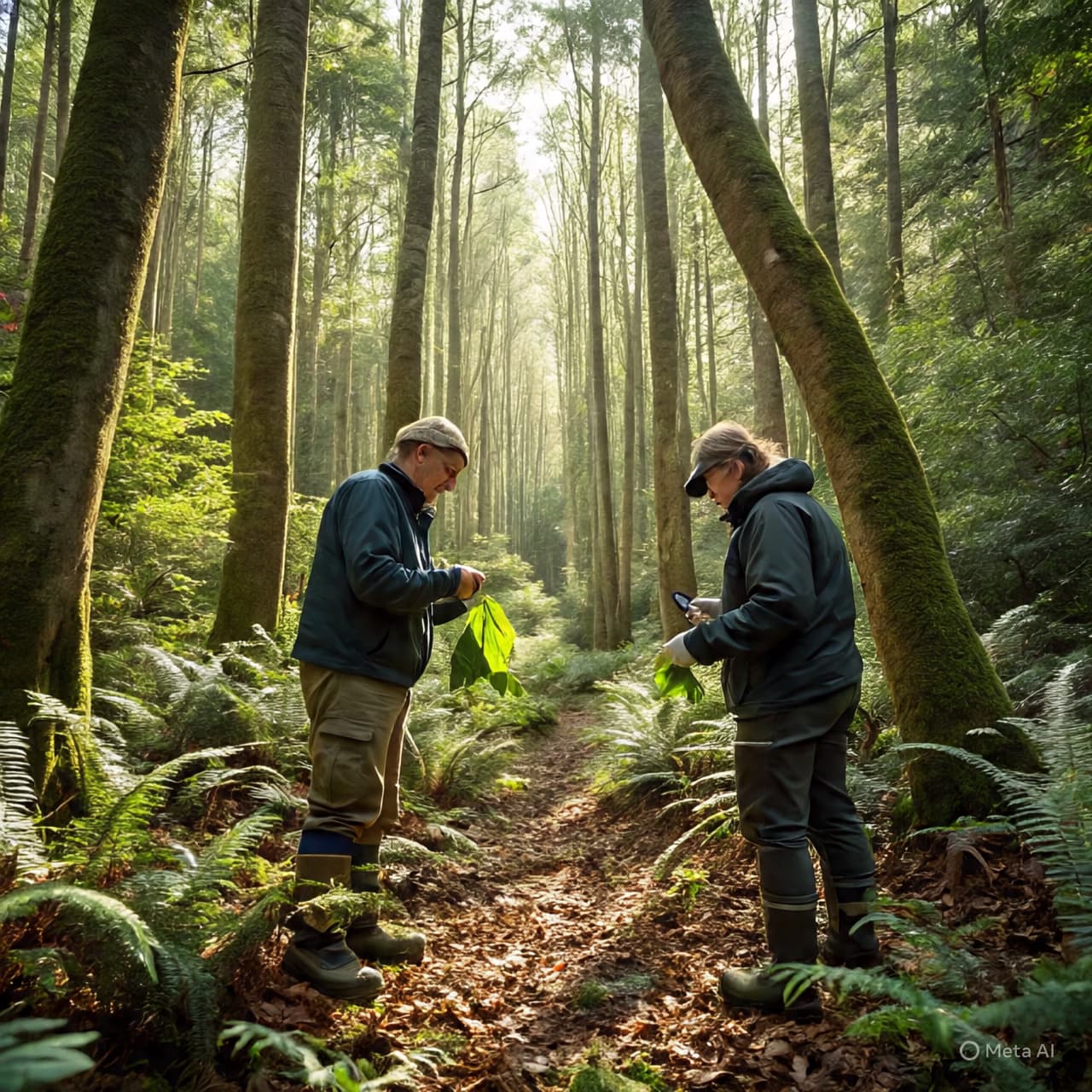
New research reveals unique genetic markers in New Zealand’s indigenous forest trees, improving restoration, conservation, and understanding of local evolutionary lineages.

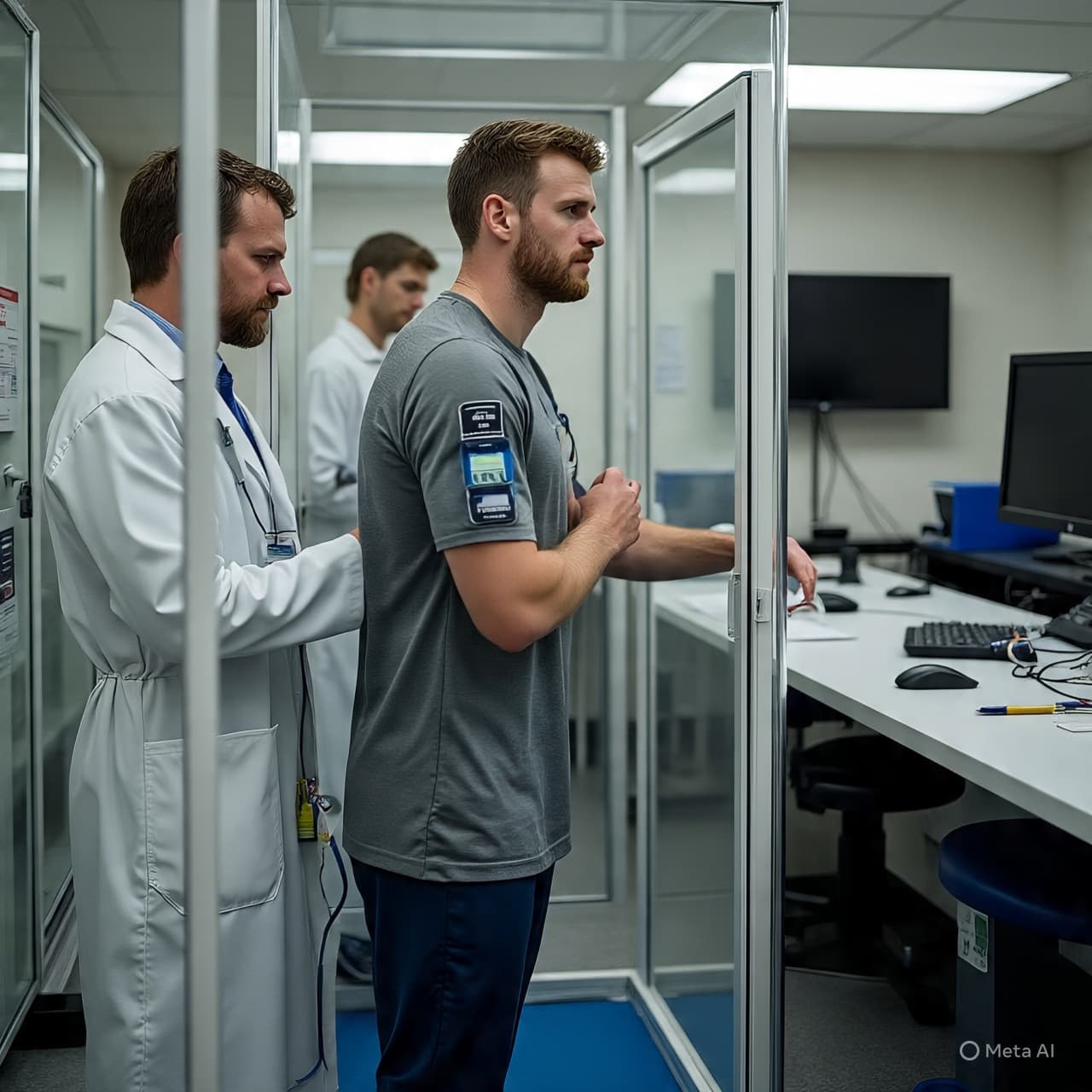
Auckland bioengineers have developed wearable hydration sensors that track fluid loss in real time, helping prevent dehydration during extreme heat exposure.

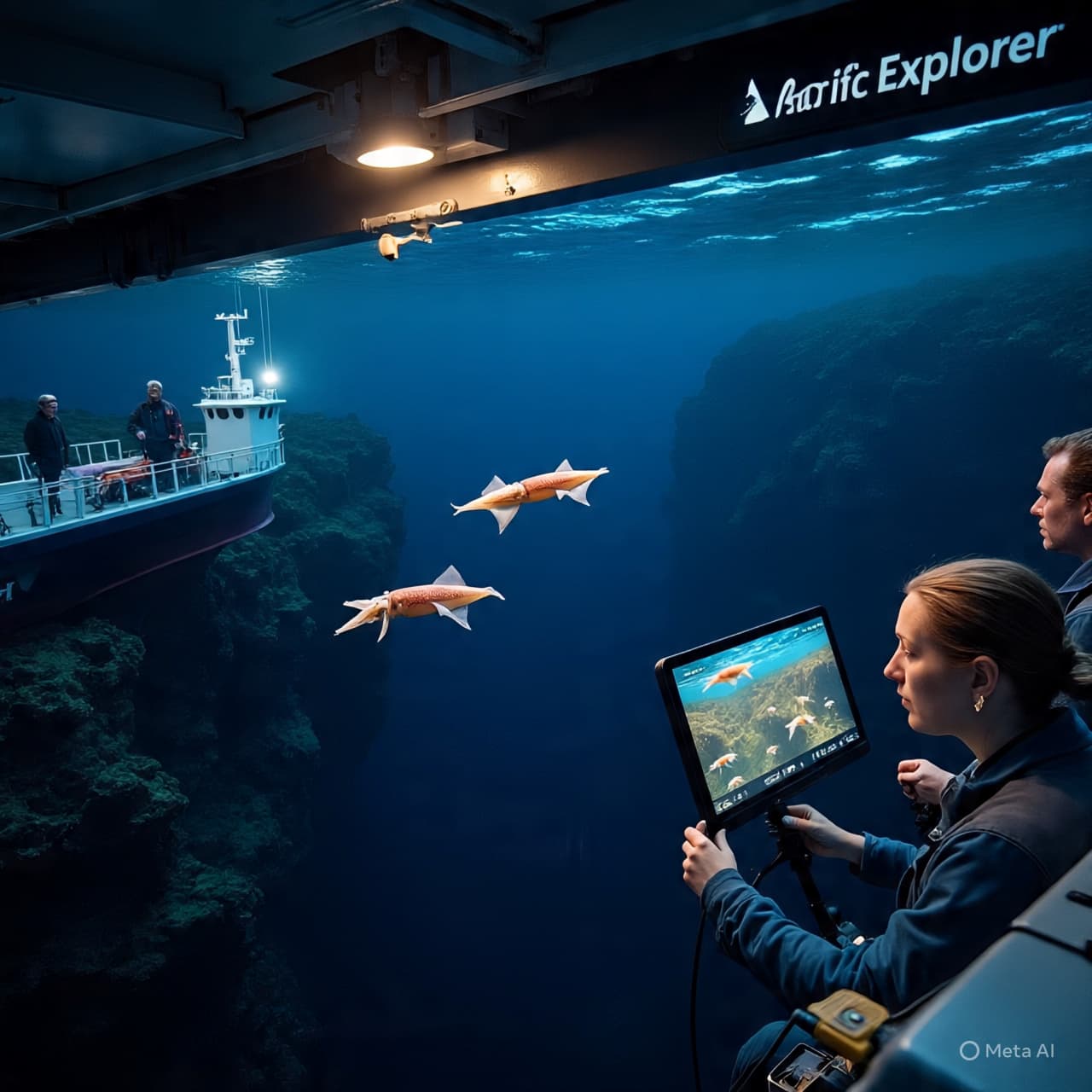
Marine biologists have identified a giant squid nursery in deep trenches off Kaikōura, offering rare insight into the earliest life stages of one of the ocean’s most elusive giants.

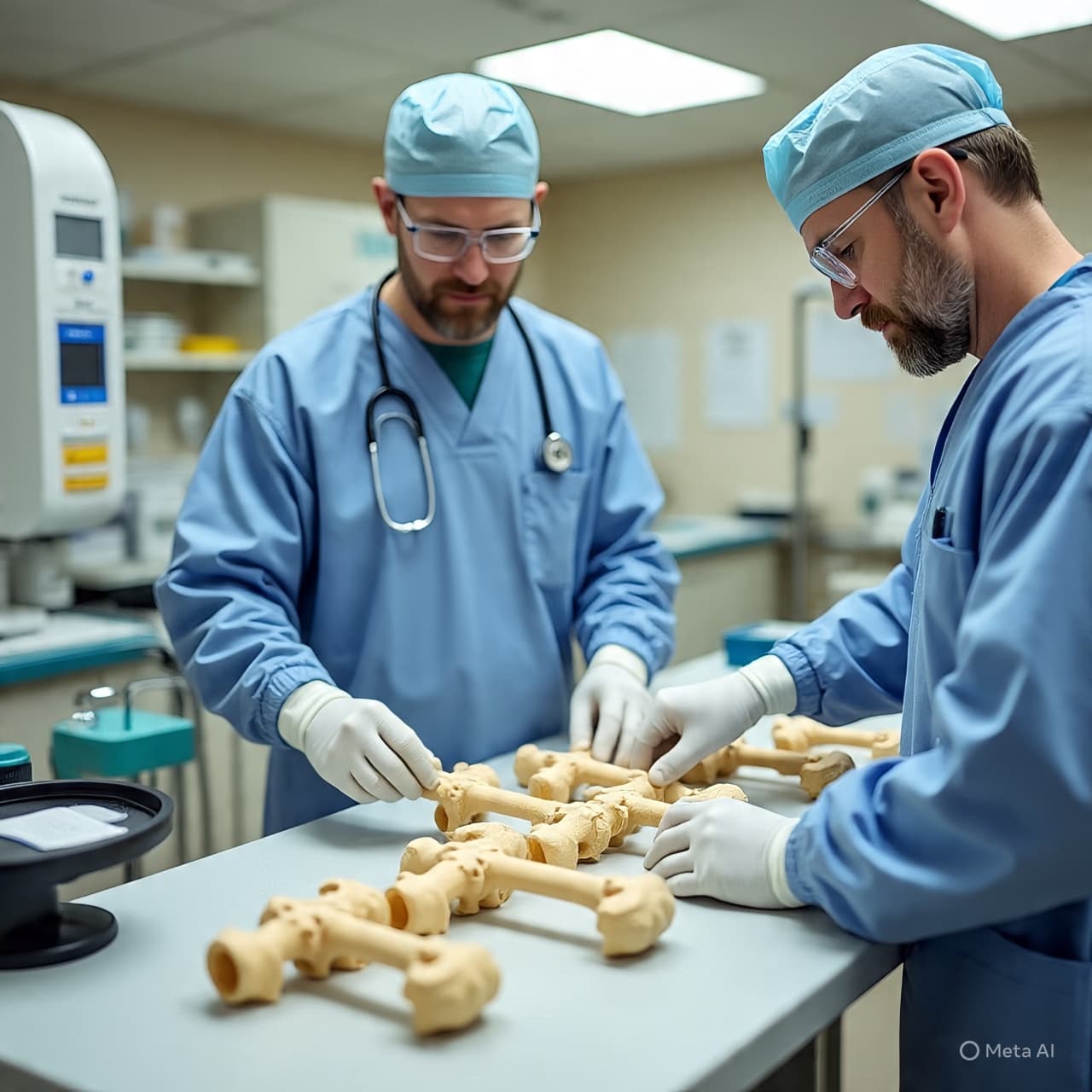
Christchurch researchers have begun human trials of 3D-printed bone scaffolds, advancing personalized regenerative implants for safer and more natural bone repair.

New Zealand has successfully launched a high-resolution climate satellite, strengthening national forecasting, emissions tracking, and Pacific climate resilience.

University of Otago researchers have identified new early neurological pathways linked to Alzheimer’s, advancing blood and retinal screening tools before symptoms appear.

NIWA has launched a national soil moisture monitoring network to detect drought risk earlier, improving farm resilience and water planning across New Zealand.