
SCIENCE91% credibility
Where Water Meets Wind: A New Way to Trace the Quiet Paths of Energy
Hydrogen-powered drones successfully enable long-range power grid inspections in remote fjords with extended flight time and improved access.
5 min read

Hydrogen-powered drones successfully enable long-range power grid inspections in remote fjords with extended flight time and improved access.
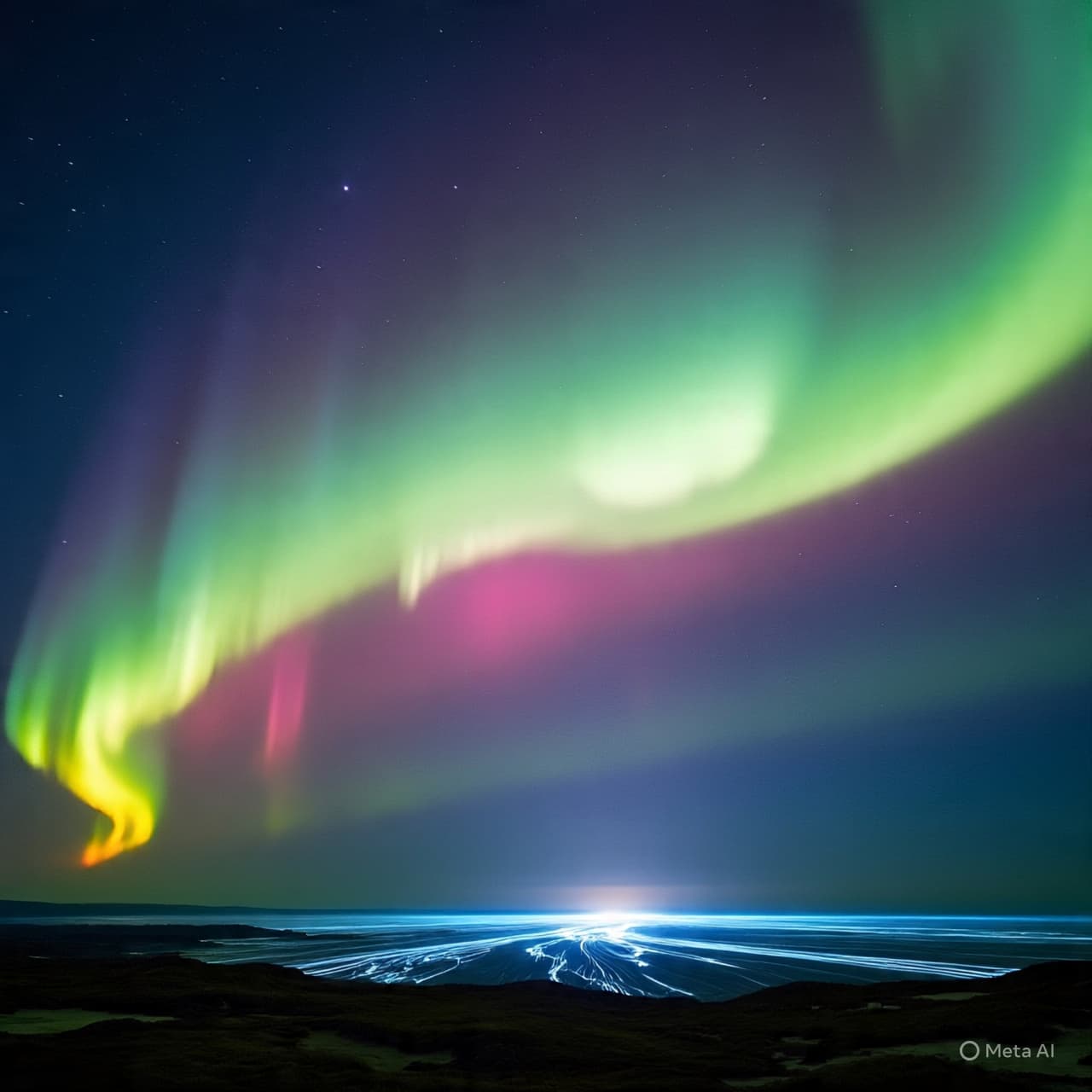
Scientists map an invisible geomagnetic “dark twin” of the aurora to better protect power grids from solar-driven magnetic disruptions.

A major report highlights structural issues in Australia’s research system, calling for coordinated and bold reforms to better support innovation.

Dr. Lachlan Rogers is named in UNESCO’s Global Quantum Top 100 for his work in diamond-based quantum technology research and innovation.
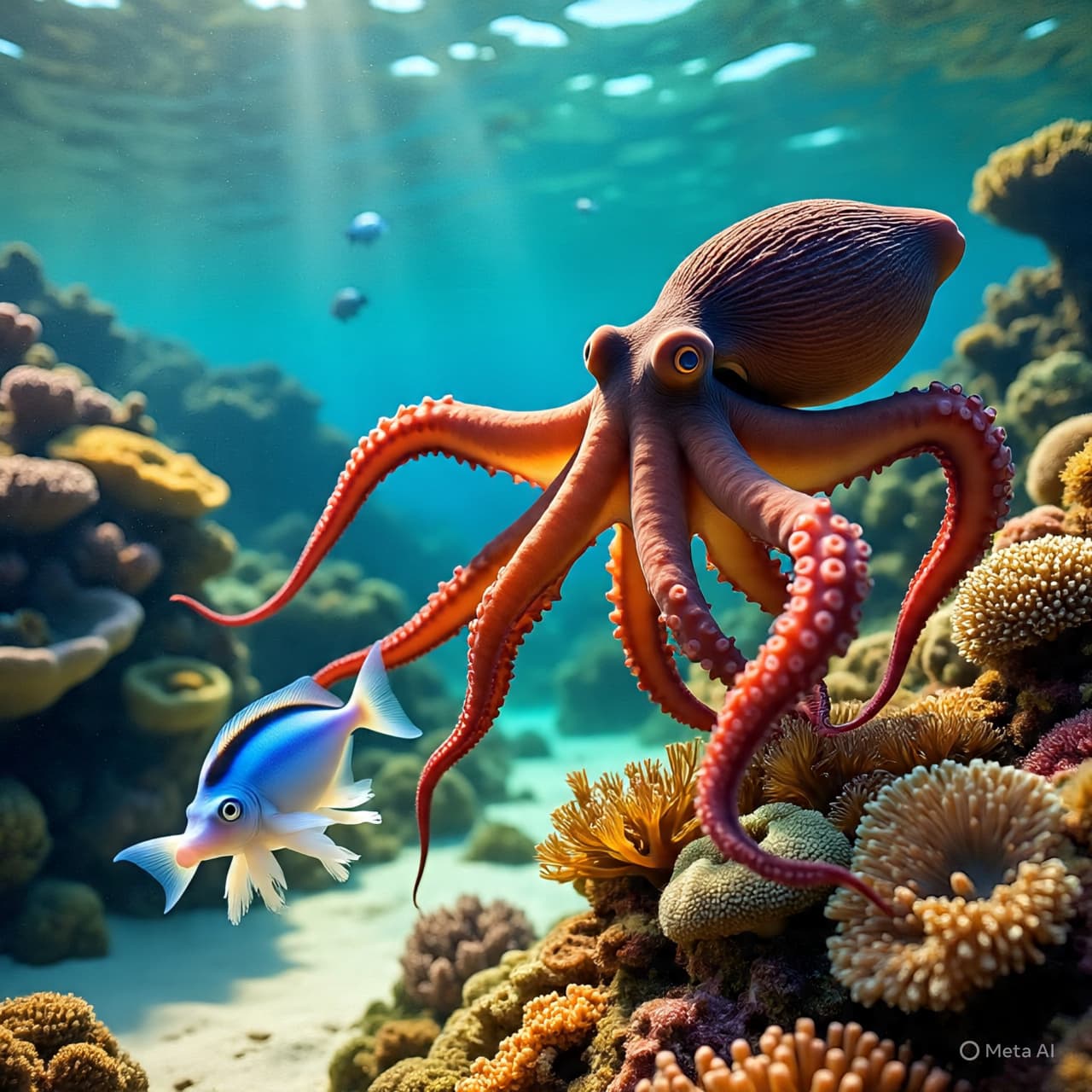
Researchers observe rare cooperative hunting behavior in Great Barrier Reef octopuses, revealing new insights into their social and survival strategies.

Scientists uncover new clues explaining Earth’s magnetic field reversals over 600 million years, linking them to core dynamics and heat flow.

University of Sydney researchers map brain networks linked to stress resilience, offering new insights into how the mind adapts to ongoing pressure.

A major study finds flu vaccines significantly reduce the risk of secondary heart attacks, highlighting broader benefits for cardiovascular patients.

An Adelaide startup successfully tests a low-orbit satellite array, advancing faster and more flexible communication networks for remote connectivity.

AI-powered mapping tools now monitor coral bleaching in real time, helping researchers track and respond to changes in reef ecosystems more quickly.

NIWA records highest rainfall in NZ’s Upper North Island, prompting new climate models to better understand shifting weather patterns.

Scientists develop seaweed supplement to reduce methane emissions in dairy farming, offering a practical approach to lowering agricultural impact.

A new drying method enables long-term protein storage at room temperature, potentially transforming medical supply chains and research practices.

NZ scientists discover a one-eyed ancient worm, offering new insights into how early vision evolved from simple light detection.

Deep-sea protected zones show fish population recovery up to 200%, highlighting the impact of conservation efforts in restoring marine ecosystems.

A study finds digital rudeness can trigger more analytical thinking, as people activate logical defense mechanisms in response to harsh communication.

Auckland researchers created AI that interprets privacy policies with 85% accuracy, aiming to make complex digital agreements easier to understand.
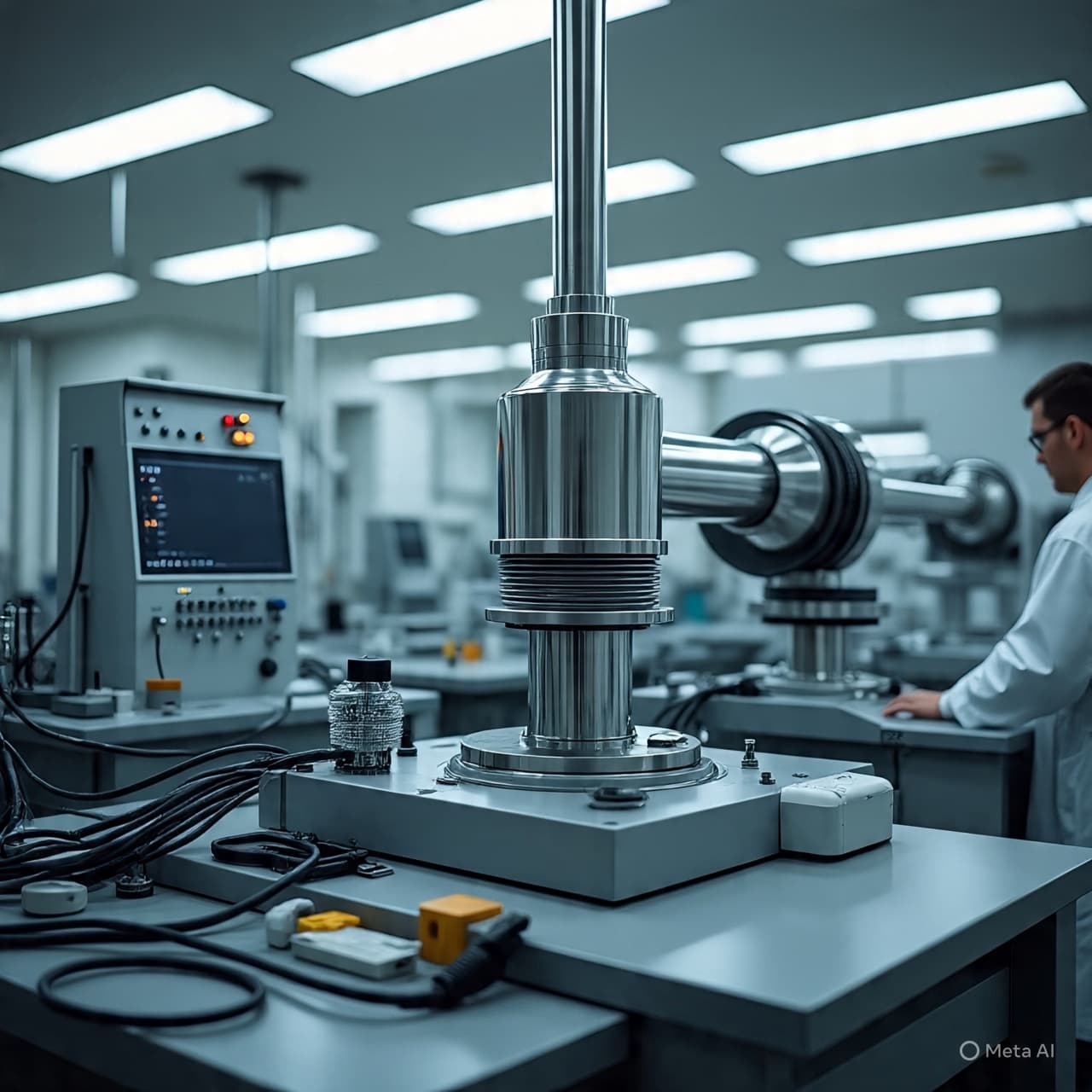
NZ scientists test a new superconducting magnet for fusion research, advancing efforts toward clean, next-generation energy.
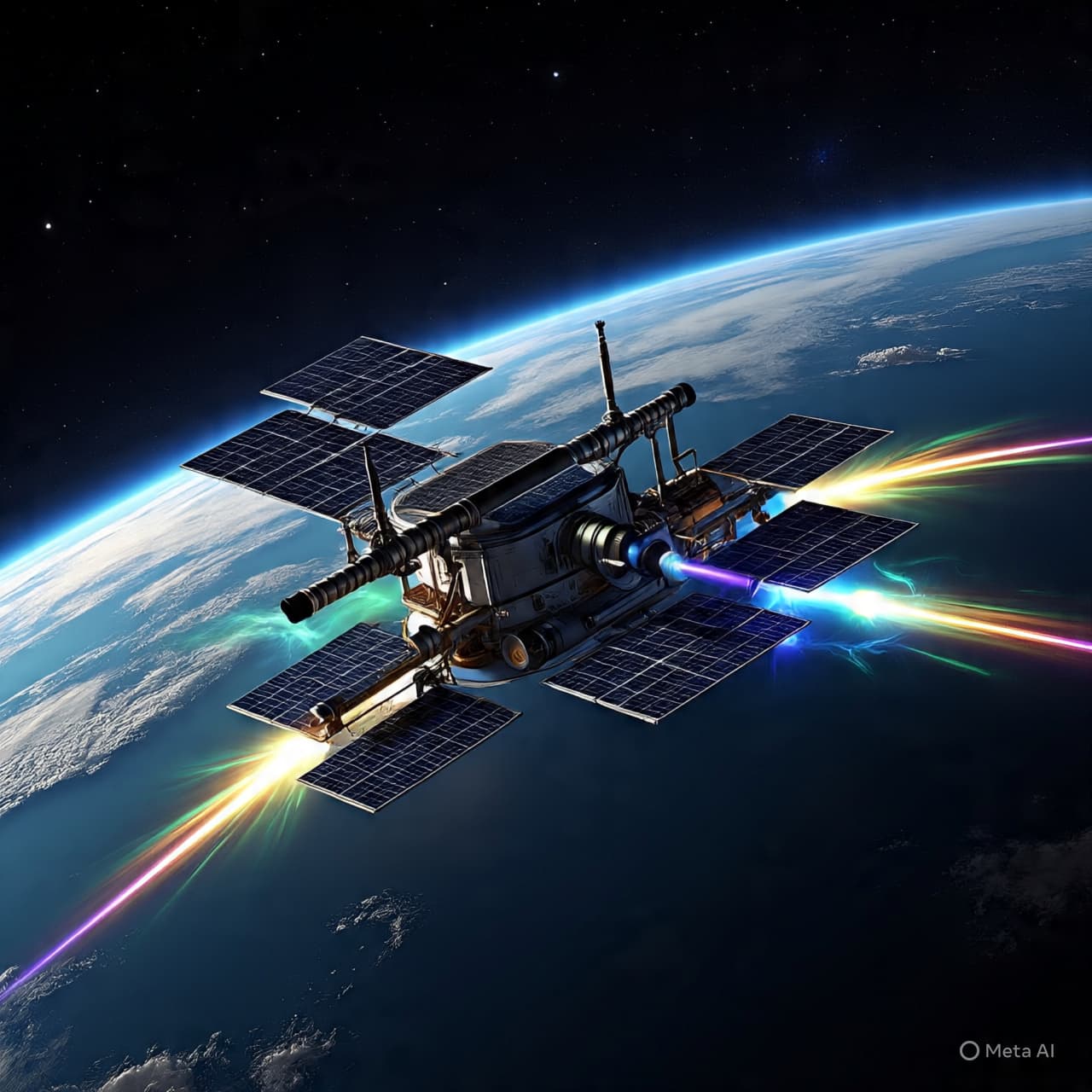
The UK Space Agency and ESA prepare to launch SMILE on April 9, a mission to study how solar winds interact with Earth’s magnetosphere.

Dutch Research Council funds €5.2M to develop kidney-on-a-chip technology, advancing alternatives to animal testing and improving biomedical research accuracy.

iiasa vienna launches a global study on climate overshoot strategies, exploring scenarios where warming exceeds limits and how recovery pathways may unfold.

Marine biologists use AI to track Atlantic mammal migration near the Hebrides, revealing new insights into ocean patterns and marine ecosystem behavior.

UK and US regulators expand cooperation on medical devices, aiming to streamline approvals and accelerate access to innovative healthcare technologies.

New fossils reveal early complex animals existed before the Cambrian Explosion, offering the first clear look at how modern life began to take shape.