

Key Highlights
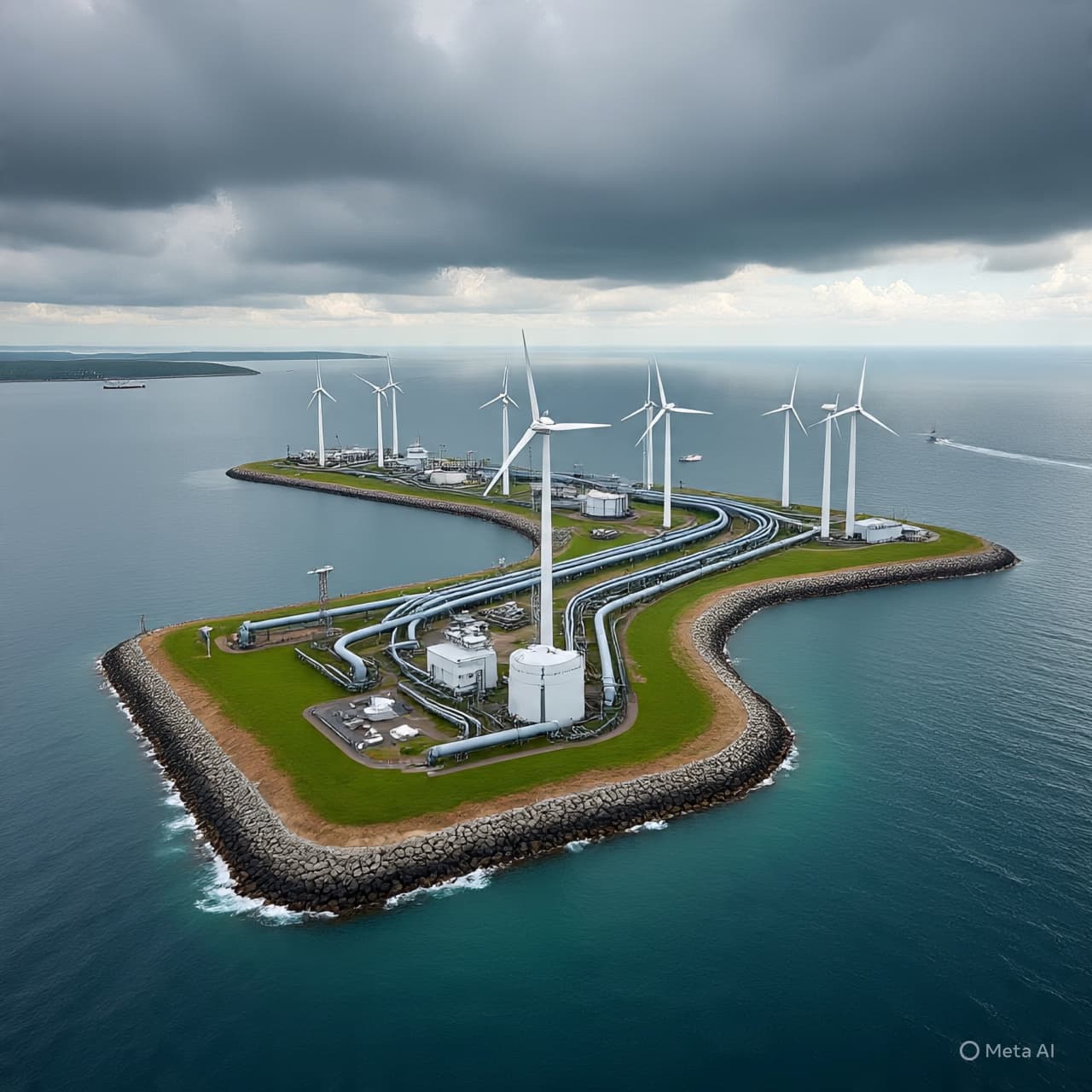
- Denmark has inaugurated the world's first offshore artificial island dedicated to hydrogen production.
- The project aims to produce green hydrogen using offshore wind energy, supporting European industries.
- The hydrogen island is part of Denmark's broader energy strategy, expected to be operational by 2030.
Denmark is making headlines with its ambitious new project: the world's first offshore artificial island designed specifically for large-scale hydrogen production. Situated in the North Sea, this innovative venture represents a significant leap in the country's ongoing commitment to renewable energy and sustainability. The island is not just a physical structure; it embodies Denmark's vision of transforming the sea into a hub of energy innovation, where wind energy can be converted into storable and transportable hydrogen.
The concept of the hydrogen island is part of Denmark's long-standing tradition of harnessing the power of the sea. With decades of experience in offshore wind energy, the nation is now taking a bold step forward by creating an infrastructure that will facilitate the production of green hydrogen. This hydrogen will serve as a crucial resource for industries that are challenging to electrify, including shipping, heavy manufacturing, and aviation. The project is expected to generate up to 10 gigawatts of offshore wind energy, which will be utilized for electrolysis to produce hydrogen at a scale that is increasingly seen as vital for Europe's energy future.
The significance of this project extends beyond its immediate technological advancements. It symbolizes a shift in how we perceive energy production and distribution. The hydrogen produced on this island will not only be used domestically but will also be integrated into cross-border energy systems, enhancing energy security and sustainability across Europe. The island acts as a bridge between renewable energy generation and the demand for clean energy solutions, positioning Denmark as a leader in the global energy transition.
Moreover, the hydrogen island is a testament to Denmark's innovative spirit and its ability to adapt to the changing landscape of energy needs. As the world grapples with the challenges of climate change and the need for decarbonization, this project serves as a model for other nations looking to invest in renewable energy infrastructure. The integration of pipelines, interconnectors, and partnerships with neighboring countries, such as the ongoing collaboration with Germany on the Bornholm project, illustrates how these offshore spaces can redefine geographical and energy boundaries.
As the hydrogen island project progresses, it is expected to support millions of households indirectly through its connected wind capacity, while also supplying green hydrogen to various sectors across Europe. Officials anticipate that the broader offshore hydrogen network could become operational by 2030, marking a significant milestone in Denmark's energy strategy. This initiative not only highlights the potential of offshore renewable energy but also raises philosophical questions about our relationship with the sea and its role in shaping a sustainable future.
In conclusion, Denmark's hydrogen island is more than just an engineering feat; it is a bold statement about the future of energy. By transforming the North Sea into a workshop for decarbonization, Denmark is paving the way for a new era of energy production that prioritizes sustainability and innovation.
Published by Banx Network. This article is part of the Banx decentralized media programme, powered by the BXE token on the XRP Ledger.




