
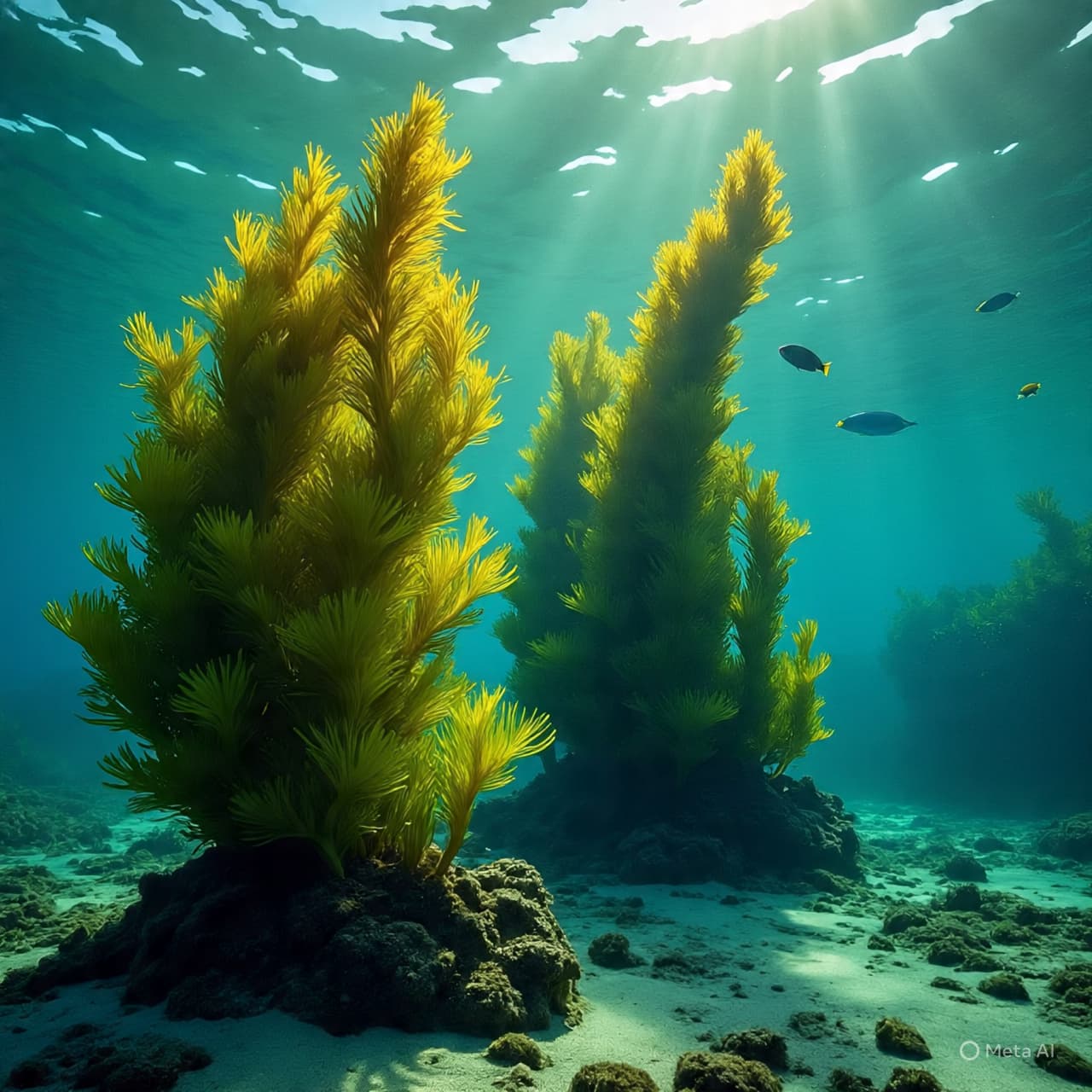
Key Highlights
- Recovery of Kelp:Major resurgence of kelp forests in northern Scottish waters.
- Ecological Importance:Kelp forests provide habitat and support biodiversity.
- Marine Policy Impact:Findings influence conservation strategies and blue carbon initiatives.
The northern waters of Scotland are witnessing a significant ecological revival as marine researchers confirm the recovery of kelp forests. These underwater ecosystems, vital for marine biodiversity, are showing major signs of resurgence, restoring not only the seaweed itself but also the structural integrity of the marine environment. Kelp forests serve as essential habitats for juvenile fish, provide anchoring grounds for invertebrates, and create feeding corridors for larger predators. Their recovery is crucial for maintaining the health of Scotland's coastal ecosystems and contributes to the nation's blue carbon wealth, which plays a significant role in carbon cycling and storage.
The resurgence of kelp in these northern waters is particularly poignant, as these forests have long been an integral part of the marine landscape. Kelp, anchored to the seabed by tough holdfasts, grows upward through clear, nutrient-rich waters, forming a submerged counterpart to terrestrial forests. The recent recovery suggests that protective measures, reduced disturbances in certain areas, and a deeper understanding of kelp's resilience after stress are allowing these underwater forests to thrive once again.
Marine conservation efforts in the UK have increasingly focused on the importance of passive recovery versus active restoration. Researchers emphasize that knowing when to intervene and when to allow natural processes to take place is becoming central to marine policy. The recovery of kelp forests indicates that with the right conditions, marine ecosystems can rebound significantly, which has profound implications for biodiversity conservation and coastal resilience.
The patience of kelp is emblematic of the northern seas. It grows slowly, responding to seasonal changes in current, temperature, and light. Over time, these subtle increments lead to the formation of complex habitats that support a diverse array of marine life. As fish nurseries reform and crustaceans reclaim their shelters, the seabed regains its layered, living depth, showcasing the resilience of these ecosystems.
The findings from recent studies reveal that the recovery of Scotland's underwater forests is not merely a sudden miracle but a testament to the measured resilience of marine life. Despite facing challenges from warming seas and destructive seabed activities, kelp forests are proving that recovery is possible when conditions allow the ocean to heal. The evidence gathered from these northern waters underscores the importance of protecting and maintaining less-disturbed marine zones, which can significantly enhance biodiversity and contribute to blue carbon strategies in the UK.
As monitoring efforts continue, scientists will assess whether the gains in kelp forest recovery remain stable amid future climate variability. The ongoing research will be crucial in shaping marine conservation policies and ensuring the long-term health of Scotland's coastal ecosystems.
Published by Banx Network. This article is part of the Banx decentralized media programme, powered by the BXE token on the XRP Ledger.



