
Key Highlights
- Carbon-Capture Innovation:University of Oslo develops bricks that store CO₂.
- Sustainable Construction:New materials aim to reduce embodied carbon emissions.
- Climate Mitigation:Oslo leads in integrating carbon capture into urban development.
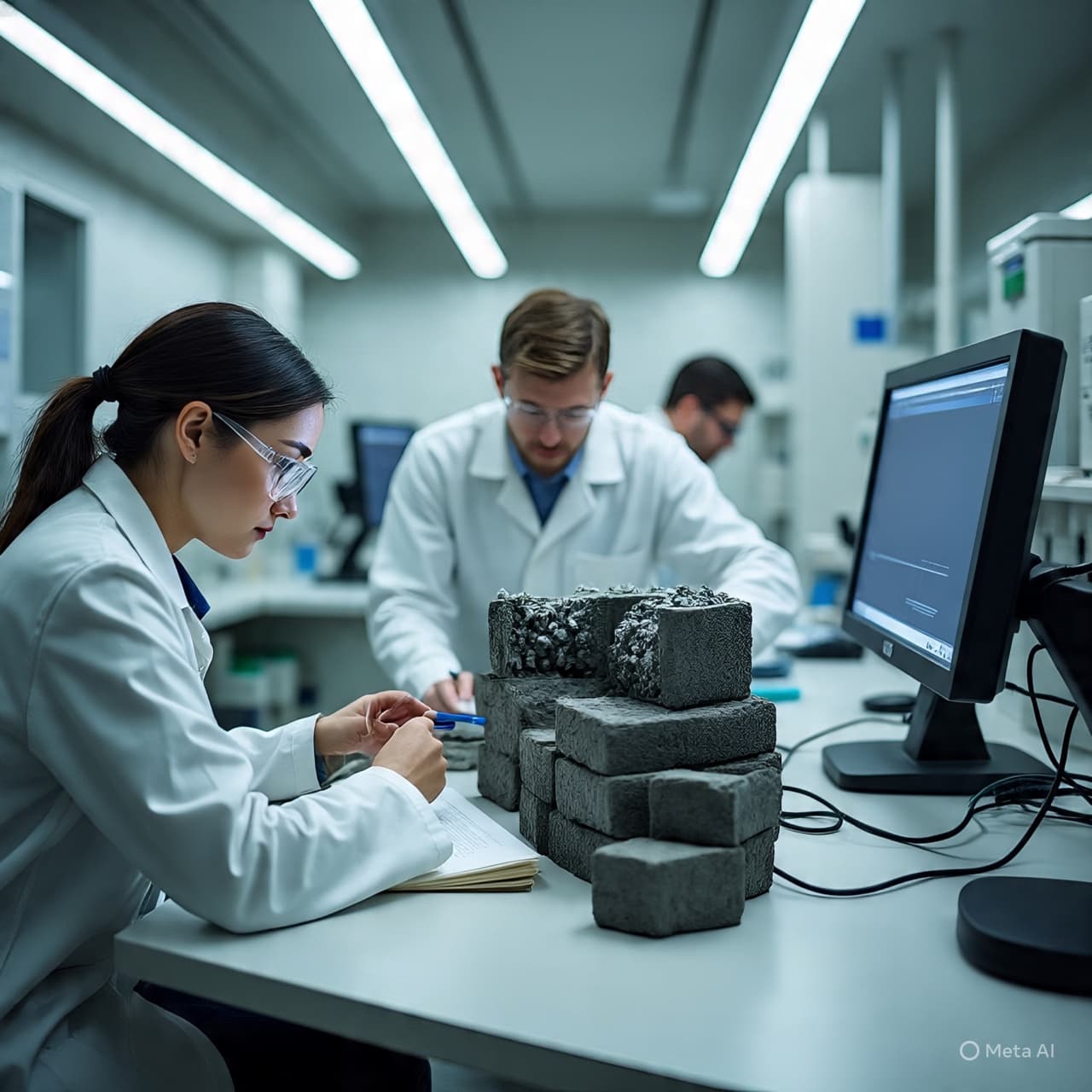
Oslo, a city known for its innovative approaches to sustainability, is making strides in the construction sector with a groundbreaking development: carbon-capture bricks. Researchers at the University of Oslo have created a new type of brick that not only serves as a building material but also acts as a storage solution for carbon dioxide. This innovation represents a significant step forward in the fight against climate change, as it allows for the mineralization of captured CO₂, effectively locking it away within the structure of the bricks.
The concept of carbon-capture bricks is rooted in both scientific research and environmental necessity. Traditional construction materials, particularly cement and fired bricks, contribute significantly to global carbon emissions. The construction industry is responsible for a substantial portion of embodied emissions, which are released during the production of materials long before a building is even occupied. By transforming carbon dioxide into stable mineral forms within bricks, the University of Oslo's research team is addressing this critical issue head-on.
The process of mineral carbonation involves capturing CO₂ from the atmosphere or industrial processes and incorporating it into building materials. This not only reduces the amount of carbon released into the atmosphere but also enhances the durability and longevity of the materials used in construction. Recent studies have shown that accelerated mineral carbonation can effectively bind CO₂ into cement-based products, thereby reducing lifecycle emissions while maintaining structural integrity.
In Oslo, the implications of this technology are profound. The city has emerged as a leader in carbon capture initiatives, with various projects aimed at reducing emissions through innovative technologies. By embedding carbon-capture capabilities into everyday building materials, Oslo is paving the way for a future where climate mitigation becomes an integral part of urban development. This approach signifies a shift in how we perceive construction materials, transforming them from mere physical structures into active participants in the fight against climate change.
While carbon-capture bricks alone cannot solve the construction sector's environmental challenges, they represent a significant advancement in material science and sustainability. The potential for these bricks to store carbon while providing essential building functions—such as insulation and structural support—opens new avenues for architects and builders. This innovation encourages a reimagining of what building materials can achieve, suggesting that walls can do more than just enclose spaces; they can also contribute to a healthier planet.
The University of Oslo's research team is optimistic about the future of this technology. They believe that carbon-capture bricks will play a crucial role in Norway's broader strategy for low-emission construction and scalable carbon utilization. As cities around the world grapple with the realities of climate change, Oslo's pioneering efforts in sustainable building materials may serve as a model for others to follow, demonstrating that the integration of environmental responsibility into everyday construction is not only possible but essential for a sustainable future.
Published by Banx Network. This article is part of the Banx decentralized media programme, powered by the BXE token on the XRP Ledger.



