
Key Highlights
- Microbes in deep-sea environments are consuming microplastics.
- Research from Bergen reveals ecological implications of this process.
- The interaction between microbes and microplastics raises concerns about marine ecosystems.
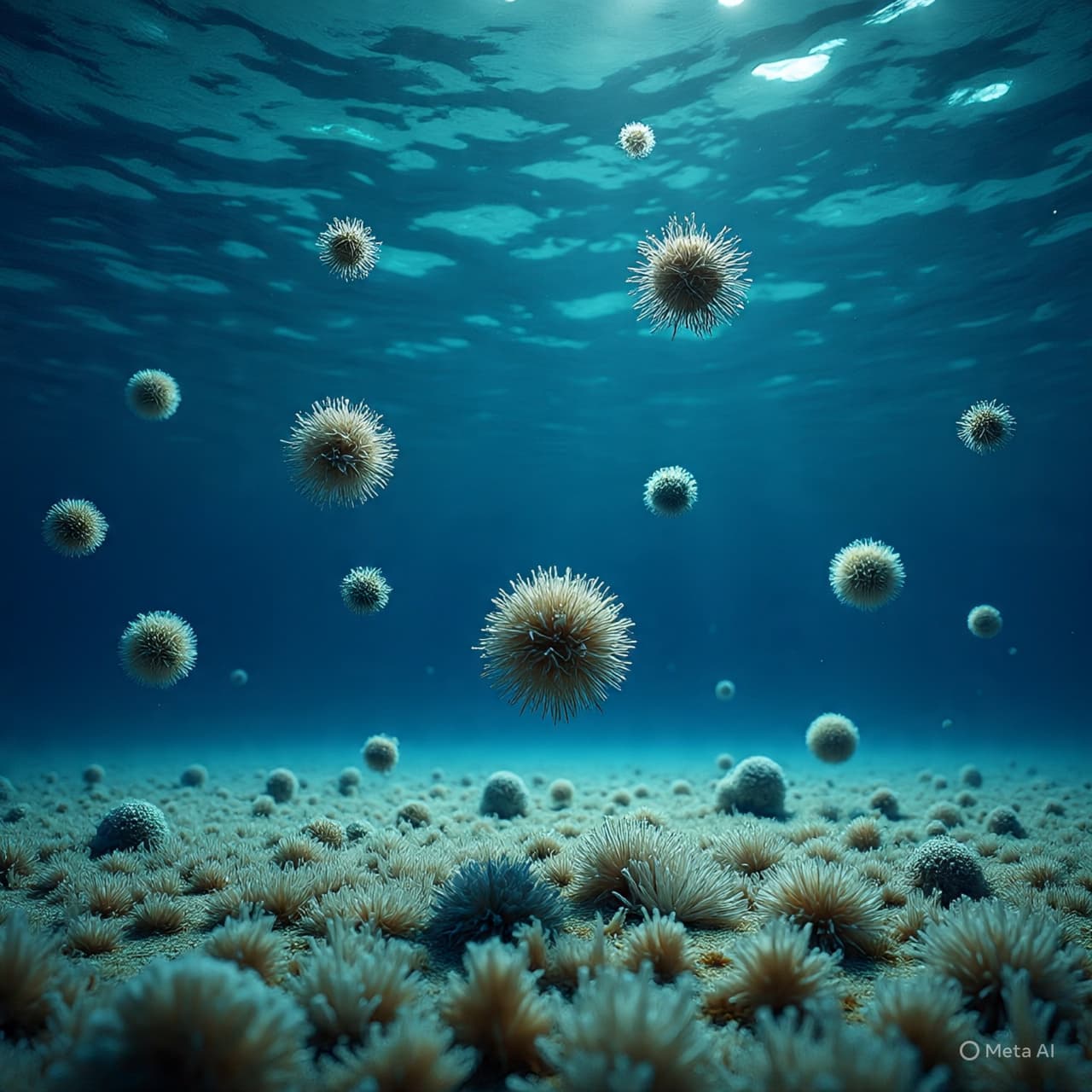
Researchers have uncovered a striking phenomenon occurring in the depths of the ocean, where deep-sea microbes are consuming microplastics that have descended from human activity. This discovery, stemming from studies conducted near Bergen, Norway, sheds light on the complex interactions between marine life and pollution, revealing a process that is both unsettling and intimate.
Microplastics, which originate from everyday items such as bottles, packaging, and fibers, eventually break down into minuscule particles that are nearly invisible to the naked eye. These particles, often referred to as marine snow, accumulate in the ocean's abyssal sediments. Here, they encounter microbial communities that have existed for millions of years, which now face a new challenge: the breakdown of synthetic materials that are foreign to their natural environment.
Recent studies have demonstrated that these ocean-floor microbes can colonize plastic materials and engage in their degradation, even under the extreme conditions of high pressure and low temperatures found at the seabed. This research builds upon earlier findings that microplastics have infiltrated deep-ocean food webs, impacting organisms in some of the planet's most isolated ecosystems.
The significance of the Bergen research lies not only in the chemistry of microbial degradation but also in the imagery it evokes. It illustrates a meeting of invisible life forms and the waste generated by human civilization in one of the least explored regions of the Earth. Microbes, which have historically played a crucial role in recycling carbon and other elements in the deep ocean, are now adapting their metabolic processes to include synthetic polymers that originate from urban environments.
This interaction between modern waste and ancient microbial life raises profound questions about the ecological consequences of plastic pollution. While the consumption of microplastics by microbes may suggest a form of waste management, scientists warn that this process does not guarantee a harmless outcome. The breakdown of plastics can lead to the creation of even smaller fragments, potentially altering chemical pathways and releasing compounds with unknown ecological effects.
The research from Bergen contributes to a growing body of evidence indicating that microplastics are pervasive throughout all ocean depths and are increasingly interacting with microbial systems on the seafloor. This discovery may provide insights into how plastic persists and transforms within deep-sea ecosystems, although the long-term ecological impacts remain a subject of ongoing investigation. As scientists continue to study these interactions, the implications for marine life and the health of ocean ecosystems become increasingly critical.
In conclusion, the findings from Bergen highlight the urgent need to understand the complex relationship between human-generated waste and marine ecosystems. As deep-sea microbes adapt to consuming microplastics, the broader ecological narrative unfolds, revealing the intricate connections between life and pollution in our oceans.
Published by Banx Network. This article is part of the Banx decentralized media programme, powered by the BXE token on the XRP Ledger.



