SCIENCE91% credibility
When Humans Go Further Than Ever Before, What Changes?
Artemis II crew sets a new record for the farthest human spaceflight, surpassing Apollo 13 and signaling a new phase in deep-space exploration.
5 min read

Artemis II crew sets a new record for the farthest human spaceflight, surpassing Apollo 13 and signaling a new phase in deep-space exploration.
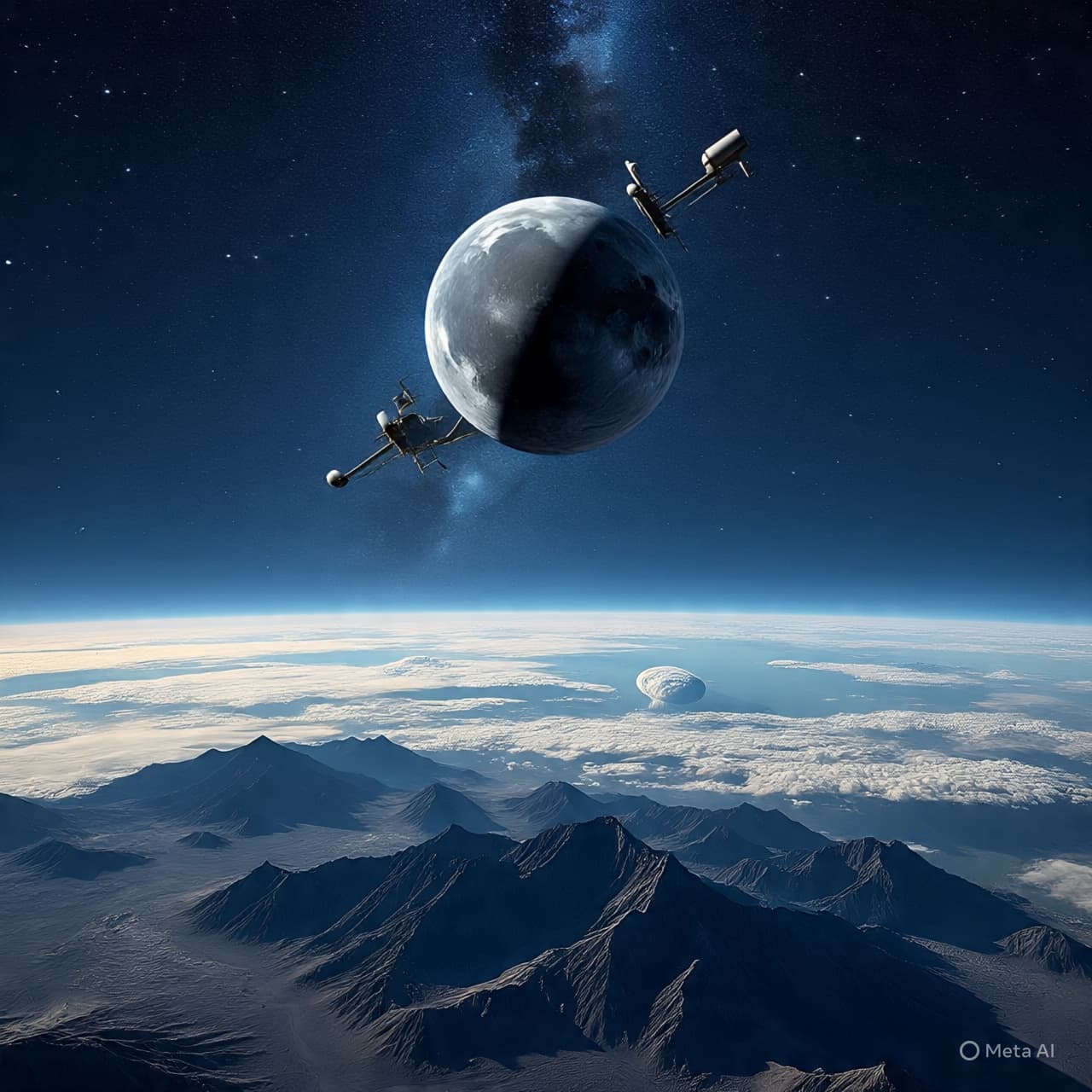
Artemis II successfully completed its lunar flyby, with NASA regaining contact after a planned blackout, marking a key milestone in human deep-space exploration.
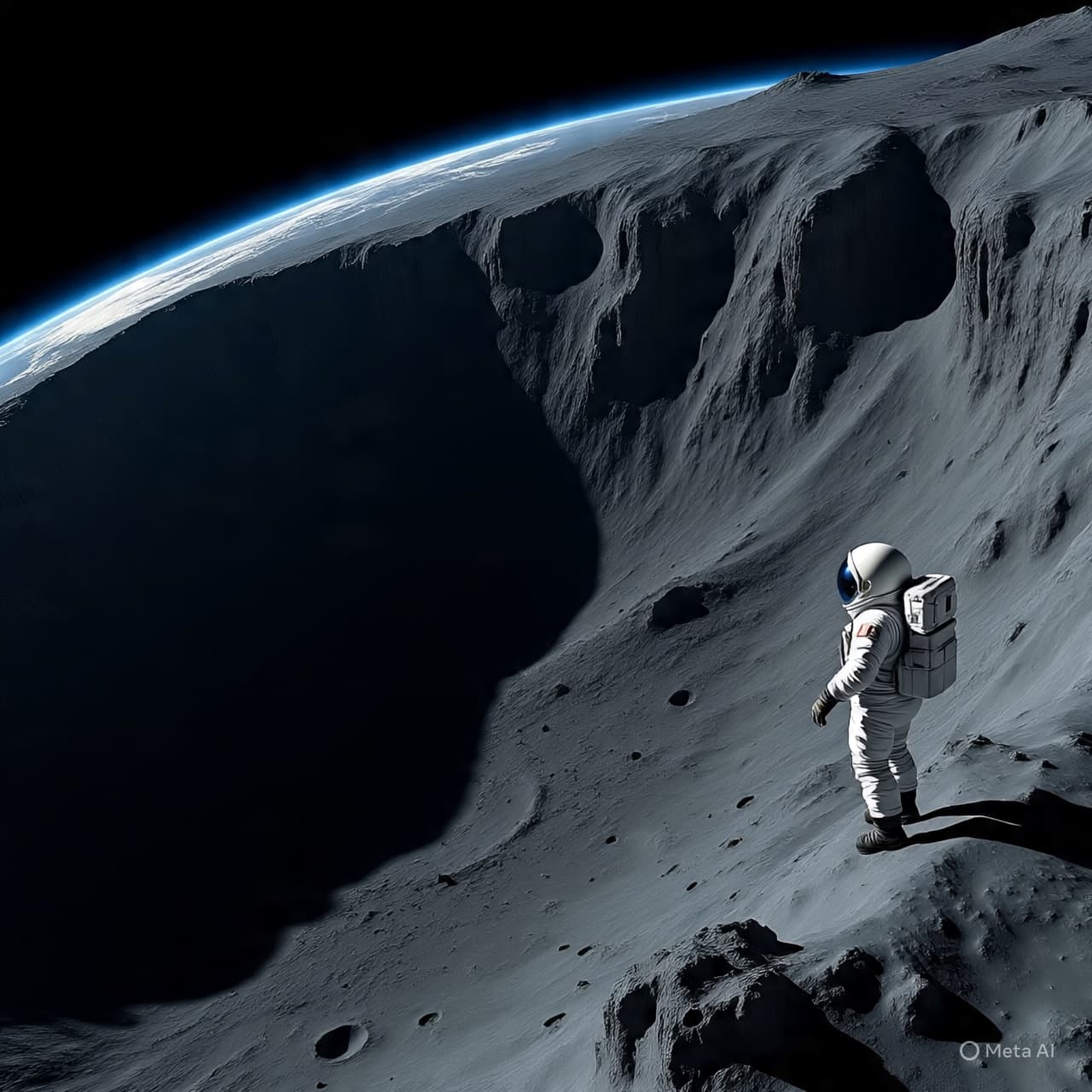
Artemis missions aim to solve enduring lunar mysteries, including water ice origins, magnetic anomalies, and the Moon’s formation, offering deeper insight into planetary evolution.

A peregrine falcon lays five eggs atop a town tower, highlighting nature’s quiet return to urban spaces and the delicate balance between wildlife and human environments.

Scientists exploring deep waters near Japan discovered a fragile “glass castle” ecosystem and dozens of new species, highlighting the richness and mystery of deep-sea life.

University of Copenhagen researchers introduced sustainable health innovations integrating energy efficiency and eco-friendly materials to reduce global ecological impacts within the medical field.
Welsh life sciences are poised for growth following a new UK-US trade arrangement that simplifies pharmaceutical exports, bridging regional innovation with the vast demands of the American market.
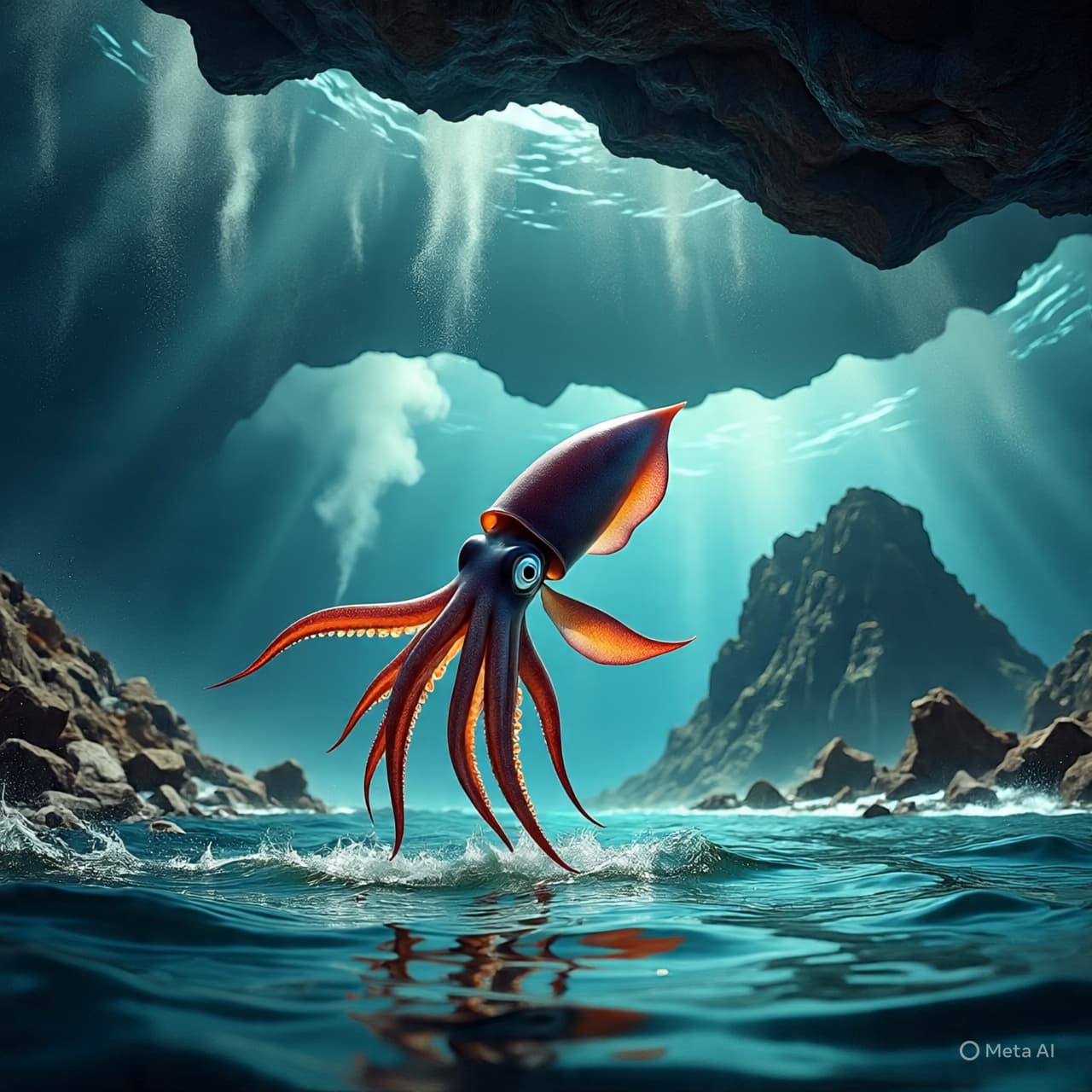
Scientists suggest squid survived the dinosaur extinction due to rapid growth, adaptability, and flexible life cycles, offering insights into resilience in changing environments.
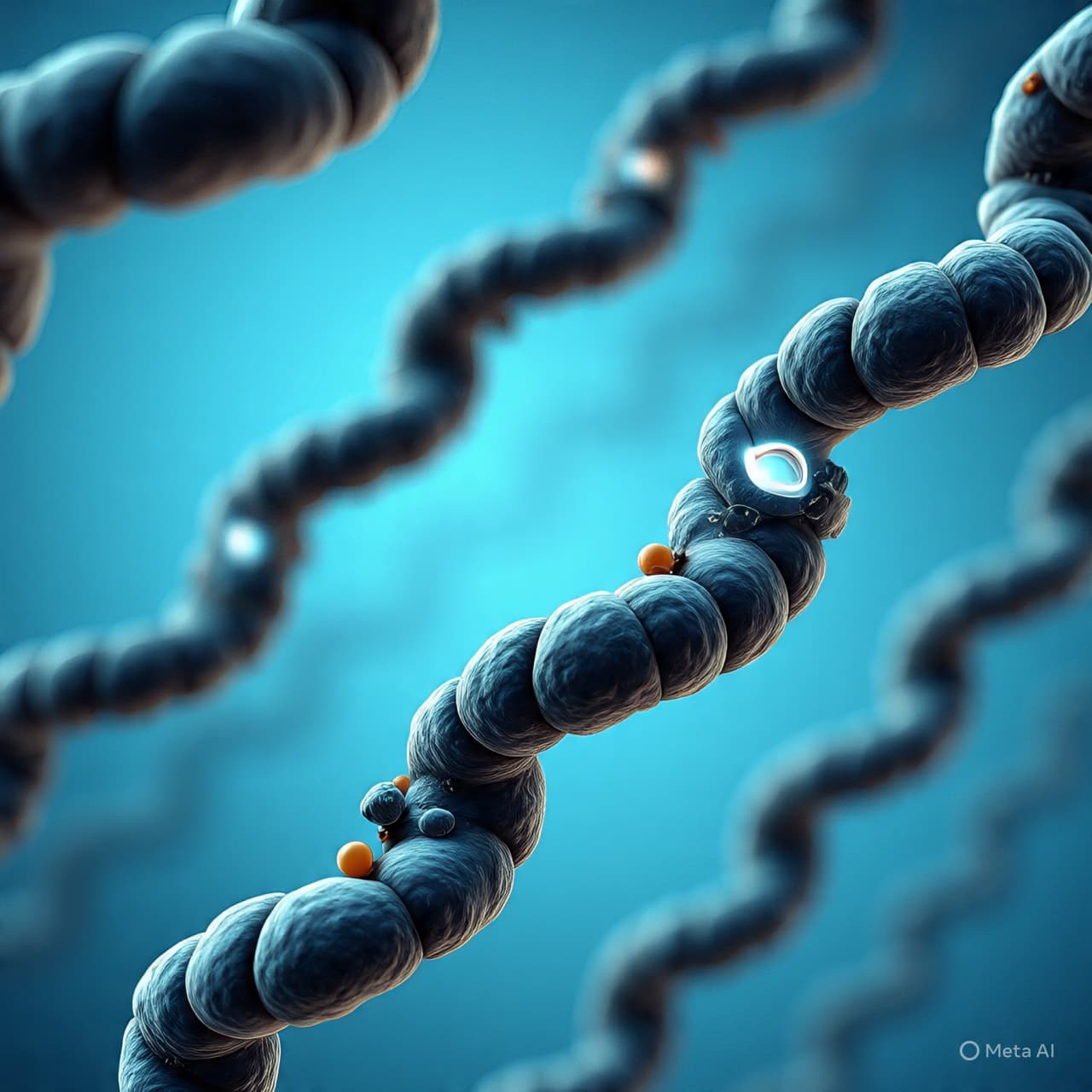
Scientists discovered DNA-copying enzymes may introduce small variations or “doodles,” offering new insights into genetic diversity and potential advances in biotechnology.
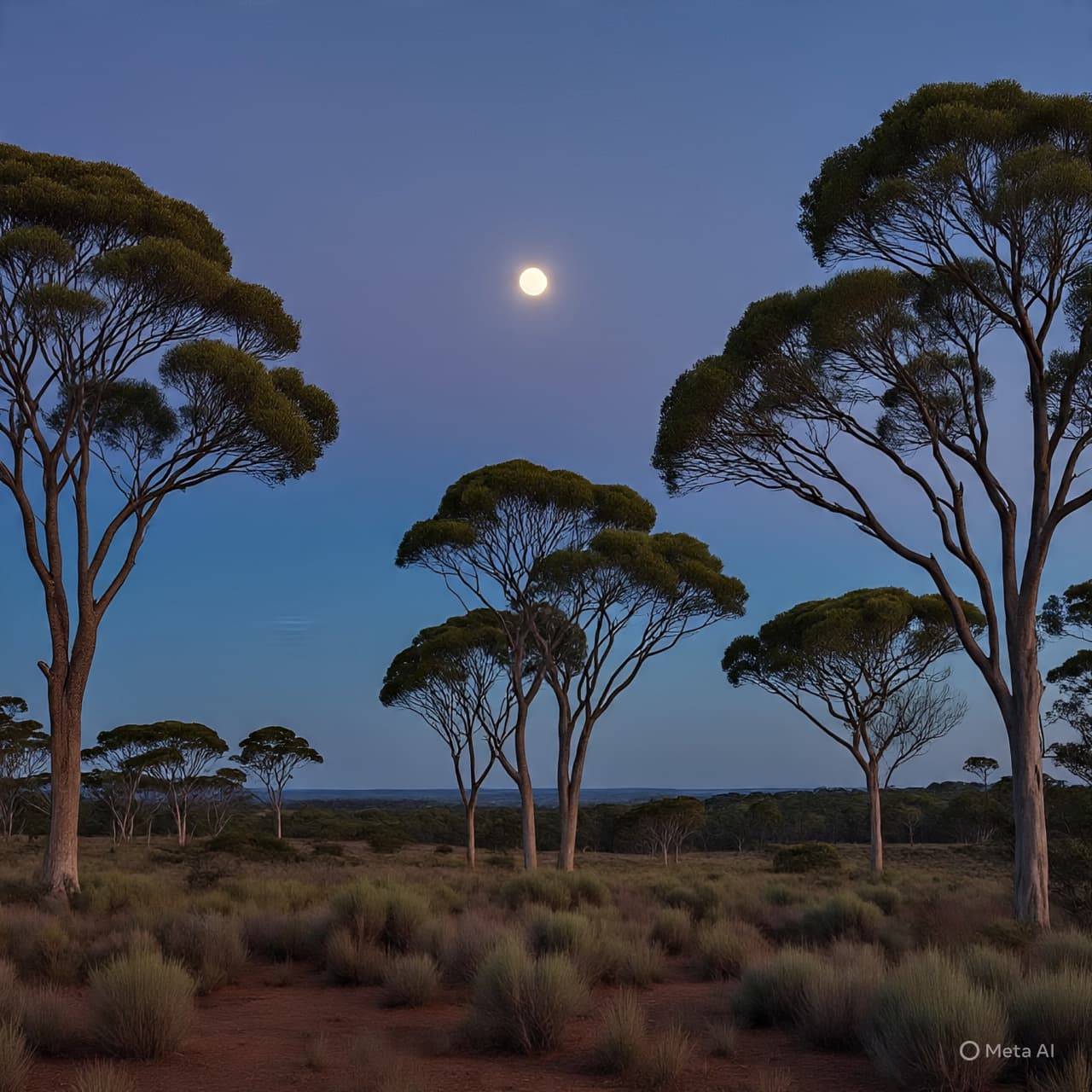
The Pink Moon will peak over Australia this week, offering a bright full moon view tied to seasonal traditions rather than actual color changes.

Wolf attacks on livestock in the Netherlands have significantly decreased as farmers adopt better protective measures, marking a new chapter of coexistence between humans and predators.

Serbian researchers are champion of shallow geothermal energy as a key solution to the country’s winter air pollution, turning the soil into a renewable heat source.

New Zealand advocates are fighting to protect the country's world-renowned dark skies as new planning laws threaten to weaken light-pollution controls and astrotourism.
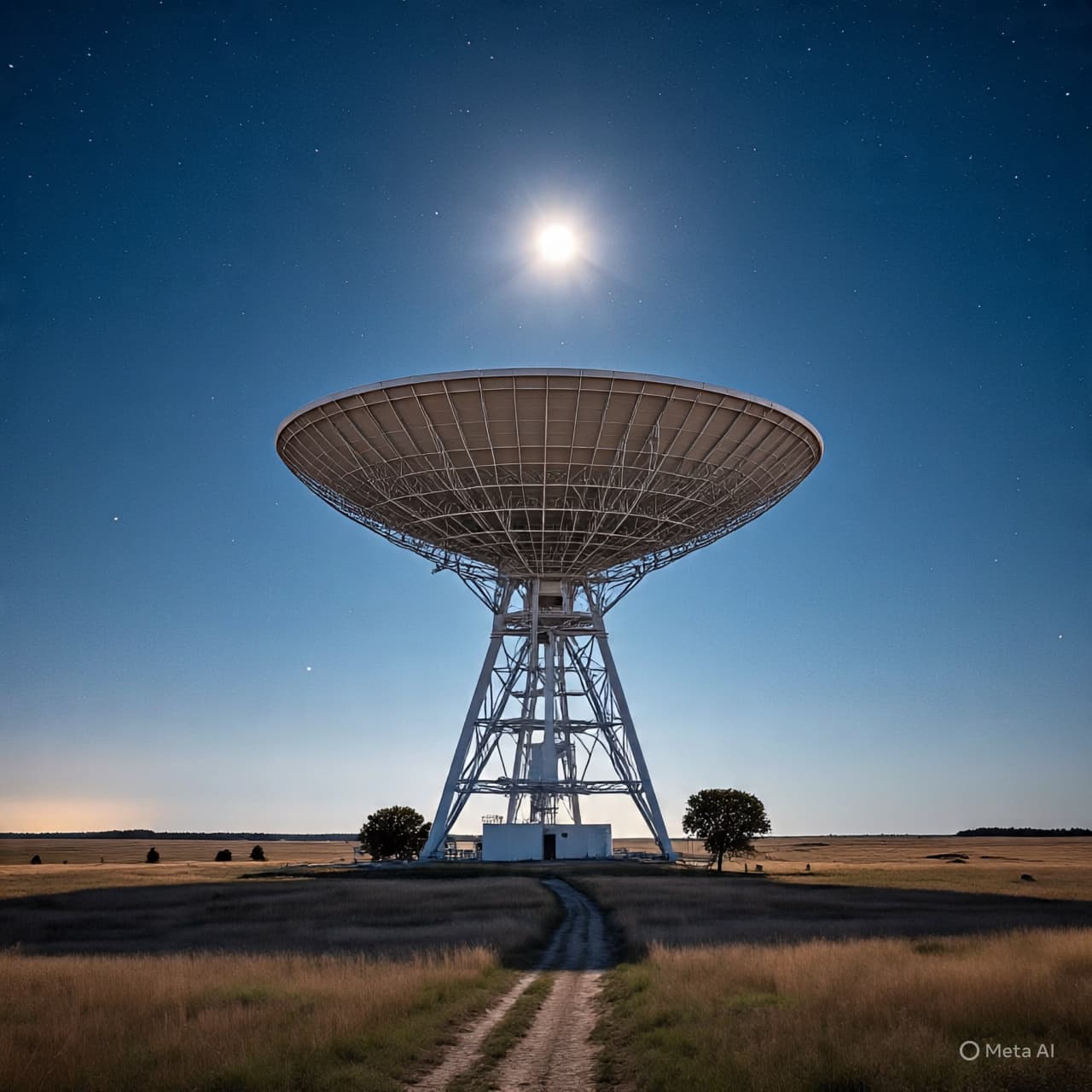
Australia’s deep-space antennas are currently tracking the historic Artemis II lunar mission, while new laser communication tests at Mount Stromlo point toward the future of space data.
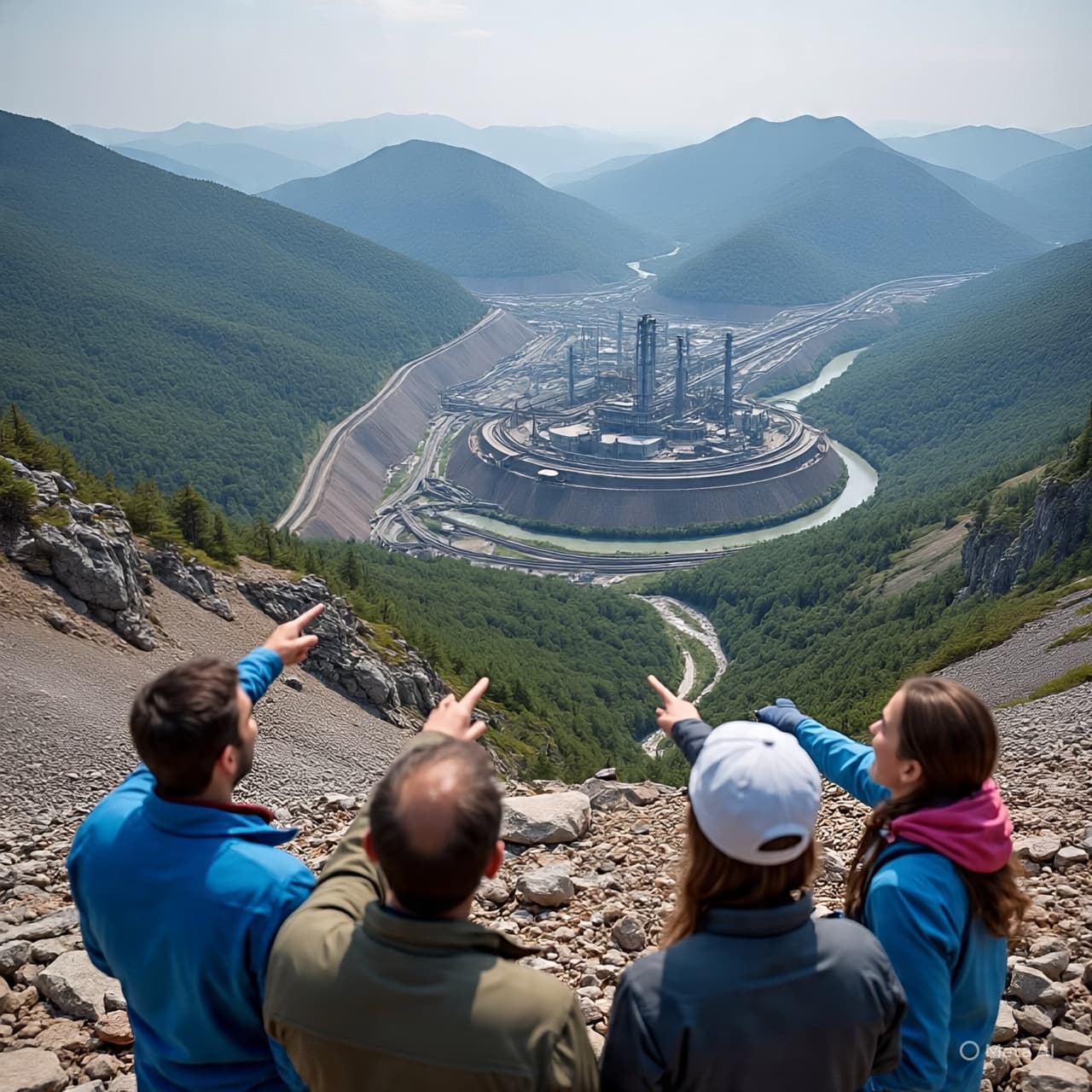
Serbia is positioning itself at the forefront of sustainable geology, using artificial intelligence to map and manage the country's mineral wealth with unprecedented environmental precision.
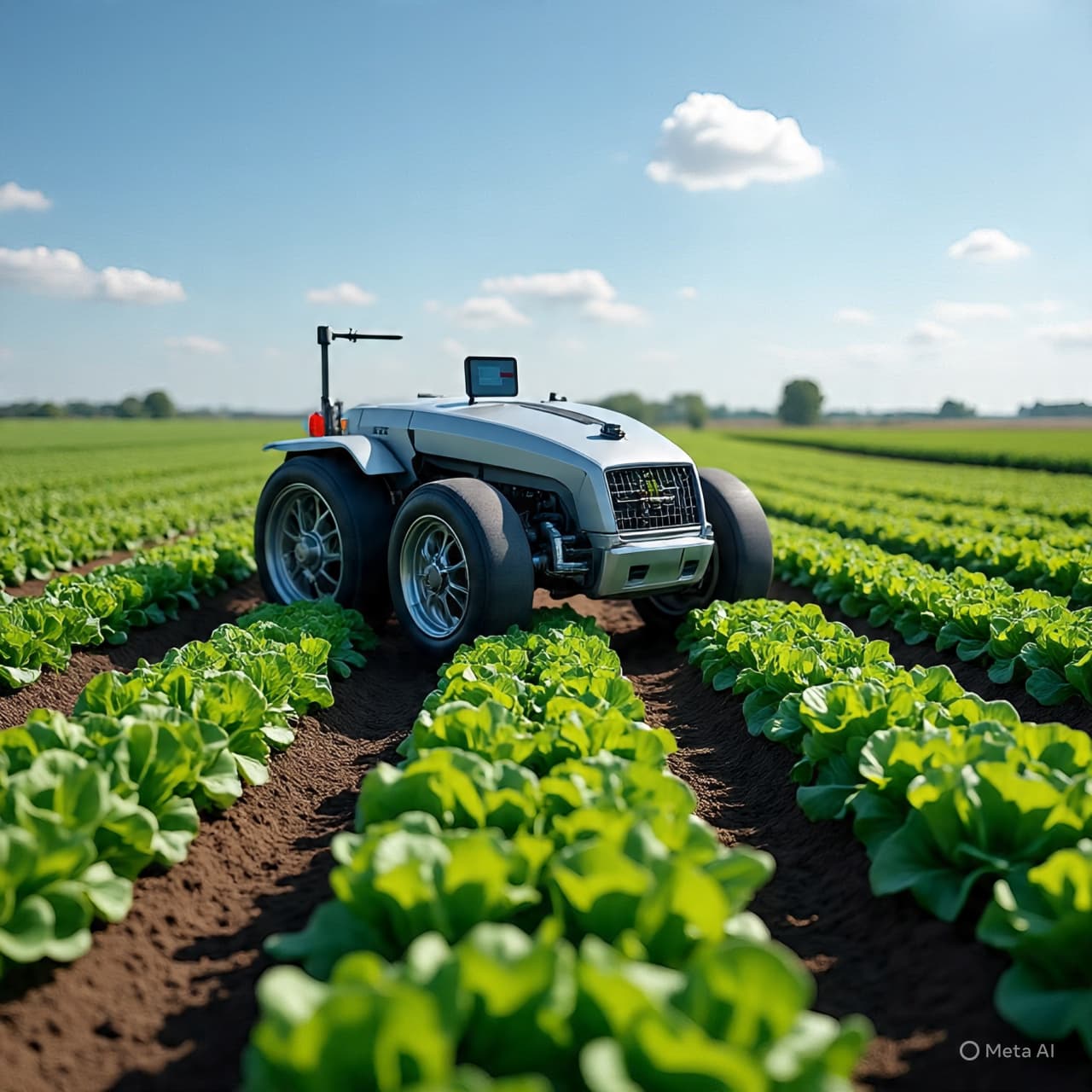
New Zealand has launched its first large-scale AI laser weeding program, marking a significant step toward chemical-free, sustainable agriculture.

CSIRO researchers have discovered more than 110 new species in the deep Coral Sea, significantly expanding our understanding of Australia's hidden marine biodiversity.

Serbian geologists are integrating artificial intelligence into their research, using advanced digital models to create more sustainable and precise maps of the country’s mineral and tectonic landscapes.

New Zealand has shifted its national research strategy, reallocating funding toward advanced technologies like AI and quantum systems to secure a more resilient and high-tech economic future.
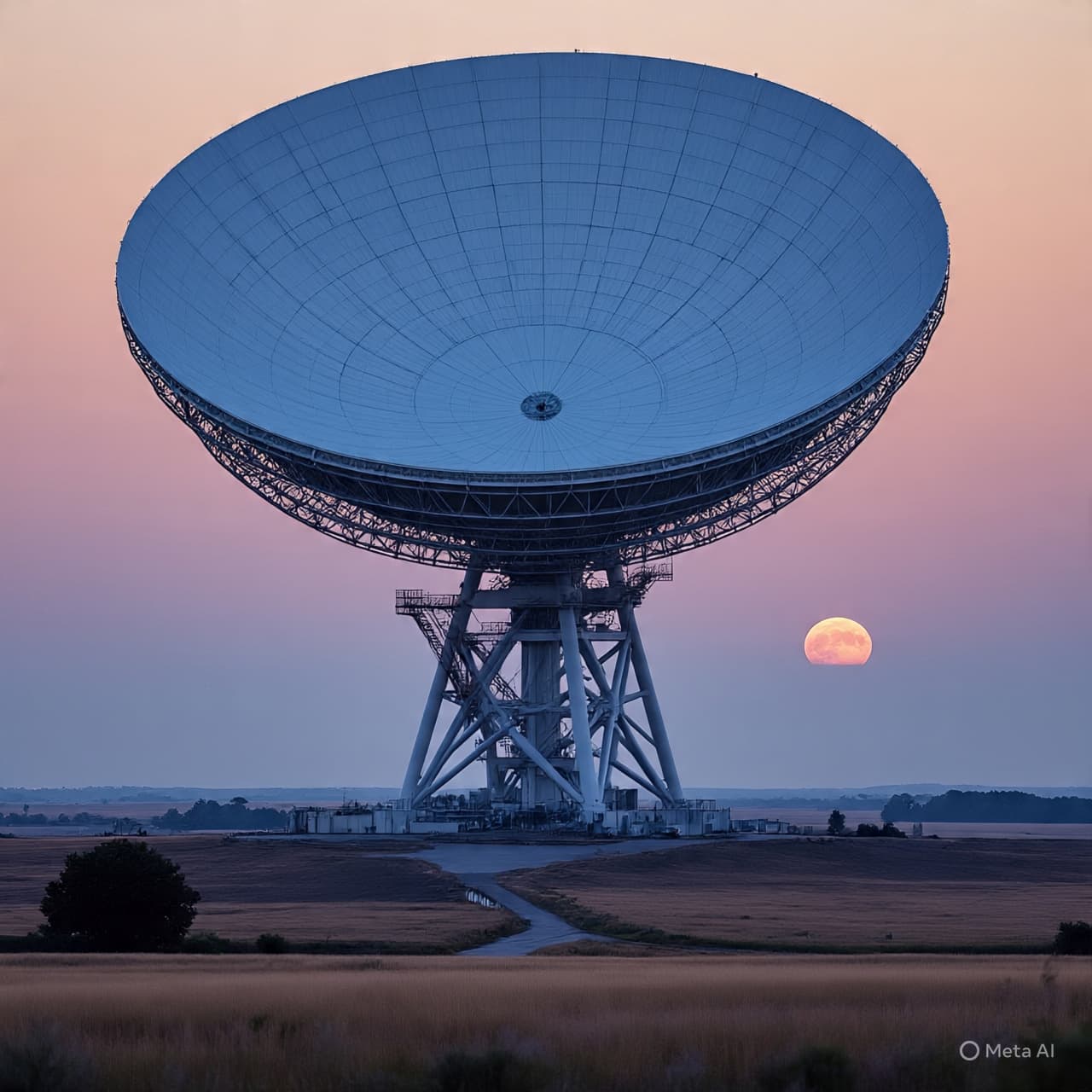
Australia has significantly expanded its lunar communication capabilities, integrating new quantum optical technology into its deep-space tracking network to support the global return to the Moon.

Serbian geologists are uncovering the secrets of the country's ancient volcanoes, mapping millions-of-years-old structures to understand the region’s mineral wealth and geological origins.
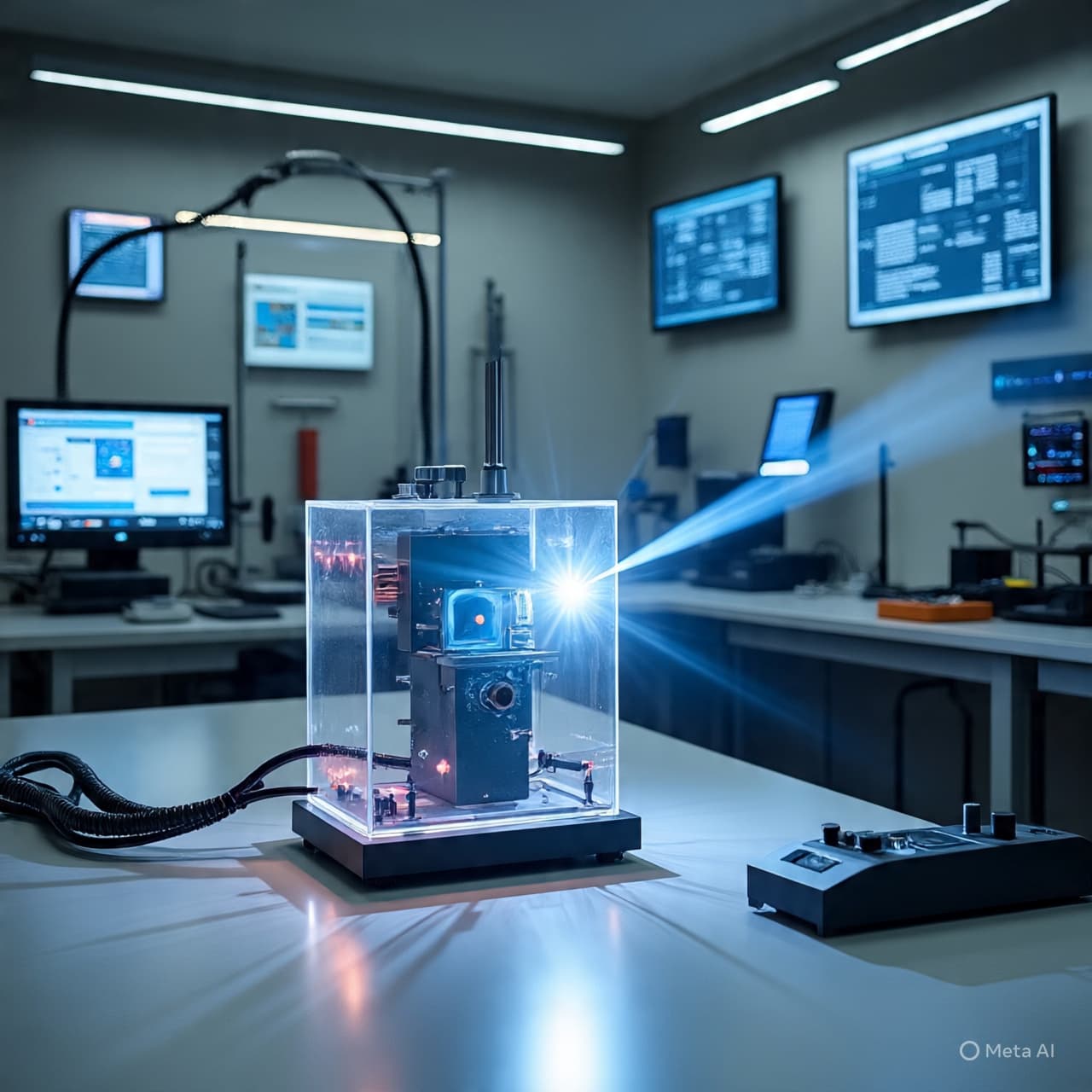
Compact desktop particle accelerators are transforming physics research by making high-energy experiments more accessible and adaptable.

New Zealand is entering a critical climatic transition as La Niña fades, with scientists predicting an 80% chance of a significant El Niño event emerging later in 2026
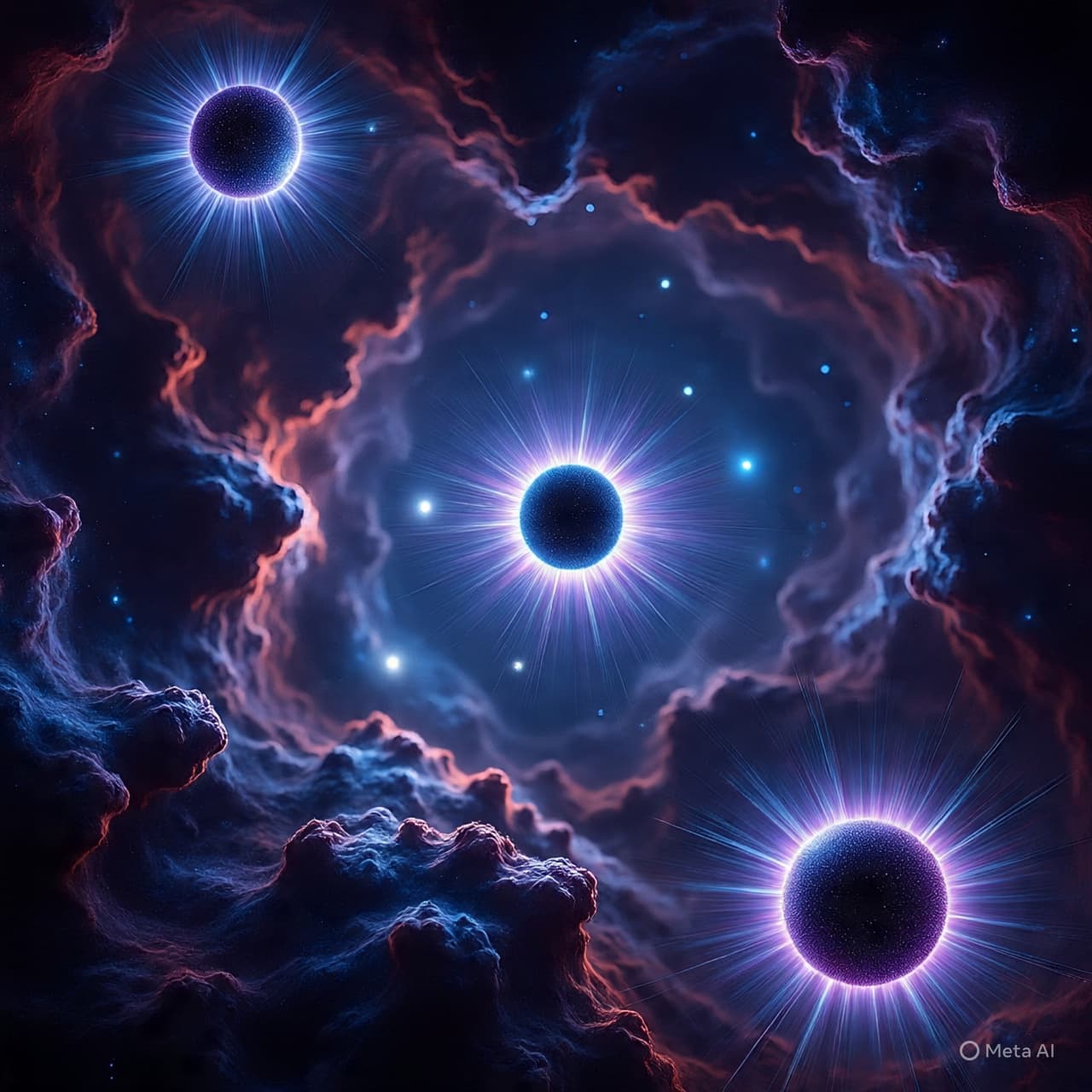
New theories suggest exploding primordial black holes may have produced matter in the early universe, offering a fresh explanation for cosmic origins.