
Key Highlights
- New Technology:AI-powered laser weeders deployed in Gisborne.
- Environmental Impact:Reduces reliance on chemicals and improves soil health.
- National Food Security:Addresses labor challenges and climate volatility.
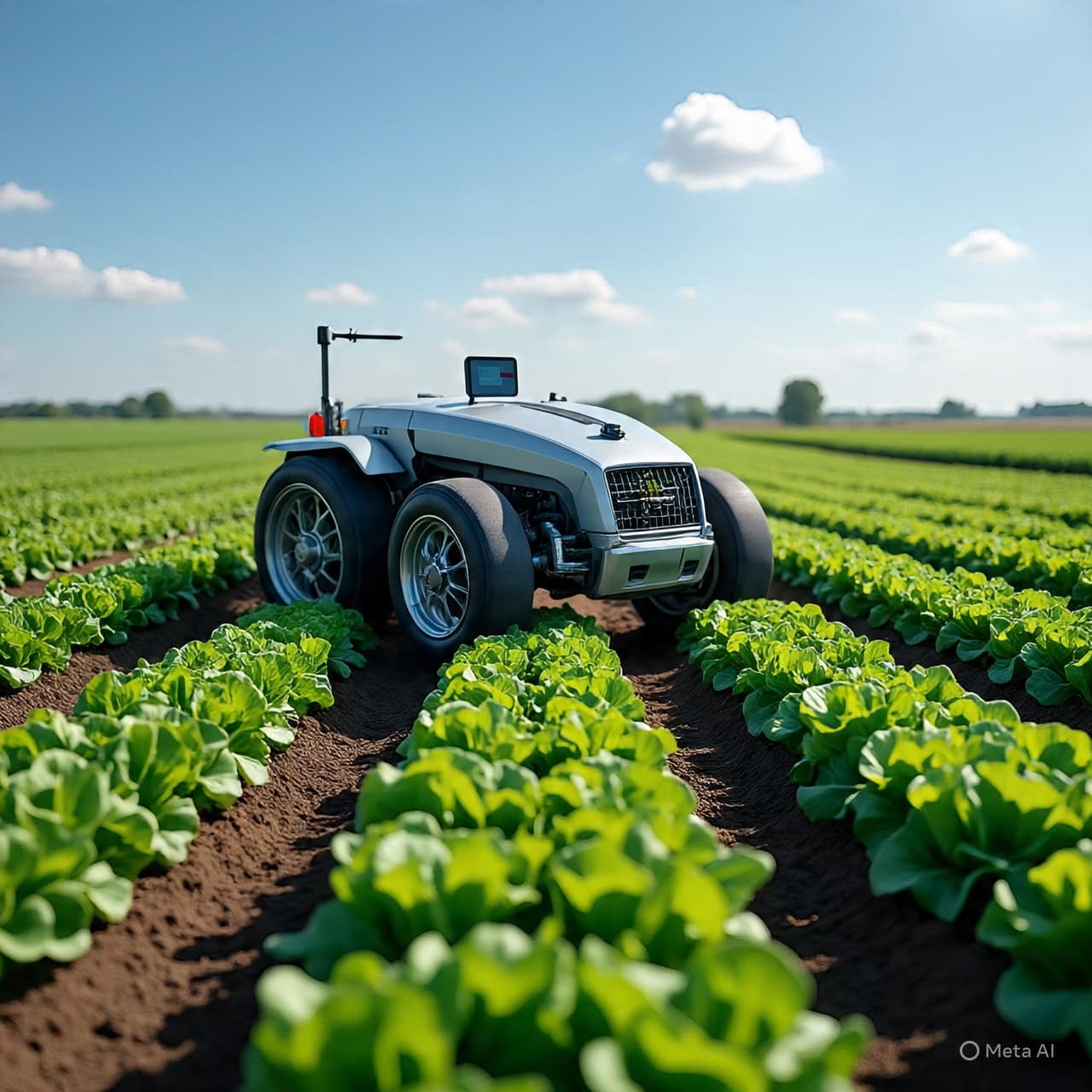
In the fertile plains of Gisborne, New Zealand, a revolutionary agricultural technology is making waves. The deployment of AI-powered "Laser Weeders" marks a significant shift in farming practices, moving away from traditional methods that rely heavily on chemical herbicides and intensive tilling. Supported by the Ministry for Primary Industries, this innovative approach utilizes high-tech lasers to identify and eliminate weeds with precision, ensuring the health of crops and the integrity of the soil.
The Carbon Robotics G2 Laser Weeder, the first of its kind to be used at scale in New Zealand by produce grower LeaderBrand, employs advanced computer vision technology to distinguish between crops and weeds. This capability allows for real-time weed management, significantly reducing the need for chemical interventions. The result is a more sustainable farming practice that not only enhances productivity but also minimizes the carbon footprint associated with traditional agricultural methods.
As these machines operate across the fields, they embody the vision of a bioeconomy that prioritizes environmental stewardship. The shift towards laser weeding represents a broader trend in agriculture, where technology is harnessed to work in harmony with natural ecosystems. By fostering microbial life in the soil and reducing chemical usage, farmers can maintain a healthier agricultural environment, which is crucial for long-term resilience.
Moreover, the introduction of autonomous systems like the laser weeders addresses pressing challenges in the agricultural sector, particularly in the context of climate change. As weather patterns become increasingly unpredictable, the ability to maintain consistent crop yields through precision technology becomes essential for national food security. This innovation not only benefits the environment but also supports the economic viability of farming in New Zealand.
Beyond the immediate impact on crop production, this spirit of innovation extends to other sectors, such as textiles. Researchers in New Zealand are exploring ways to convert strong wool into biobased pigments for screen printing, further exemplifying the potential of a circular economy. By transforming natural resources into sustainable products, New Zealand is paving the way for a future where agriculture and industry coexist in a mutually beneficial relationship.
As the sun sets over the North Island, the laser weeders continue their work, illuminating the fields like modern fireflies. They symbolize a new era in agriculture, where cutting-edge technology is employed to protect and enhance the heritage of the land. This gradual yet profound transformation in farming practices ensures that New Zealand's agricultural landscape remains vibrant and productive for generations to come.
The successful implementation of AI-powered laser weeding technology by LeaderBrand is a testament to the potential of innovation in agriculture. With government support and a commitment to sustainability, New Zealand is leading the way in adopting practices that prioritize both productivity and environmental health.
Published by Banx Network. This article is part of the Banx decentralized media programme, powered by the BXE token on the XRP Ledger.



