

Key Highlights
- Peak Illumination:The Pink Moon will reach its peak brightness this week.
- Viewing Tips:Best viewed from the eastern horizon at moonrise.
- Cultural Significance:The Pink Moon connects modern observation with ancient traditions.
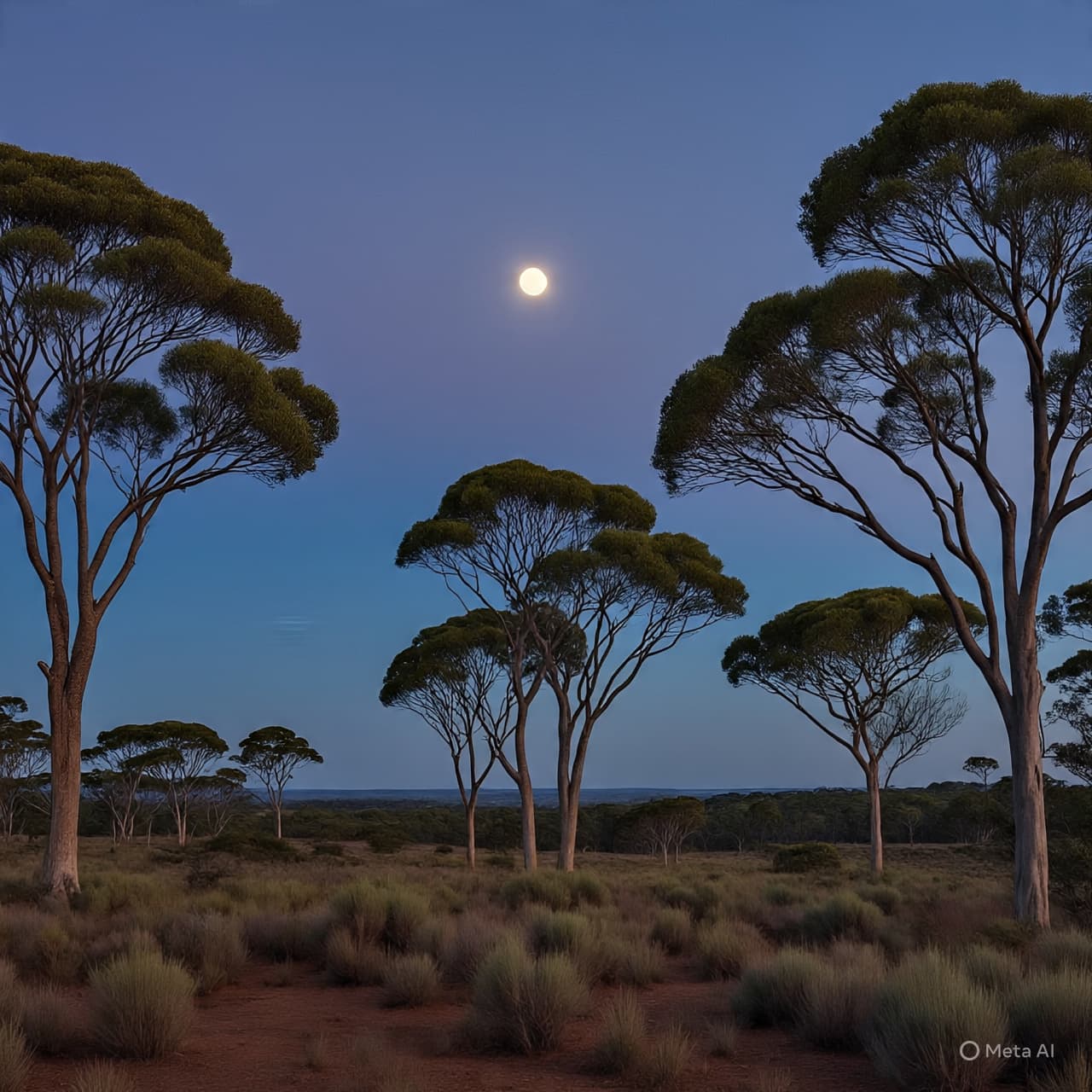
The Pink Moon, a term that evokes both beauty and nostalgia, will grace the skies over Australia this week, offering stargazers a chance to witness its full illumination. This celestial event, while named for the pink wildflowers that bloom in spring, does not actually appear pink. Instead, it serves as a reminder of the changing seasons and the rhythms of nature that have been observed for centuries.
Astronomically, the Pink Moon occurs when the moon is positioned perfectly to reflect sunlight back to Earth, creating a bright, round orb in the night sky. This year, the peak illumination is expected to occur on a specific night, allowing observers to plan their viewing accordingly. The exact timing can vary based on local conditions, but generally, the best time to catch a glimpse is shortly after moonrise, when the moon appears larger and more golden near the horizon.
For those in urban areas, light pollution can hinder visibility, but even in cities, the full moon's brightness can penetrate the haze. To enhance the experience, finding a location with minimal light interference and an unobstructed view of the eastern horizon is recommended. As the moon climbs higher, its glow becomes steadier and cooler, providing a different perspective on this familiar celestial body.
Culturally, the Pink Moon holds significance beyond its visual appeal. Various cultures have assigned names to each full moon throughout the year, reflecting agricultural cycles and seasonal changes. The Pink Moon is a reminder of these traditions, connecting modern observers with the past. It serves as a marker of time, a moment to pause and reflect on the natural world around us.
As the Pink Moon rises, it invites us to take a break from our busy lives and look up at the sky. In a world dominated by technology and schedules, the simple act of gazing at the moon can feel almost revolutionary. This week, as the Pink Moon reaches its peak, it does so quietly, without the need for spectacle or urgency, reminding us of the beauty that exists in the natural world.
In conclusion, the Pink Moon is not just an astronomical event; it is a cultural phenomenon that resonates with people across generations. Whether you are an avid astronomer or simply someone who enjoys the beauty of the night sky, this week presents a perfect opportunity to connect with the universe.
Published by Banx Network. This article is part of the Banx decentralized media programme, powered by the BXE token on the XRP Ledger.




