Distance, in space, is not merely measured in kilometers. It is measured in courage, in uncertainty, and in the quiet resolve to move beyond what was once considered the edge of possibility. With Artemis II, humanity has crossed another invisible boundary.
The crew of Artemis II has set a new record for the farthest distance traveled by humans from Earth. Surpassing the achievements of Apollo 13, the mission extends humanity’s reach deeper into space, marking a subtle yet profound shift in exploration.
This milestone is not defined by spectacle but by trajectory. As the spacecraft arcs around the Moon and ventures farther into space, it carries with it decades of knowledge and a renewed sense of purpose. The journey feels less like a race and more like a continuation.
Breaking the previous record required precise navigation and confidence in both spacecraft and crew. Every system onboard had to perform reliably as the distance increased, placing astronauts in an environment where immediate return is no longer simple.
The record itself, once set during a mission defined by crisis, now finds new meaning in a mission defined by preparation. Where Apollo 13 represented survival, Artemis II represents intention—a carefully planned extension of human capability.
For the astronauts, the experience is both technical and deeply human. Looking back at Earth from such distances, the planet appears smaller, quieter, and more unified. It is a perspective that reshapes understanding, often described as both humbling and clarifying.
Mission control continues to track the spacecraft with precision, ensuring communication and navigation remain stable. Despite the increased distance, systems have performed as expected, reflecting years of development and testing.
The significance of this achievement lies not only in setting records but in expanding possibility. Each kilometer traveled beyond previous limits becomes a foundation for future missions, including sustained lunar presence and eventual journeys to Mars.
Artemis II thus becomes a bridge between eras—linking the legacy of Apollo with the ambitions of modern exploration. It suggests that the boundaries we once accepted are, in fact, temporary.
As the spacecraft continues its path and prepares for return, the record stands quietly in the background—a marker not of final achievement, but of ongoing progress.
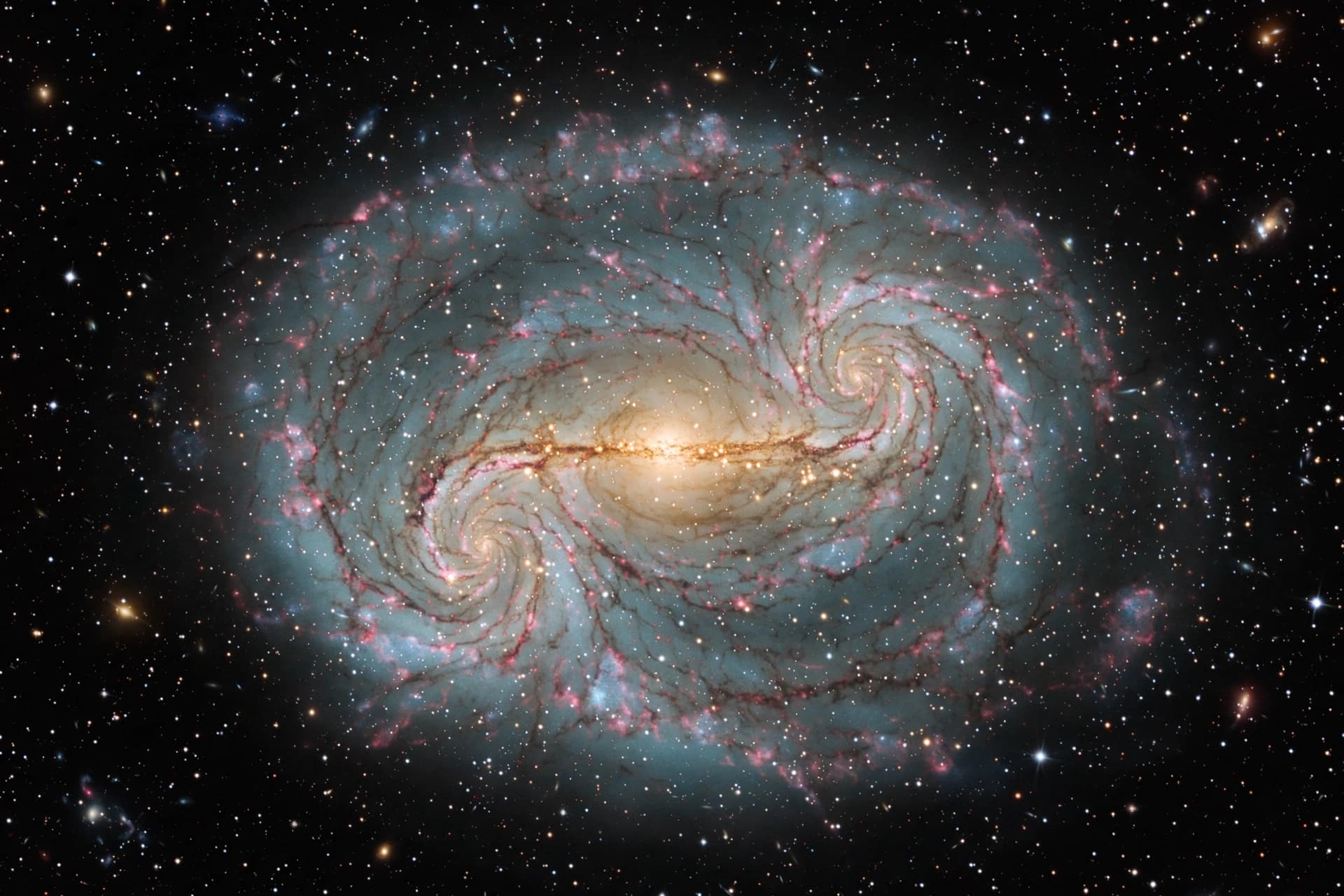
AI Image Disclaimer Illustrations were produced with AI and serve as conceptual depictions.
Source Check NASA Space.com BBC News The New York Times Reuters
Published by Banx Network. This article is part of the Banx decentralized media programme, powered by the BXE token on the XRP Ledger.