
Key Highlights
- AI Integration:Serbian scientists are using AI to analyze geological data.
- Upcoming Congress:The 19th Congress of Geologists will focus on sustainable solutions.
- Precision Mining:AI models are enabling more efficient mineral exploration.
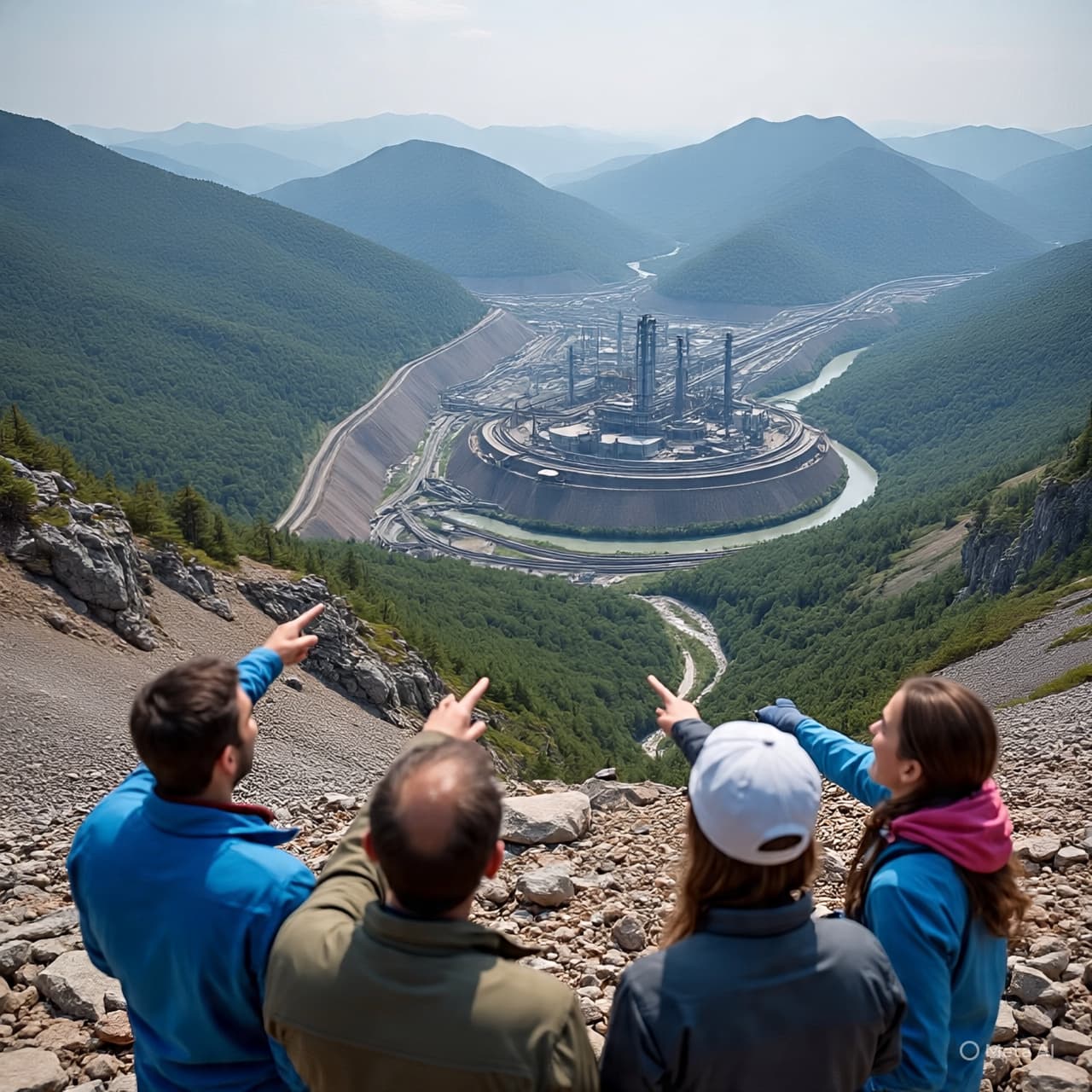
The mountain-rimmed basins of Serbia, where the earth's history is etched in limestone and copper mines, are at the forefront of a new dialogue between ancient geology and modern technology. As the country gears up for the 19th Congress of Geologists at Bor Lake in June 2026, the theme of "Geology for Sustainable Solutions" underscores the need for a responsible relationship with the earth's resources. This congress will serve as a platform for discussing how digital tools can enhance stewardship of the land.
Artificial intelligence is revolutionizing the geosciences, particularly in Serbia, where researchers are leveraging AI models to process vast amounts of data from seismic surveys and mineral core samples. These advanced technologies are creating highly detailed 3D maps that not only reveal hidden resources but also provide insights into the structural integrity of the earth's crust. This understanding is crucial for predicting how the land will respond to human activities, thereby mitigating potential environmental impacts.
The geological record holds a profound stillness, a memory of eons that scientists are now able to interpret with the help of AI. Serbian researchers are mapping groundwater pathways and identifying stress points along fault lines, allowing for proactive measures to protect the ecological health of the region before any mining begins. This approach signifies a shift from traditional mining practices to a more sustainable model that prioritizes environmental considerations.
The upcoming congress will bring together the region's leading geologists and data scientists, fostering collaboration between traditional geological expertise and cutting-edge technology. This partnership aims to achieve a "just" transition for mining districts, focusing on long-term landscape stability rather than short-term extraction. The congress will highlight the importance of integrating modern technology into geological practices to ensure the sustainability of the Balkan region's resources.
The digital transformation in geology also enhances our appreciation of the complex geological formations in the Balkans. With AI, scientists can visualize ancient volcanic complexes and sedimentary basins in unprecedented detail, gaining a deeper understanding of the geological forces that shaped the Adriatic and Danube regions. This scientific mindfulness reflects a commitment to observing the earth with a more precise and informed perspective.
As AI-driven models for the Jadar and Timok regions continue to evolve, they are paving the way for precision mining techniques that minimize waste and reduce energy consumption during processing. This careful and deliberate approach to resource extraction respects the immense geological time scales involved, ensuring that the industry progresses sustainably.
In the quiet halls of universities, screens display the intricate patterns of the Balkan crust, each peak representing a story of geological pressure and release. Studying these patterns allows scientists to acknowledge humanity's place within a larger narrative, one that intertwines the natural world with technological advancement. The sentinels of the earth are no longer solely human; they now include electronic systems that provide clarity and insight into the dynamic world beneath our feet.
The 19th Congress of Geologists of Serbia, organized by the Serbian Geological Society and the University of Belgrade, will emphasize the role of AI in geosciences, focusing on mineral exploration, groundwater management, and tectonic risk assessment. This event marks a significant step toward ensuring the environmental and social sustainability of the Balkan region's geological resources.
Published by Banx Network. This article is part of the Banx decentralized media programme, powered by the BXE token on the XRP Ledger.



