

Key Highlights
- Expedition off Japan reveals delicate structures called 'glass castles'.
- New species discovered thriving in extreme deep-sea conditions.
- Ecosystems rely on chemical energy pathways instead of sunlight.
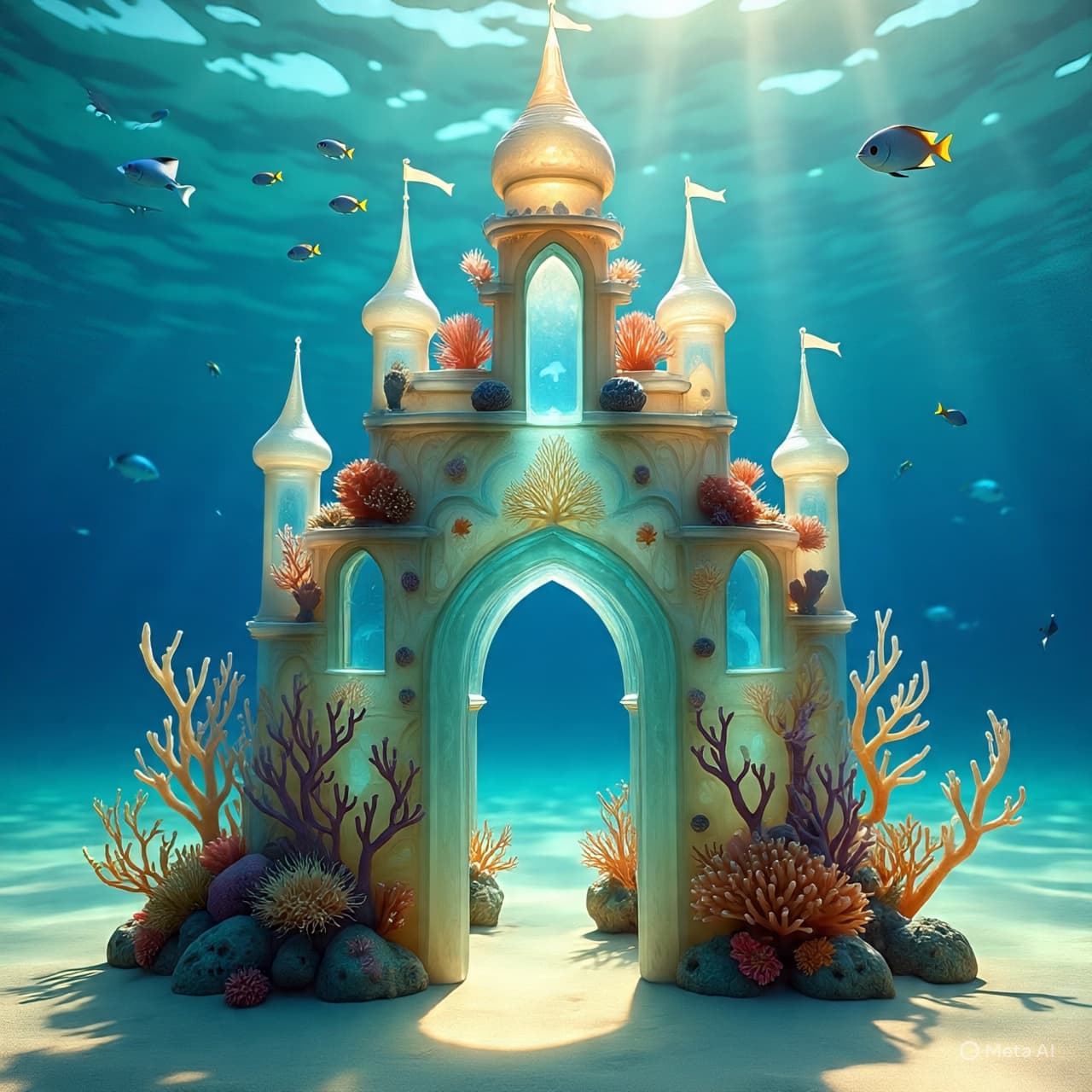
Researchers recently embarked on a groundbreaking expedition off the coast of Japan, uncovering what they have termed a 'glass castle' in the deep ocean. This remarkable discovery features intricate, translucent structures likely formed by deep-sea sponges or similar organisms. Within these formations, scientists observed dozens of previously unknown species, each uniquely adapted to the extreme conditions of their environment, which include high pressure, darkness, and limited resources.
The deep sea remains one of the least explored areas on Earth, and this expedition adds to the growing body of knowledge about its biodiversity. The structures identified during the dive serve not only as physical habitats but also as vital ecosystems, akin to coral reefs in shallower waters. However, unlike their sunlit counterparts, these deep-sea ecosystems thrive in near-total darkness, relying on chemical processes rather than solar energy to sustain life.
The findings from this expedition highlight the fragility and resilience of life in extreme environments. Each new species discovered is a testament to the adaptability of life, evolving over millennia in isolation. The researchers documented a variety of life forms, some exhibiting unfamiliar shapes and behaviors that challenge our understanding of survival in such harsh conditions. These ecosystems, while self-sustaining, are also incredibly delicate, underscoring the need for conservation efforts as human activities increasingly encroach upon these remote habitats.
As the expedition team continues to analyze the data and imagery collected, they are faced with numerous questions about the interactions among these species and their roles within the broader oceanic ecosystem. The urgency of these inquiries is amplified by the threats posed by deep-sea mining, climate change, and pollution, which could disrupt these fragile habitats before they are fully understood.
The expedition serves as a reminder of the vast complexities that lie beneath the ocean's surface. While the world above continues its familiar pace, the depths harbor life that is both subtle and profound, arranged in forms that evoke architectural beauty. This 'glass castle' is not merely a scientific curiosity; it represents a new chapter in our understanding of marine biodiversity and the intricate web of life that exists in the ocean's depths.
In conclusion, the discovery of these new species and their unique habitat opens up further avenues for research and exploration. As scientists delve deeper into the mysteries of the ocean, they continue to uncover the remarkable resilience of life, even in the most extreme conditions.
Published by Banx Network. This article is part of the Banx decentralized media programme, powered by the BXE token on the XRP Ledger.




