
Key Highlights
- Research Focus:The Serbian Academy of Sciences and Arts is mapping ancient volcanoes in Eastern Serbia.
- Geological Significance:The study reveals the volcanic history and mineral wealth of the Timok region.
- Future Implications:Findings aim to enhance understanding of regional tectonic stability and mineral exploration.
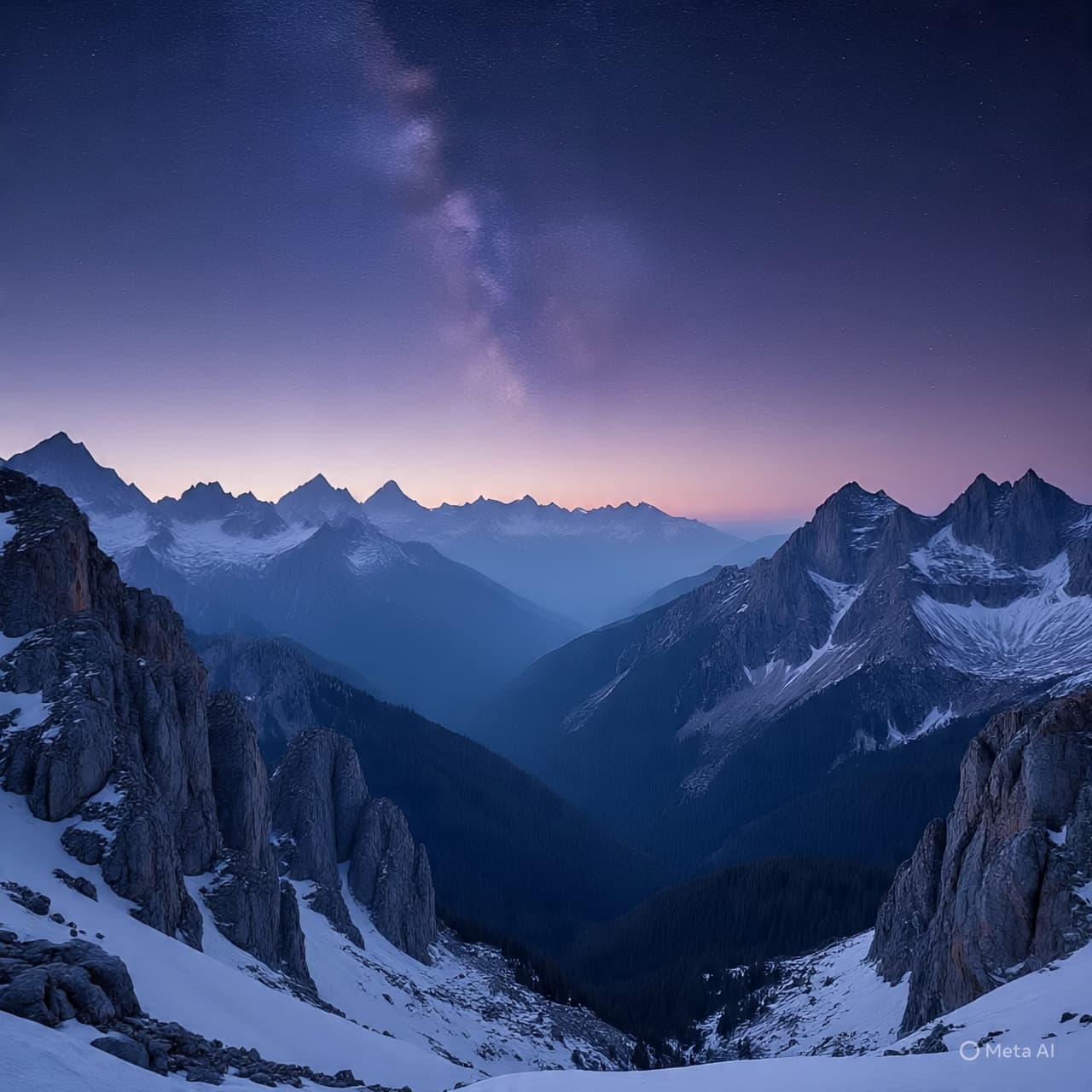
In the rugged eastern reaches of Serbia, where the mountains rise in jagged, limestone teeth, there is a memory of a time when the earth was not so still. Beneath the vineyards and the quiet villages, the land carries the scars of an ancient, fiery youth. These are the Ancient Volcanoes of Eastern Serbia, geological titans that have long since fallen into a deep, stony sleep, yet their influence continues to shape the world that lives above them.
This April, the Serbian Academy of Sciences and Arts (SASA) has turned its attention to these forgotten giants, seeking to map the remnants of a volcanic past that stretches back through the eons. This scientific endeavor is not merely an academic exercise; it is a reconstruction of history, allowing researchers to visualize the violent eruptions and flowing magma of the Mesozoic era. Understanding these formations reveals that the stability we enjoy today is a relatively recent gift from a restless planet.
The landscapes of the Timok and Crni Vrh regions serve as primary laboratories for this geological inquiry. Here, the rock is not just stone but a collection of minerals—andesites and dacites—that were born in the heart of the earth’s furnace. The very ground that provides richness for local agriculture was once a liquid fire, cooled over millions of years into the foundation of a nation. This duality of destruction and creation is a testament to the region's geological history.
As geologists trace the outlines of the ancient calderas, they uncover a history of tectonic shifts that endowed the Balkan Peninsula with its unique mineral wealth. The copper and gold deposits that have sustained the region’s industry are direct legacies of these volcanic events, the metallic fingerprints left behind by cooling magma. This narrative of wealth provided by the deep earth took an eternity to prepare, and it continues to influence the local economy.
The silence surrounding these volcanoes today belies their tumultuous past. They have become part of the landscape, their craters now filled with forests and their slopes shaped by the slow movement of rivers. Yet, to the scientific observer, the geometry of the land still speaks of its origin. The way light hits the ridges and how water flows through the valleys are dictated by the volcanic architecture beneath.
The research being presented this month is not merely about the past; it is about understanding the fundamental structure of the Serbian crust. By analyzing the chemistry of ancient ash and the orientation of fossilized flows, scientists can better predict how the land will respond to modern seismic pressures. This research honors the earth's history while aiming to provide a safer future for the people who inhabit it.
In lecture halls across Belgrade and Novi Sad, discussions on topics such as "Calcium—The Signal of Life and Death" and the "Ancient Volcanoes" bridge the biological and geological realms. We are learning that our existence is inextricably tied to the elemental cycles of the planet. The same forces that once tore the earth apart are the ones that provided the minerals essential for the development of life and the progress of our technology.
As the sun sets over the peaks of Eastern Serbia, the mountains stand as steady, immovable guardians of the horizon. Their fiery days are long gone, but their legacy remains in the soil, the stones, and the spirit of the people. To study the ancient volcanoes is to acknowledge the immense power that resides just beneath the surface of our reality, reminding us that the earth is a living, changing entity with a story that is still being told.
The Serbian Academy of Sciences and Arts has launched a new research series focusing on the volcanic history of Eastern Serbia, particularly in the Timok Magmatic Complex. Geologists are mapping ancient caldera structures and analyzing the mineral composition of Mesozoic volcanic rocks to better understand the region's rich metallic deposits. This study provides critical data for both mineral exploration and the assessment of regional tectonic stability.
Published by Banx Network. This article is part of the Banx decentralized media programme, powered by the BXE token on the XRP Ledger.



