When Preparedness is Put to the Fire: Jamaica vs. Hurricane Melissa
Jamaica entered hurricane season not as a blank slate but with a budget-line, a bond instrument, an emergency credit line and years of building up resilience.

Jamaica entered hurricane season not as a blank slate but with a budget-line, a bond instrument, an emergency credit line and years of building up resilience.

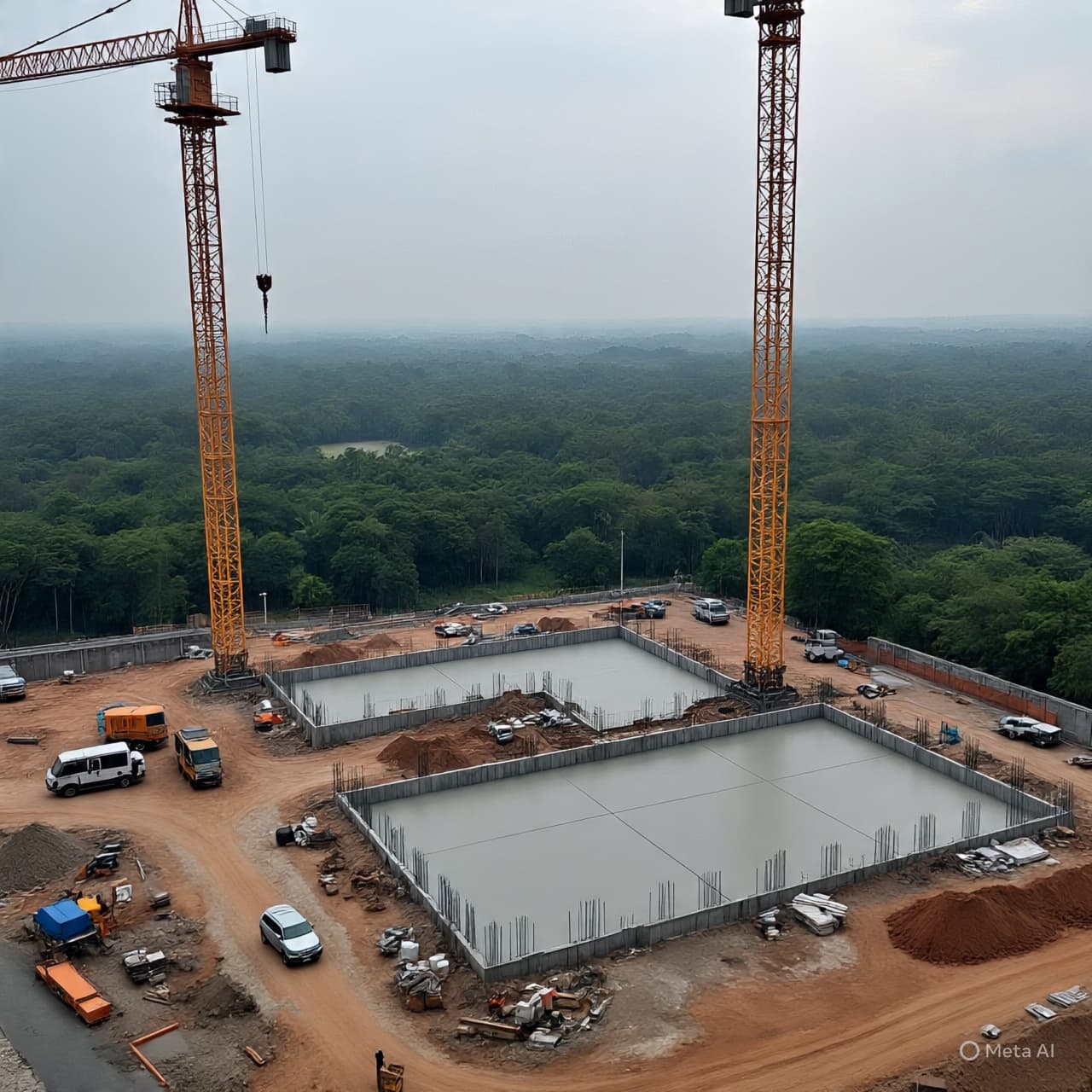
Indonesia’s new capital Nusantara is behind schedule and under-populated, with ambitious infrastructure in place but few residents yet—raising fears of a “ghost city.”

Over 120 killed as Rio de Janeiro police clash with drug cartels in the city’s deadliest operation, sparking outrage over force and human cost.

By 2050, about one-fifth of Italy’s beaches may vanish due to sea-level rise and erosion, putting coastal tourism, ecosystems and culture at risk.

An unidentified man spent about 13 hours overnight inside the Eiffel Tower before leaving when it reopened; authorities have launched a criminal complaint.

Five more suspects have been detained in France’s Louvre jewel heist case, as investigators link one by DNA; the stolen royal treasures remain missing.

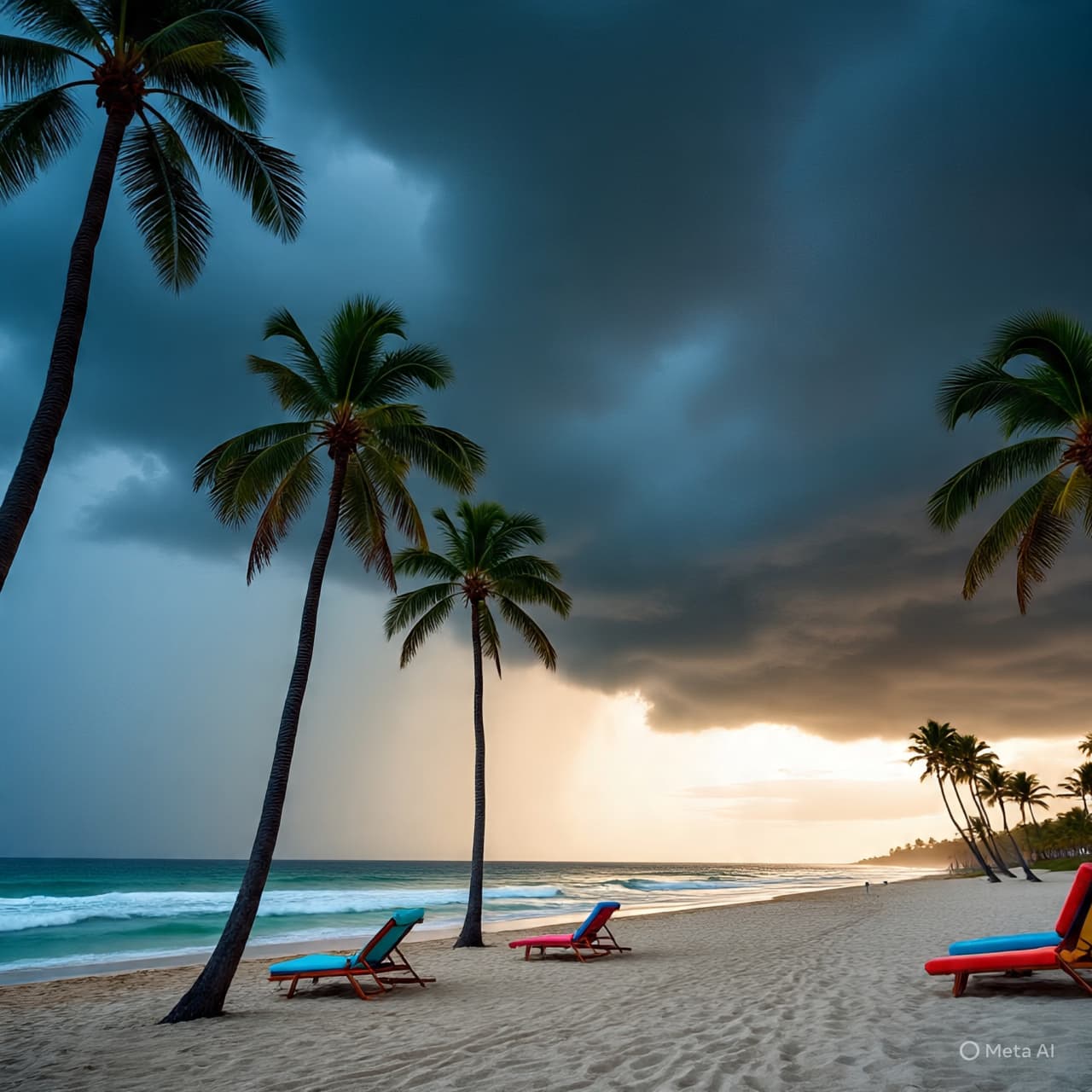
Guests and staff at a Jamaican beach resort braced through Hurricane Melissa’s fierce winds and surging seas—luxury repurposed into refuge, vacation transformed into resilience.

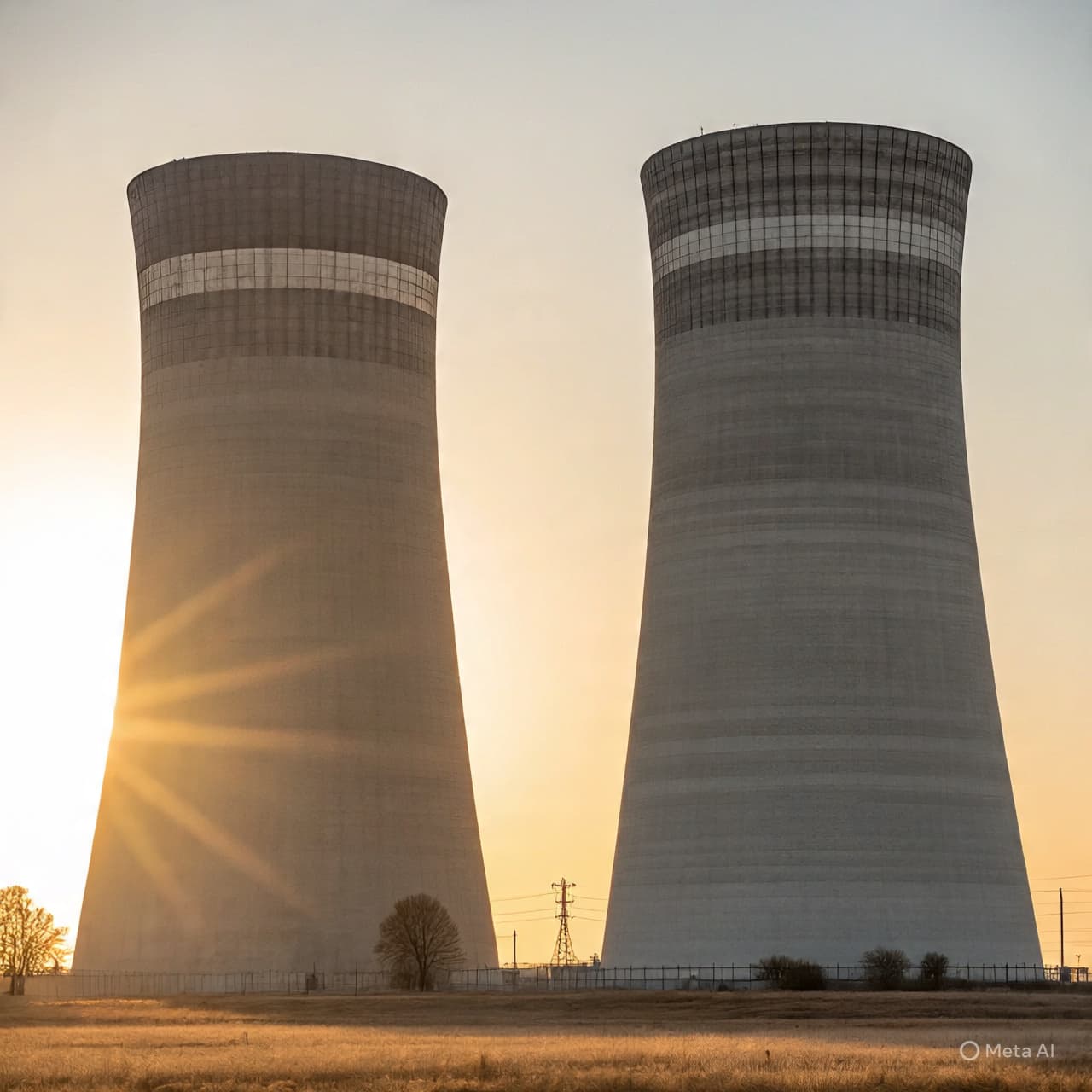
Google and NextEra Energy are partnering to restart Iowa’s Duane Arnold nuclear plant by 2029, with Google securing a 25-year power purchase as part of its AI-infrastructure expansion.

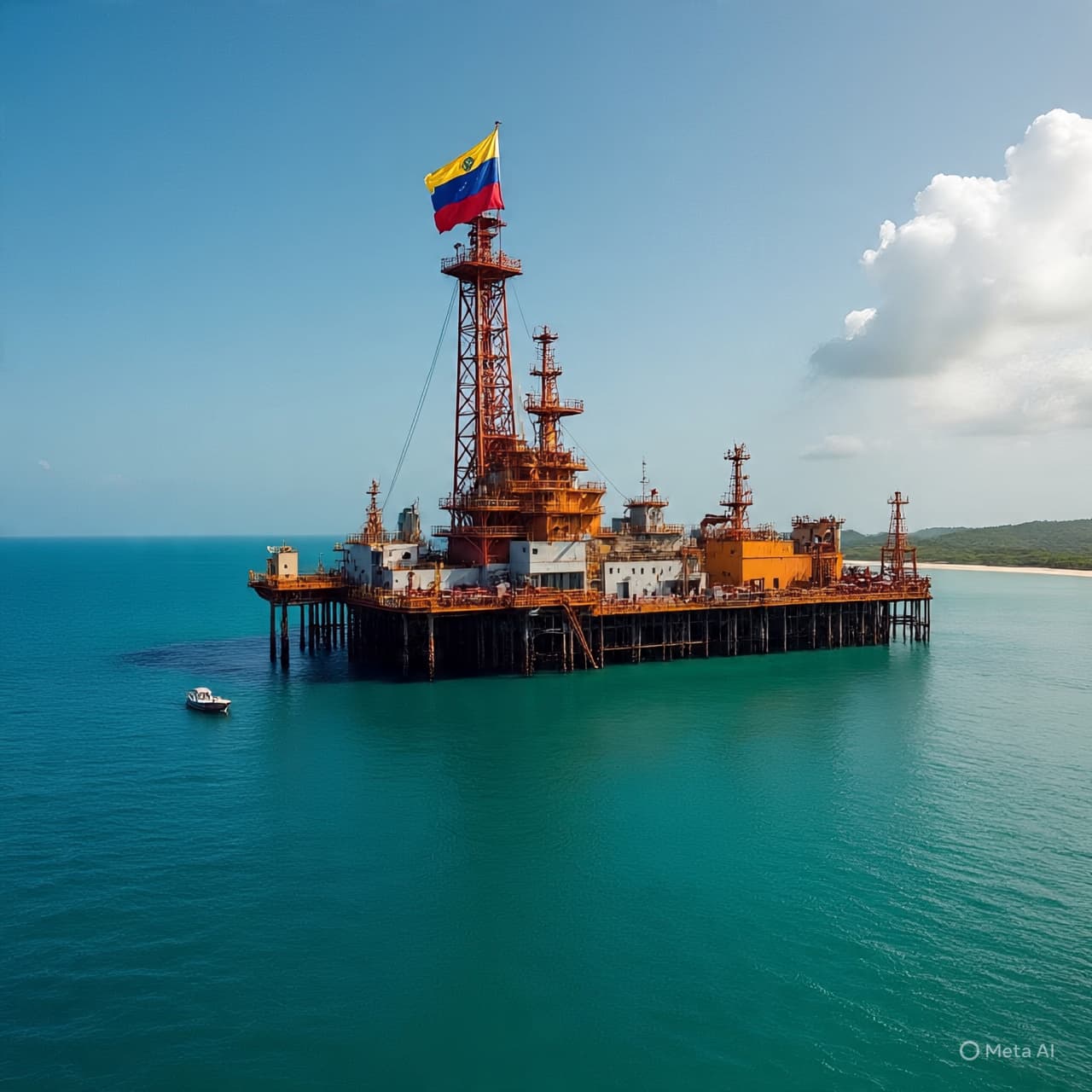
Russia and Venezuela formalize a strategic partnership covering energy, mining, transport, communications and security

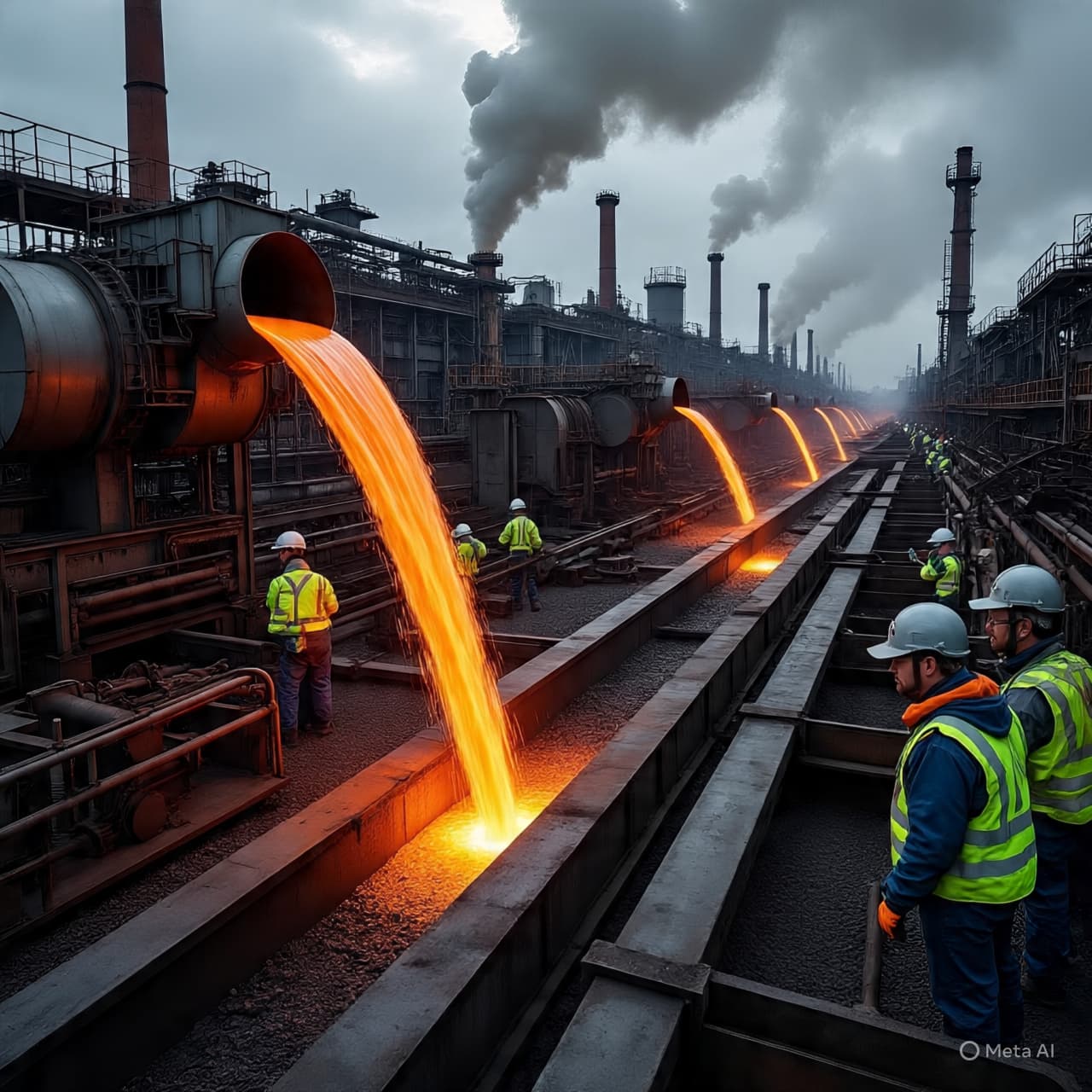
The UK is seeking a steel alliance with the U.S. and EU to jointly counter China’s subsidised steel overcapacity by aligning tariffs and quotas, protecting domestic steel sectors.

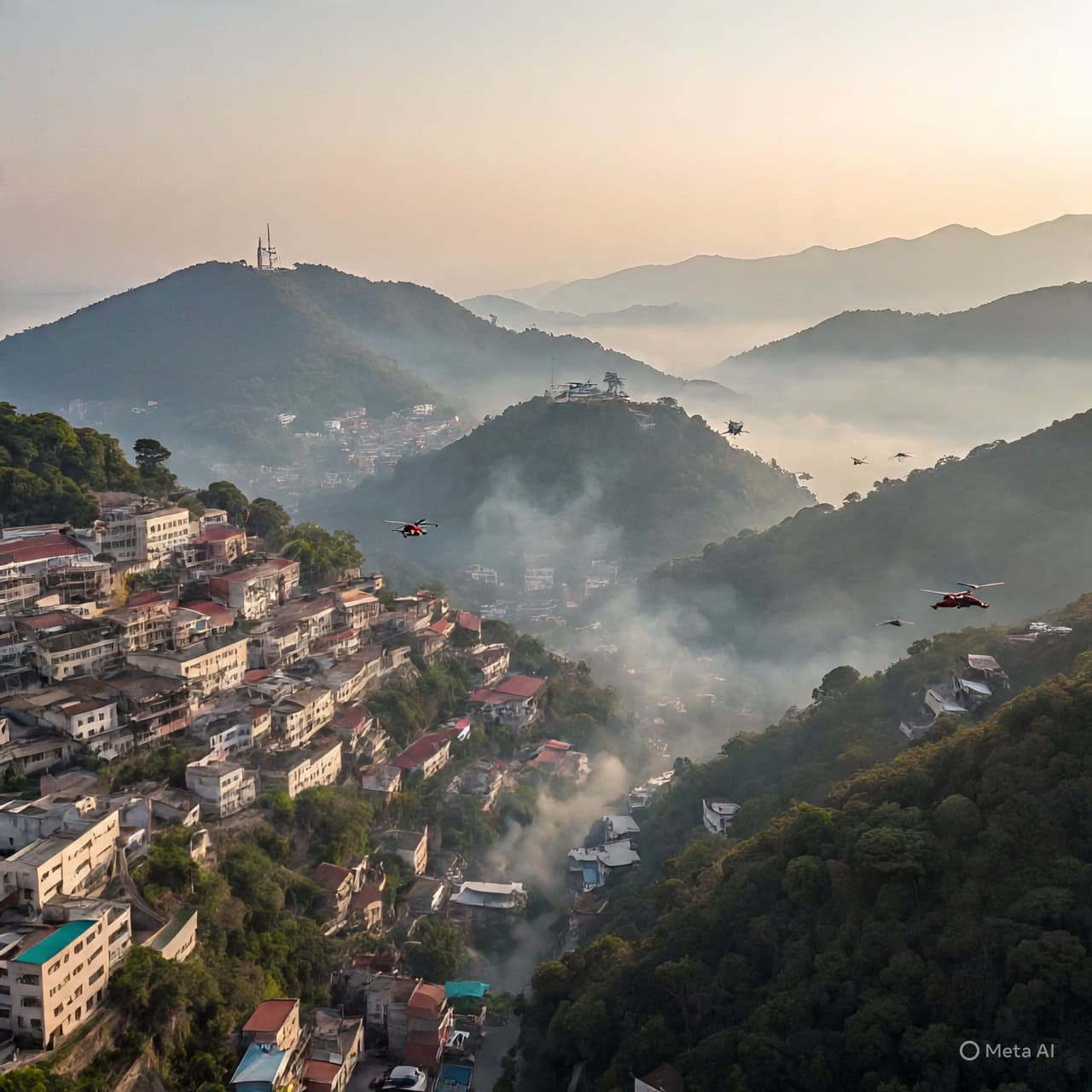
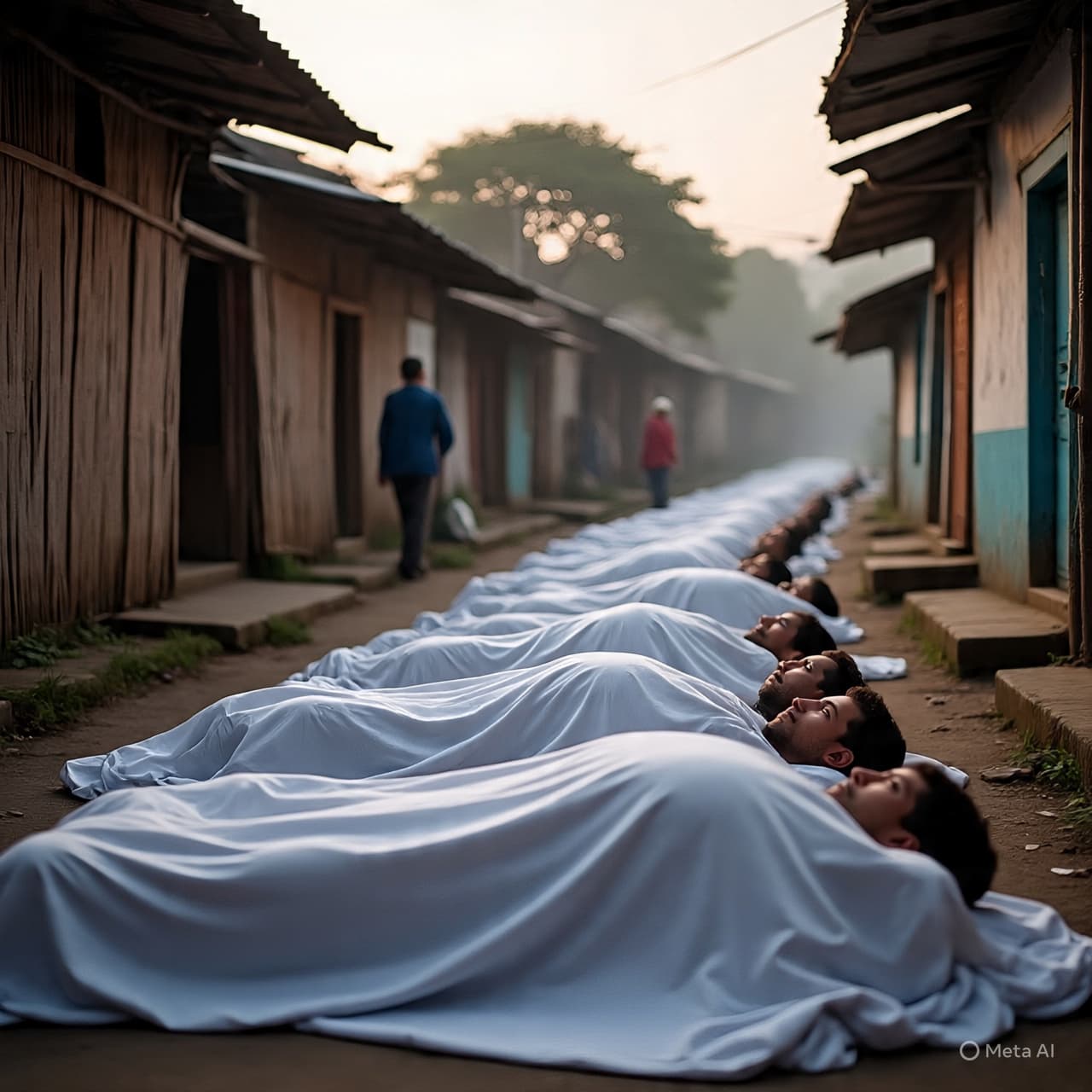
A massive police operation in Rio’s favelas left more than 130 people dead. As armored vehicles rolled in and bodies were laid out, the city confronts the cost of a war-like strategy and the lingering questions of rights, safety and justice.

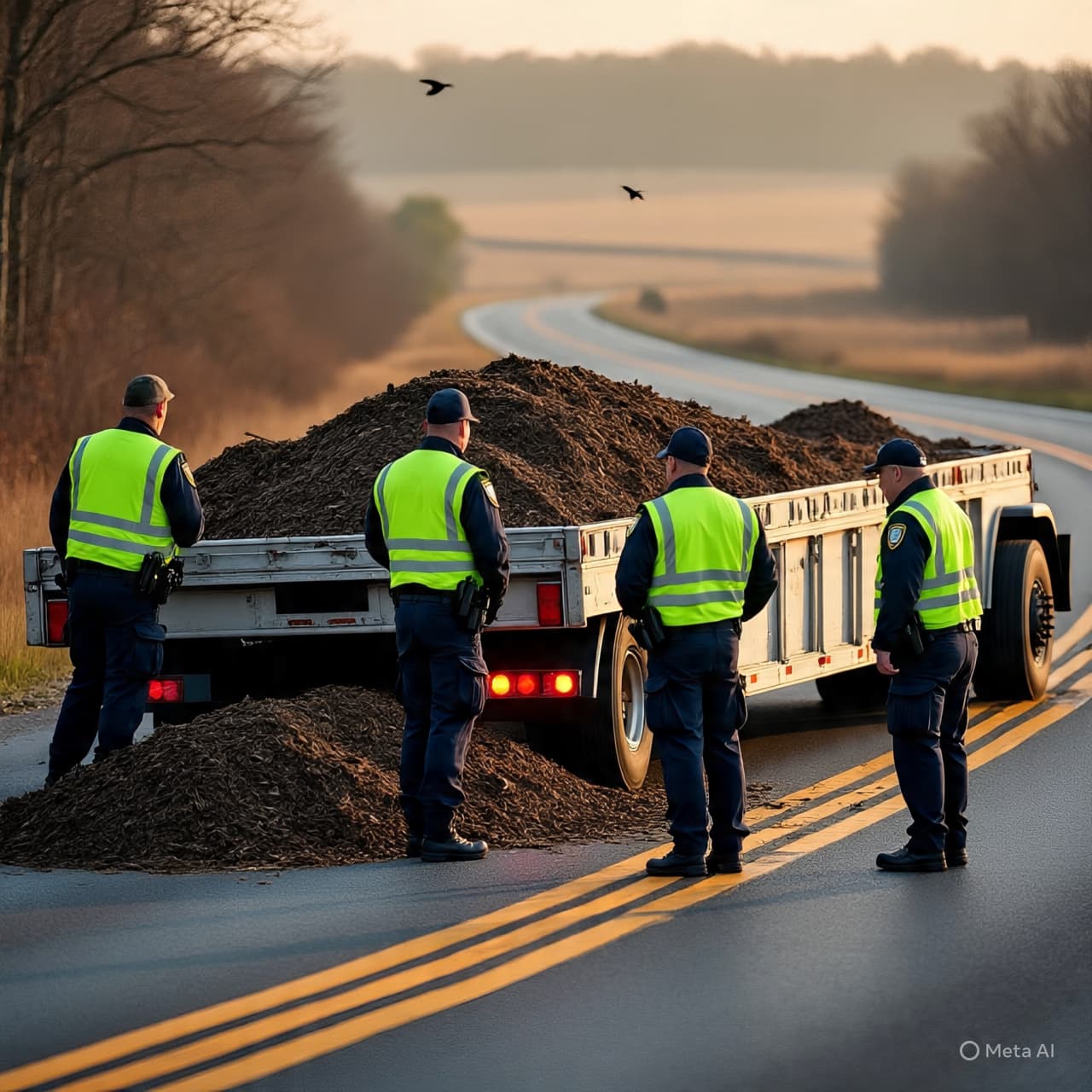
Three lab monkeys remain missing in Mississippi after a truck crash. Officials corrected false claims that the animals carried infections, confirming they were not disease carriers.

Two suspects have admitted partial involvement in the Louvre’s jewel heist, though the stolen treasures remain missing as French investigators continue their probe.

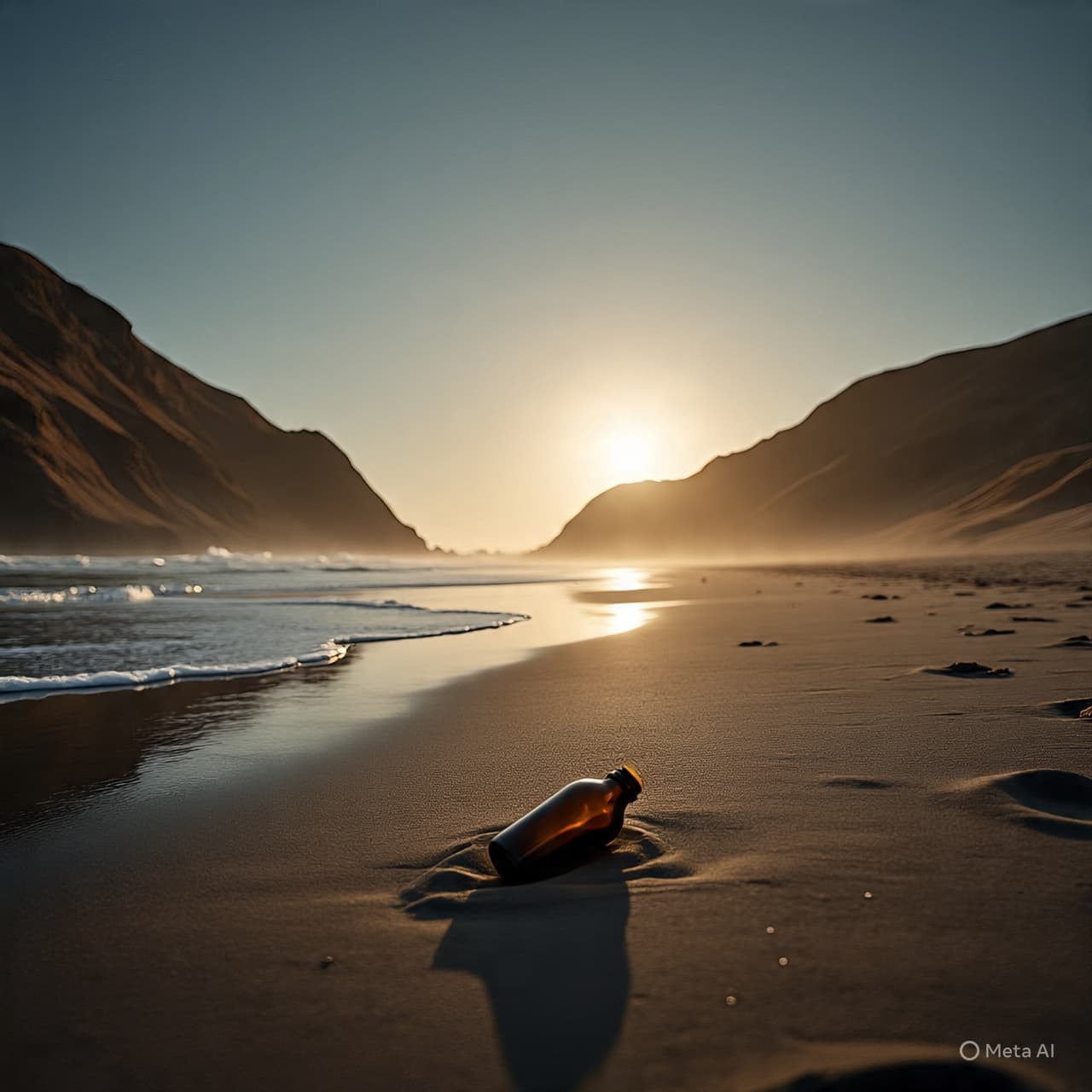
Letters by two Australian WWI soldiers, written in 1916 and sealed in a bottle, were found at Wharton Beach after 109 years — a touching rediscovery of personal history.

Paramount Skydance plans to cut around 1,000 jobs Wednesday—about 5 % of its workforce—as it begins a broader restructuring of up to 2,000-3,000 positions following a major merger.

The U.S. and Japan have agreed to deepen their alliance and jointly secure rare earth and critical minerals supplies, heralding a “new golden age” in bilateral ties.

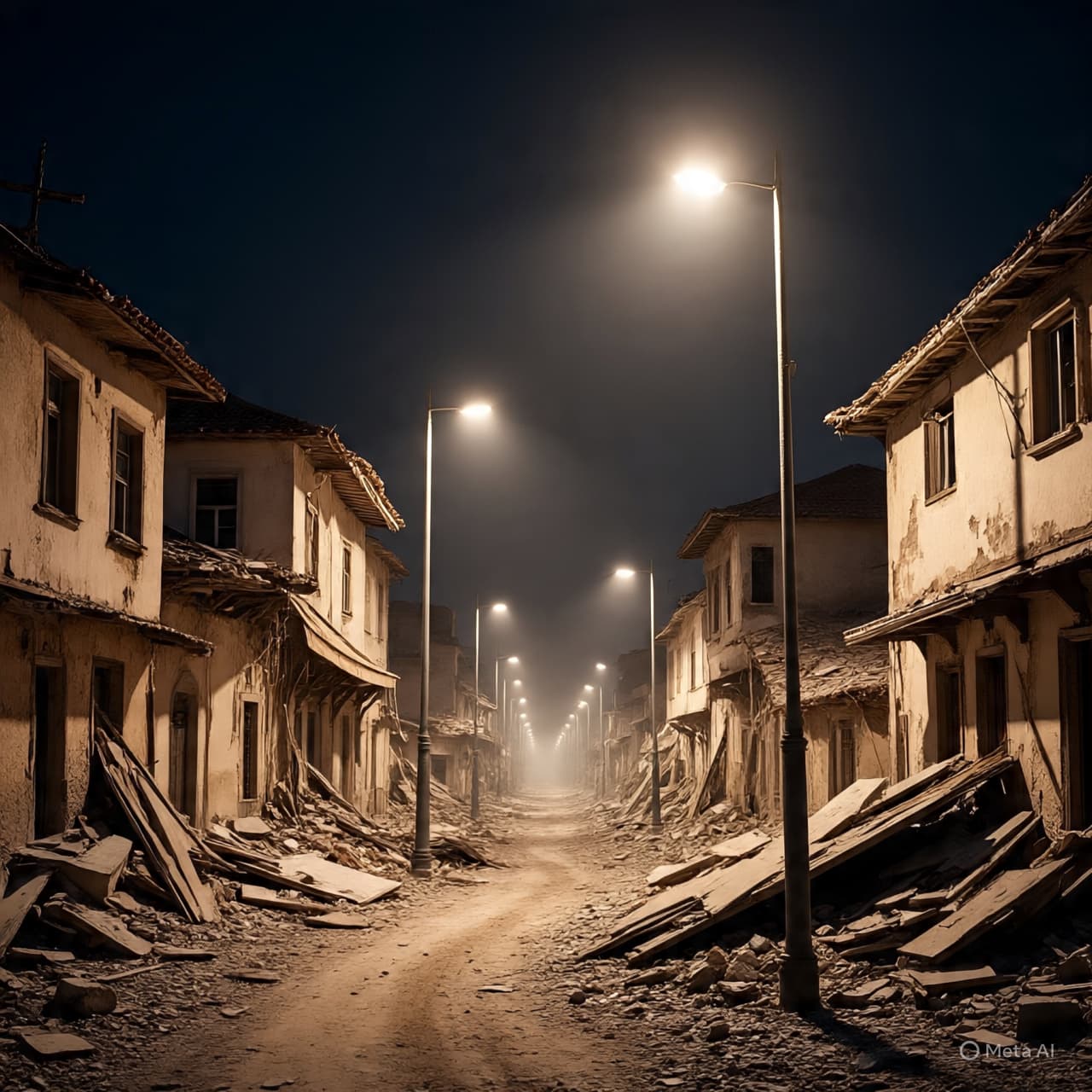
A 6.1-magnitude earthquake struck western Turkey late Oct 27 in Balıkesir’s Sindirgi, collapsing damaged buildings, injuring 22, with no confirmed fatalities so far.

Guillermo del Toro says he will never use generative AI in his films, equating tech-hubris to the Frankenstein-type creator and emphasizing human fallibility over machine “intelligence.”

Moscow reports that air defences intercepted a wave of drone attacks, downing dozens of UAVs and prompting airport shutdowns.

Two U.S. Navy aircraft—a MH-60R Sea Hawk helicopter and a F/A-18F Super Hornet fighter—crashed into the South China Sea on October 26, 2025, during routine operations from the USS Nimitz.

In El-Fasher, North Darfur, civilians under siege by the RSF increasingly rely on paying ransoms and risking violent ambushes to escape the city

Cameroon’s long-time president Paul Biya has won re-election with 53.66 % of the vote, securing an eighth term that could keep him in power until around age 99.

Finland’s fertility rate has fallen to 1.25 children per woman, despite strong family policies, pushing the country toward an inevitable demographic shift of aging, fewer workers and regional decline.

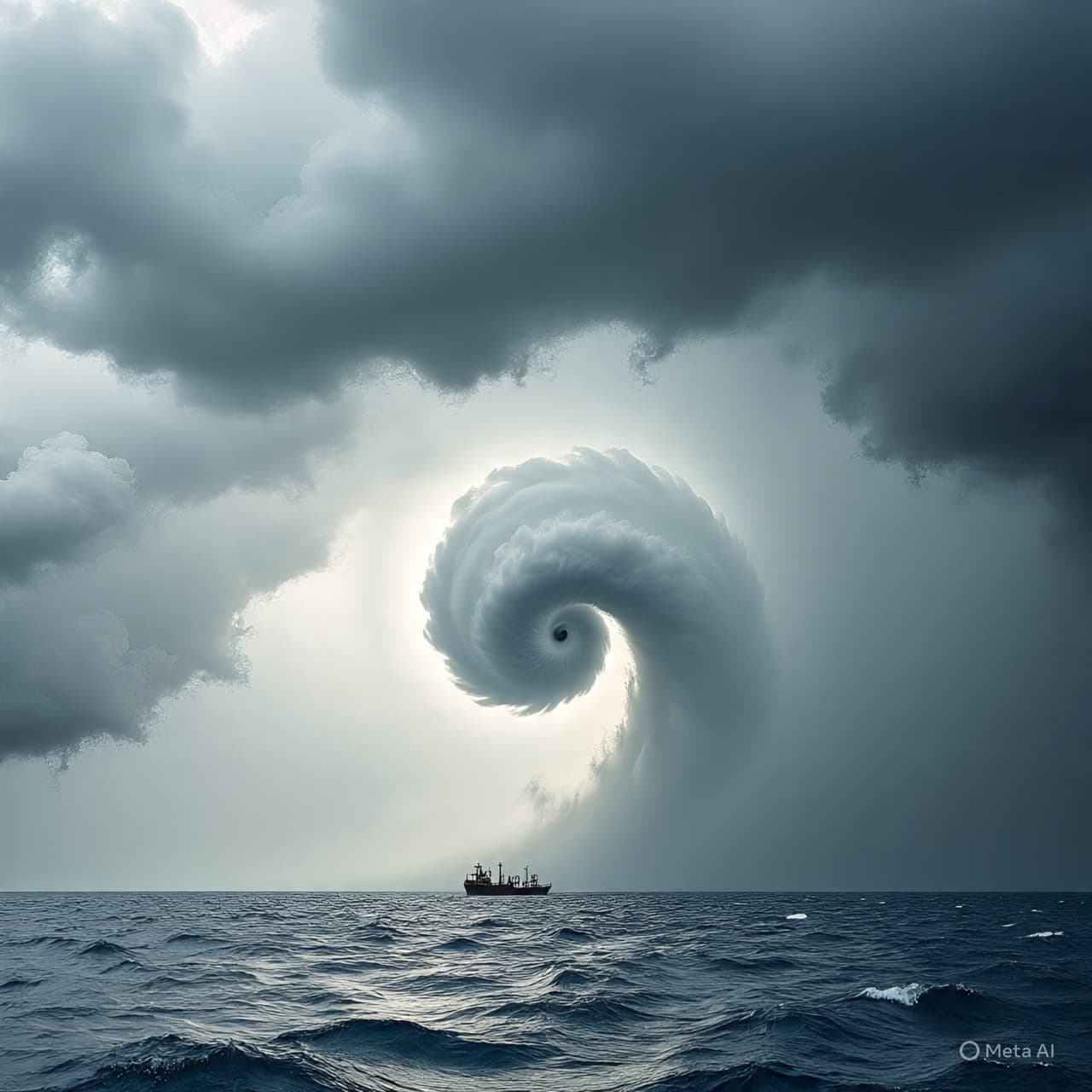
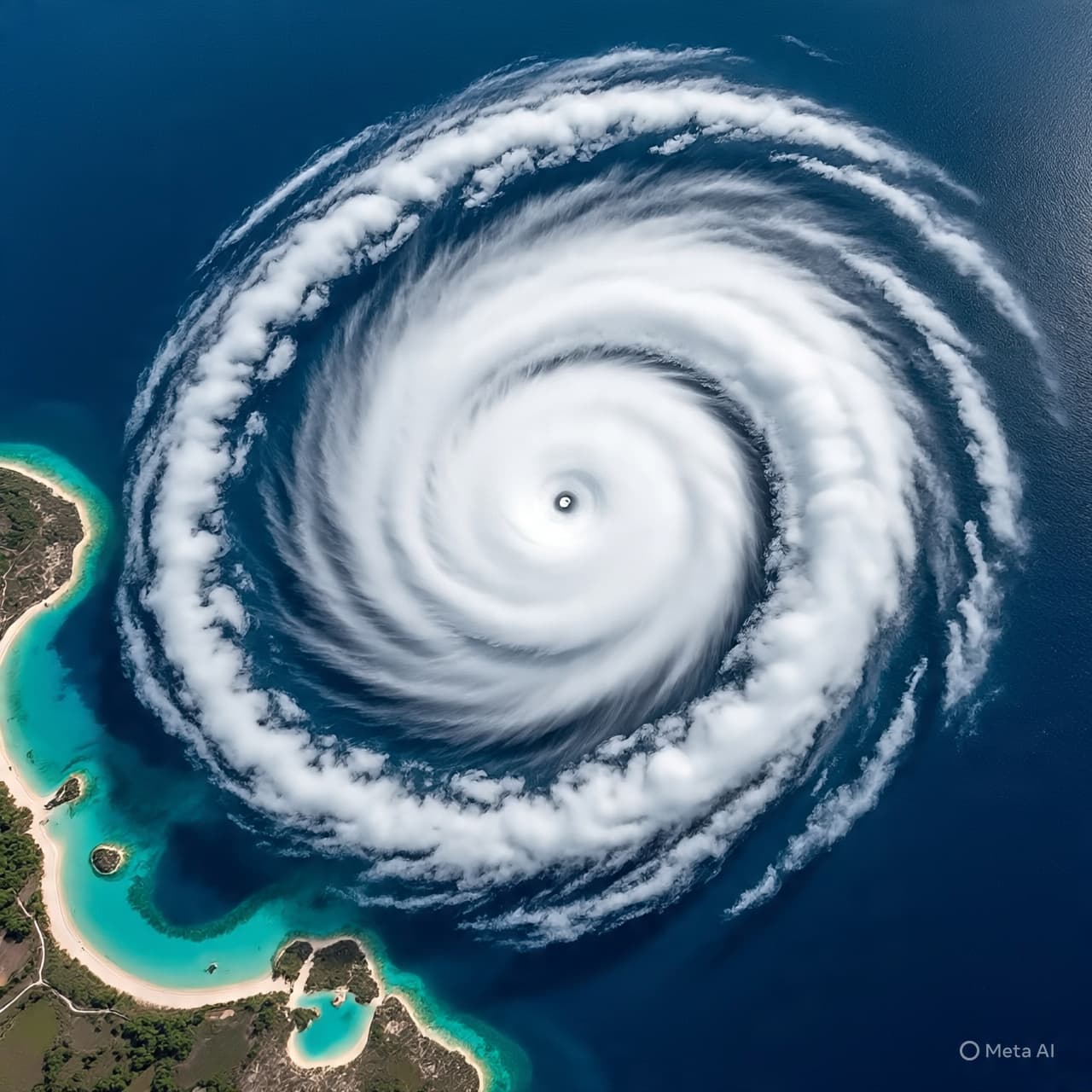
Hurricane Melissa, now a Category 5 storm, is the strongest on Earth this year — fueled by record-warm seas, rapid intensification, and a changing climate.