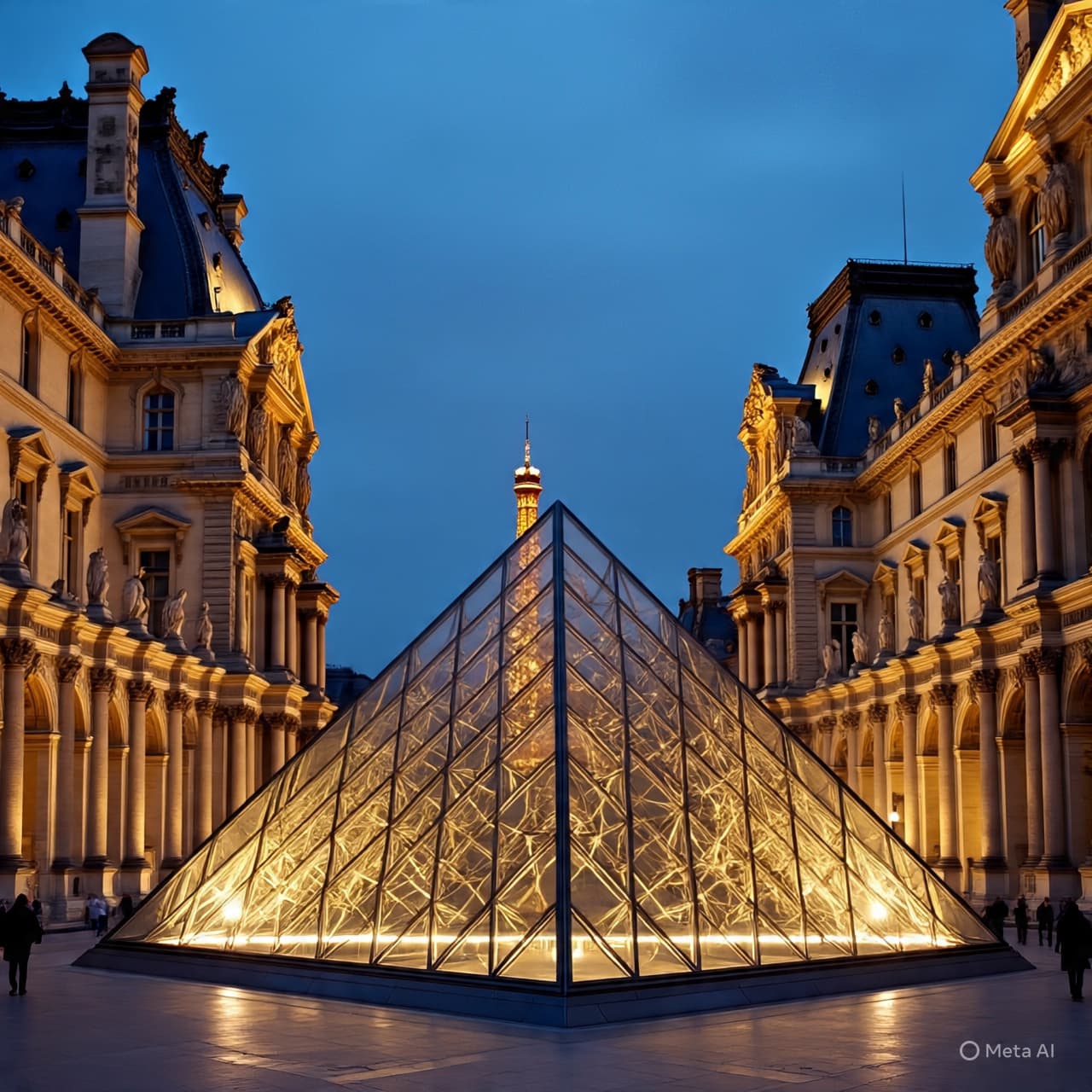
In the heart of Paris, where centuries of beauty hang suspended in quiet reverence, a scandal of human frailty has broken the stillness. Two suspects have now admitted partial involvement in the audacious jewel theft from the Louvre’s Apollo Gallery—a crime that captured the imagination as much as it wounded the pride of France.
The theft, carried out in the full light of day, stripped the museum of treasures worth nearly a hundred million dollars. The gems—symbols of royal lineage and craftsmanship—were taken with precision that suggests either meticulous planning or internal complicity. Investigators believe that blind spots in surveillance and momentary lapses in protocol were exploited with surgical calm.
Now, as prosecutors confirm the partial confessions, the mystery deepens rather than resolves. What drives a person to steal art—or jewels—from a house built for eternity? Perhaps it is not greed alone but an illusion of touching immortality, of owning what history itself once cradled. Yet beauty stolen loses its sanctity; a masterpiece out of place becomes only evidence.
Police say the jewels remain missing. The suspects’ cooperation may yet reveal their whereabouts, though recovery efforts so far have been fruitless. The Louvre, meanwhile, faces scrutiny over its security systems, with reforms expected to follow. The echo of this theft will linger longer than the glint of its stolen gold.
AI Image Disclaimer: “AI-generated artwork used for illustrative purposes only.”
Sources: Associated Press Reuters Le Monde France 24 BBC News
Published by Banx Network. This article is part of the Banx decentralized media programme, powered by the BXE token on the XRP Ledger.