In a quiet turn of policy strategy, the United Kingdom has stepped forward to invite its closest economic partners into what might become a defining defence of Western manufacturing. The UK government is actively pursuing a “steel alliance” with the European Union and the United States to collectively respond to the tide of global steel overcapacity—chiefly emanating from the People’s Republic of China—that threatens the viability of domestic industry across the Western world.
The UK’s Trade Minister, Sir Chris Bryant, described ongoing talks about aligning tariffs and quotas between the three parties, comparing the initiative to the post-war steel-coal coalitions of the 1950s. “We’re in continuous discussion … about whether there should be a three-way [alliance], a two-way, and if so, which two-way,” he said.
global steel overcapacity is estimated at around 600 million tonnes and expected to reach 721 million tonnes by 2027—driven in part by Chinese production approaching one billion tonnes annually.
For Britain, the calculus is two-fold. First, it seeks protection for its steel-industry firms from the flood of low-cost imports and diversion flows from other markets. Second, it recognizes that its post-Brexit trade posture means it must craft new safeguard structures rather than rely solely on EU-defended tariffs. The proposed “steel club” could offer preferential access and coordinated external tariffs, thereby avoiding being caught between shifting U.S. and EU regimes.
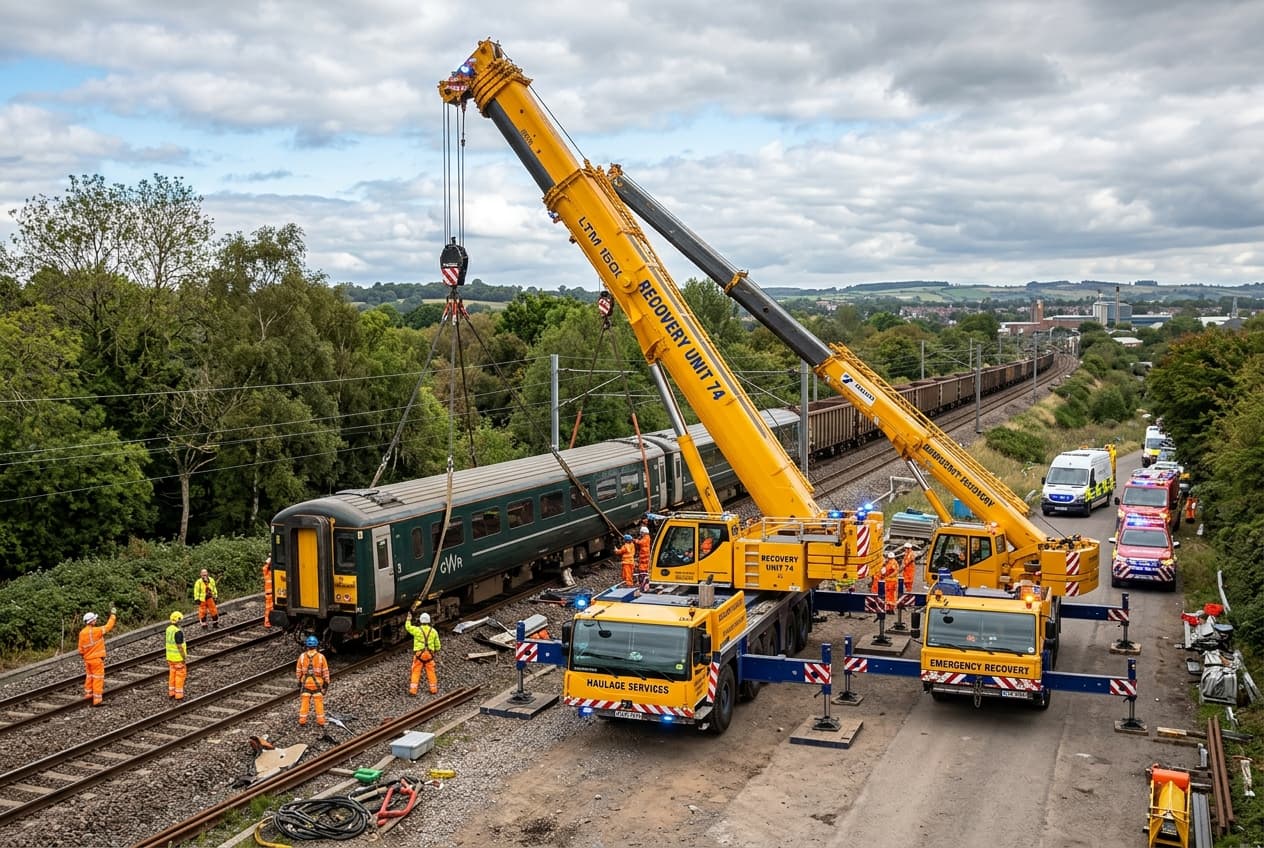
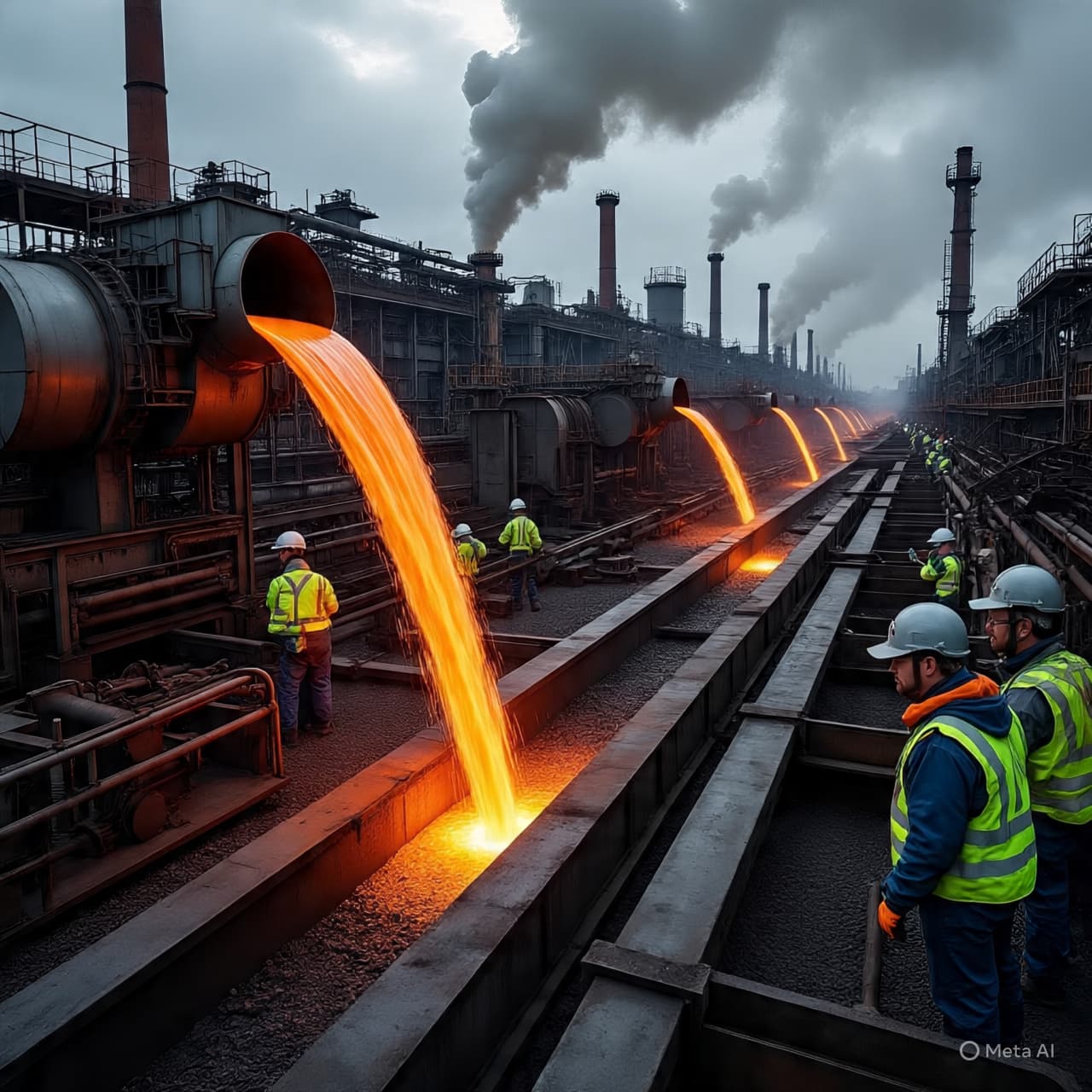
AI image disclaimer: Images generated by AI may not depict real people, places or events with perfect accuracy.
Published by Banx Network. This article is part of the Banx decentralized media programme, powered by the BXE token on the XRP Ledger.