A shadow crept across Moscow’s night sky, stirring sirens, flickering lights and the anxious hum of radar. According to Sergei Sobyanin, the Mayor of the Russian capital, city air‐defence units engaged and repelled multiple unmanned aerial vehicles (UAVs) targeting Moscow.
The attack — described by authorities as a wave of drones launched against key zones of the city — prompted the closure of at least two major airports, Domodedovo Airport and Zhukovsky Airport, as a precautionary measure amid the unfolding aerial event.
Moscow’s defences claim to have shot down 28 drones within roughly five hours, the timeframe beginning shortly before 10 p.m. Moscow time on the Sunday night in question, per Sobyanin’s reporting. Debris from the engagement was found within city limits and emergency teams were at work managing the aftermath.
The incident underscores several stark realities: first, that Moscow remains within reach of high-tempo drone attacks, a fact that challenges the perception of the capital’s invulnerability. Second, the visible interruption of civilian infrastructure — airports being closed — demonstrates that even defensive success does not equate to disruption-free nights. Third, the narrative of interception, while reassuring, raises questions: how many drones slipped through, what payloads they carried, and what was their ultimate goal?
From a broader strategic perspective, the episode suggests a continued escalation in unmanned aerial operations and counter-measures in the conflict zone. Moscow’s announcement, while focused on defensive success, also serves a signalling function — that the city is on alert, its skies monitored, and its systems engaged.
In straight-news tone: Russian officials say air-defence systems in the Moscow region intercepted and repelled a drone attack overnight, with at least 28 UAVs destroyed, airports temporarily closed, and no confirmed major damage or casualties.
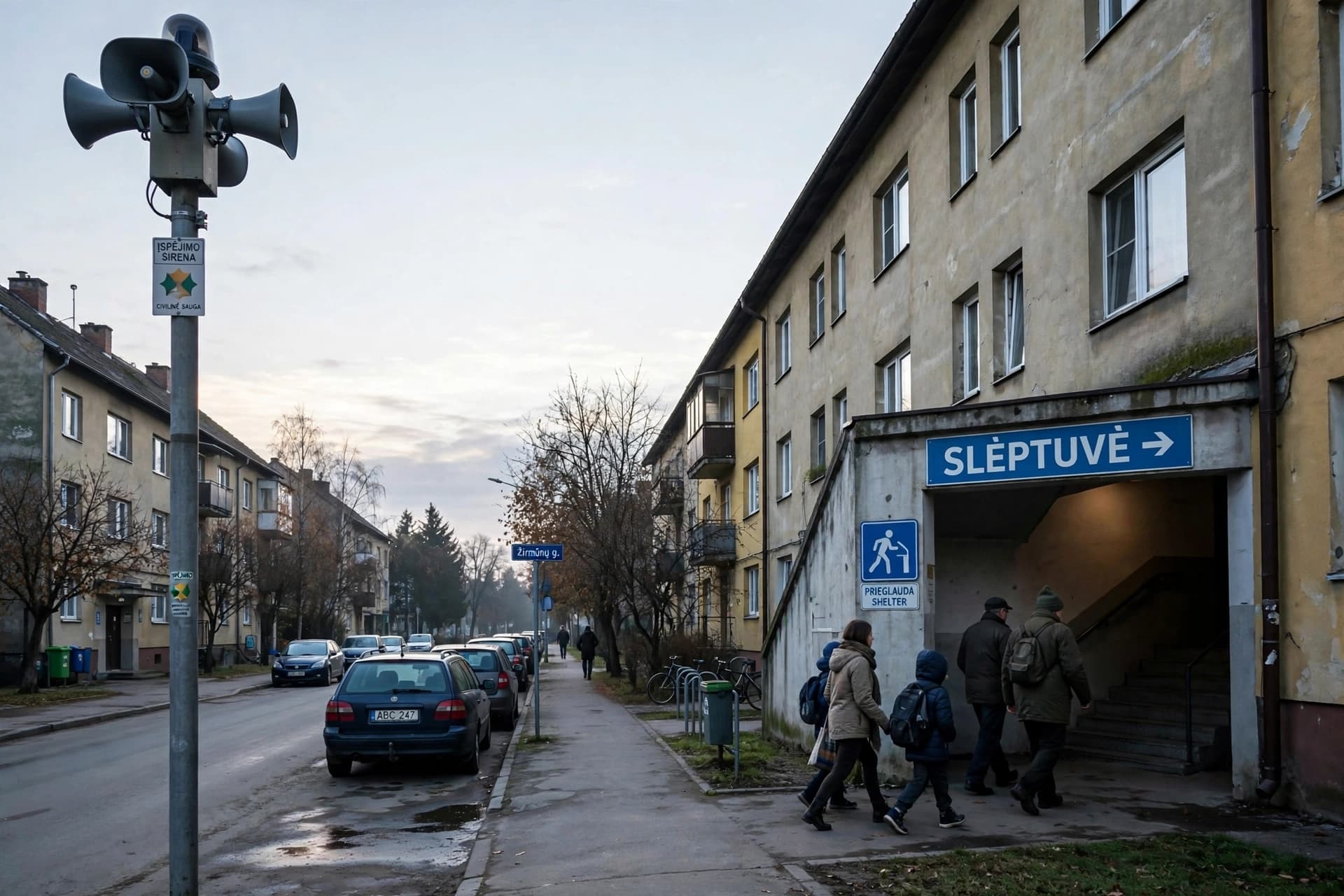
Some images generated with the assistance of artificial intelligence.
Sources: Reuters, Anadolu Agency, The Moscow Times, Economic Times, TRT World
Published by Banx Network. This article is part of the Banx decentralized media programme, powered by the BXE token on the XRP Ledger.