Nvidia Suppliers Expand Production as AI Infrastructure Spending Accelerates
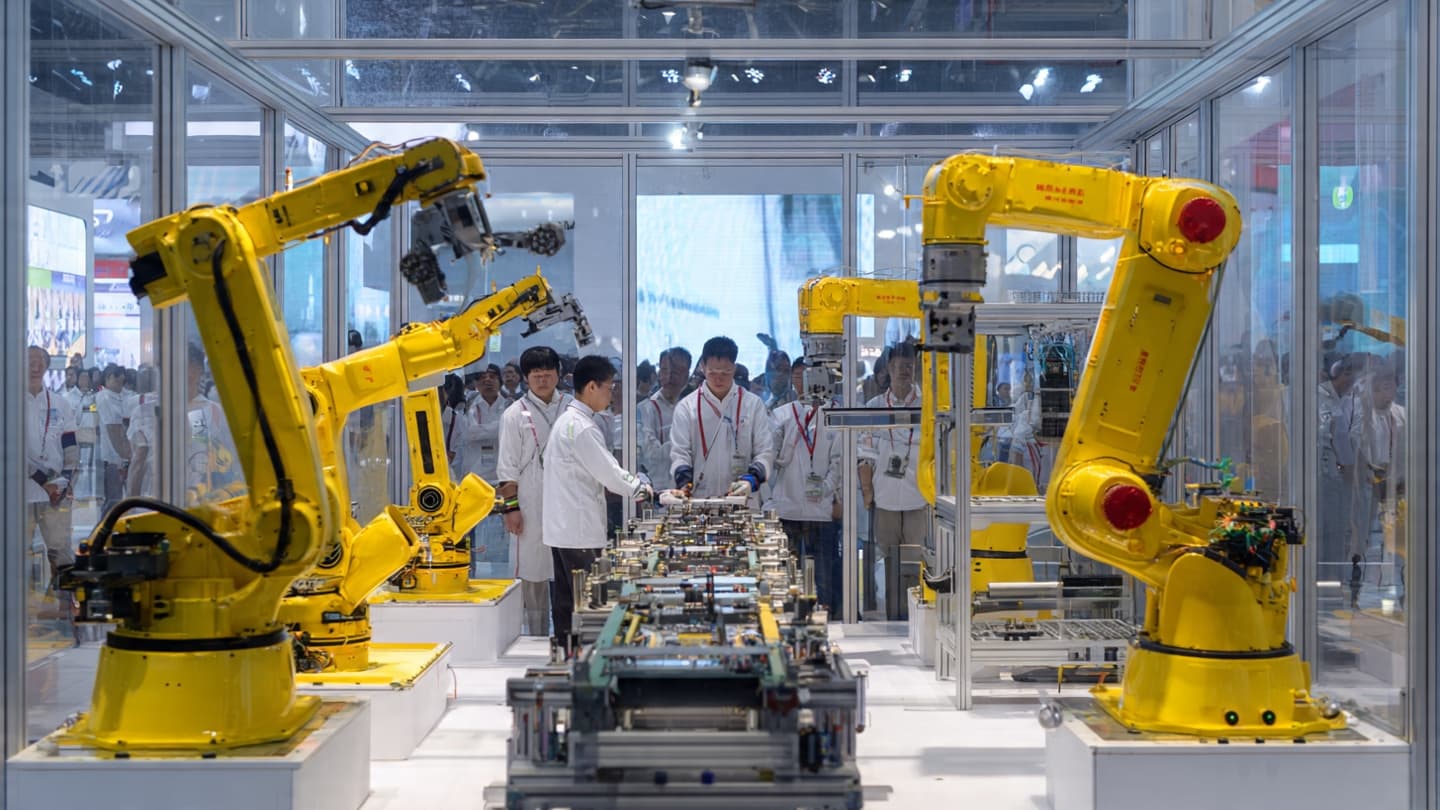
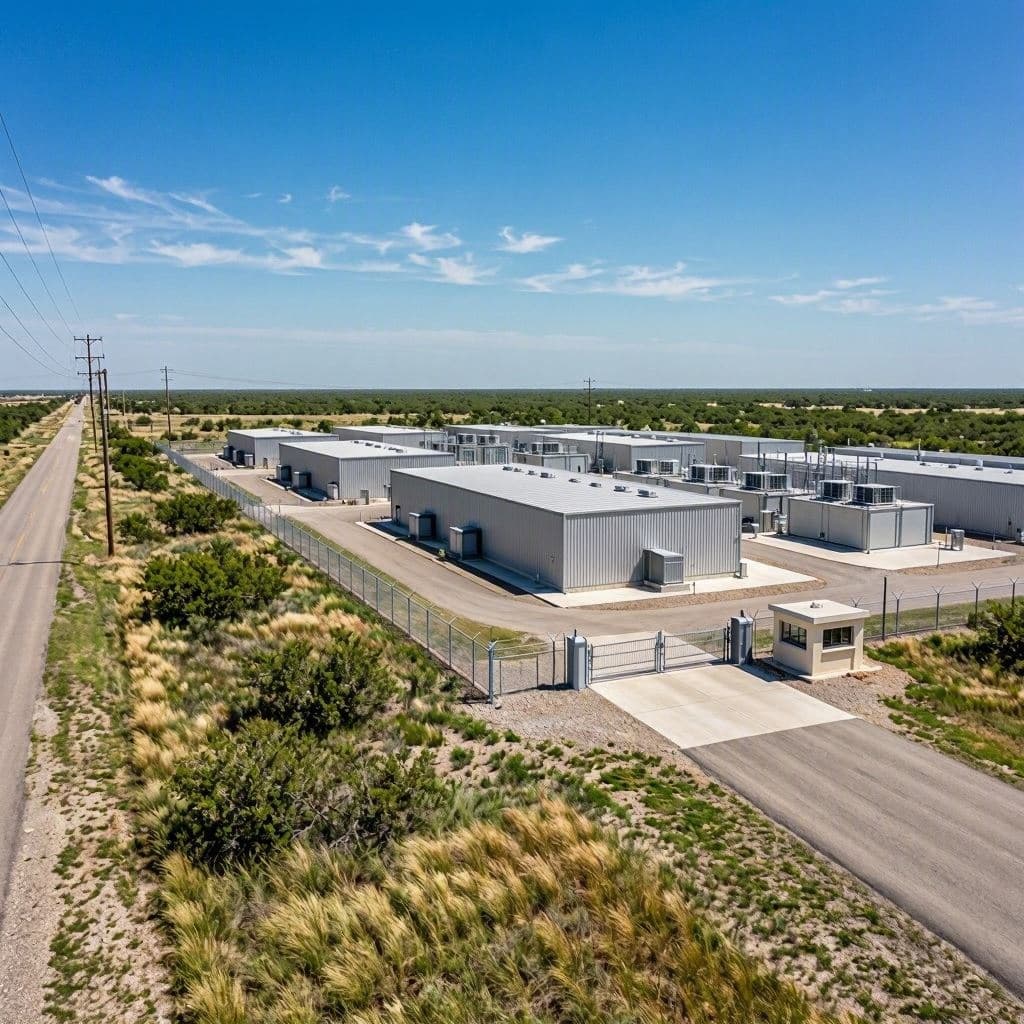
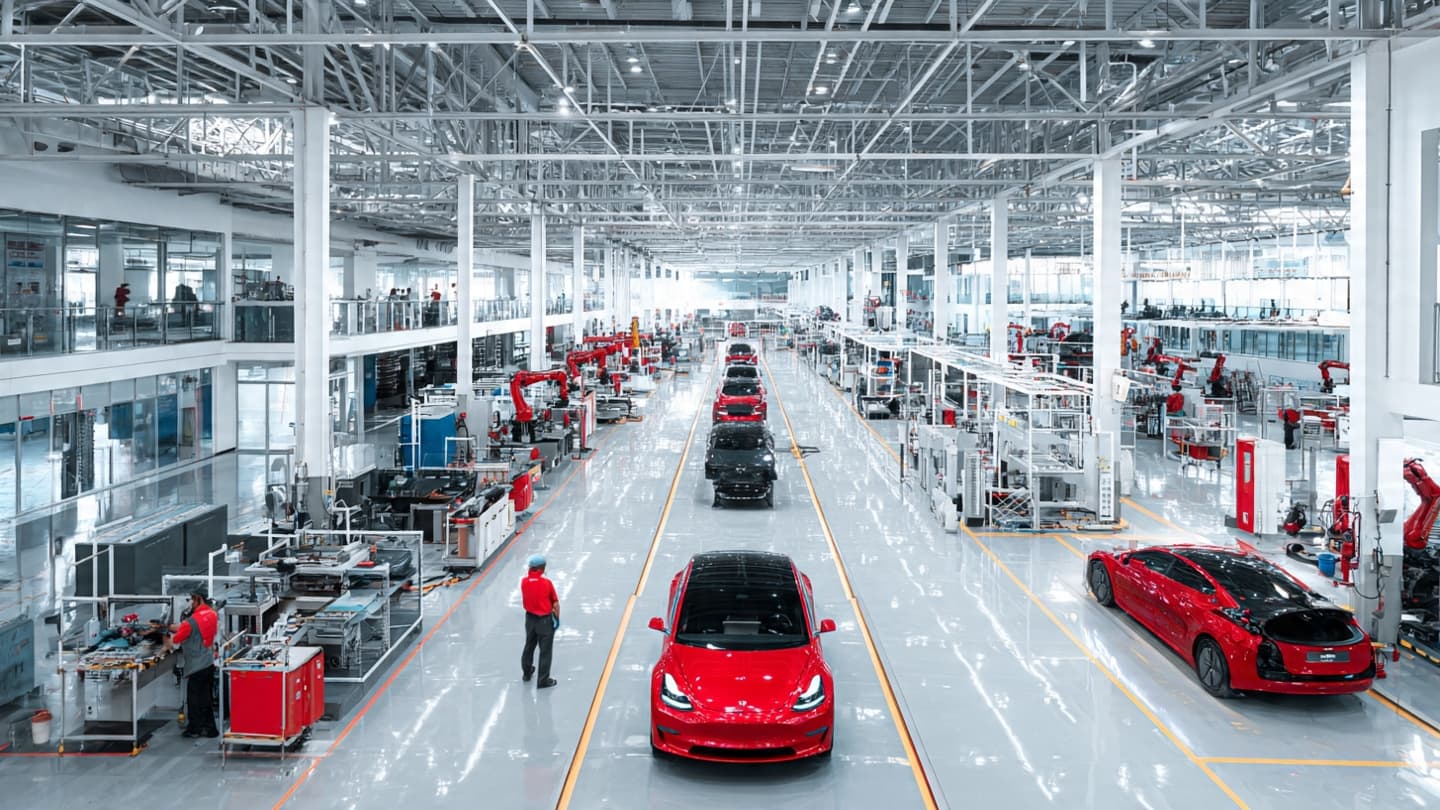
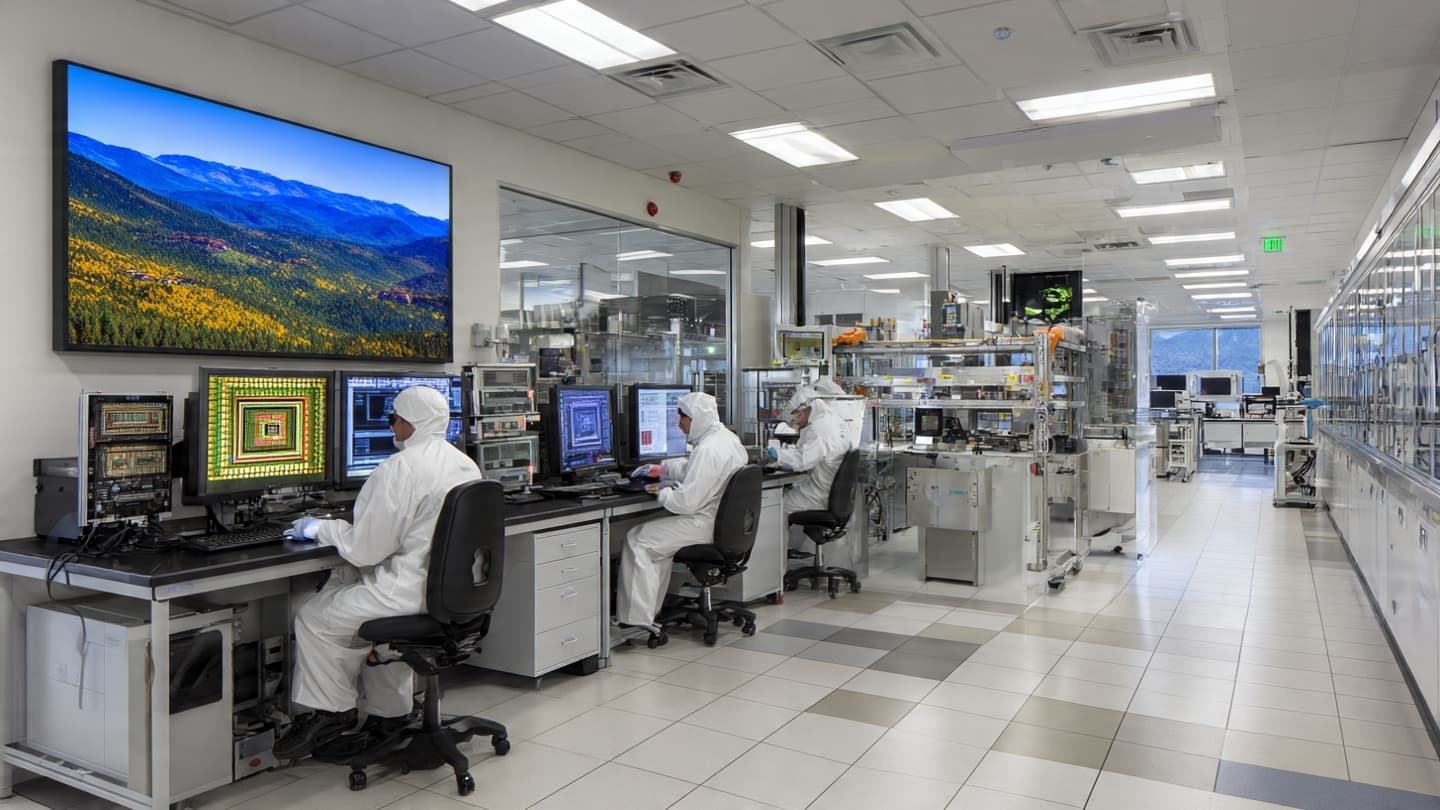
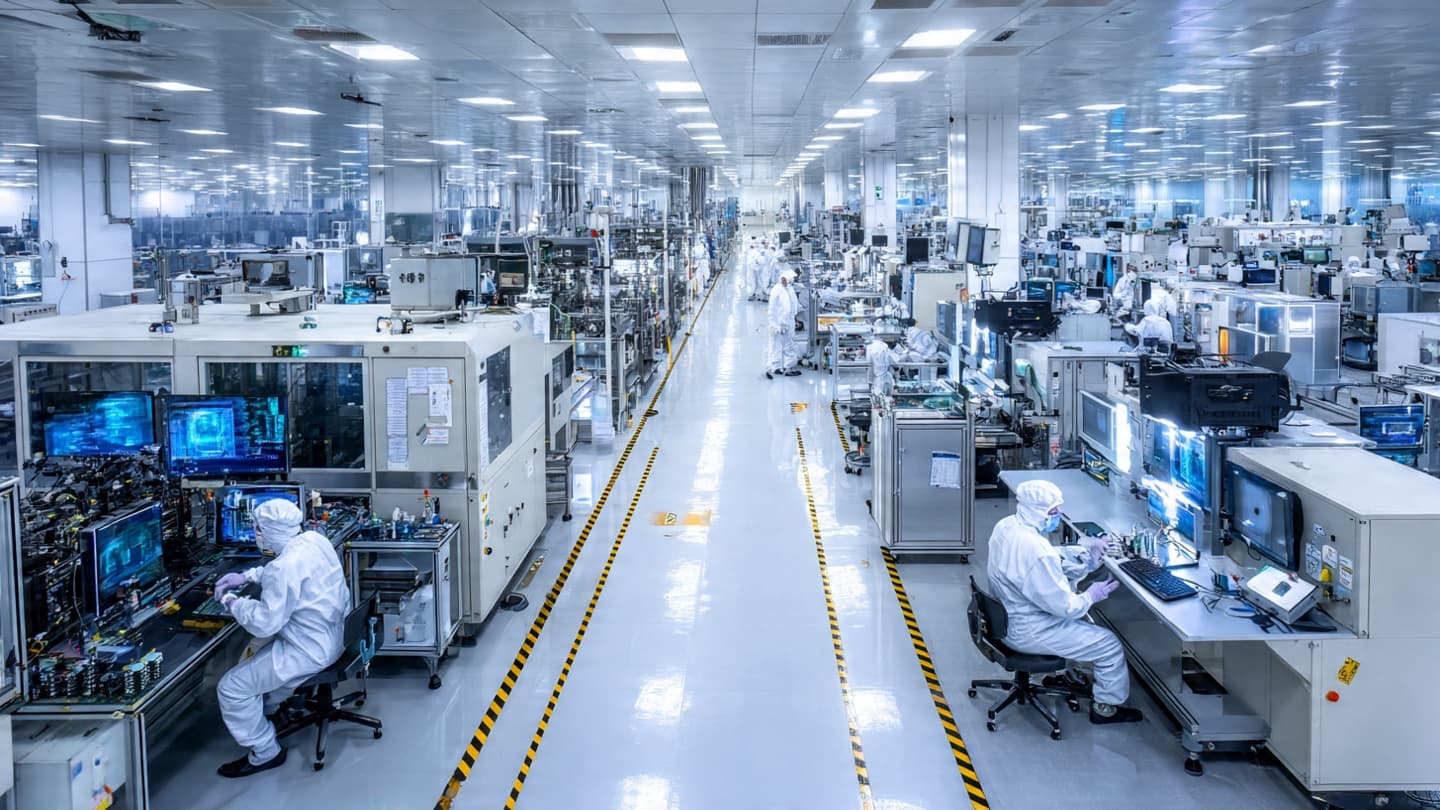
Nvidia's suppliers are expanding production as AI investment drives soaring demand for advanced chips, servers and data-centre infrastructure.

Nvidia's suppliers are expanding production as AI investment drives soaring demand for advanced chips, servers and data-centre infrastructure.

Quantum computing poses a significant threat to current encryption methods, necessitating a shift to Post-Quantum Cryptography (PQC). This article explores the risks of "harvest now, decrypt later" attacks, the ongoing standardization of PQC, and the urgent need for organizations to prepare their infrastructure for the quantum era.

The rise of AI is creating a new "digital divide" based on the capacity to use technology, threatening to widen global inequality. This article explores the disparities in infrastructure, education, and data representation, and highlights the need for international cooperation and inclusive policies to ensure equitable access to AI benefits.

The tension between data-driven innovation and individual privacy is intensifying, driven by AI and extensive data collection. This article explores the regulatory responses, technical solutions like differential privacy, and the need for transparency and user empowerment to balance progress with protection in the digital age.

The US is aggressively pursuing domestic semiconductor manufacturing through initiatives like the CHIPS Act to enhance national security and supply chain resilience. This article examines the drivers behind this shift, the challenges of workforce development and sustainability, and the global implications of a more fragmented but secure chip ecosystem.

Helion Energy has secured significant funding, advancing the commercialization of nuclear fusion. This article explores the technology’s potential to provide clean, baseload power, the role of private investment in accelerating innovation, and the remaining engineering challenges on the path to a fusion-powered future.

Europe is considering allowing Starlink and Amazon to access spectrum for their satellite internet services. This article examines the benefits of improved connectivity, the strategic concerns of foreign dependency, and the challenge of balancing competition with regulatory sovereignty in the growing LEO satellite market.

US authorities have approved Anthropic’s release of its new AI model, Claude Mythos, after rigorous safety testing. This article explores the significance of this regulatory milestone, the balance between innovation and protection, and the global implications for AI governance and trust

AI is increasingly integrated into military strategy for intelligence processing and logistics, offering speed and precision but raising ethical concerns. This article examines the benefits of AI-enhanced decision-making, the risks of bias and autonomy, and the urgent need for international regulations and human oversight in defense technologies.

OpenAI has clarified that it does not make operational military decisions, highlighting the ethical complexities of dual-use AI technologies. This article explores the distinction between general and operational use, the challenges of enforcement, and the importance of establishing global standards for responsible AI development in defense contexts.

The smartphone era is giving way to autonomous wearables and ambient computing, where AI assists users proactively without constant screen interaction. This article explores the technological drivers, privacy challenges, and societal implications of this shift, urging a thoughtful approach to the next generation of digital tools

Europe is considering allowing Starlink and Amazon to access spectrum for their satellite internet services. This article examines the benefits of improved connectivity, the strategic concerns of foreign dependency, and the challenge of balancing competition with regulatory sovereignty in the growing LEO satellite market.

A new AI-powered startup is simplifying the patent application process, making intellectual property protection more accessible to small businesses and individual inventors. This article explores the benefits of this democratization, the evolving role of patent attorneys, and the importance of maintaining quality and integrity in the patent system.

Helion Energy has secured 465 million in funding, valuing the fusion startup at $15.5 billion. This article explores their innovative approach to commercializing nuclear fusion, the potential impact on clean energy, and the challenges that remain on the path to a fusion-powered future.

The Netherlands blocked an American firm's acquisition of its national ID company, citing public interest and security concerns. This article explores the rising trend of digital sovereignty in Europe, the tension between global commerce and national security, and the implications for multinational tech corporations.

A leading Chinese battery manufacturer advocates for switching to sodium-ion technology to reduce reliance on lithium imports. This move aims to enhance energy security and sustainability amidst global supply chain vulnerabilities.

Australia is expanding its digital arrival card system to more international flights, replacing traditional paper forms. The move aims to streamline border processing and improve the traveler experience through greater efficiency and convenience.

Space games struggle to balance the true scale of the universe with engaging gameplay. Developers often compress space or use procedural generation to manage emptiness, highlighting the tension between realism and fun.

Advanced reactor technologies are gaining support as governments seek reliable, low-carbon energy solutions for future electricity demand

Apple’s lawsuit against OpenAI over alleged trade secret theft by former employees highlights the tension between IP protection and innovation.

US researchers developed a new semiconductor material for energy-efficient computing, published in Nature, offering a sustainable solution for rising digital energy demands.

Advanced nuclear reactor technologies are attracting investment as countries seek reliable, low-carbon power for future energy demand.

Nuclear engineering, reactor operations, and grid management remain among the highest-paying energy careers as investment in advanced reactors grows.

Recent reports highlight how advancements in AI, fusion energy, and biotechnology are poised to transform global sectors including energy, healthcare, and resource management in the coming years.