On Indonesia's crowded roads, the sound of an electric vehicle can be almost absent beneath the familiar noise of motorcycles, buses and conventional engines. Yet behind that quietness is a growing industrial movement. Factories are being built, batteries are entering the supply chain and the country's abundant nickel resources are becoming part of a much larger electric-vehicle story.
Indonesia has been positioning itself as a major center for electric-vehicle manufacturing, drawing investment into battery production, vehicle assembly and supporting industries. The strategy is closely linked to the country's large nickel reserves, a key raw material used in many lithium-ion batteries.
The attraction is easy to understand. A country that can supply raw materials, process them domestically and manufacture batteries and vehicles has the opportunity to capture more value than one that simply exports minerals. Indonesia has therefore sought to move further along the supply chain rather than remain primarily a raw-material supplier.
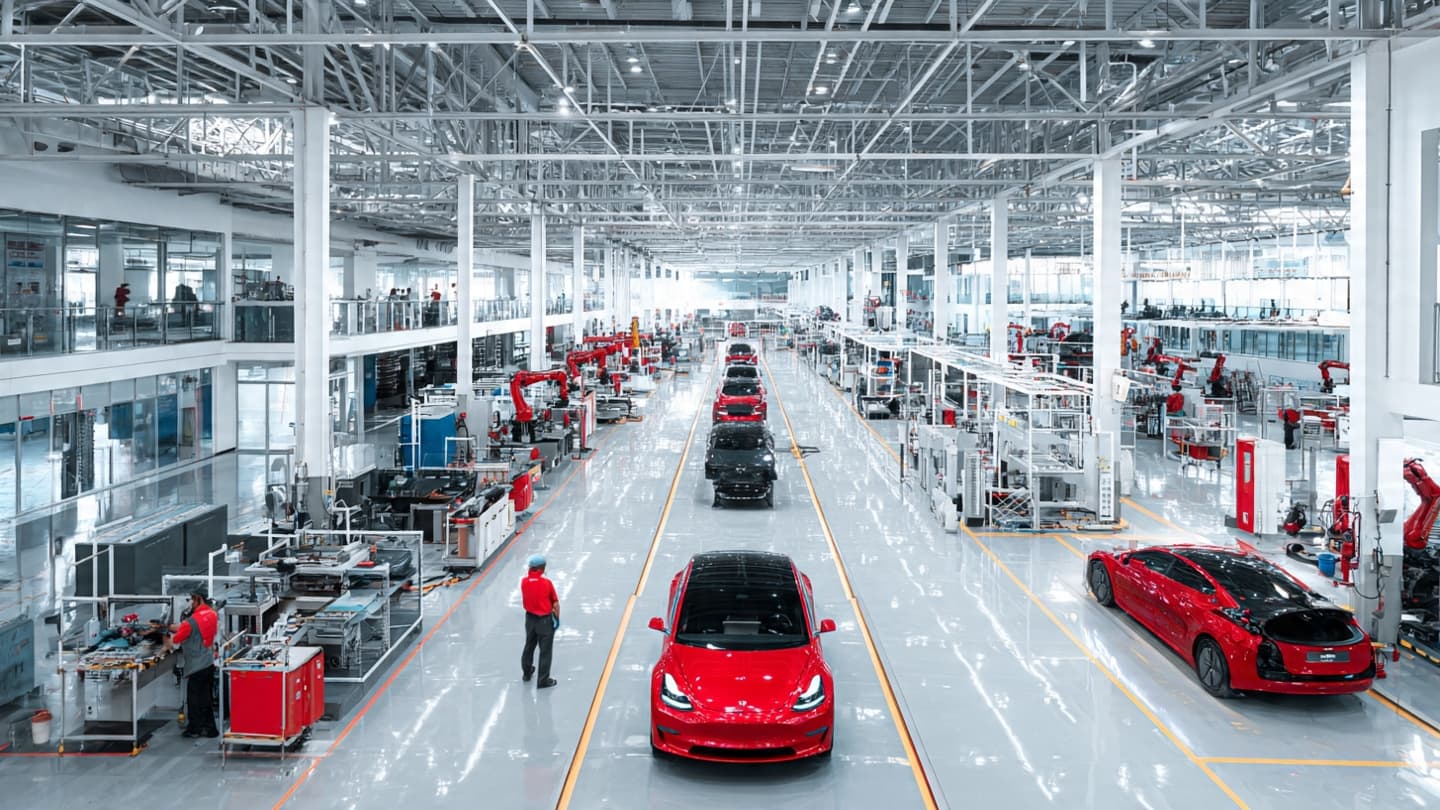
Major international automakers and battery companies have responded with investment. Hyundai and BYD have established manufacturing operations in Indonesia, while Chinese battery and vehicle companies have also expanded their presence. The growing number of facilities is gradually changing the industrial landscape around several Indonesian cities.
The transformation extends beyond factories. Electric vehicles require charging networks, battery-service systems, specialized technicians and new approaches to recycling. Cities must also consider how charging infrastructure fits into existing electricity networks and urban planning.
Consumer adoption is another part of the story. Indonesia's electric two-wheeler market has expanded as manufacturers introduce more affordable models, while electric cars are becoming increasingly visible in major urban areas. Government incentives have helped reduce the initial price barrier for some consumers.
The country's electric-vehicle ambitions are also tied to energy policy. Indonesia generates much of its electricity from fossil fuels, particularly coal, meaning that the environmental benefits of electric transport depend partly on how electricity itself is produced. The transition to electric mobility therefore intersects with the longer process of transforming the country's energy system.
Battery production brings another set of considerations. Nickel mining has expanded rapidly, and Indonesia has introduced policies intended to encourage domestic processing. At the same time, environmental management and responsible mining remain important parts of the discussion surrounding the country's role in the global battery supply chain.
The industrial opportunity is nevertheless significant. Indonesia's population provides a large potential domestic market, while its mineral resources give the country an unusual position in the global electric-vehicle ecosystem. If manufacturing capacity continues to expand, Indonesia could become increasingly important not only as a consumer market but also as a regional production center.
For now, electric vehicles remain a relatively small part of Indonesia's overall transportation system, but the direction is visible. From nickel processing facilities to battery plants and urban charging stations, the infrastructure of electric mobility is taking shape. The transformation will take years, but its foundations are already being built.
SEO-friendly Slug indonesia-electric-vehicles-battery-nickel-manufacturing-industry
Hashtags #Indonesia #ElectricVehicles #EV #Automotive #Batteries #Nickel #Technology #Business
Image Disclaimer The images are AI-generated conceptual representations created to accompany the article and are not documentary photographs.
Sources Reuters International Energy Agency Ministry of Industry Republic of Indonesia
Published by Banx Network. This article is part of the Banx decentralized media programme, powered by the BXE token on the XRP Ledger.