There are moments when a company’s future becomes visible not through what it earns, but through what it is willing to spend. At Alibaba, the balance has recently tilted toward machines, servers and artificial intelligence, leaving less room for profit in the present as the company builds for what may come next.
Alibaba reported a 75% decline in quarterly net profit on August 20, even as revenue exceeded analysts’ expectations. The Chinese technology giant has been significantly increasing its capital expenditure on artificial intelligence infrastructure, reflecting the intensifying competition surrounding AI and cloud computing.
The result captures a tension spreading across the technology industry. Artificial intelligence requires enormous computing capacity, and that capacity is expensive. Companies need advanced chips, data centers, electricity and specialized infrastructure before an AI service can reach the scale expected by consumers and businesses.
For Alibaba, the investment is closely connected to its cloud business. Alibaba Cloud has become one of the company's most important platforms for providing computing and AI services to businesses. As demand for AI applications grows, the company is seeking to expand the infrastructure capable of handling increasingly sophisticated workloads.
The spending comes at a time when China's technology industry is experiencing an intense AI race. Alibaba is competing with domestic technology companies developing their own large language models and AI platforms, while Chinese startups are also pushing aggressively into lower-cost artificial intelligence services.
Alibaba's earlier release of its Qwen family of AI models illustrated the company's intention to become more than an e-commerce company with an AI division. Its strategy increasingly places artificial intelligence at the center of cloud computing, enterprise software and digital services.
That transformation, however, requires patience. Building data centers and computing infrastructure produces costs immediately, while the commercial benefits may arrive gradually. Businesses first need to adopt the technology, applications need to attract users and developers need to build services around the underlying models.
The pressure is particularly visible in the contrast between revenue and profit. Stronger sales can coexist with falling earnings when a company decides to spend aggressively on expansion. Investors therefore have to consider not only today's financial results but also whether today's spending can create a stronger business several years from now.
China's broader AI ecosystem adds another dimension. Robotics, semiconductor development and large-scale computing are all advancing at the same time, creating a technology environment in which companies increasingly view AI infrastructure as strategic rather than optional. Reuters has reported rapid development in China's robotics sector as companies seek to move AI-powered machines from demonstrations toward practical commercial use.
For Alibaba, the immediate numbers tell a clear story: profit has fallen sharply while AI investment has accelerated. The longer story remains unwritten. The company is now spending heavily on the infrastructure it believes will define the next stage of China's digital economy, accepting that the cost of building that future will be visible in today's accounts.
SEO-friendly Slug alibaba-ai-investment-profit-falls-china-technology-2026
Hashtags #China #Alibaba #ArtificialIntelligence #AI #Technology #Business #CloudComputing
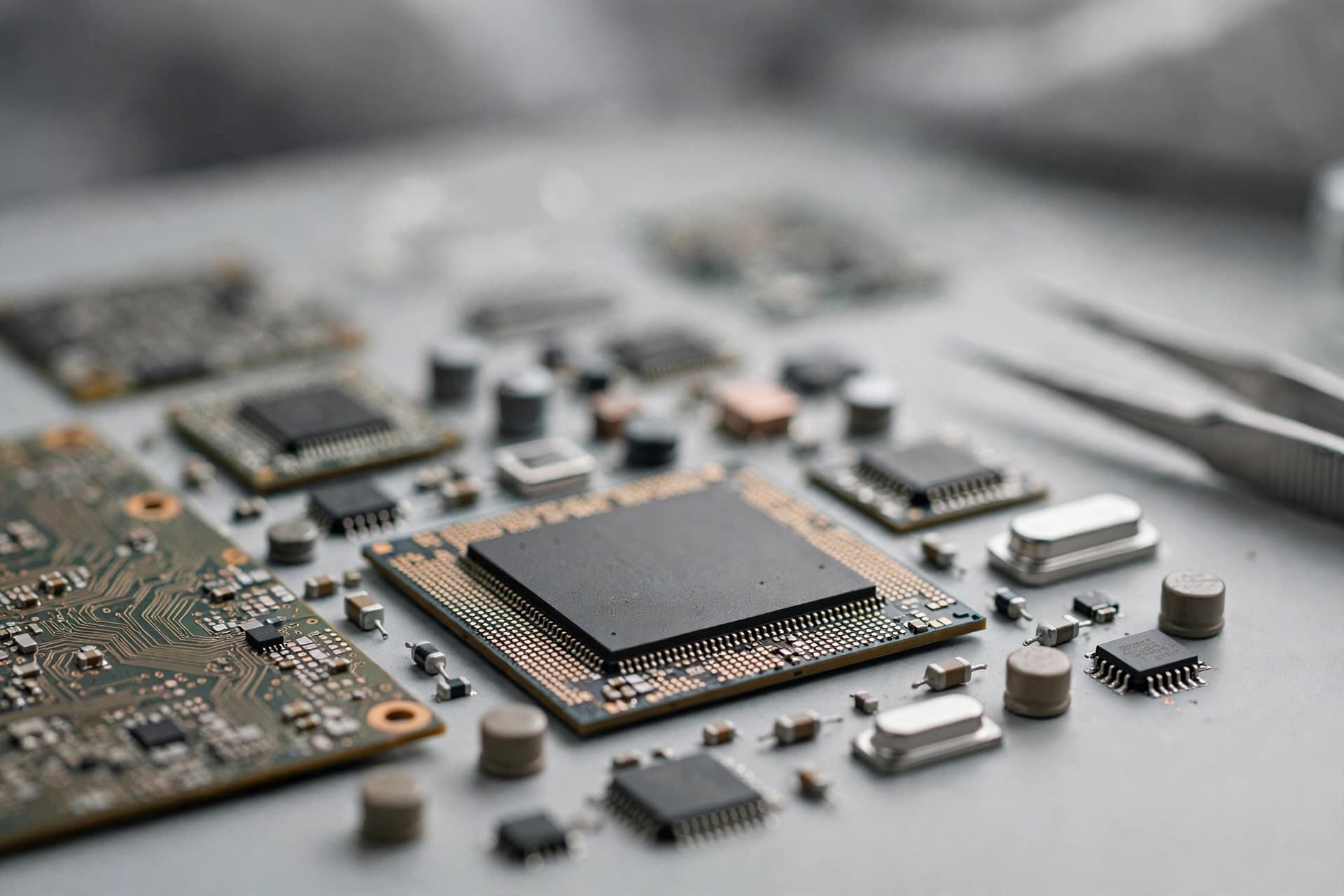
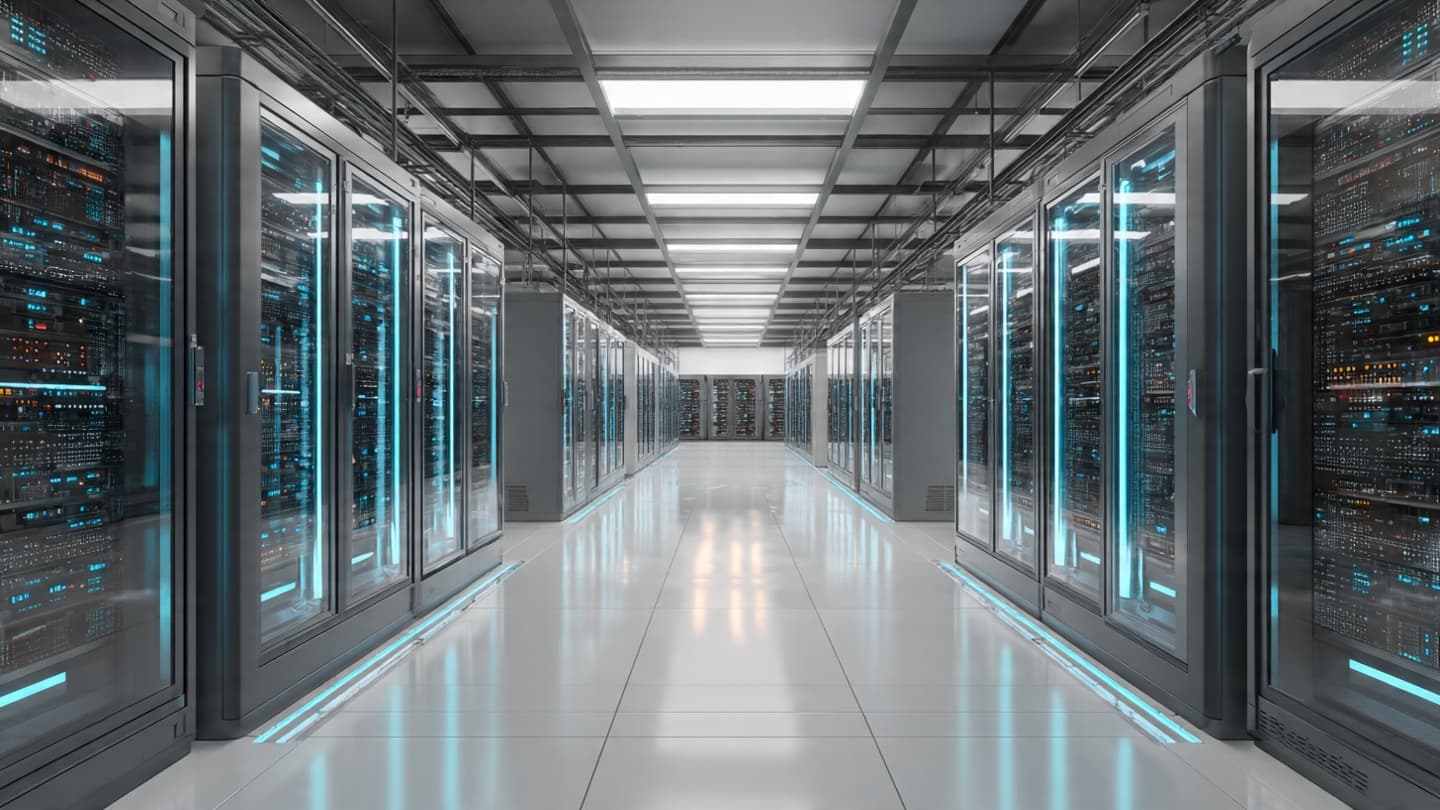
Image Disclaimer Visuals accompanying this article are AI-generated conceptual representations and are not photographs of actual Alibaba facilities or events.
Sources Reuters
Published by Banx Network. This article is part of the Banx decentralized media programme, powered by the BXE token on the XRP Ledger.