Singapore has always been a place where space is carefully measured. On an island where land, electricity and infrastructure must serve many purposes at once, even the invisible architecture of the digital economy eventually needs somewhere to stand. Now, beneath the familiar skyline, another kind of expansion is taking shape as new data-center capacity is allocated for the growing demands of artificial intelligence.
Four operators have received approval to expand their data-center capacity in Singapore, with 200 megawatts allocated in total. Digital Realty, Equinix, Keppel Data Centres and ST Telemedia Global Data Centres will each receive 50MW under the latest allocation exercise.
The decision emerged from a competitive process involving more than 16 proposals submitted to the Singapore Economic Development Board and the Infocomm Media Development Authority. The selected projects were assessed not only for their ability to provide computing capacity, but also for their economic contribution, sustainability measures and potential to strengthen Singapore's role as an AI and connectivity hub.
At least half of the new capacity must be powered by eligible green-energy sources. The approved operators have also committed to technologies including liquid cooling and highly efficient IT equipment, reflecting the increasingly complicated relationship between artificial intelligence and energy consumption.
The demand behind the expansion is increasingly tied to AI. Large language models, cloud services and other computational systems require facilities capable of processing enormous amounts of information around the clock. What appears on a phone or computer screen as an instant response may depend on rows of servers operating continuously somewhere far from the person asking the question.
Singapore's approach is therefore selective rather than unlimited. The city-state has limited land and energy resources, making each new allocation a decision about how much infrastructure the economy can accommodate and under what conditions. The latest process was designed to favor projects that combine computing capacity with sustainability and broader economic benefits.
The environmental requirement is particularly significant. The four operators must source more than 50 percent of the new capacity's power from green-energy pathways, including options such as biomethane, low-carbon ammonia, low-carbon hydrogen and building-integrated photovoltaics.
The expansion also fits into a longer effort to position Singapore as a regional digital hub. The country has already attracted major global technology and data-center companies, while government agencies have increasingly linked infrastructure investment with research, innovation, connectivity and advanced computing.
Yet the physical limits remain visible. Data centers require electricity, cooling systems, buildings and networks, all of which occupy resources that cannot simply be expanded without consideration. Singapore's challenge is therefore not merely to build more, but to build selectively enough that digital growth remains compatible with the island's broader infrastructure needs.
For now, the latest allocation adds another 200MW to Singapore's digital infrastructure while tying that growth to energy efficiency and cleaner power. As AI continues to expand, the servers beneath the island's digital economy will become increasingly important—and so will the question of how sustainably they can run.
SEO-friendly slug: singapore-200mw-data-centre-expansion-ai-green-energy
Hashtags: #Singapore #DataCenters #ArtificialIntelligence #AI #Technology #GreenEnergy #DigitalEconomy
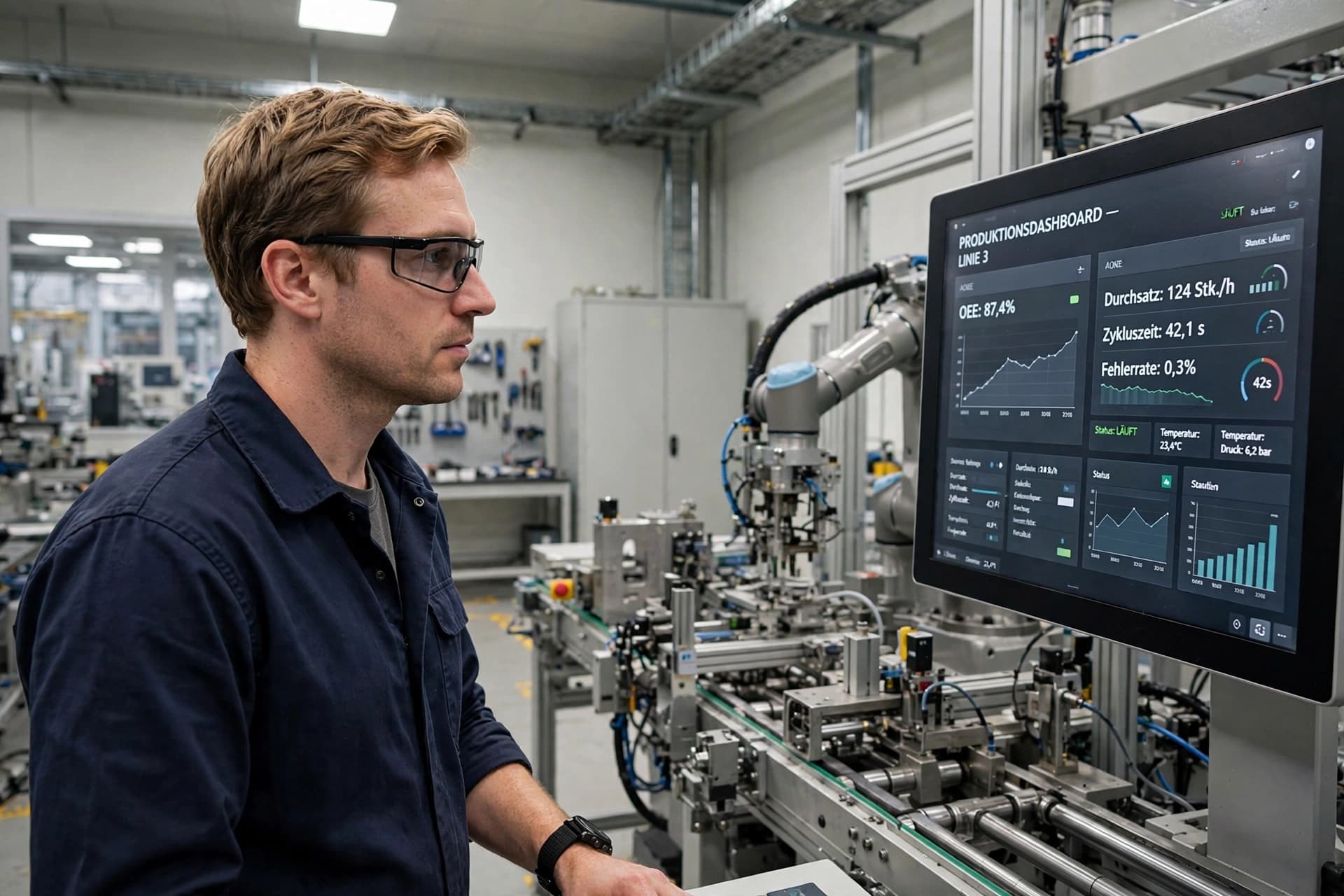
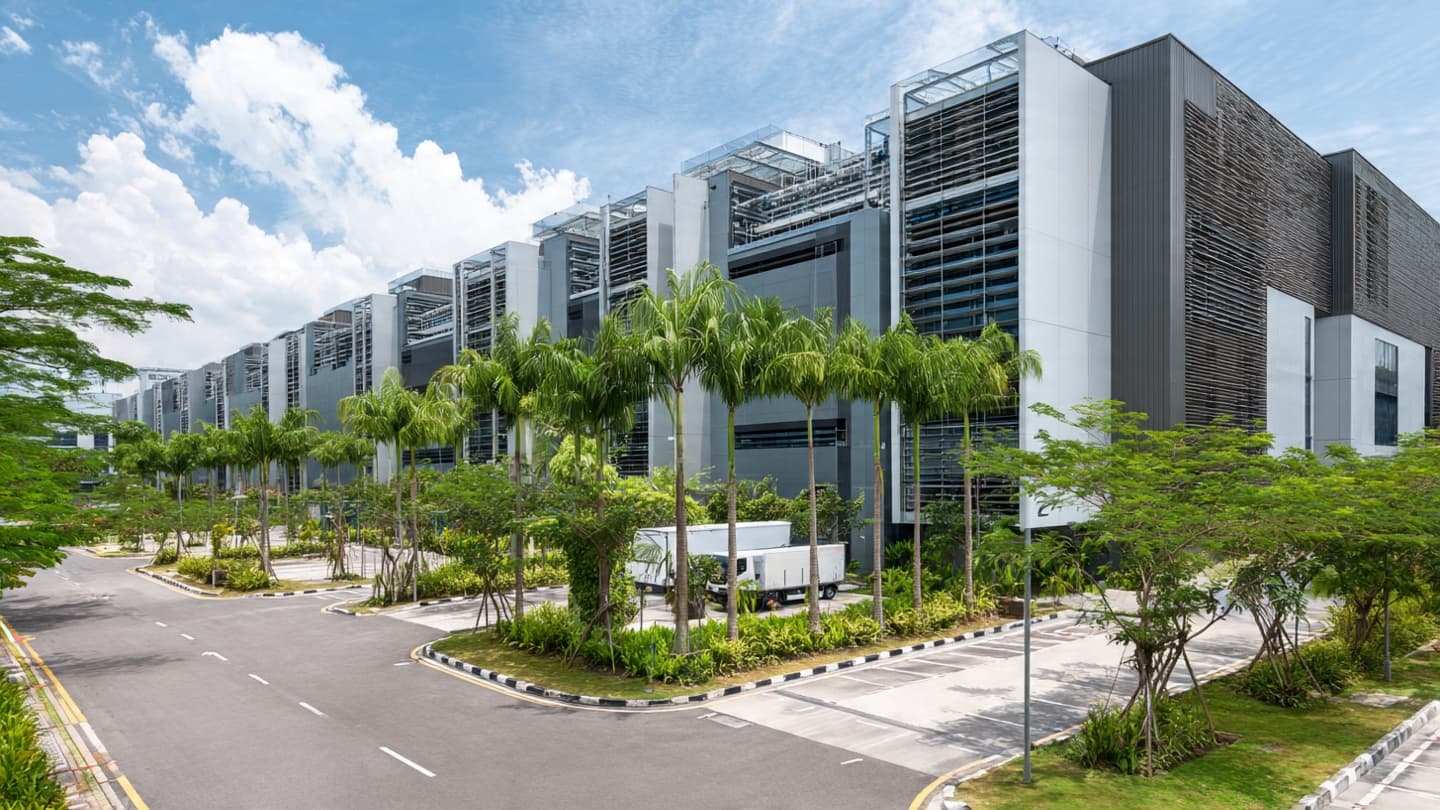
Image Disclaimer The following visual concepts were generated with AI and are intended to illustrate the subject rather than document real events.
Sources The Straits Times
Published by Banx Network. This article is part of the Banx decentralized media programme, powered by the BXE token on the XRP Ledger.