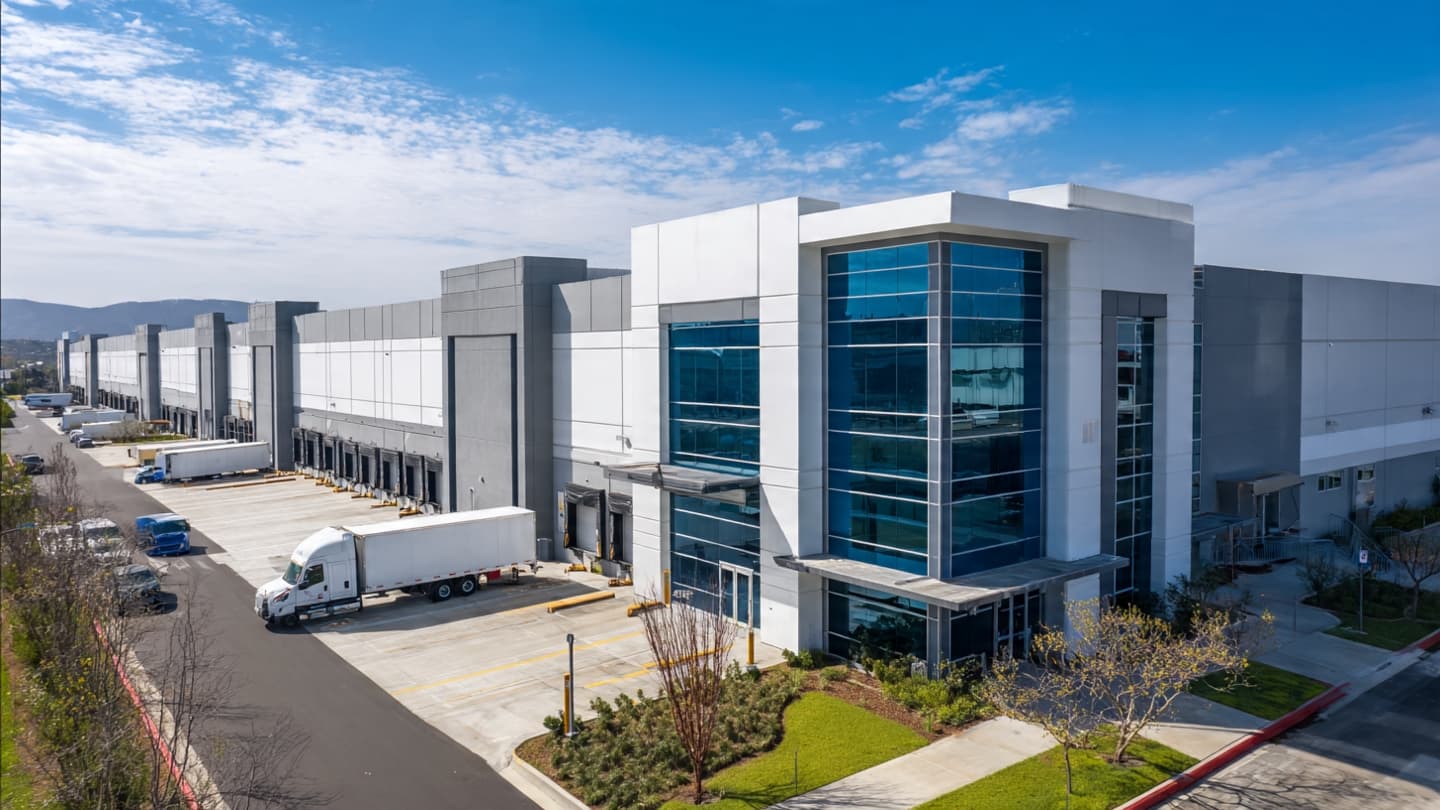
Across the American landscape, medicine is beginning to acquire a more physical presence. New factories rise beside highways, research facilities expand near universities, and warehouses grow around the networks that carry medicines toward hospitals and pharmacies. Behind this construction is a broad movement among global pharmaceutical companies to place more of their future production inside the United States.
Major drugmakers have announced roughly $500 billion in planned U.S. investment in manufacturing, research and supply-chain infrastructure, according to Reuters. Companies including Pfizer, Eli Lilly, Johnson & Johnson, Roche, AstraZeneca and Novartis are among those expanding their American footprints.
The reasons are several and closely connected. Companies are responding to concerns about supply-chain resilience, the desire to reduce dependence on overseas production and the possibility of higher tariffs on medicines imported into the United States. The result is a gradual reshaping of where pharmaceutical products are researched, manufactured and stored.
Pfizer has committed $70 billion toward research and development and domestic manufacturing. Johnson & Johnson plans to increase its U.S. investment by 25 percent to $55 billion over four years, while Roche has pledged more than $50 billion over five years. AstraZeneca has announced a $50 billion U.S. manufacturing investment through 2030.
The scale becomes clearer when individual projects are viewed together. Eli Lilly is developing several new manufacturing sites, while Merck, Novartis, Gilead and other companies are also expanding domestic facilities. The investments are expected to create thousands of jobs while increasing capacity for medicines, biologics and other pharmaceutical products.
For the companies, however, building a factory is only one part of the equation. Pharmaceutical manufacturing depends on specialized equipment, highly trained workers, raw materials and quality-control systems. A new building can appear relatively quickly, but establishing the full ecosystem required to operate it reliably can take years.
That is why the current movement is also a story about time. Pharmaceutical supply chains were built over decades across borders, with different stages of production often located in different countries. Moving some of those activities back to the United States does not simply reverse that process; it creates a second network alongside the old one.
The health implications are largely invisible during normal times. A medicine usually reaches a patient without revealing where its ingredients were produced or where the final tablet, vial or injection was packaged. But disruptions can make those hidden connections suddenly visible, turning manufacturing capacity into part of the conversation about healthcare security.
The investments also reflect the changing economics of pharmaceutical production. Companies must balance construction costs, labor expenses, research spending and access to markets against the risks associated with relying on distant suppliers. A domestic facility may cost more, but it can also provide greater control over production and inventories.
For now, the American pharmaceutical landscape is entering a period of significant construction and investment. The commitments announced by global drugmakers will take years to translate into fully operational facilities, but the direction is already visible: more research, manufacturing and supply-chain capacity is being positioned on U.S. soil.
SEO-friendly Slug global-pharma-companies-us-manufacturing-investment-supply-chains
Hashtags #UnitedStates #Pharmaceuticals #Healthcare #Manufacturing #Health #Business #SupplyChain
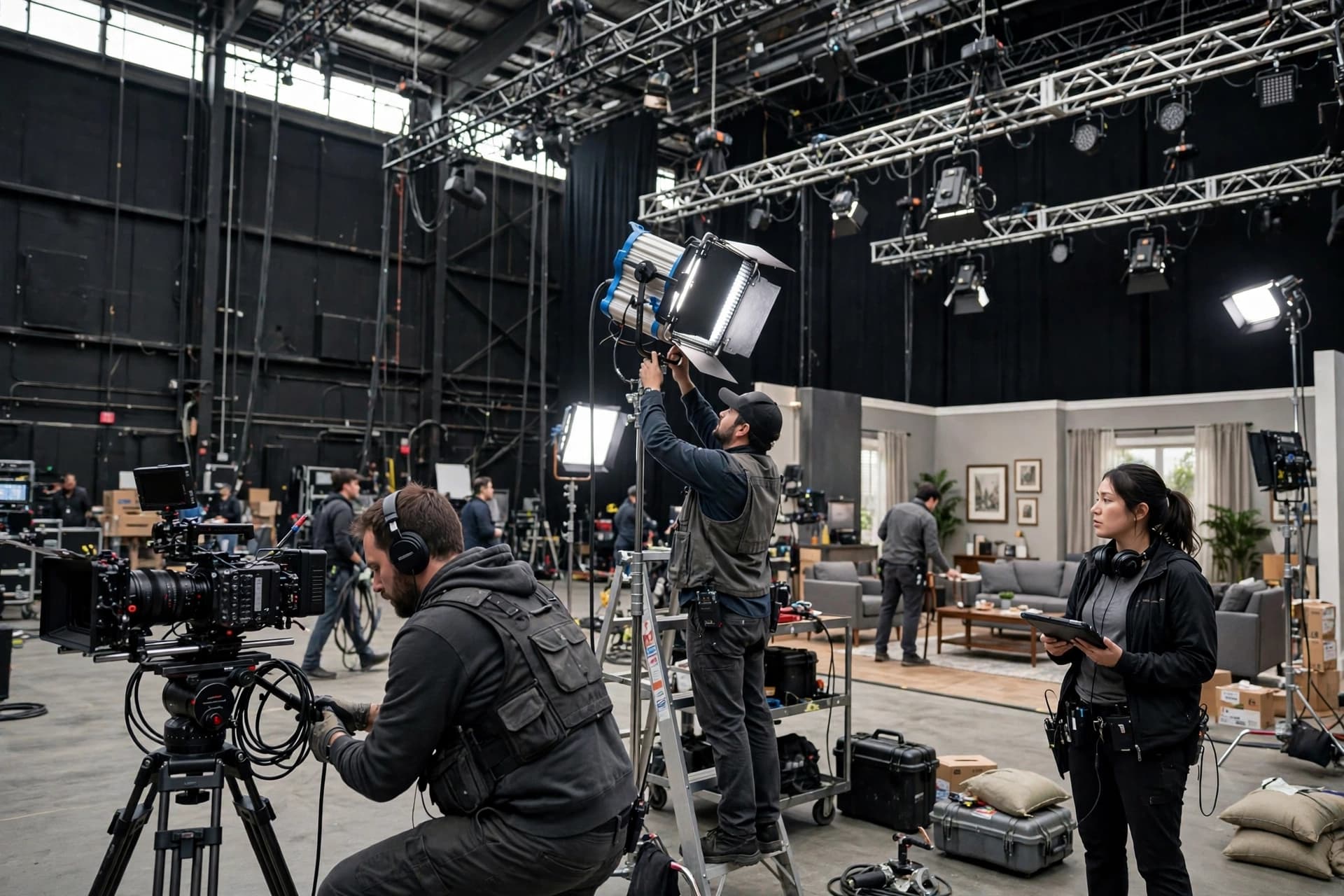
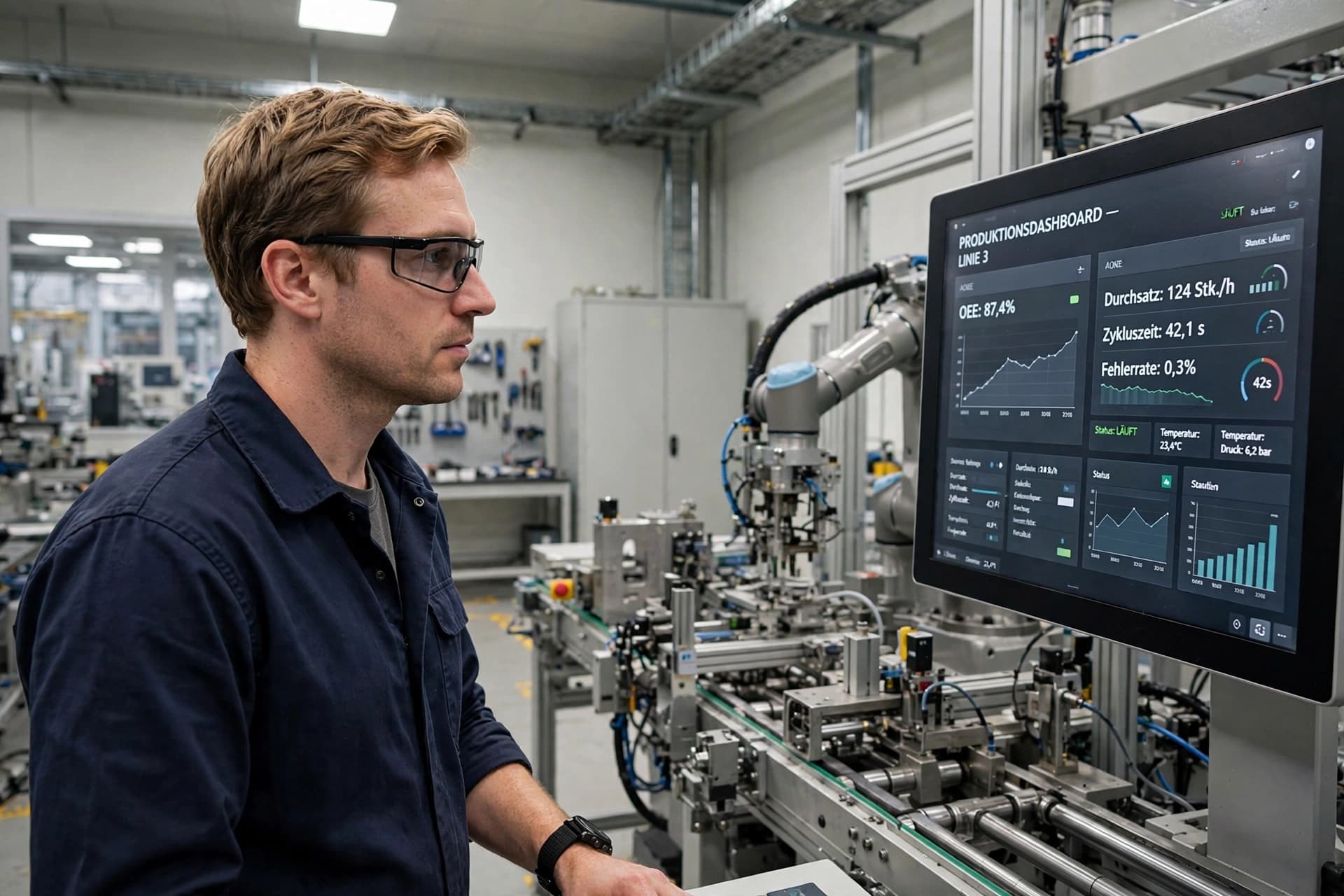
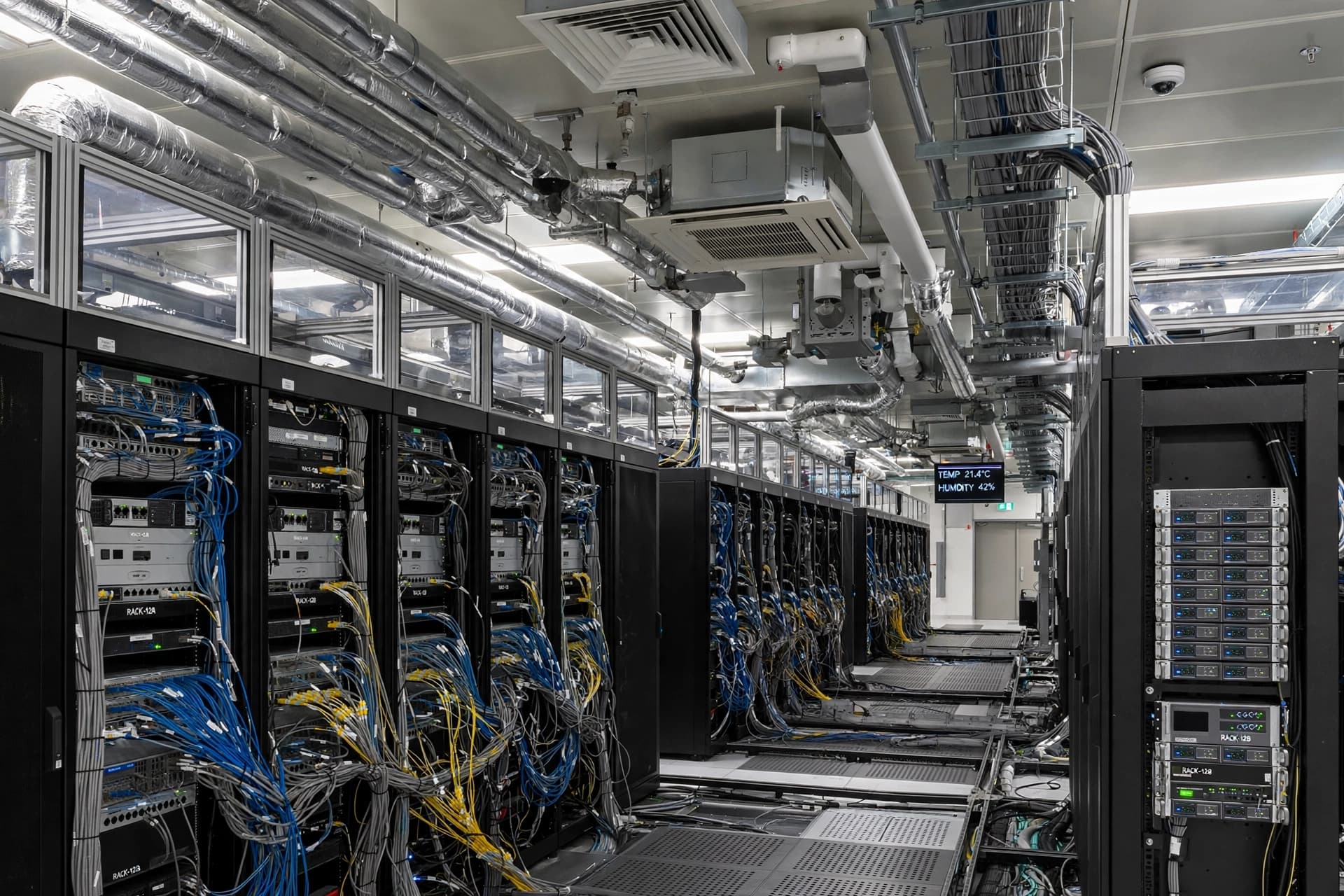
Image Disclaimer The following visuals were generated with AI as conceptual representations and are not photographs of actual pharmaceutical facilities or events.
Sources Reuters
Published by Banx Network. This article is part of the Banx decentralized media programme, powered by the BXE token on the XRP Ledger.