For decades, artificial intelligence lived mostly behind screens. It answered questions, recognized images and processed enormous amounts of information, while the physical world remained largely the domain of people and conventional machines. Now another boundary is beginning to disappear.
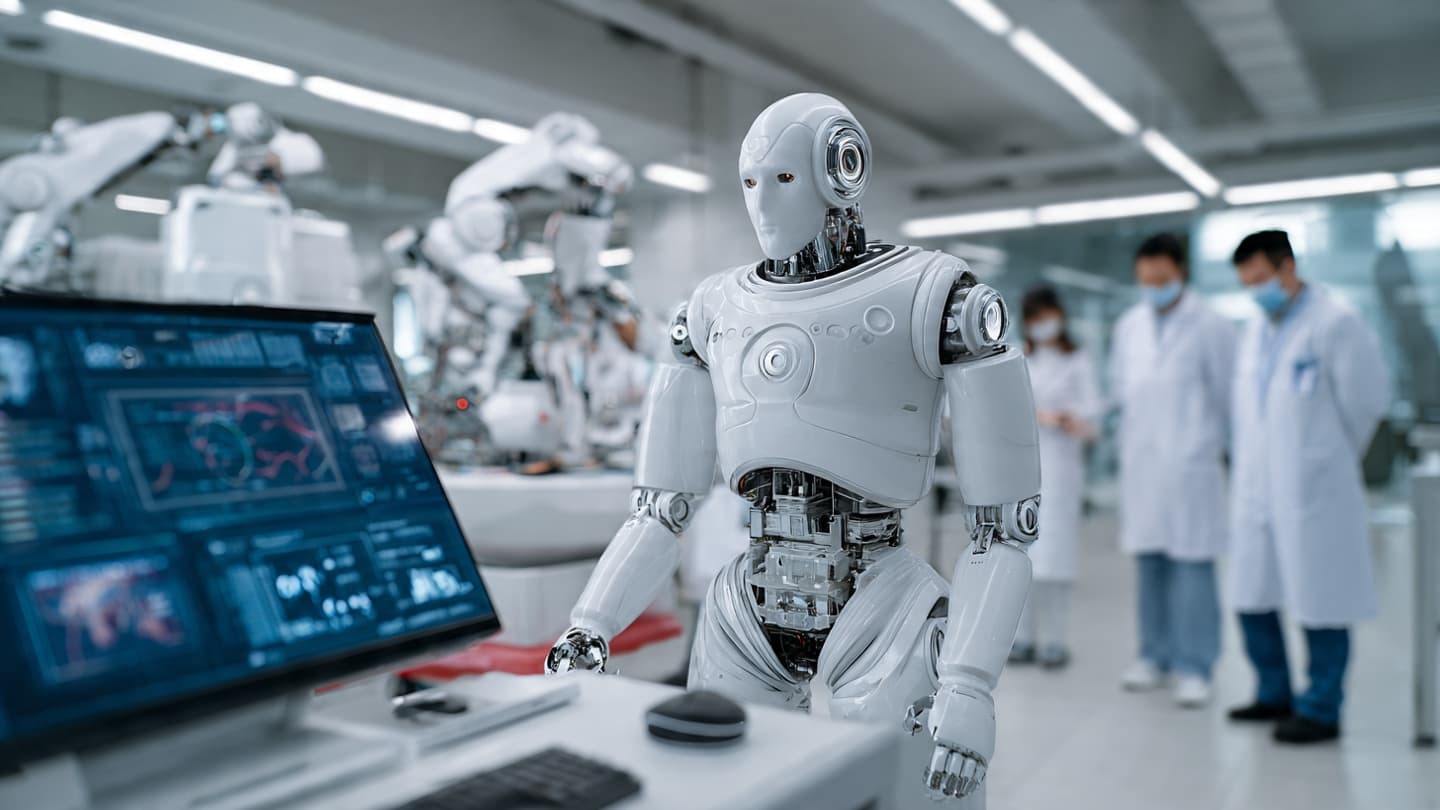
China's technology companies are increasingly combining AI systems with robots that can move through physical environments, manipulate objects and respond to changing conditions. The development is particularly visible in humanoid robotics, where software and mechanical engineering are being brought together inside machines designed around the human form.
The shift is important because the physical world is considerably less predictable than a computer screen. A warehouse contains objects of different shapes and weights. A factory floor can change during a shift. A robot must recognize not only what it sees, but also how to respond when an object is unexpectedly moved.
Artificial intelligence provides part of that missing flexibility. Computer vision can help machines identify objects, while machine-learning systems can improve their ability to plan movements and respond to unfamiliar situations.
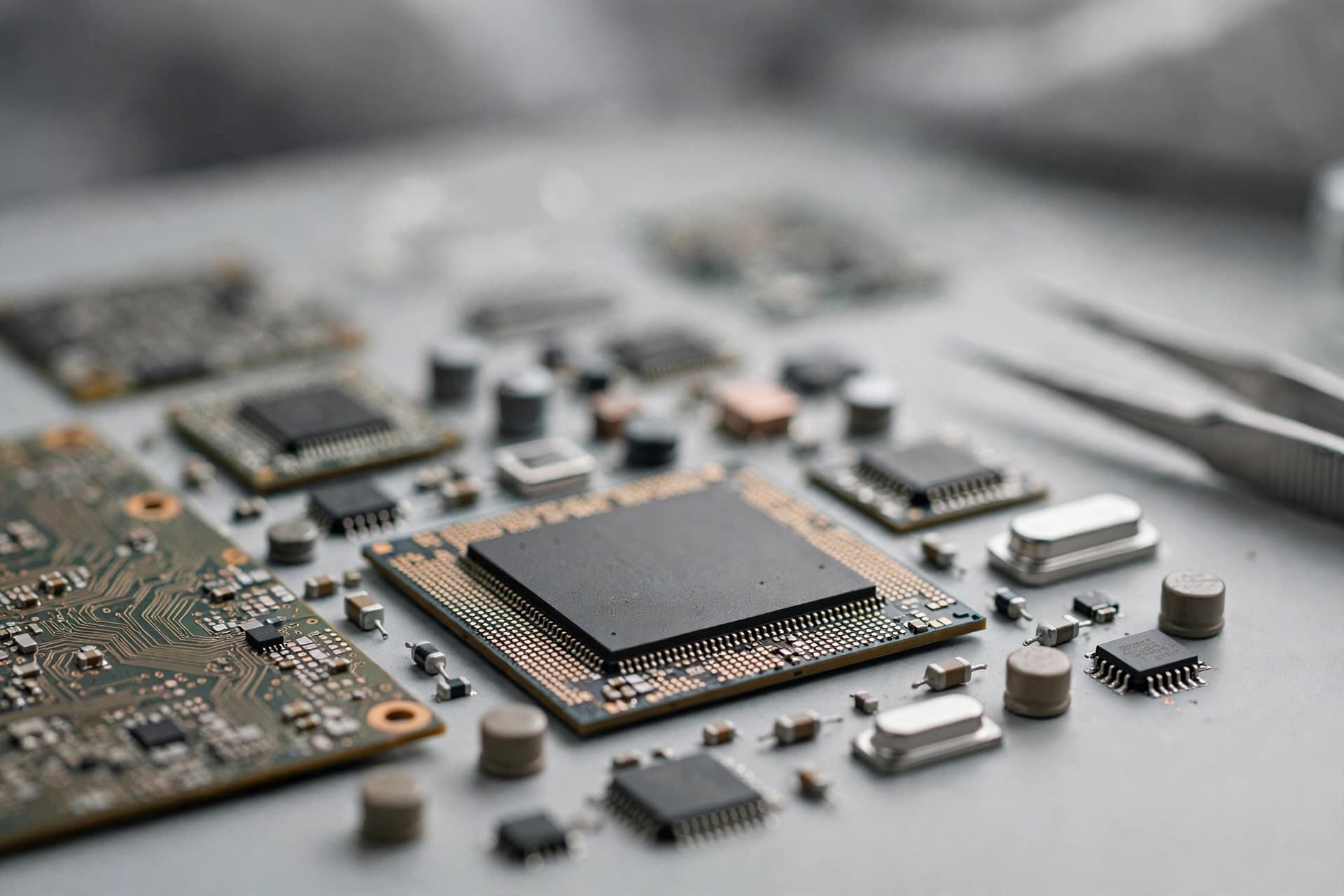
China's large manufacturing ecosystem gives this development another advantage. Motors, sensors, batteries, electronic components and precision machinery can often be produced within the country, allowing robotics companies to work closely with established industrial suppliers.
The country's robotics industry is consequently moving toward practical demonstrations. Machines are being tested in manufacturing, logistics, inspection and other structured environments where their performance can be measured more easily than in open-ended situations.
Yet the path from demonstration to commercial deployment remains demanding. A robot that completes a task once is not necessarily ready to perform it eight hours a day. Reliability, maintenance, energy consumption and safety all become important once the machine enters an actual workplace.
The economics are equally significant. Companies considering robotic workers need to know whether purchasing and maintaining the machine is more efficient than existing automation or human labor. That calculation will determine how quickly the technology moves from research laboratories into ordinary businesses.
The growing emphasis on practical applications also changes the way progress is measured. A spectacular robotic movement may attract attention, but an unremarkable machine that repeatedly performs a useful task could ultimately prove more valuable.
China's AI and robotics industries are therefore approaching a shared frontier. Artificial intelligence is no longer only about making computers think; increasingly, it is being asked to help machines perceive, move and act. The next stage will be defined by how reliably those digital abilities can function in the physical world.
SEO-friendly Slug china-artificial-intelligence-robotics-physical-machines-2026
Hashtags #China #ArtificialIntelligence #Robotics #Technology #Science #Manufacturing #AI
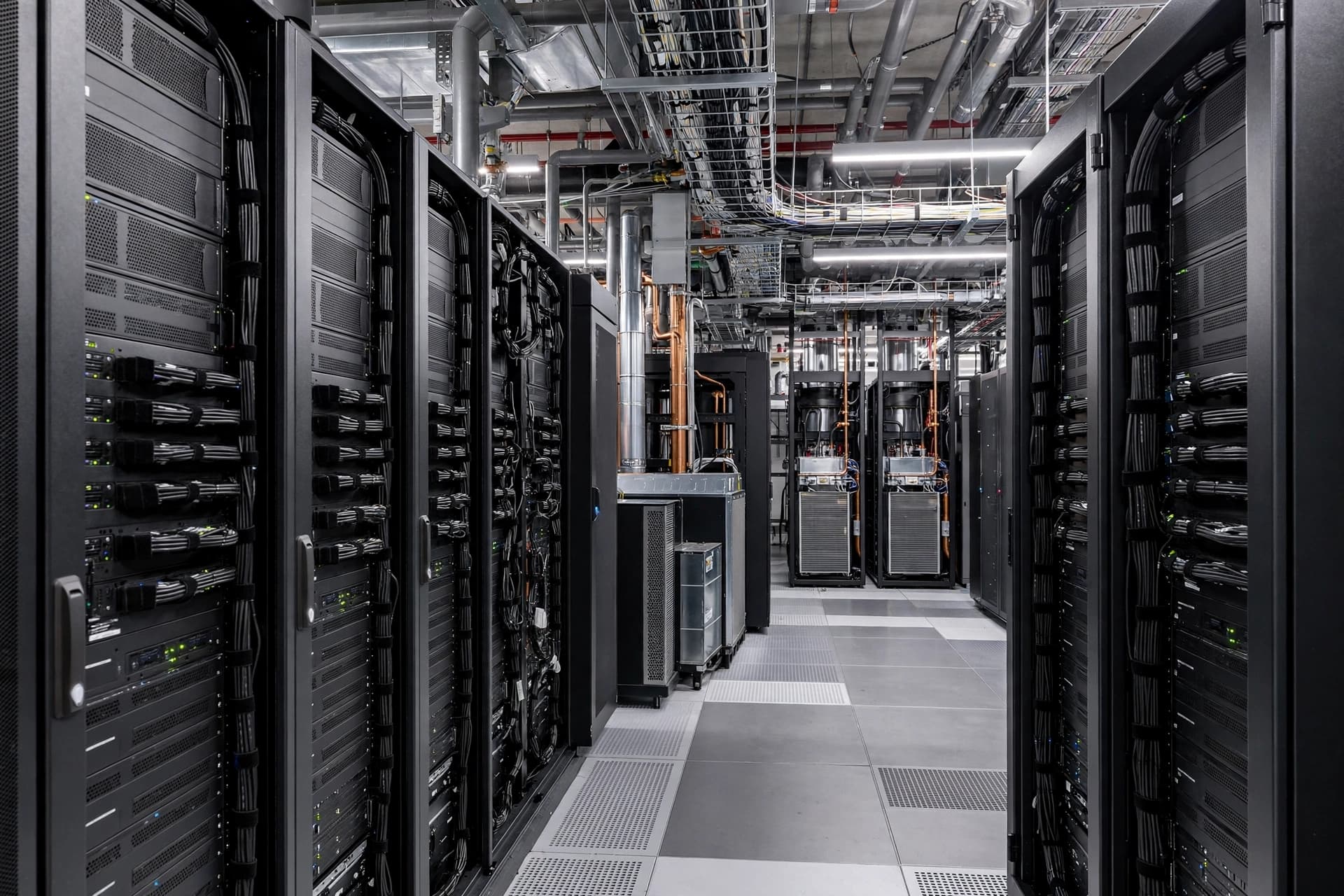
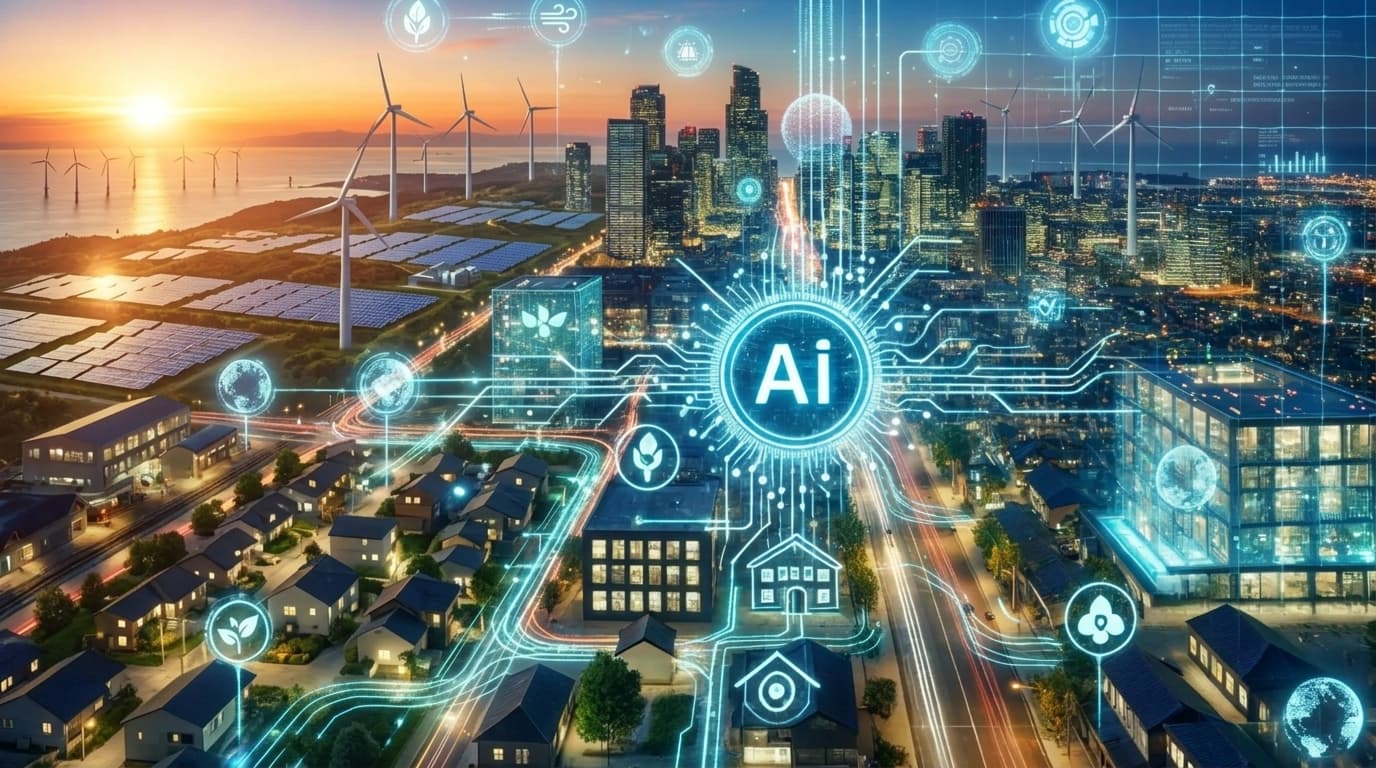
Image Disclaimer The illustrations were produced with AI technology as conceptual representations and are not photographs of actual Chinese laboratories or robotics facilities.
Sources Reuters
Published by Banx Network. This article is part of the Banx decentralized media programme, powered by the BXE token on the XRP Ledger.