Australia carries a heavy burden as the world’s extinction capital, a title earned through the tragic loss of unique wildlife that exists nowhere else on Earth. The continent’s isolation has bred extraordinary biodiversity, but it has also left species vulnerable to invasive predators and habitat loss. Yet, amidst this somber reality, there is a flicker of light. One animal, once thought to be on the brink, is showing signs of recovery, offering a glimmer of hope to conservationists and the public alike. This story is not just about survival; it is a testament to the power of dedicated human intervention and the resilience of nature when given a chance.
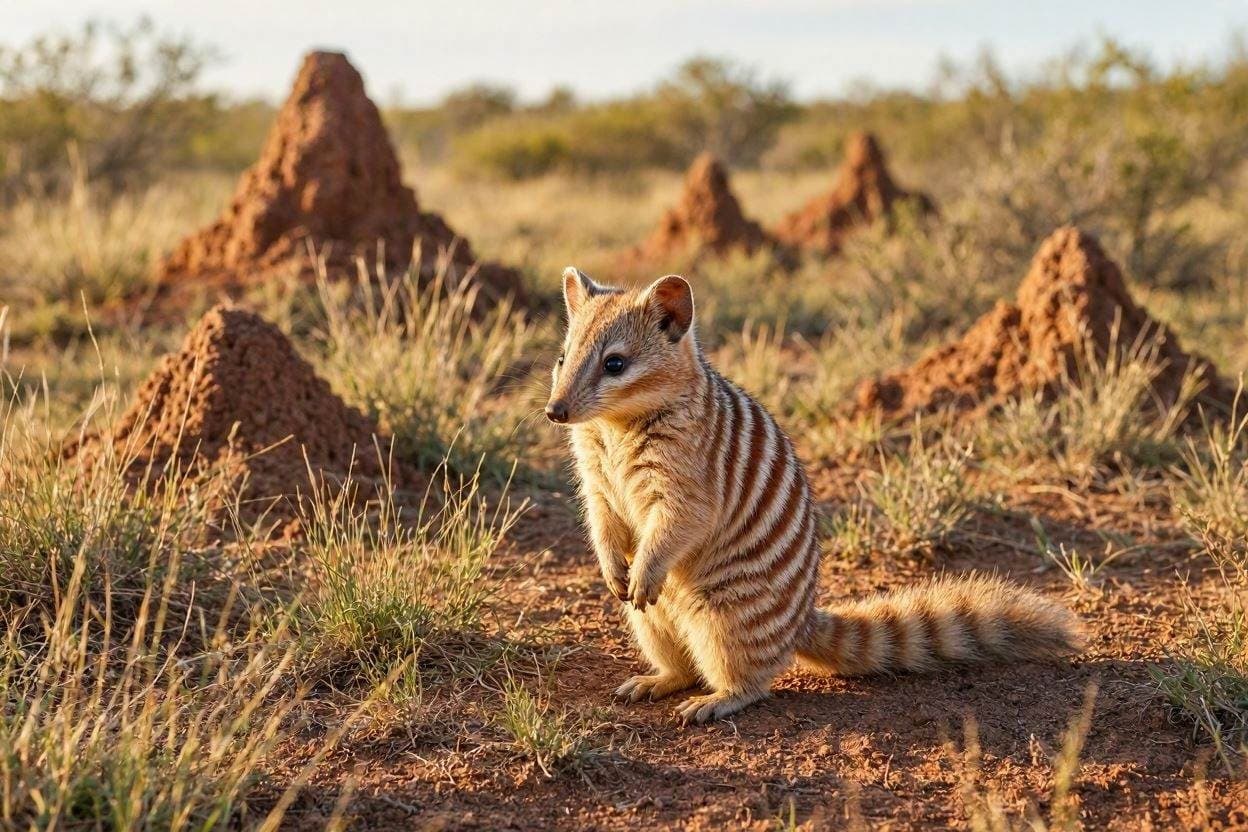
The numbat, a small, striped marsupial with a long snout, has become the face of this renewed optimism. Once widespread across southern Australia, its population plummeted due to predation by foxes and cats, as well as the clearing of its woodland habitat. By the early 2000s, it was listed as endangered, with numbers dwindling to critical levels in many regions. However, recent efforts by zoos, wildlife sanctuaries, and community groups have begun to turn the tide. Breeding programs and predator-free enclosures have allowed numbats to thrive in controlled environments, paving the way for reintroduction into the wild.
The success of these programs is not accidental. It is the result of years of meticulous planning, scientific research, and collaboration between government agencies and non-profit organizations. Perth Zoo, for instance, has played a pivotal role, celebrating significant milestones in captive breeding and release. These achievements are not just statistical victories; they represent individual animals returning to their ancestral lands, contributing to the genetic diversity and ecological balance of their habitats.
For the communities involved, the return of the numbat is a source of pride and inspiration. Local schools and volunteer groups participate in monitoring and habitat restoration, fostering a sense of stewardship among younger generations. The numbat’s distinctive appearance and gentle demeanor make it an appealing ambassador for conservation, helping to raise awareness about the broader crisis facing Australian wildlife.
However, challenges remain. Habitat fragmentation and climate change continue to threaten the species’ long-term survival. Reintroduced populations require ongoing protection from predators and careful management of their food sources, primarily termites. Conservationists emphasize that while the progress is encouraging, it is fragile. Sustained effort and funding are essential to ensure that the numbat does not slip back into decline.
The numbat’s story serves as a model for other endangered species. It demonstrates that extinction is not inevitable, even in a hotspot like Australia. By combining science, community engagement, and political will, it is possible to reverse some of the damage done. Each successful release is a step toward a more biodiverse and resilient future.
The numbat’s recovery offers a rare beacon of hope in Australia’s battle against extinction. While the road ahead is long, the progress made so far proves that conservation works. As we look to the future, the numbat reminds us that every species matters, and every effort counts.
AI Image Disclaimer: The visual elements accompanying this report are AI-generated interpretations designed to reflect the natural and conservation context of the story.
Sources: Yahoo News Nature Australia Perth Zoo
Published by Banx Network. This article is part of the Banx decentralized media programme, powered by the BXE token on the XRP Ledger.