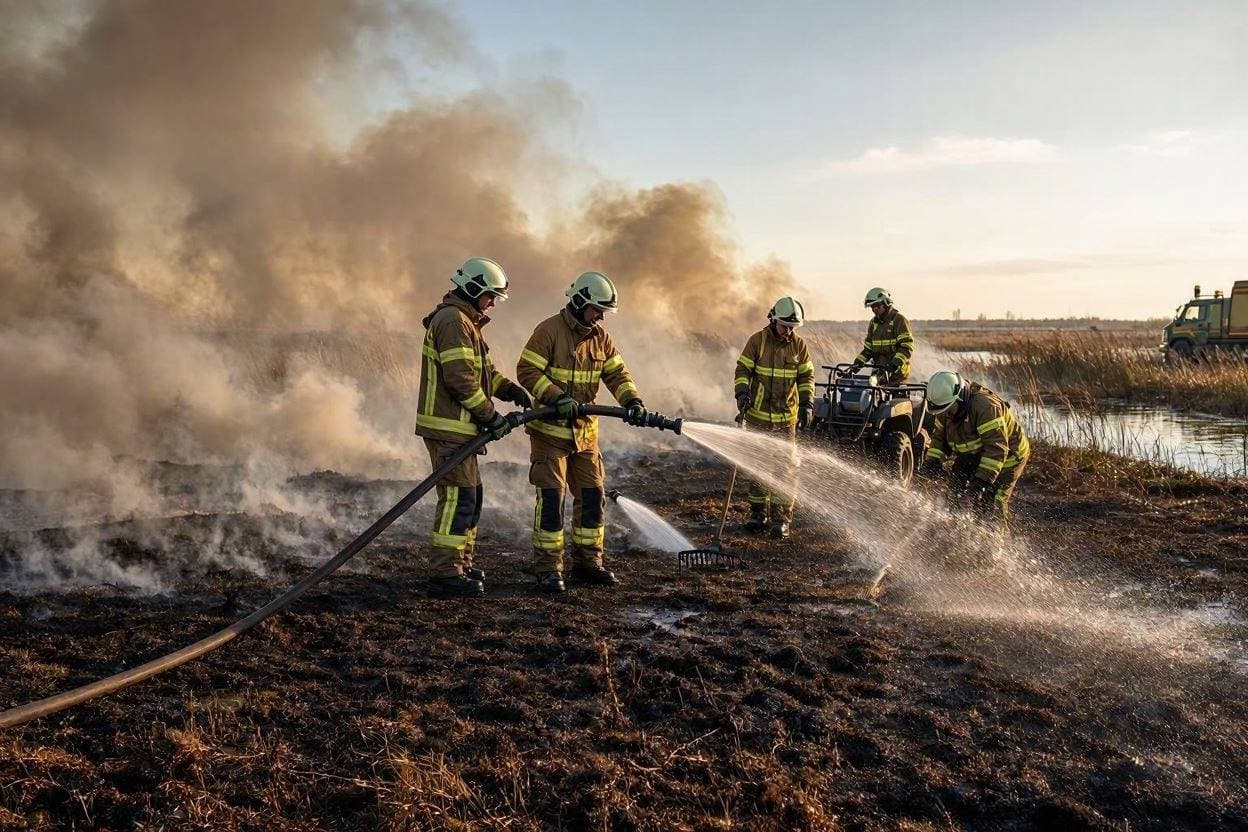
Beneath the lush canopy of Borneo’s forests lies a hidden carbon store: the peatlands. These waterlogged soils are vital for regulating the global climate, but when they dry out, they become tinderboxes. In West Kalimantan, Indonesia, authorities have intensified their efforts to combat peatland fires, a recurring challenge exacerbated by El Niño conditions and land-use changes. This battle is not just about extinguishing flames; it is about protecting a critical ecosystem and the communities that depend on it. It is a testament to the resilience of nature and the determination of those who strive to preserve it.
The Indonesian government has deployed additional resources, including aerial firefighting teams and ground patrols, to monitor and suppress hotspots. The Ministry of Forestry reports that a significant portion of fire-affected areas are located within peatlands, highlighting the vulnerability of these regions. Rewetting projects, which involve restoring water levels in drained peatlands, are being accelerated to reduce fire risk. These efforts are crucial for preventing the release of massive amounts of stored carbon into the atmosphere.
Local communities play a key role in this fight. Farmers and villagers are educated on sustainable land management practices, such as avoiding slash-and-burn techniques. Community-based fire prevention teams are trained to detect and respond to early signs of ignition. Their involvement ensures that solutions are culturally appropriate and economically viable, fostering a sense of ownership and responsibility.
The environmental stakes are high. Peatland fires produce thick haze that affects air quality across Southeast Asia, impacting health and visibility. They also destroy habitats for endangered species like orangutans and proboscis monkeys. The loss of biodiversity is irreversible, making prevention far more effective than restoration after the fact.
International partners, including NGOs and research institutions, support these initiatives with funding and technical expertise. Collaboration is essential, as peatland conservation is a global issue with local roots. Sharing best practices and technologies helps improve the effectiveness of firefighting and restoration efforts.
Despite progress, challenges remain. Illegal drainage and land conversion continue to threaten peat integrity. Enforcement of regulations needs strengthening, and alternative livelihoods for communities must be developed. The path to sustainable peatland management is complex, requiring sustained political will and community engagement.
Indonesia’s intensified fight against peatland fires in West Kalimantan is a critical step toward environmental protection. By combining technology, community involvement, and policy enforcement, the nation aims to safeguard these vital ecosystems. The hope is that these efforts will lead to a future where peatlands thrive, benefiting both the planet and its people.
AI Image Disclaimer: Visuals associated with this article are AI-generated to illustrate the themes of environmental conservation and fire prevention.
Sources: Mongabay The Nature Conservancy Wetlands International
Published by Banx Network. This article is part of the Banx decentralized media programme, powered by the BXE token on the XRP Ledger.