Scientists Warn That Europe's Heat Is Becoming More Than a Seasonal Story
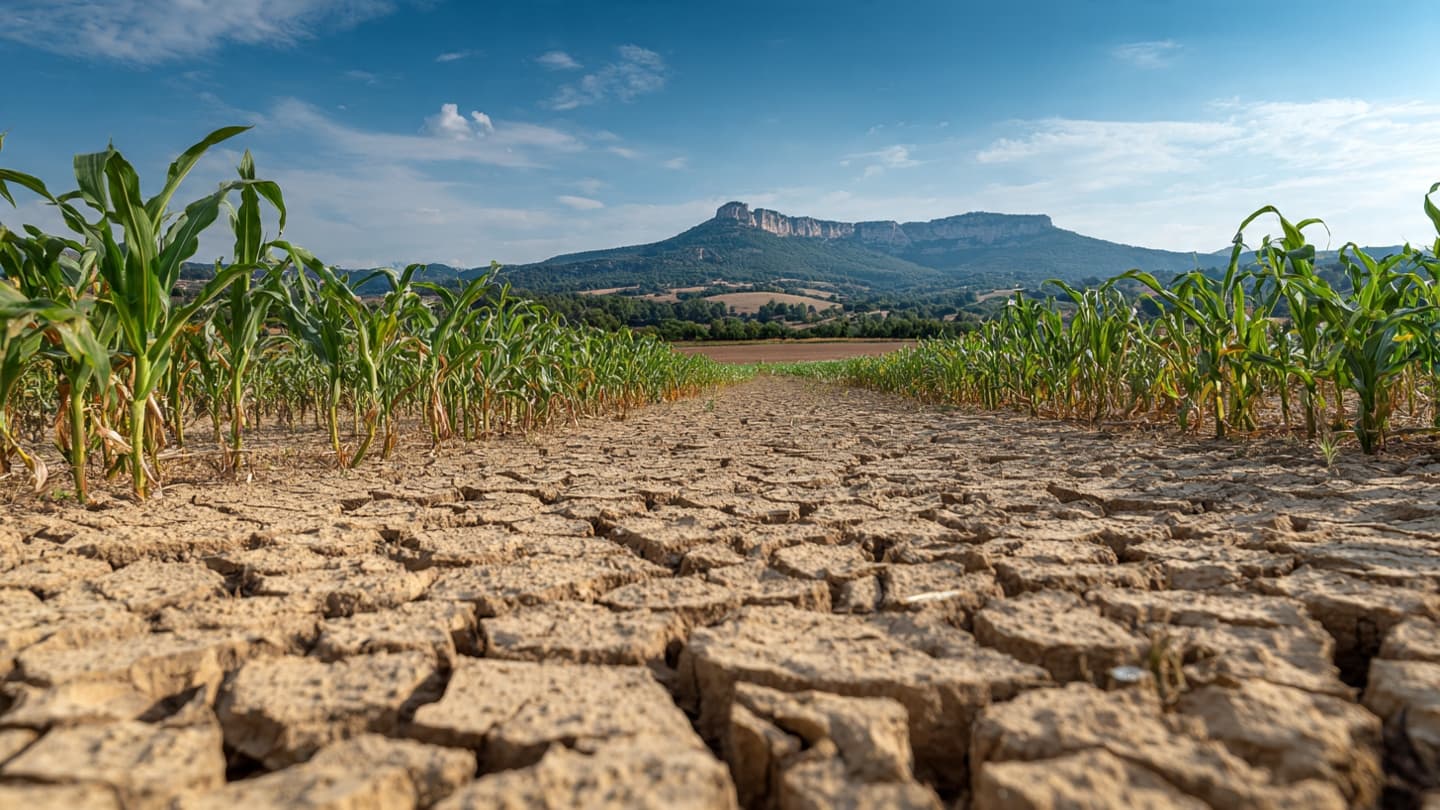
French scientists warn that climate change is contributing to increasingly severe and frequent heatwaves across Europe.

French scientists warn that climate change is contributing to increasingly severe and frequent heatwaves across Europe.

France is considering establishing a new innovation agency to strengthen research, accelerate technology development, and improve competitiveness.

A rare Antarctic sauropod vertebra, collected decades ago, was rediscovered in an Australian museum drawer, offering new insights into Gondwana’s prehistoric ecosystems.

NASA’s New Horizons spacecraft has detected a slight slowdown due to interstellar dust and gas, revealing higher density at the solar system’s edge than previously thought.

A new theory suggests Earth’s orbit may expand as the Sun loses mass, potentially allowing the planet to survive the Sun’s red giant phase, though it would be barren.

Astronomers detected a massive deep-space explosion within minutes, allowing for unprecedented early observation of a gamma-ray burst or supernova event.

New evidence shows the AMOC is persistently weakening due to climate change, raising fears of a catastrophic collapse that could disrupt global weather patterns.

In 1776, only six planets were known; today we recognize eight, following the discoveries of Uranus, Neptune, and the reclassification of Pluto, raising questions about future finds.

Scientists detected Cherenkov radiation from antineutrinos emitted by a nuclear power station 150 miles away, marking a breakthrough in remote nuclear monitoring.

ESA’s Euclid telescope captured the most detailed visible-light image of the Milky Way’s center, revealing 60 million stars and aiding the search for exoplanets.

Scientists have created cell-like structures using lab-made DNA, bringing synthetic life closer to reality and opening new possibilities in medicine and environmental science.

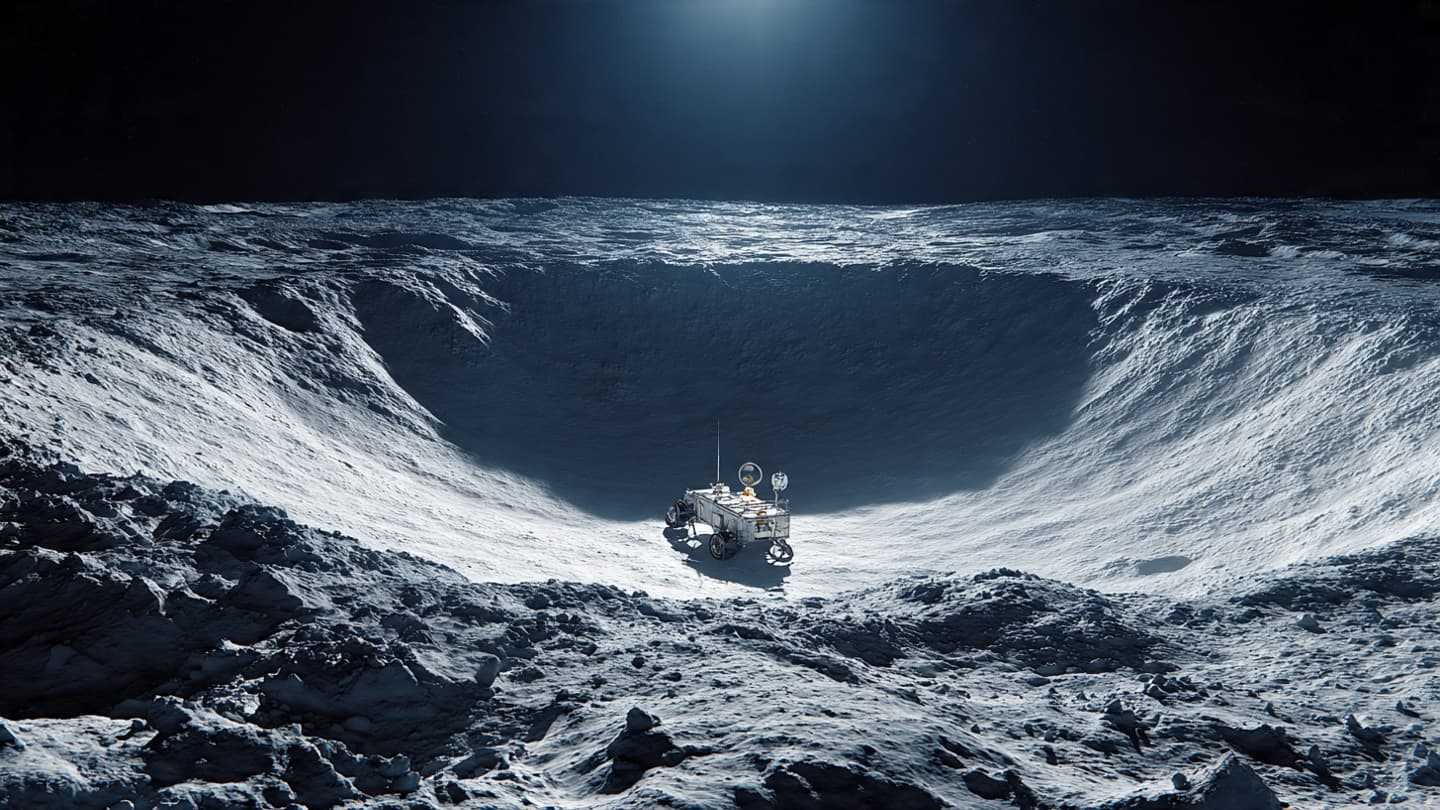
NASA considers sending a rover based on Mars designs to the Moon to test technologies and support Artemis missions, blending Martian heritage with lunar ambition.

The Vera C. Rubin Observatory begins an unprecedented ten-year survey, creating a time-lapse "movie" of the sky to track cosmic changes and dark energy.

A NASA Inspector General report indicates that Boeing’s Starliner spacecraft may face delays of up to a decade due to ongoing technical and management challenges.

Astronauts successfully repaired a critical component of the ISS’s Canadarm2, demonstrating the precision and skill required for maintaining complex space infrastructure.

Astrophysics predicts that in five billion years, the sun will become a red giant, likely rendering Earth uninhabitable or consuming it, before shrinking into a white dwarf.

NASA released new telescope images highlighting red, white, and blue cosmic phenomena to celebrate the United States’ 250th anniversary, blending science with cultural pride.

NASA successfully boosted a drifting space telescope back to its correct orbit, preventing its fall and ensuring the continuation of its scientific mission.

A powerful X-class solar flare and CME may trigger auroras visible in lower latitudes during the July 4th weekend, offering a natural spectacle alongside holiday celebrations.

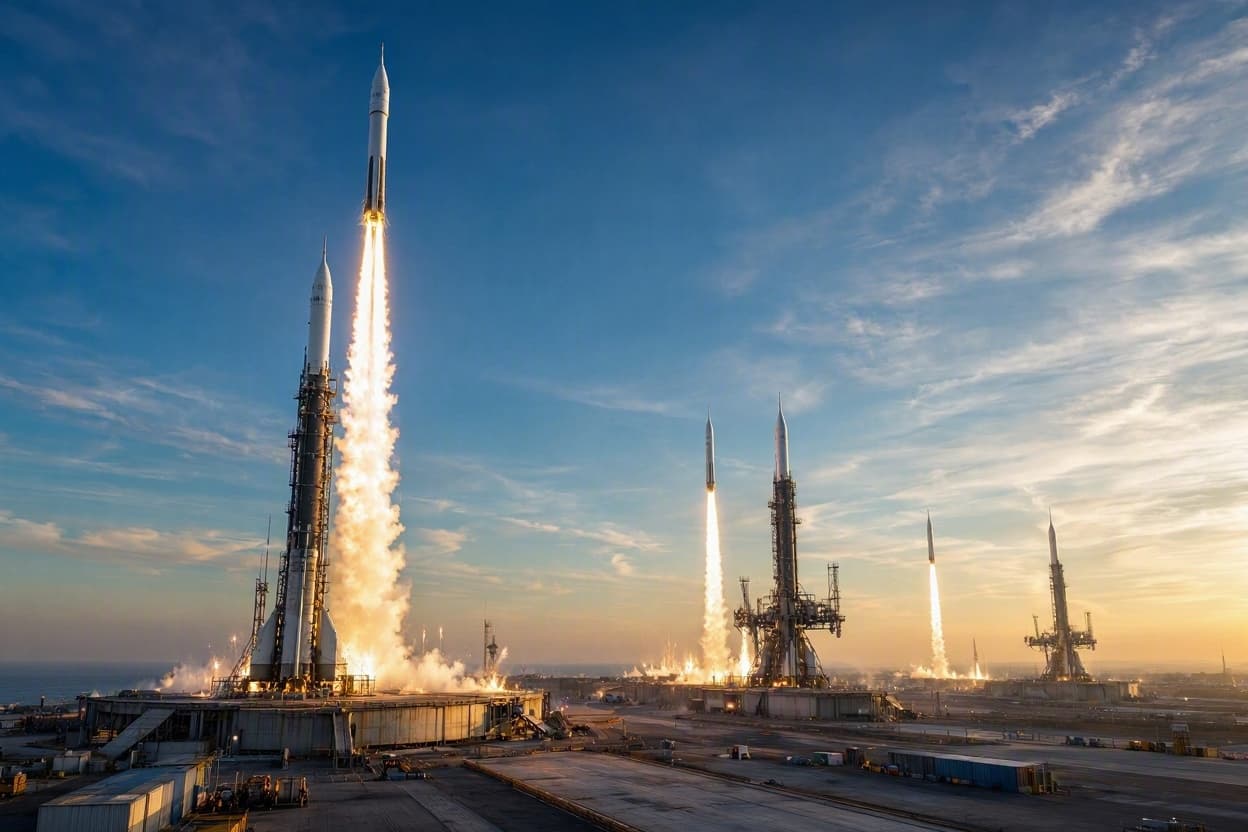
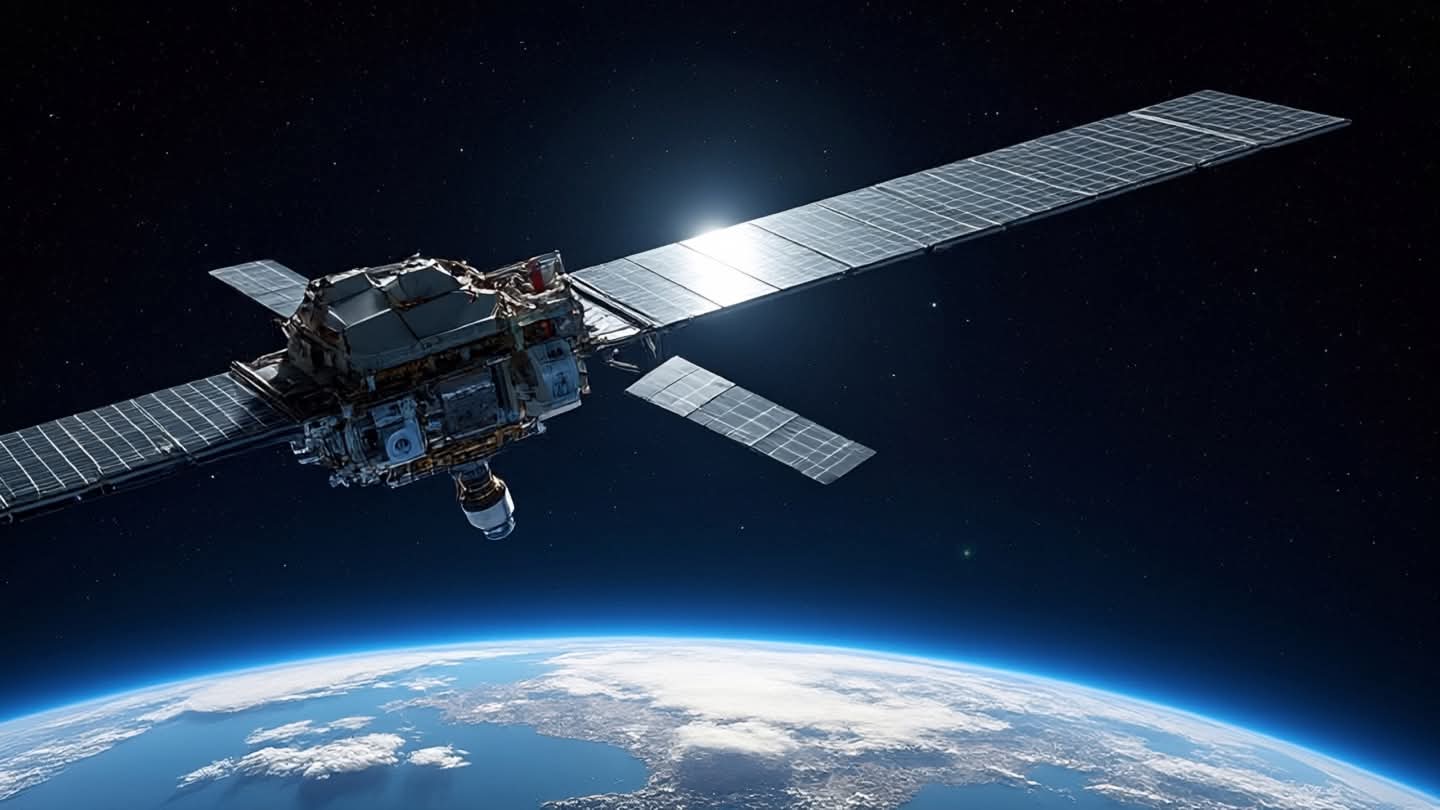
SpaceX successfully launched 24 Starlink V2 Mini satellites from Vandenberg Space Force Base, continuing the expansion of its global broadband internet constellation.

The James Webb Space Telescope has revealed early galaxies and black holes that defy current models, prompting astrophysicists to rethink the formation and evolution of the universe.

Scientists propose a "StormWall" of satellites that release chemicals to create a temporary shield against solar storms, protecting Earth’s infrastructure from potential damage.

Genomic analysis of decades-old samples reveals that a hospital superbug developed antibiotic resistance in waves, peaking in the mid-2000s, highlighting the impact of antibiotic use on bacterial evolution.

Scientists use dermestid beetles to clean skeletons efficiently and gently, preserving delicate bone details better than chemical or manual methods, despite the unsettling nature of the process.