On the highest point on Earth, where the air is thin and history is written in ice and stone, a secret has finally been revealed. The remains of a climber, lost for nearly a century, have been discovered on Mount Everest. This finding is not just a recovery of a lost soul but a potential key to unlocking new chapters in the mountain’s storied past. It challenges existing narratives about early expeditions and offers a poignant connection to the pioneers who first dared to challenge the summit.
The body, preserved by the freezing temperatures and low oxygen, was found in a remote section of the mountain. Identification efforts are underway, but initial evidence suggests it may belong to one of the early British expeditions from the 1920s. These early attempts, led by figures like George Mallory and Andrew Irvine, ended in mystery, with their final fate remaining one of mountaineering’s greatest unsolved puzzles. This new discovery could provide crucial clues to what happened during those historic climbs.
For historians and mountaineers, the find is electrifying. It offers a tangible link to an era when climbing equipment was rudimentary and knowledge of the mountain was limited. By studying the gear, clothing, and position of the body, researchers can reconstruct the events leading to the climber’s death. This forensic archaeology helps fill gaps in the historical record, providing a clearer picture of the challenges faced by early explorers.
The discovery also raises ethical questions about the treatment of remains on Everest. The mountain is often called the "world’s highest graveyard," with hundreds of bodies left behind due to the difficulty and danger of recovery. While this body was found naturally exposed by shifting ice, the debate continues on whether such remains should be retrieved or left as part of the mountain’s history. It is a delicate balance between respect for the dead and the preservation of historical sites.
For the family of the climber, if identified, the news brings a mix of sorrow and closure. After decades of uncertainty, knowing the final resting place of their ancestor offers a sense of peace. It allows them to honor his memory with specificity, rather than ambiguity. The human element of this scientific discovery reminds us that behind every statistic is a personal story of ambition and tragedy.
Technological advancements have played a role in this discovery. Improved mapping, drone surveillance, and climate change-induced ice melt have exposed areas previously hidden. As the glacier recedes, more secrets may come to light. This environmental change, while concerning for the ecosystem, offers a unique window into the past. It highlights the intersection of climate science and historical exploration.
The mountaineering community reflects on the risks and rewards of high-altitude climbing. Each discovery serves as a reminder of the mountain’s power and the humility required to ascend it. It honors those who lost their lives in pursuit of the summit, acknowledging their courage and contribution to the sport. Their legacy is etched in the ice, waiting to be understood.
In the end, the discovery on Everest is a testament to the enduring mystery of the mountain. It invites us to look closer at history, to respect the dead, and to learn from the past. For science, it is a valuable data point; for humanity, it is a story of perseverance and loss. The hope is that this finding enriches our understanding of Everest, not just as a physical challenge, but as a repository of human history.
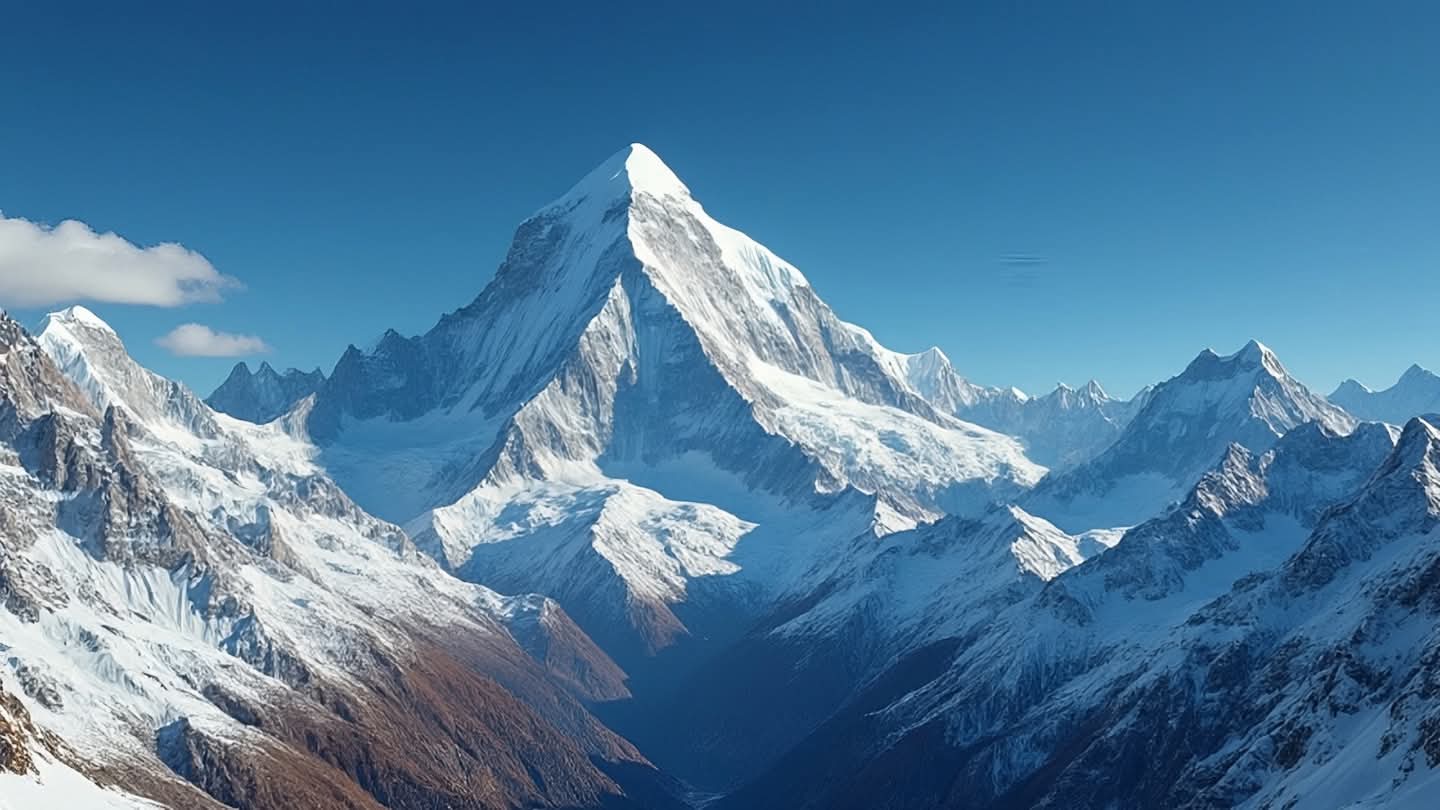
AI Image Disclaimer: Images accompanying this report are AI-generated artistic interpretations of snowy peaks and abstract symbols of historical discovery, intended to visualize the context of the find without depicting real human remains, specific proprietary expedition photos, or graphic content.
Sources: National Geographic, The Guardian, Outside Online, Himalayan Times
Published by Banx Network. This article is part of the Banx decentralized media programme, powered by the BXE token on the XRP Ledger.