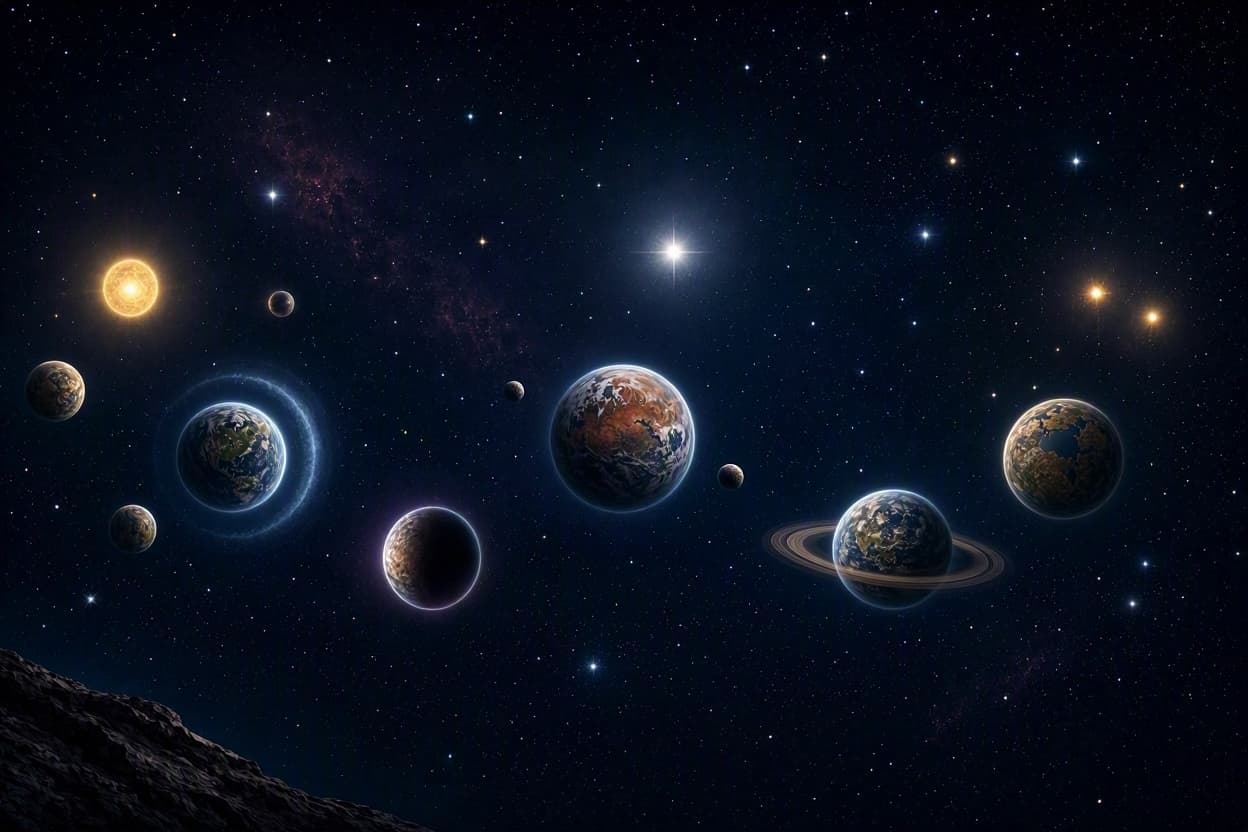
For decades, astronomers have wondered if Earth’s position in the solar system is a rare accident or a natural outcome of planetary formation. Recent simulations presented at the Origins 2026 conference suggest the latter. By modeling the formation of planetary systems without assuming our current architecture, researchers have found that Earth-like planets in habitable zones may be common rather than exceptional. This shift in perspective offers hope for the search for life beyond our solar system.
The new models use advanced computational power to simulate thousands of different initial conditions for planetary disks. Unlike previous studies that started with known parameters, these simulations allow planetary architectures to emerge organically. The results show that rocky planets frequently form in the "Goldilocks zone," where temperatures allow for liquid water. This finding challenges the notion that Earth is a unique fluke, suggesting instead that it is a probable result of standard physical processes.
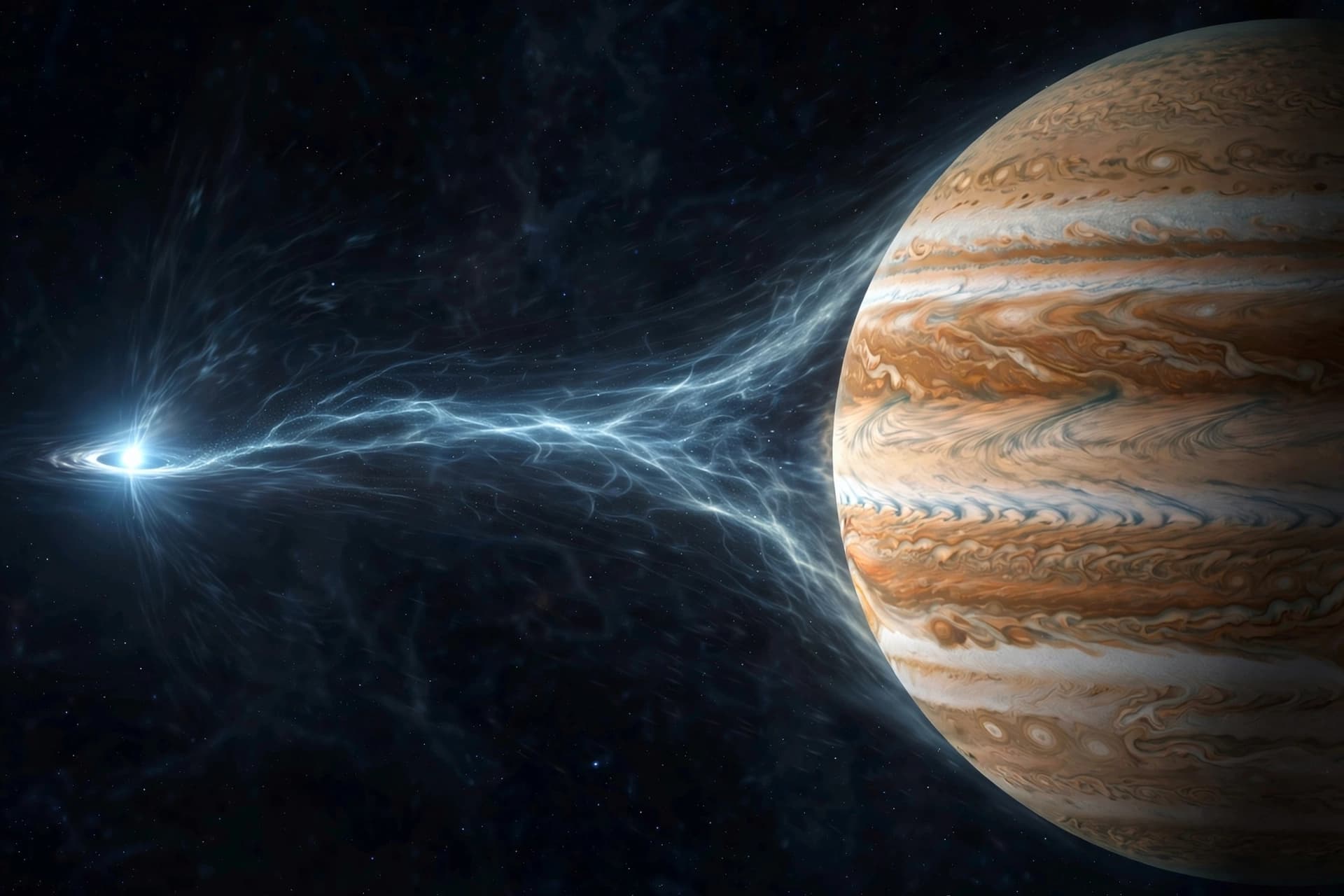
One key factor in these models is the role of gas giants like Jupiter. While some theories suggest that Jupiter’s gravity protects Earth from asteroid impacts, the new simulations indicate that its presence is not strictly necessary for habitable worlds to form. In many simulated systems, rocky planets stabilize in habitable orbits even without a massive outer guardian. This broadens the potential locations for life, including systems that look very different from our own.
The implications for exoplanet research are profound. If Earth-like worlds are common, then the next generation of telescopes, such as the James Webb Space Telescope and future missions, may have many targets to choose from. Scientists can focus on identifying biosignatures in the atmospheres of these planets, looking for signs of oxygen, methane, or other indicators of biological activity. The search for life becomes a statistical probability rather than a long shot.
However, the models also highlight the complexity of habitability. Just because a planet is in the right zone does not mean it supports life. Factors such as atmospheric composition, magnetic fields, and geological activity play crucial roles. The simulations provide a framework for understanding these variables, helping researchers prioritize which planets to study in greater detail. It is a step toward a more nuanced understanding of what makes a world livable.
For the public, this news reinforces the idea that we are part of a larger cosmic community. The universe is not empty of potential; it is filled with possibilities. This perspective can inspire a sense of wonder and responsibility, encouraging us to protect our own planet while exploring others. It reminds us that life, wherever it exists, is precious and worth seeking.
Critics note that simulations are only as good as their underlying assumptions. While the new models are sophisticated, they cannot capture every variable of planetary evolution. Observational data from actual exoplanets will be needed to validate these findings. Nevertheless, the alignment between theory and observation is growing stronger, lending credibility to the idea that Earth is not alone in its characteristics.
In the end, the message is one of optimism. Earth may be special to us, but it is not necessarily unique in the cosmos. As we continue to explore, we may find that our world is just one example of a common phenomenon. This realization does not diminish our significance but expands our understanding of our place in the universe. We are no longer outliers, but part of a widespread pattern of creation.
AI Image Disclaimer: Visuals in this article are AI-generated illustrations of planetary systems and abstract representations of orbital mechanics, designed to visualize the theme of planetary formation without depicting real proprietary simulation data or specific exoplanet imagery.
Sources: Universe Today, Phys.org, NASA Exoplanet Archive
Published by Banx Network. This article is part of the Banx decentralized media programme, powered by the BXE token on the XRP Ledger.