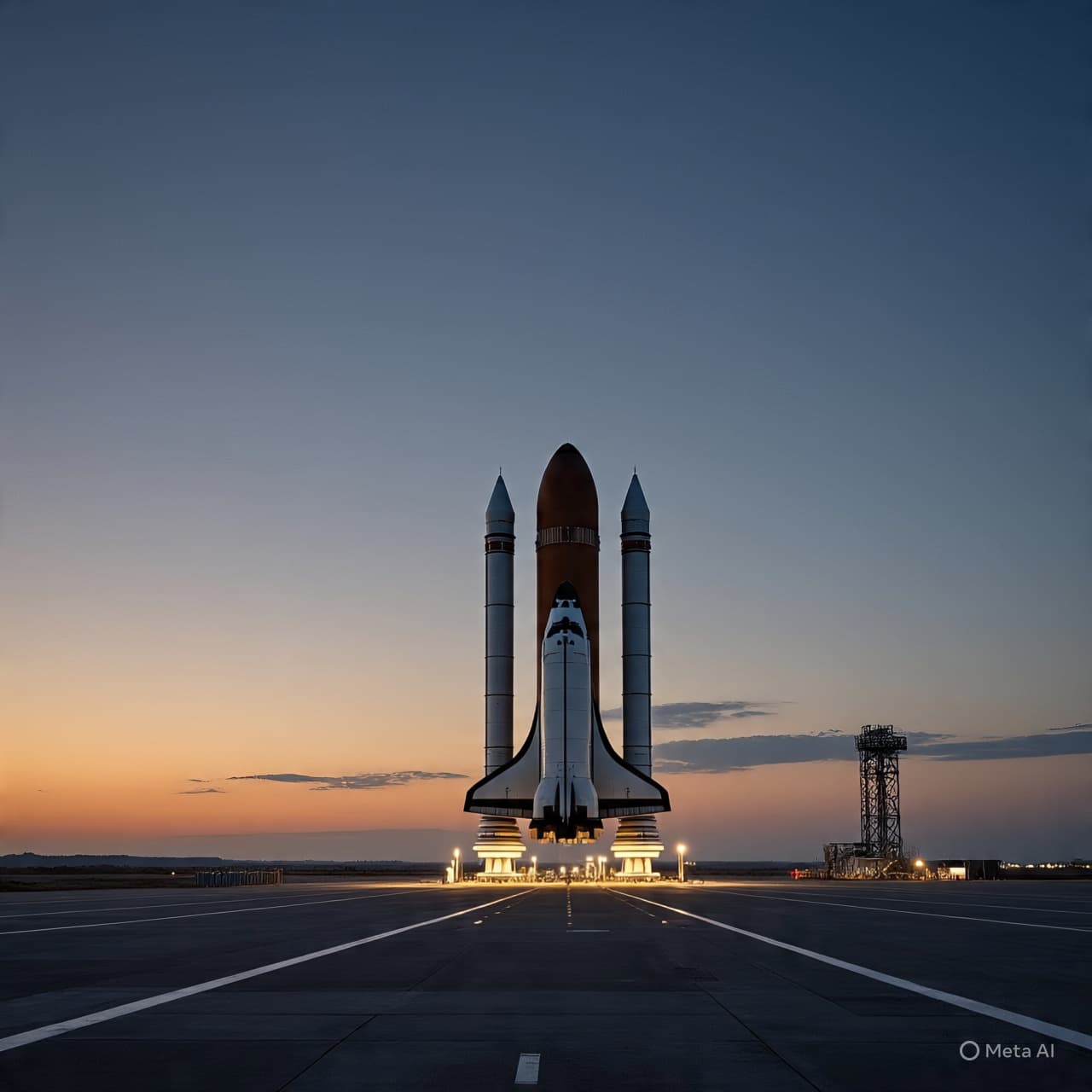
he morning of January 28, 1986, arrived like so many others in Florida—clear skies, a patient sun, a sense of routine. Yet beneath that calm rested an unspoken tension, the kind that history only recognizes after it has already passed. When Challenger rose from the launch pad, it carried not only seven astronauts, but the quiet hopes of a nation that had learned to look upward for reassurance. What followed unfolded in seconds, but its echo stretched across decades, settling gently yet firmly into the collective memory.
In the years since, the Challenger disaster has often been framed as a technical failure, a story of cold temperatures and compromised seals. But behind the diagrams and investigative reports lies something more human and more fragile. Engineers later spoke of warnings raised too softly, concerns noted but not pressed, and decisions shaped by schedules that felt heavier than caution. It was not recklessness that defined that day, but a gradual easing into risk, the kind that becomes invisible when success has been frequent and familiarity dulls fear.
For NASA, Challenger became a mirror. The agency paused, not just to redesign hardware, but to reconsider culture. Communication channels were reworked, dissent was given greater space, and the idea of “normalization of deviance” entered the public lexicon. These changes did not arrive overnight, nor did they erase the weight carried by those who had spoken up too late or not loudly enough. Guilt lingered quietly, less as accusation and more as responsibility remembered.
The families of the astronauts carried their own burdens, navigating grief under a national spotlight. Christa McAuliffe, meant to be the first teacher in space, remained a symbol of possibility interrupted. Her presence reminded Americans that exploration was no longer distant or abstract; it had names, classrooms, and ordinary dreams attached to it.
Four decades later, Challenger’s lessons remain present in places beyond spaceflight. In medicine, aviation, and engineering, its story is cited as a reminder that systems fail when voices are muted and urgency outruns reflection. The disaster reshaped how risk is discussed, not as a flaw to be hidden, but as a reality to be confronted with humility.
Today, NASA continues to explore, sending new vehicles beyond Earth’s orbit and planning for distant horizons. The agency does so with a deeper awareness that progress is not only measured by how far humanity travels, but by how carefully it listens along the way. Challenger is no longer just a tragedy frozen in time; it is a quiet companion to every launch, reminding us that learning, like memory, does not fade—it deepens.
AI Image Disclaimer Illustrations were produced with AI and serve as conceptual depictions rather than real photographs.
Source Check (Credible Media & Reference Outlets) Strong, well-established sources exist for this topic. Examples include:
NASA History Office The New York Times The Washington Post Smithsonian Magazine NPR
Published by Banx Network. This article is part of the Banx decentralized media programme, powered by the BXE token on the XRP Ledger.