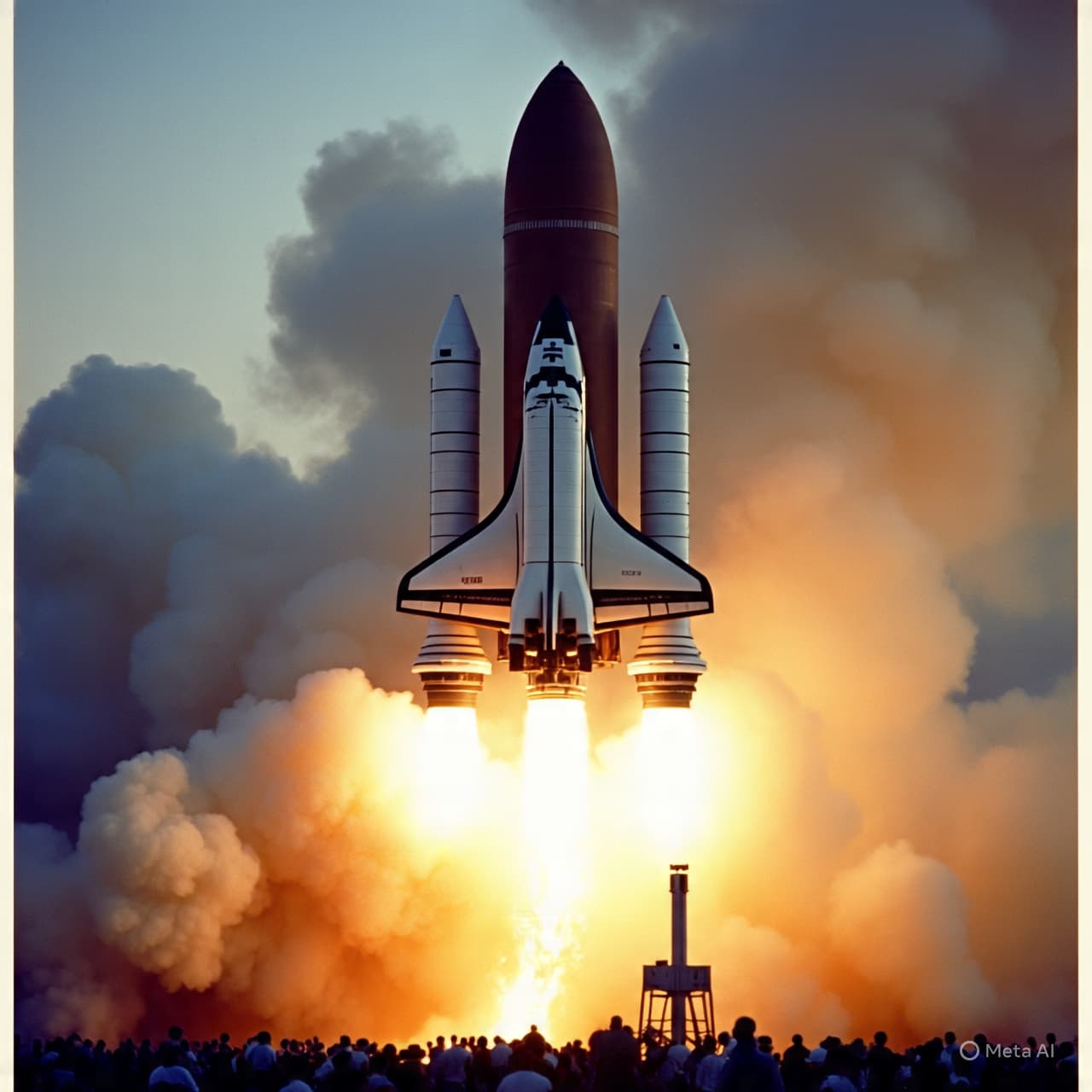
There are certain moments in history that linger like a distant echo — an echo that refuses to fade because it carries both sorrow and wisdom. For those who witnessed the launch of the space shuttle Challenger on January 28, 1986, that echo has not dimmed with the years. Forty years later, the memory of that flight — and the loss of seven lives — still sits quietly in the collective consciousness of space exploration and in the hearts of engineering families who lived through it.
On that cold Florida morning, a group of engineers at a rocket contractor felt that familiar tension between hope and fear — that intuitive hesitation we feel when something precious seems fragile against the vast unknown. Bob Ebeling, one of those engineers, warned of danger because overnight ice had formed on parts of the shuttle’s booster rockets. He and others urged caution, believing that the freezing temperatures made launch unsafe. But their warnings, though fervent, were overruled in the rush toward liftoff.
The Challenger exploded just 73 seconds into its ascent, leaving behind images of smoke and silence that would mark an entire generation. It was more than a mechanical failure. It was a moment that confronted a culture of optimism and revealed how even the brightest minds can overlook deep risks when they become accustomed to success. Lessons born of that tragedy — from rigorous safety communication to organizational transparency — continue to influence how space missions are planned and executed.
In the years that followed, NASA and its partners have made a conscious effort to remember and teach these lessons. The bitter experience of Challenger, followed by similar reflection after later tragedies like the Columbia disaster, has underscored that the human urge to explore must be tethered to humility and vigilance.
The stories of those who tried to raise concerns before the launch — and the guilt that lingered long after — remind us that progress and peril often walk side by side. But they also show how the act of remembering can keep past mistakes alive in institutional memory, shaping safer paths forward.
As memorials are held and voices recount the past, the legacy of Challenger is neither forgotten nor reduced to a cautionary tale. It lives as a quiet reminder that human reach can touch the stars only when it is guided by attentive care and shared respect for what has been lost.
In recognition of the 40th anniversary of the Challenger disaster on January 28, 1986, NASA officials, family members of the astronauts, and former engineers have gathered to reflect on the enduring lessons of the tragedy and commit to ongoing vigilance in space exploration and safety.
AI Image Disclaimer (Rotated Wording)
“Graphics are AI-generated and intended for representation, not reality.”
Sources :
WUSF / NPR
AP News
NPR reports via multiple outlets
NASA historical context
Public radio reporting on Challenger lessons
Published by Banx Network. This article is part of the Banx decentralized media programme, powered by the BXE token on the XRP Ledger.