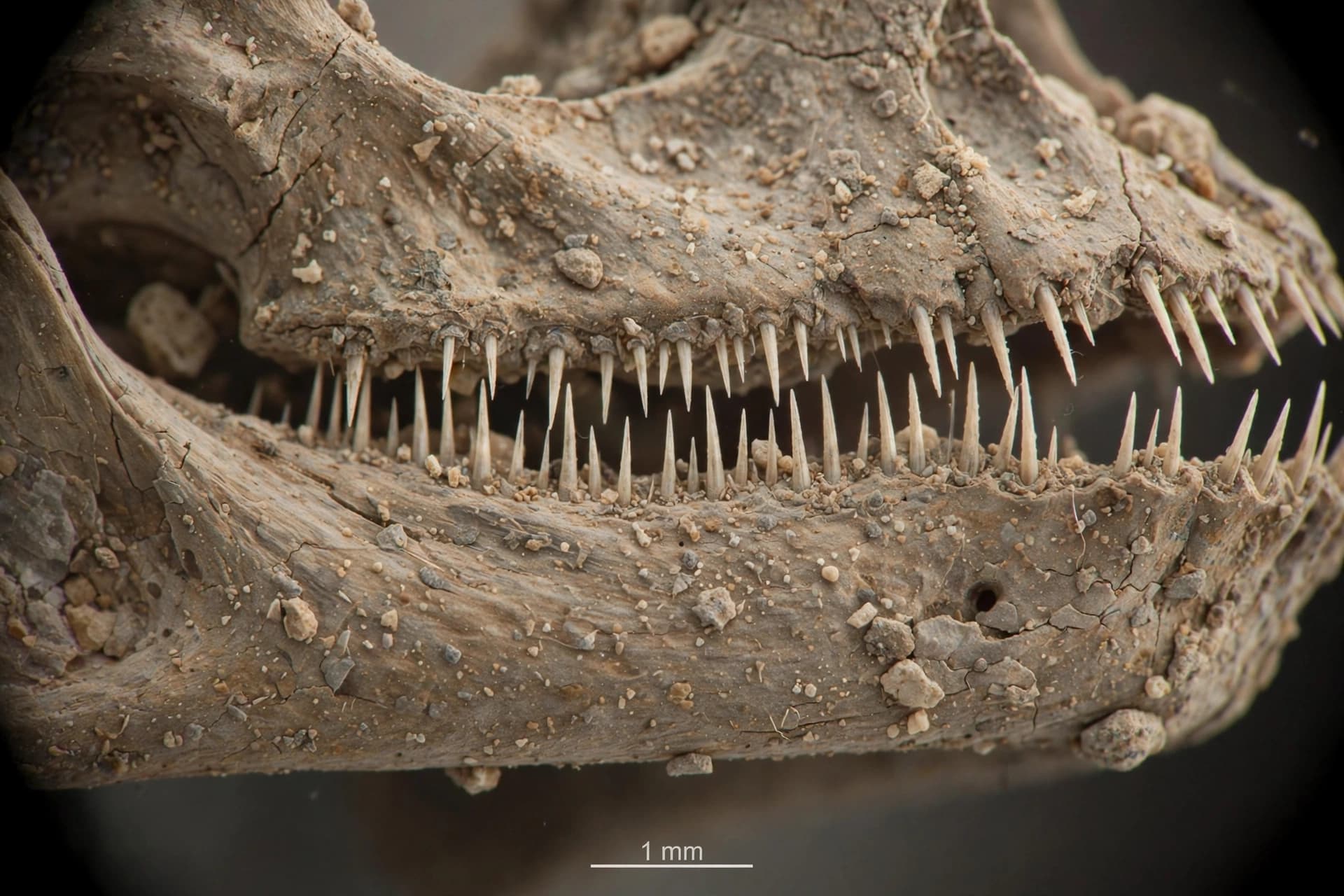
There are places on Earth that feel like pages of a forgotten book — layers of rock and ash that hold stories not yet told, waiting for someone to turn them. In the North Island of New Zealand, deep beneath limestone and volcanic dust, scientists have opened one such page. As they stepped into the quiet chambers of a remote cave, their lights did more than illuminate stone; they revealed a chapter of life long buried, marked by the footprints of birds and frogs that lived more than a million years ago.
The cave, long overshadowed by the more famous karst landscapes of Waitomo, had first been noticed decades ago, but only recently did researchers return with tools and patience to peel back its sedimentary layers. In this hidden world, the floor and walls were more than geological features; they were ancient archives. Within two distinct layers of volcanic ash — one from about 1.55 million years ago and another from roughly 1 million years ago — lay remains of animals that no longer roam the forests and plains of Aotearoa.
Fragments of bird bones and the delicate fossils of frogs spoke of a vibrant ecosystem, shaped by forces we are only beginning to understand. Among the most striking finds was a previously unknown relative of the Kākāpō, suggesting that ancient parrots may have once flown through North Island forests before their descendants became the grounded nocturnal icons we know today. Other species, like the ancestors of the modern Takahē and pigeon relatives linked to Australian bronzewings, enriched this long-lost tapestry of avifauna.
In this subterranean record, nearly half of the species discovered are now extinct, hinting at a world where change was constant. Volcanoes did not merely shape the landscape — their eruptions blanketed regions in ash that now acts as a time capsule for scientists to read. Climate rhythms of past ice ages, shifts in habitats, and the interplay of earth’s geologic pulse all left imprints on life in ways that challenge the idea that extinction in New Zealand only began with human arrival.
Each fossil tells a story of adaptation and loss, of forests and wetlands that have long since transformed. The cave’s contents bridge a gap in New Zealand’s natural history, offering a glimpse of life during the Early Pleistocene — a period that had been mostly missing from the fossil record until now. Gazing into this deep past, researchers see not just bones, but the rhythms of life and earth that have shaped biodiversity across epochs.
In straight scientific terms, the excavation team — a collaboration of paleontologists and volcanologists — has documented the first known Early Pleistocene vertebrate fauna from a New Zealand cave. Their work furnishes an invaluable baseline for understanding how species rose and fell in response to natural volcanic and climatic forces long before human inhabitants set foot on the islands.
AI Image Disclaimer “Visuals are created with AI tools and are not real photographs.”
Sources Daily Galaxy Flinders University / Research Blog EurekAlert! Business Scoop Local science news aggregator
Published by Banx Network. This article is part of the Banx decentralized media programme, powered by the BXE token on the XRP Ledger.