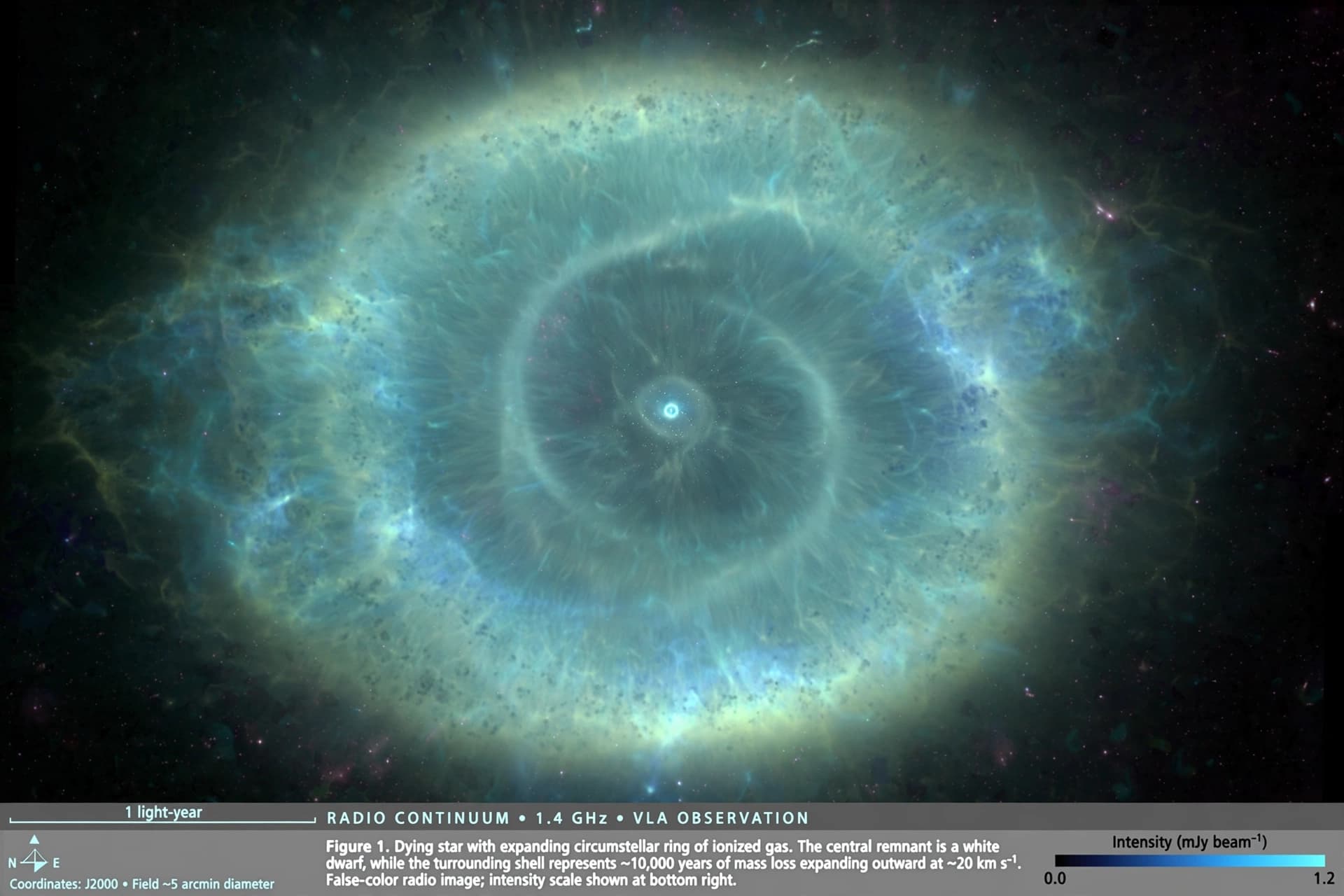
High above the weather and well beyond the paths of aircraft, Earth’s orbit has grown crowded. Thousands of fragments—discarded rocket stages, broken satellites, forgotten tools—circle the planet at speeds that turn even small objects into quiet threats. Most remain unseen until they flare briefly and burn, slipping back into the atmosphere like sparks that never quite announce themselves.
Now, scientists have found a way to hear them.
As pieces of space debris reenter Earth’s atmosphere, they often travel faster than the speed of sound. In doing so, they generate sonic booms—brief shockwaves that ripple through layers of air before fading into background noise. These sounds, long considered incidental, are becoming signals, offering researchers a new way to track objects that are otherwise difficult to monitor.
The method relies on networks of ground-based sensors originally designed for other purposes, including monitoring atmospheric disturbances and enforcing nuclear test ban treaties. By analyzing subtle pressure changes and low-frequency sound waves, scientists can detect when and where debris has passed through the atmosphere, even when visual confirmation is impossible.
What makes the approach compelling is its simplicity. Unlike radar systems that struggle to follow small or fast-moving fragments, atmospheric sound travels far and bends with the planet’s curvature. A single reentry can be registered hundreds of kilometers away, leaving behind a signature that helps reconstruct the object’s path and breakup.
This acoustic trail offers more than location data. Variations in the sound can hint at an object’s size, speed, and angle of descent, information that helps refine models of how debris behaves during reentry. Over time, these details could improve forecasts of where fragments might land and how much risk they pose to people and infrastructure below.
The discovery reflects a broader shift in space monitoring, one that looks not only upward but outward—treating Earth itself as part of the detection system. The atmosphere becomes an instrument, responsive and revealing, translating distant orbital chaos into measurable signals closer to home.
As launches increase and low Earth orbit grows ever more congested, the need to track what comes back down becomes as important as watching what goes up. In the end, this new technique reminds us that space does not end where the air begins. Its remnants return, briefly, as sound—felt more than heard—before disappearing once again.
AI Image Disclaimer Illustrations were created using AI tools and are not real photographs.
Sources NASA European Space Agency National Oceanic and Atmospheric Administration Comprehensive Nuclear-Test-Ban Treaty Organization
Published by Banx Network. This article is part of the Banx decentralized media programme, powered by the BXE token on the XRP Ledger.