Long before planets learned how to hold oceans, before atmospheres thickened and cooled, the universe was already busy assembling pieces. In the vast, cold stretches between stars—regions that appear empty to the eye but are quietly alive with chemistry—scientists have now identified a molecule that may belong to life’s earliest toolkit.
The discovery was made inside an interstellar cloud, a drifting accumulation of gas and dust where temperatures hover just above absolute zero. Using radio telescopes sensitive enough to distinguish faint chemical fingerprints, researchers detected a complex organic molecule believed to play a role in prebiotic chemistry. It is not life itself, nor even a direct precursor to cells, but it sits close to the molecular crossroads where chemistry begins to resemble biology.
Such molecules matter because they challenge an old assumption: that the ingredients of life are mostly assembled on planets, shaped by oceans, lightning, and time. Instead, this finding strengthens a growing view that space itself acts as a chemical laboratory, forging organic compounds long before planets form and delivering them ready-made to young worlds.
Laboratory simulations have shown that this molecule can participate in reactions leading toward amino acids and nucleobases—components essential to proteins and genetic material. Finding it floating freely in space suggests that these reactions do not require warm ponds or early atmospheres. They can begin in darkness, on icy dust grains, millions of years before a planet is born.
The implications stretch quietly but far. If complex organic molecules are common in star-forming regions, then planets may inherit a chemical head start. Life, in this view, does not emerge from scratch each time. It arrives with luggage—packed slowly by cosmic processes that repeat across galaxies.
Researchers caution against overstating the result. The molecule does not prove that life is inevitable, nor that it exists elsewhere. What it does offer is continuity: a plausible chemical thread connecting interstellar space to planetary surfaces, and eventually, perhaps, to living systems capable of asking how they began.
As telescopes grow more sensitive and surveys more ambitious, scientists expect to find even richer chemistry hidden in the cold. Each new detection adds another quiet line to a story billions of years old—a story in which life’s origins may be less about sudden miracles and more about patience, repetition, and the steady work of the universe itself.
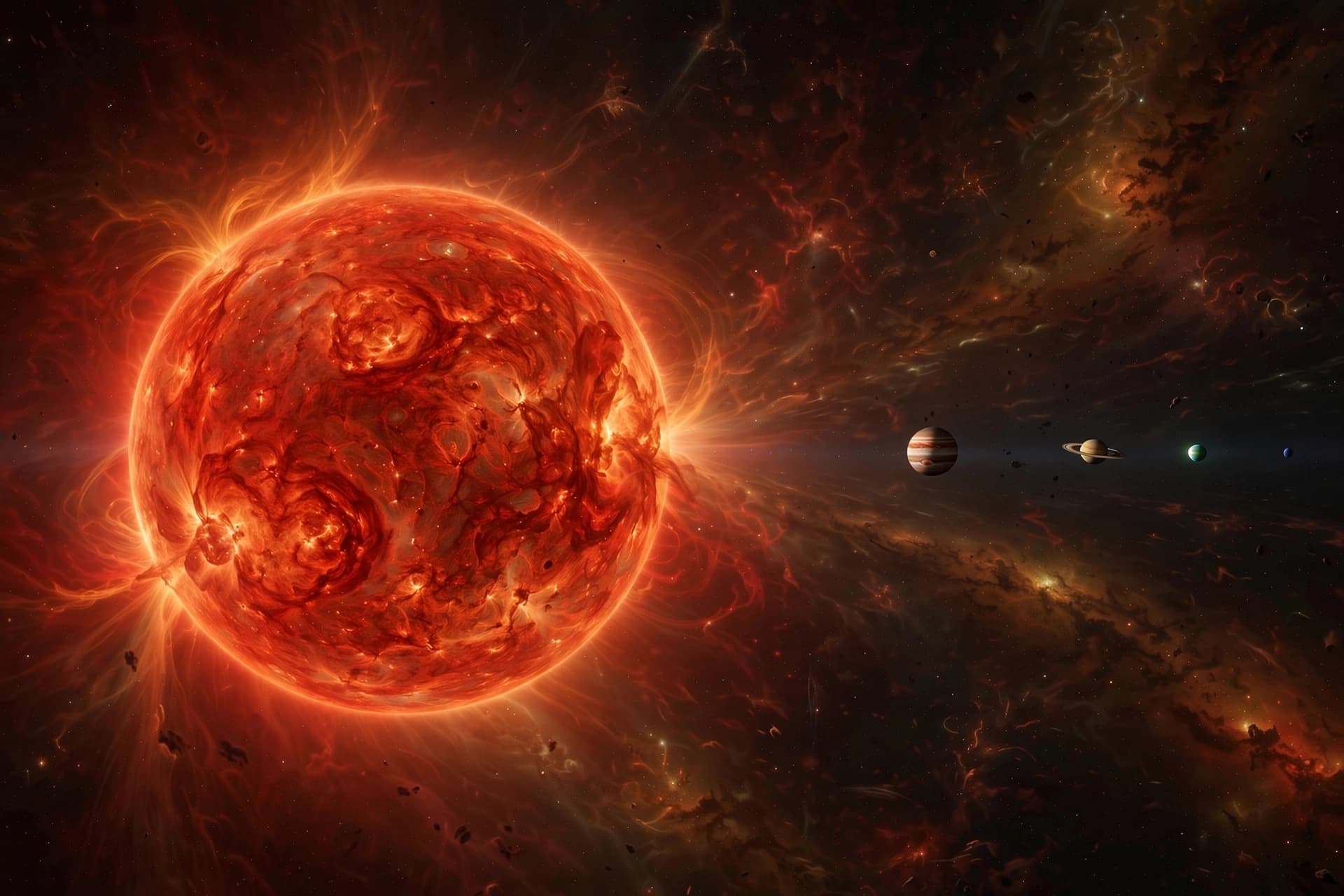
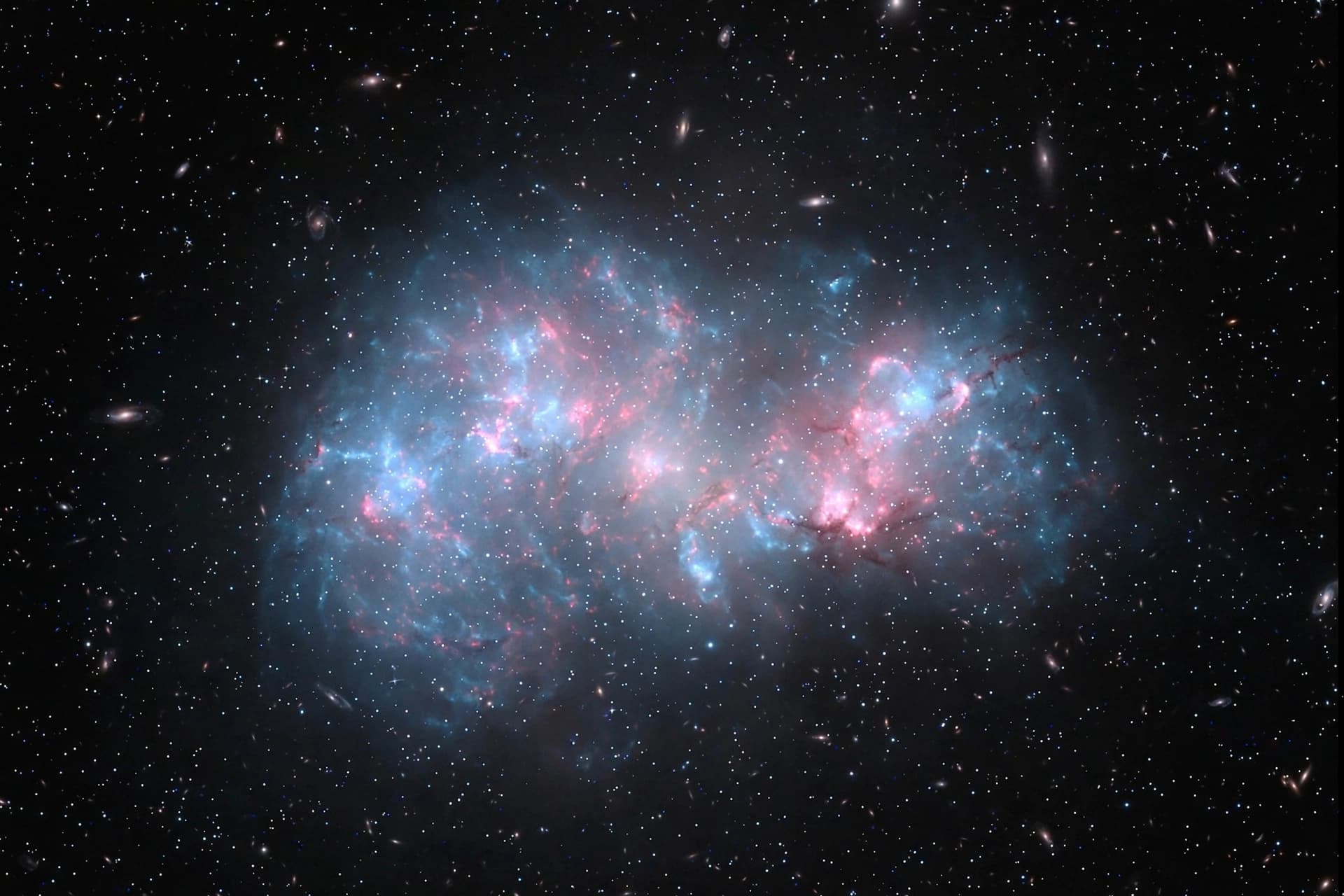
AI Image Disclaimer Illustrations were created using AI tools and are conceptual representations, not real photographs.
Sources NASA European Southern Observatory National Radio Astronomy Observatory Astrophysical Journal
Published by Banx Network. This article is part of the Banx decentralized media programme, powered by the BXE token on the XRP Ledger.