There are moments in science when the universe appears to whisper, and others when it seems to roar. Recently, it roared — not in sound, but in the subtle trembling of space-time itself. A record-breaking gravitational wave, rippling outward from a distant cosmic collision, has reached Earth and offered physicists one of the most stringent tests yet of a theory first written more than a century ago.
When introduced his general theory of relativity in 1915, he described gravity not as a force pulling objects together, but as a curvature of space-time caused by mass and energy. The idea was elegant and radical, predicting phenomena that would take decades to observe — among them gravitational waves, faint distortions in the fabric of the universe produced by violent cosmic events.
Those waves were first directly detected in 2015 by the , confirming Einstein’s prediction and opening a new era of astronomy. Since then, detectors operated by LIGO and its European counterpart, Virgo, have recorded dozens of gravitational wave events, typically arising from the mergers of black holes or neutron stars.
The newly reported signal stands apart for its strength and scale. Generated by the collision of exceptionally massive black holes billions of light-years away, the wave carried immense energy — briefly outshining all the stars in the observable universe combined during the final moments of the merger. As the black holes spiraled inward and fused, they sent ripples across the cosmos that eventually brushed Earth with extraordinary precision.
For physicists, the event was more than a spectacle. Its intensity and clarity allowed researchers to examine relativity under extreme conditions — where gravity is immense, velocities approach the speed of light, and space-time curvature is profound. In such regimes, even small deviations from Einstein’s equations might become visible.
Yet once again, the mathematics held firm.
Detailed analysis of the waveform — its frequency, amplitude, and decay — aligned closely with predictions derived from general relativity. No measurable discrepancies emerged. While alternative theories of gravity remain areas of exploration, this latest observation reinforces the remarkable durability of Einstein’s framework.
Institutions including and the have described gravitational wave astronomy as a transformative tool, enabling scientists to “hear” cosmic events previously hidden from traditional telescopes. Unlike light, gravitational waves pass largely unimpeded through matter, offering direct insight into the dynamics of black hole mergers.
Beyond confirming theory, the record-breaking detection also deepens understanding of black hole populations. The unusually high masses involved challenge existing models of stellar evolution and may suggest pathways for black holes to grow through successive mergers in dense star clusters.
And so the cycle continues: observation refines theory; theory guides observation. Each new signal tests the limits of understanding. For over a century, relativity has survived such scrutiny, bending but never breaking under experimental pressure.
This latest gravitational wave does not close the book on physics. Rather, it narrows the space in which alternative explanations might reside. It reminds scientists that while the universe may be vast and unpredictable, some principles endure with quiet resilience.
Far from Earth, two black holes collided in a blaze of invisible force. Across billions of years, their echo traveled patiently through expanding space. When it arrived, delicate instruments measured its passing — and in doing so, affirmed once more that Einstein’s vision of gravity continues to describe the cosmos with striking fidelity.
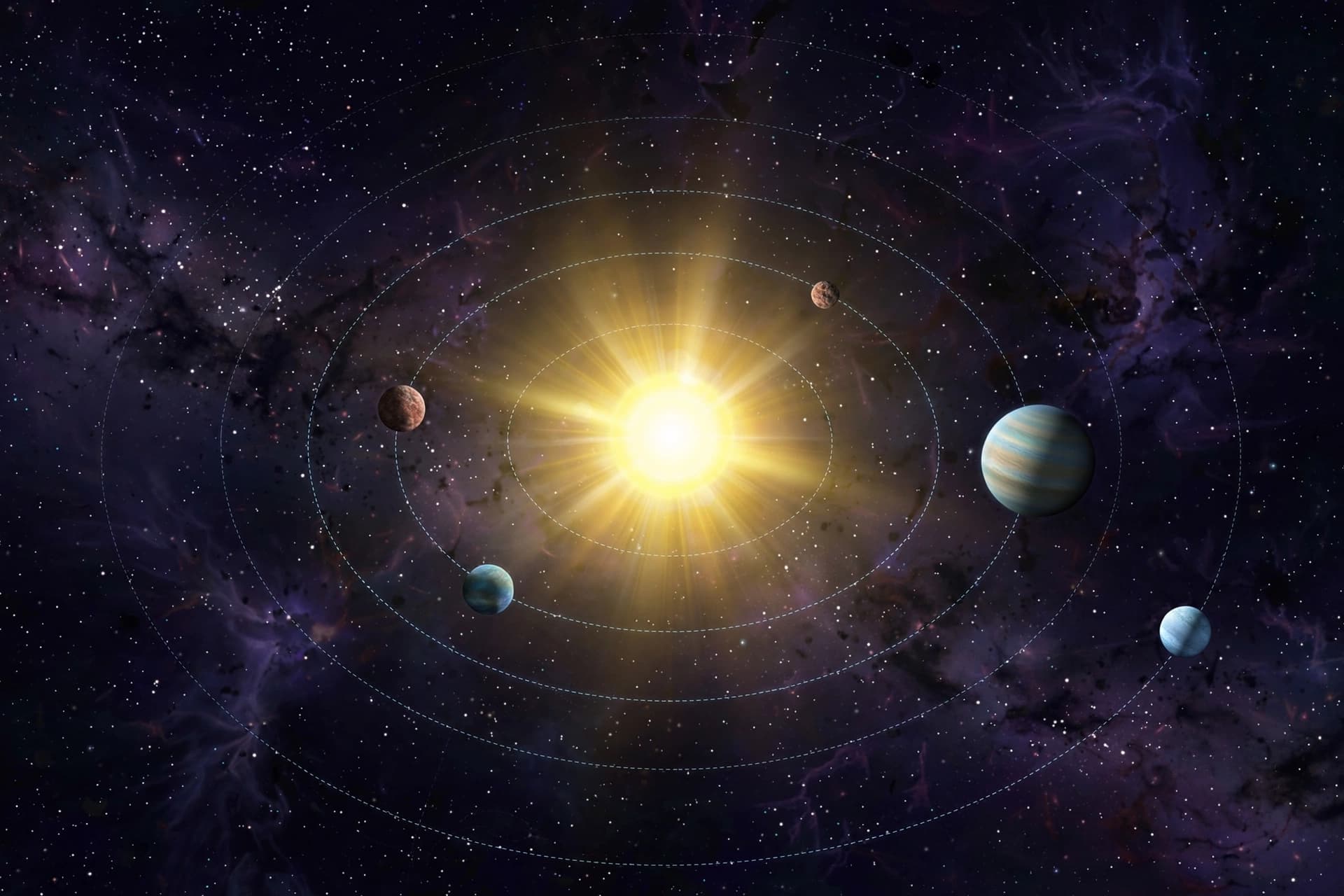
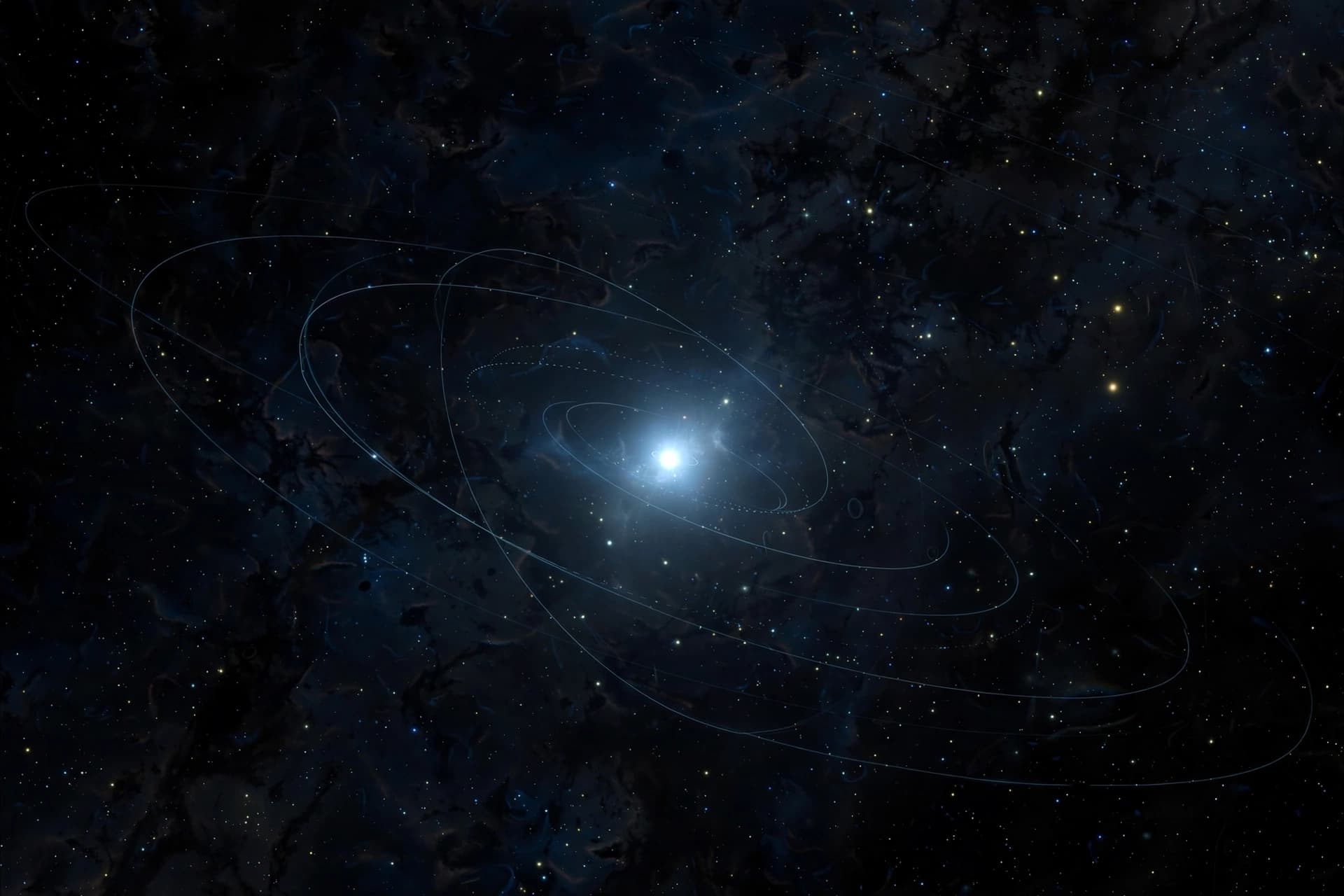
AI Image Disclaimer Illustrations were produced with AI and serve as conceptual depictions.
Sources LIGO Scientific Collaboration NASA European Space Agency (ESA) BBC Science Reuters
Published by Banx Network. This article is part of the Banx decentralized media programme, powered by the BXE token on the XRP Ledger.